


































How to choose the right article for your site
If you are trying to cut call-outs, hold temperature better, or plan a replacement before the next hot spell, start with the issue you can see on site. Some articles focus on cold rooms and freezer rooms, others on display chillers, air-conditioning, or the link between maintenance and power interruptions.
For a busy facility in Durban North, Umhlanga, Pinetown or along the South Coast, the best read is often the one that matches your day-to-day problem. A food outlet may need help with warm cabinets and icing on coils, while a warehouse may be dealing with short cycling, condensation, or a unit that works harder after load-shedding. Choose the article that fits the equipment, the fault, and the time of year.
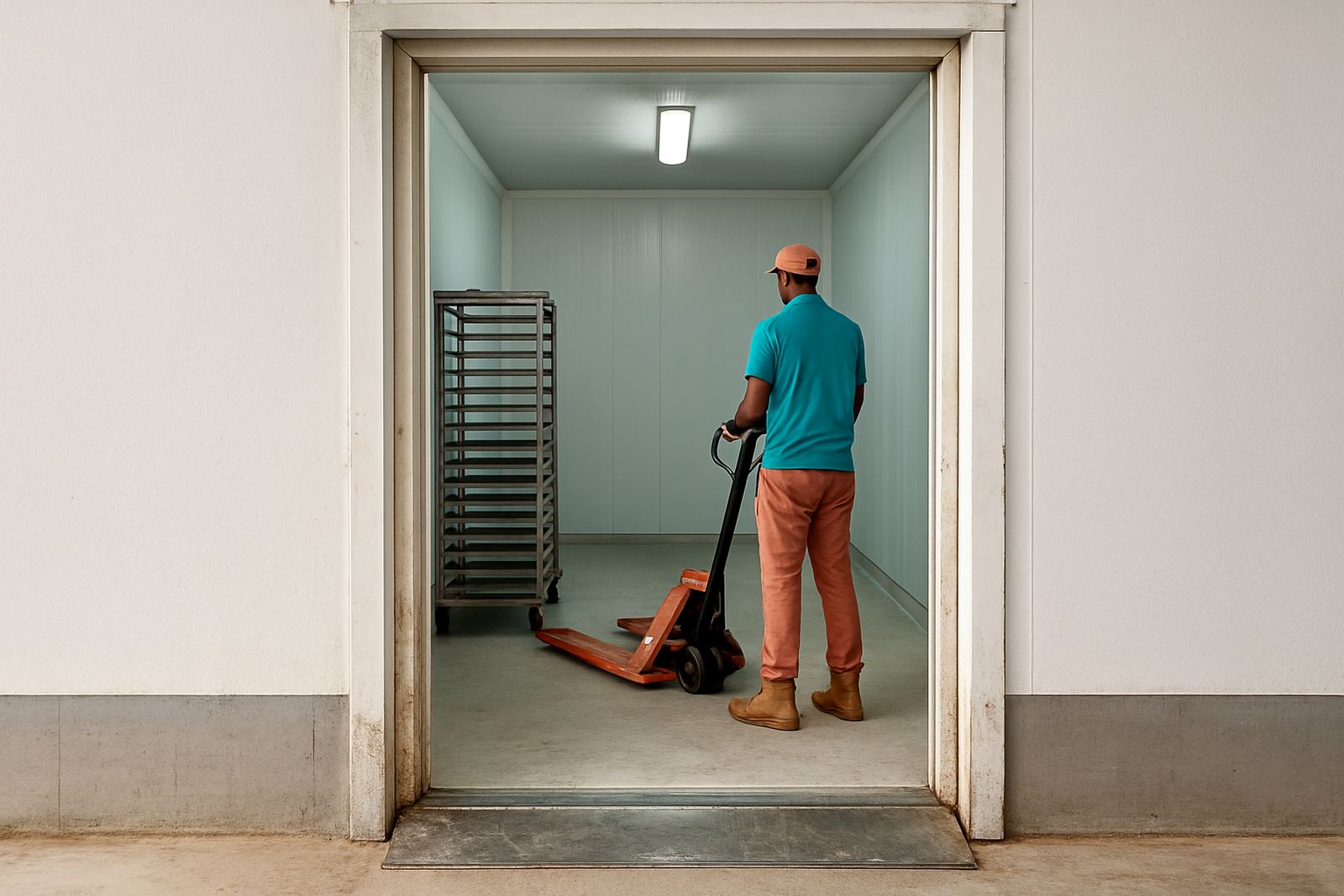
Cold rooms and freezer rooms: the signs worth acting on
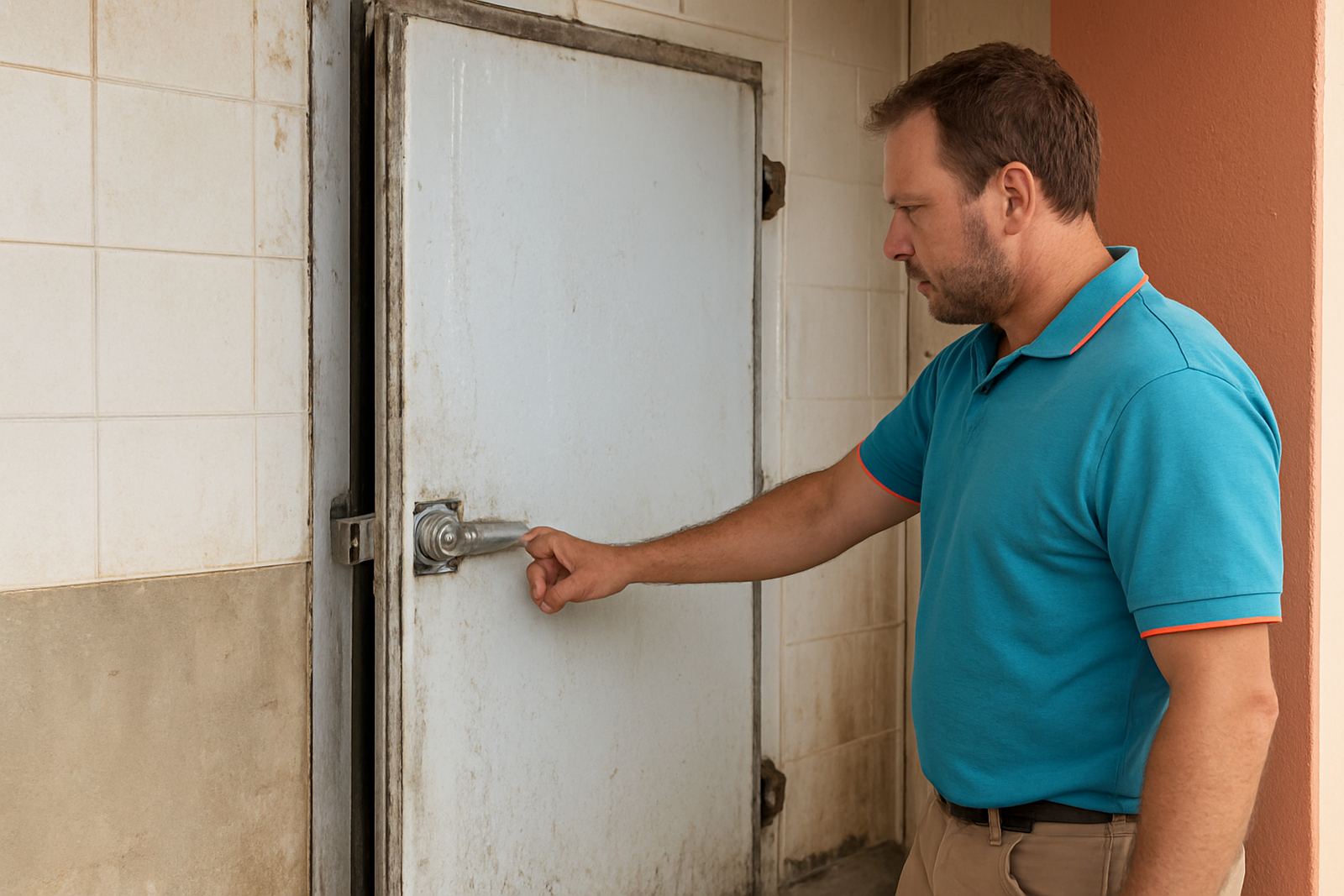
Cold storage problems usually start small. A slight rise in temperature, more frost than usual, or a door that does not close cleanly can mean the system is already losing capacity. In coastal humidity, seals and hinges often suffer faster than people expect, and a small gap can push run times up a lot.
- Warm products at the back of the room
- Ice build-up around the evaporator or door frame
- Fans running longer than normal
- Water pooling near the threshold
- Higher electricity use without any change in stock levels
Our articles explain what these signs usually point to, and when a cleaning visit is enough versus when you need proper leak detection or electrical fault finding.
Display chillers in trading spaces and kitchens
Display chillers work in a different way from enclosed storage rooms. They need steady airflow, clean condenser surfaces and correct loading by staff. If products are packed too tightly, or doors are left open during peak periods, the unit can struggle even when the compressor is fine.
We cover practical issues like poor airflow, incorrect thermostat settings, blocked drains and the effect of warm ambient conditions in busy trading areas. A shop on a hot December afternoon in Ballito can see completely different cabinet behaviour from the same unit on a quiet winter morning, so the article needs to match the real operating conditions.
Air-conditioning advice for offices, retail and industrial sites
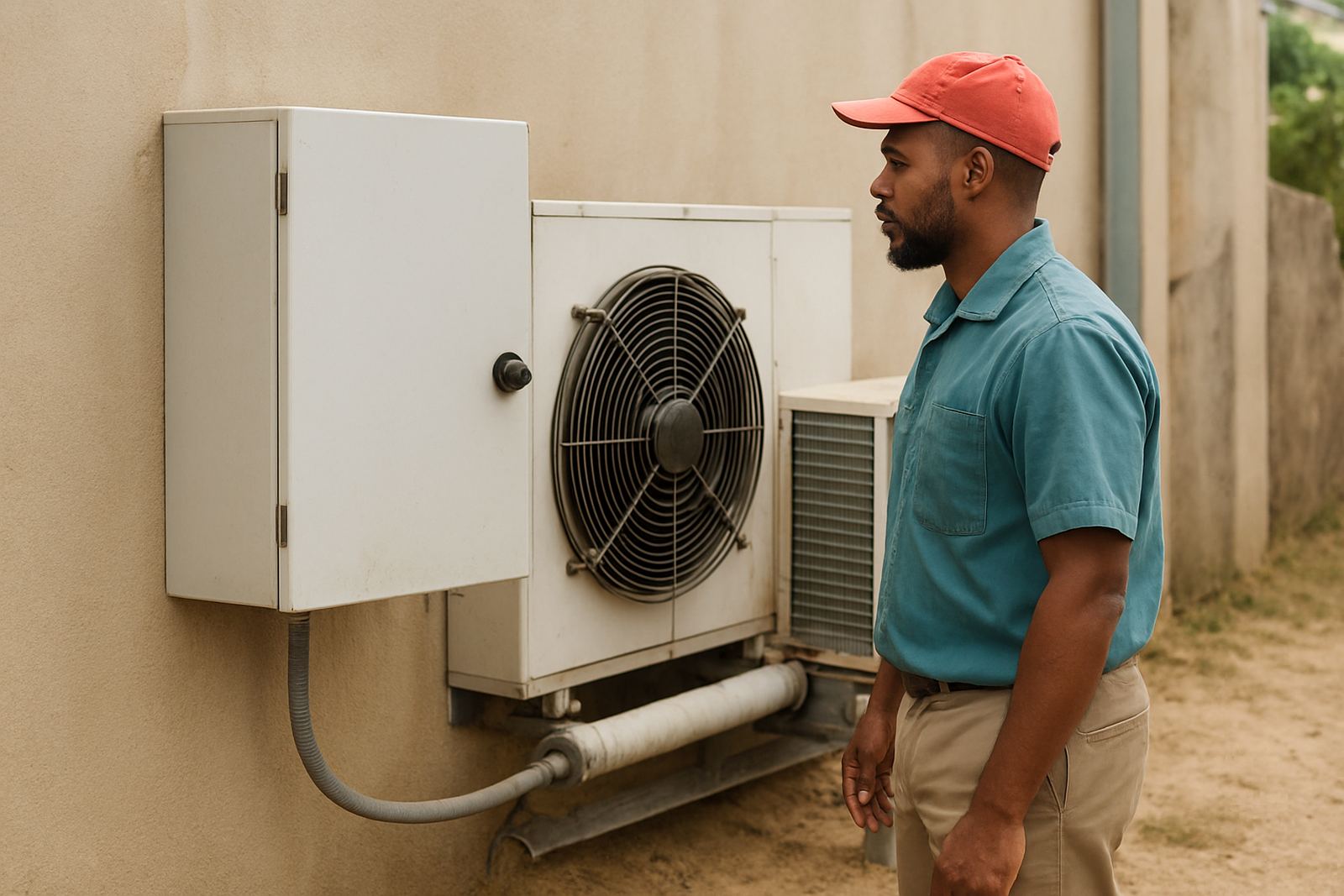
Air-conditioning articles in this hub are written for people who need answers quickly, not theory for the sake of it. That means checking why a unit is blowing warm air, why certain rooms cool unevenly, or why a system trips after a power cut and then behaves strangely when power returns.
- Maintenance intervals for offices and shops
- Common causes of poor airflow and noise
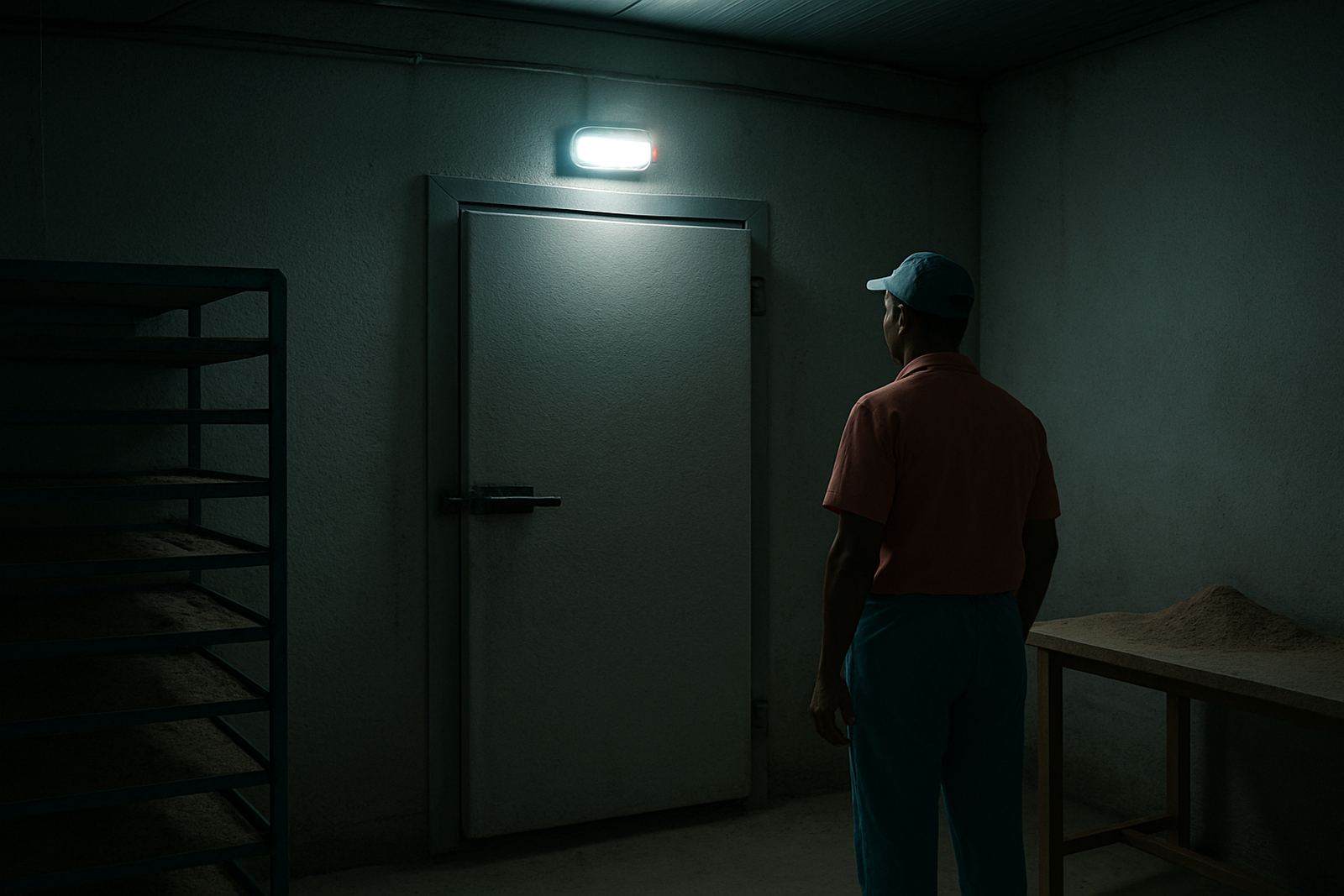
- What to check after load-shedding or a voltage dip
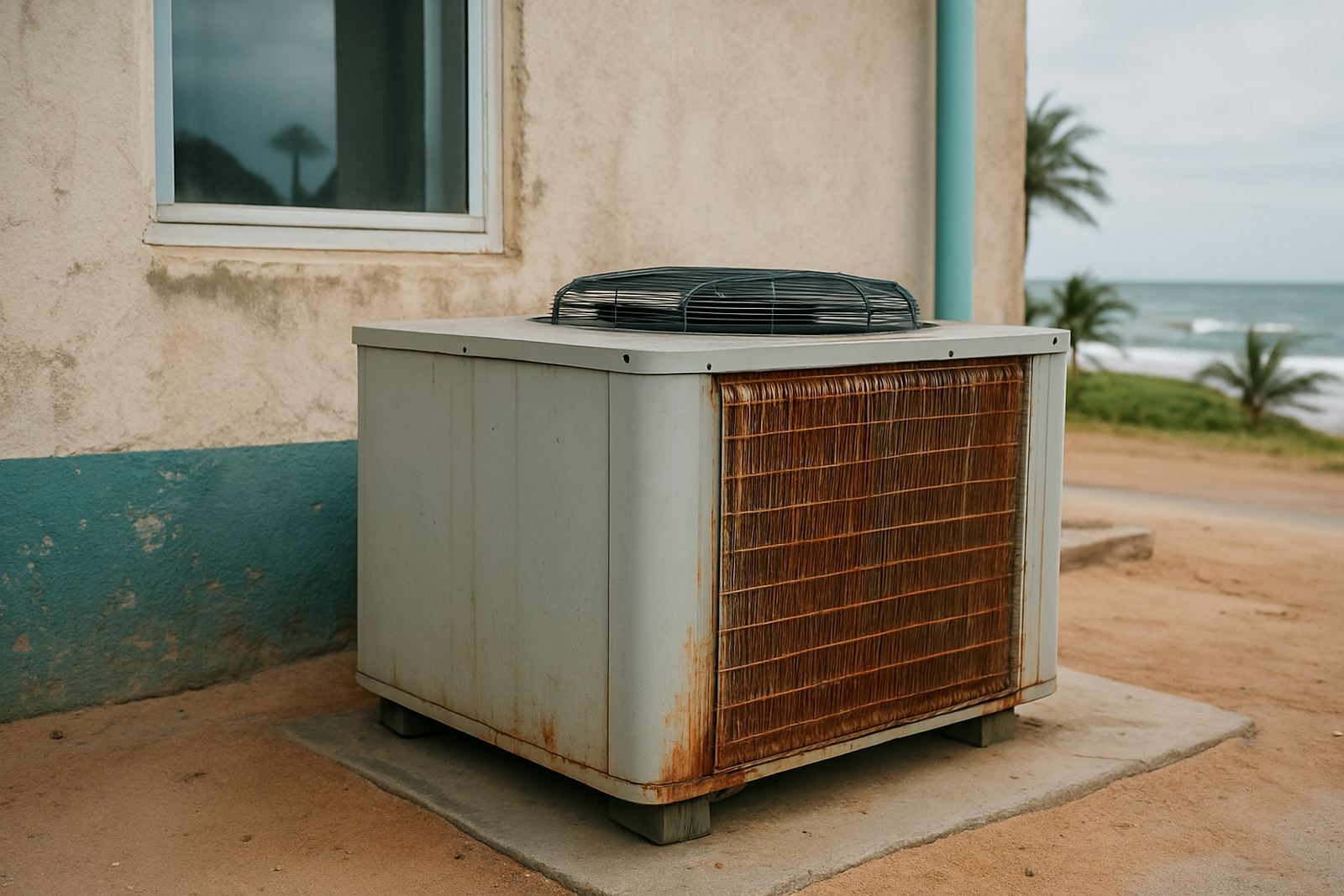
- How dust, salt air and blocked filters affect performance
On the KZN coast, regular cleaning and service checks matter more than many sites realise. A small fault left for two months can turn into a bigger repair, especially when the unit is running long hours.
Why planned maintenance saves more than emergency repairs
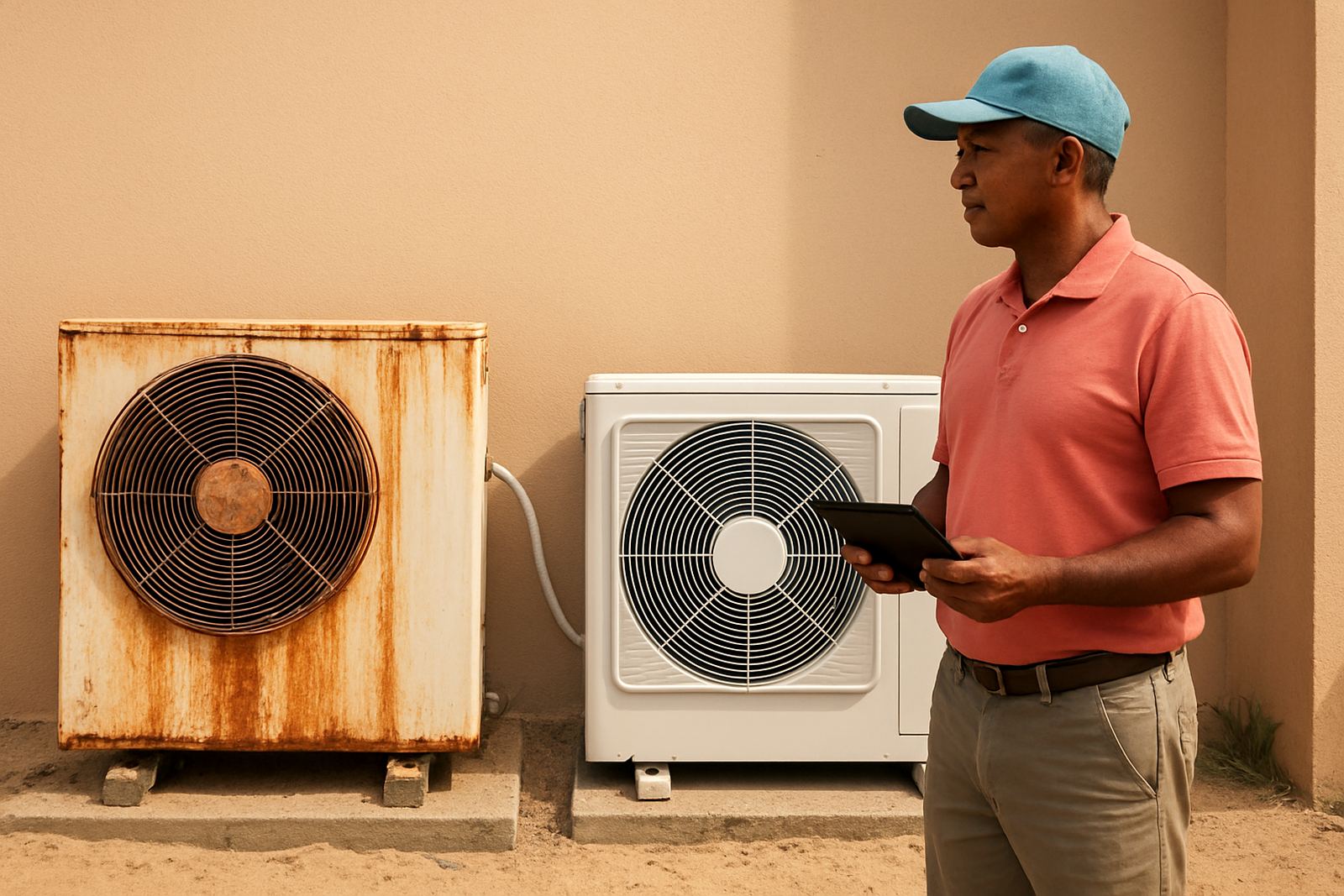
Many businesses only think about HVAC-R once something fails. The better approach is planned maintenance, because it catches wear before it stops trading, spoils stock, or disrupts staff comfort. Our articles explain what a sensible service programme looks like for cold rooms, freezer rooms, display chillers and air-conditioning systems.
You will also find guidance on service records, compliance checks, and temperature logging. These are not just paperwork items. They help show what happened before a fault, whether a room held temperature correctly, and whether a unit has been drifting out of spec over time. That record is useful when you need to make a clear decision on repair or replacement.
What to expect from a proper site assessment
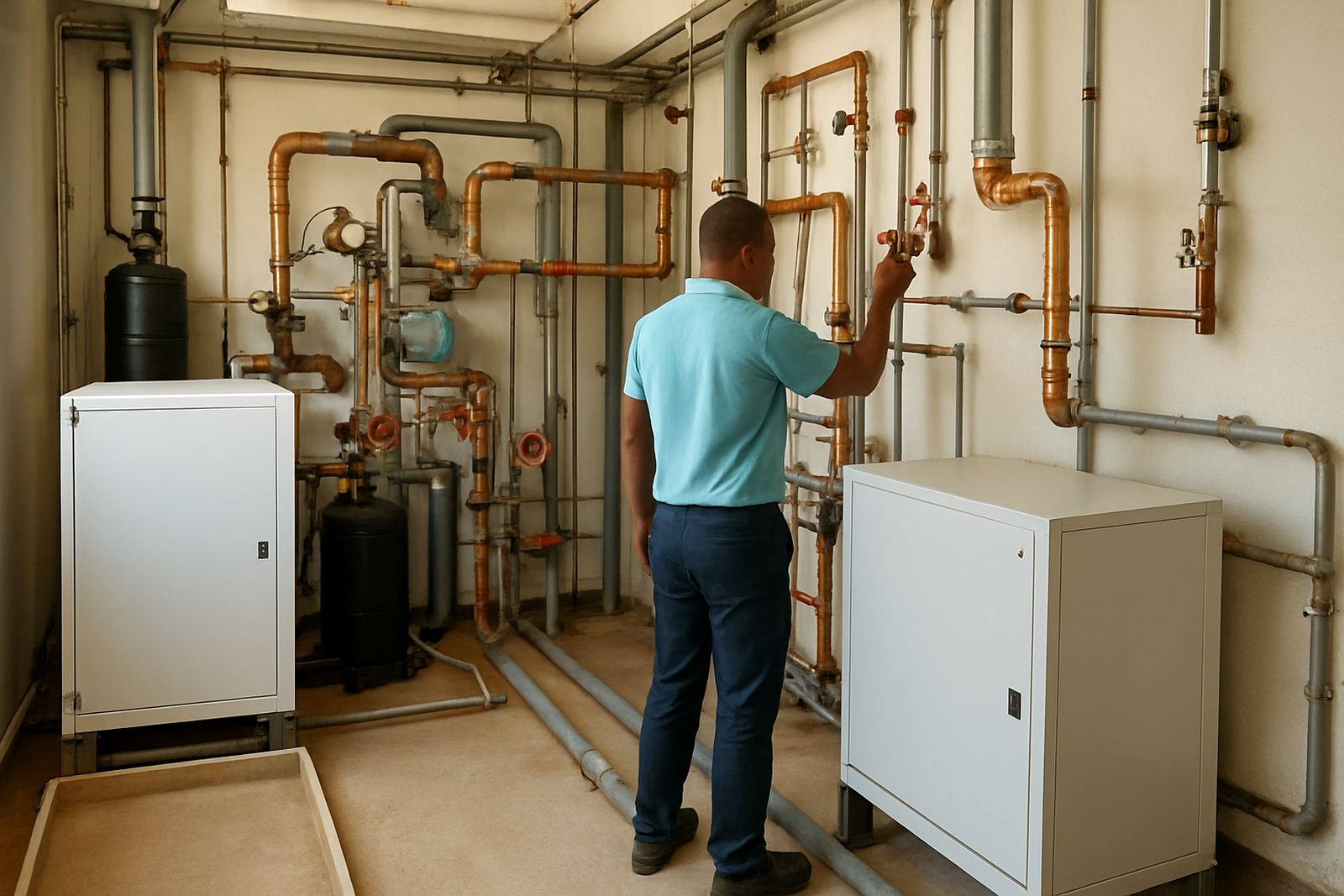
When a technician visits, the inspection should look at more than the obvious fault. A proper assessment checks electrical supply, airflow, control settings, refrigerant condition and the way the equipment is being used on site. If the door seals are worn, or stock is stacked too close to the evaporator, the repair may not hold for long.
Our insight pieces help site managers ask better questions and avoid guesswork. They show how to describe the problem clearly, what details to record before a call-out, and when the issue needs urgent attention versus a scheduled service. That saves time for the operations team and helps keep the plant running as it should.