Why pharmacy temperatures drift in Durban heat
Pharmacy stockrooms and customer areas work best when the temperature stays steady through the day, not just when the air-conditioner is switched on. In Glen Anil, Umhlanga, Ballito and along the South Coast, high humidity and salty air can put extra strain on condensers, drain lines and electrical parts. That means a room can look fine at 8 am, then creep higher by mid-afternoon when doors open often and the unit starts cycling harder.
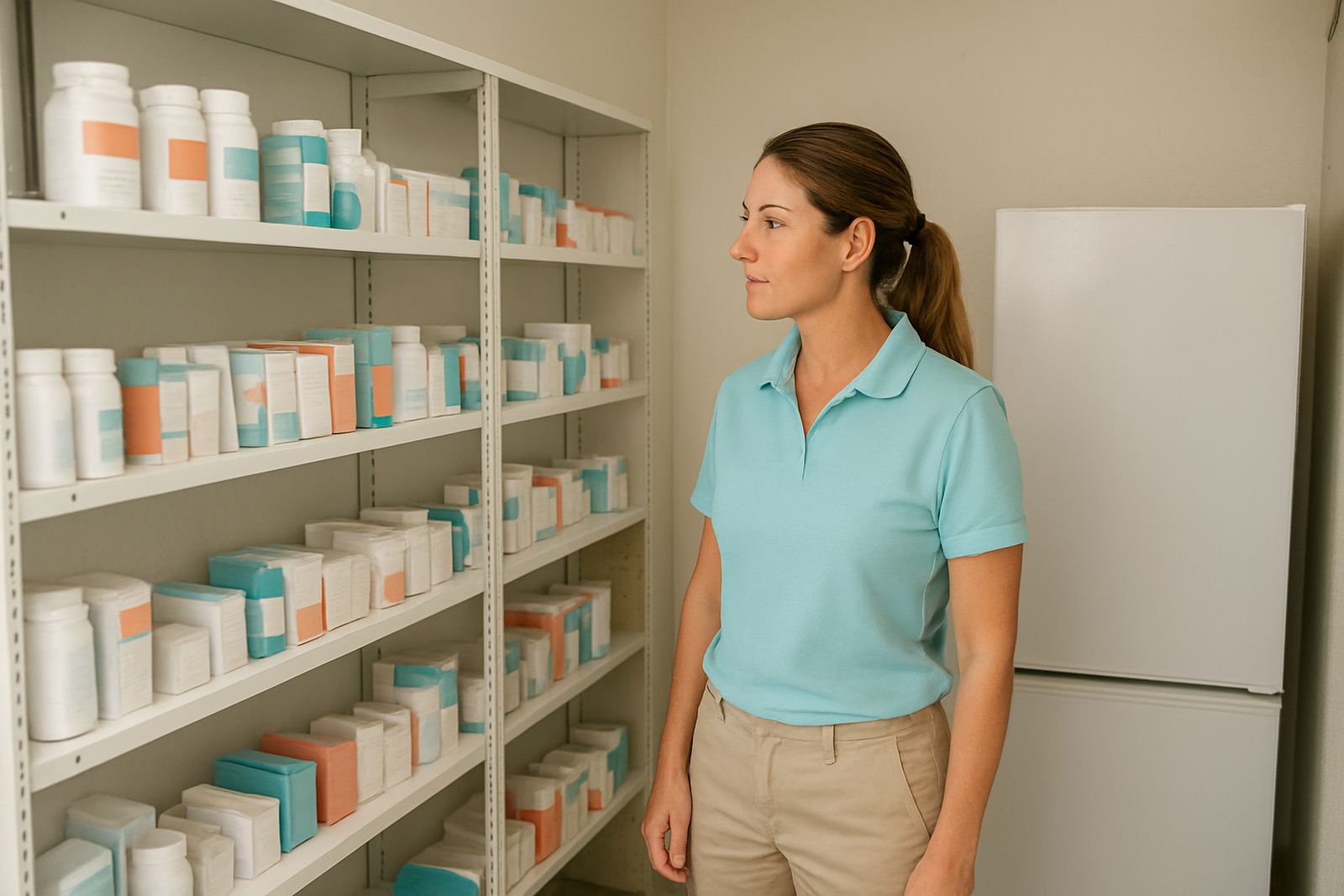
Medicine storage areas also pick up heat from lighting, fridges, computers and direct sun through shopfront glass. If a back room is small and packed with cartons, air movement gets blocked and one corner may stay several degrees warmer than the rest. That is when stock control becomes tricky, because the room can pass a quick check but still have hot spots near the ceiling or by the loading door.
Set clear zones for stock, staff and customers
A pharmacy does not need one temperature plan for every space. The medicine store, dispensary, waiting area and front counter all place different demands on the air-conditioning system. A stock room should hold a stable range with limited door opening, while the customer area must stay comfortable even during a busy lunch rush or when the power comes back after an outage.
Good planning starts with the room layout. Keep stock away from external walls that take morning sun, and leave space around return air paths so the unit can breathe. If a pharmacy also stores vaccines, test kits or other sensitive products, that area should be monitored separately and checked against the supplier’s storage instructions. A single wall unit or split system is often not enough on its own if the room has poor insulation or constant door traffic.
- Separate medicine storage from the public counter where possible
- Keep cartons off the floor and clear of vents
- Use curtains, strips or self-closing doors on high-traffic openings
- Check that light fittings and fridges are not adding unnecessary heat
How maintenance protects medicine and customer confidence
When a pharmacy air-conditioner loses gas, has a blocked drain, or runs with dirty filters, the effect is usually gradual. The unit still blows air, but it may take longer to cool and it may stop removing humidity properly. In Durban that can lead to a stuffy dispensary, condensation on cold surfaces and a harder working compressor. Left too long, the system uses more power and breaks down at the worst time, often on a humid Friday afternoon or after load-shedding.
Planned maintenance should cover cleaning, temperature checks, leak detection, electrical fault finding and a look at controls and sensors. Filters need regular attention, coils must be kept clear, and drain pans should be checked so water does not collect in the ceiling or on the floor. For pharmacies in older buildings, it is worth testing whether the unit is sized correctly for the current room use, because a fit-out change or extra fridge can alter the cooling load quite a bit.
What to record for compliance and audits
Temperature logging is not just a box-ticking exercise. It gives the pharmacy a record of what happened during heat waves, outages and maintenance visits. If a product is questioned later, logs can show whether the room stayed within the required range or when a fault started. That matters for managers, owners and staff on the floor who need a clear answer quickly.
For practical compliance, keep the process simple and consistent. Check the room at set times, note any doors left open, and log power interruptions. If an alarm sounds, someone should know who to call and what backup steps to take. A written record also helps when municipal power issues or generator changeovers affect the site, because it shows whether the cooling system recovered properly afterwards.
- Record temperature at the same times each day
- Note load-shedding, power dips and generator starts
- Keep service reports with the log sheets
- Act quickly on any repeated high readings
Backup planning for outages and hot spells
Many pharmacies along the KZN coast rely on a mix of mains power, backup power and careful operating habits. When load-shedding hits, the main risk is not only the loss of cooling but the heat that builds up after the doors have been opened several times. A room can warm faster than people expect, especially in summer when outside temperatures stay high well into the evening.
A sensible backup plan includes knowing how long the room can hold temperature, which equipment must stay live first, and who checks the site after power returns. If there is a generator, the air-conditioning load should be tested under realistic conditions. If there is no generator, the pharmacy may need tighter operating controls, such as reducing door opening, moving stock to a more stable room and calling for a fast response when readings start to drift. In coastal humidity, an hour of delay can make a noticeable difference.
A Durban example: keeping a busy branch steady through summer
A pharmacy in Durban North may have a cool front counter in the morning, then face warm air from glass doors, delivery traffic and a back room full of cartons by mid-afternoon. If the stock room shares a wall with a storeroom or a kitchenette, extra heat can creep in without anyone noticing. By the time the evening shift checks the readings, the room may already have spent several hours outside the target band.
That is where a service contract helps. Regular visits can pick up weak fan motors, dirty filters, low gas charge and ageing controls before they turn into stock loss. Coastal Cooling Systems works across Glen Anil, Durban North, Umhlanga, Pinetown, Ballito and the South Coast, with planned maintenance and breakdown call-outs for pharmacy spaces that need careful temperature control. For owners, the value is simple: fewer surprises, less waste and a room that stays fit for medicine and for customers too.