Why stockroom humidity becomes a storage problem
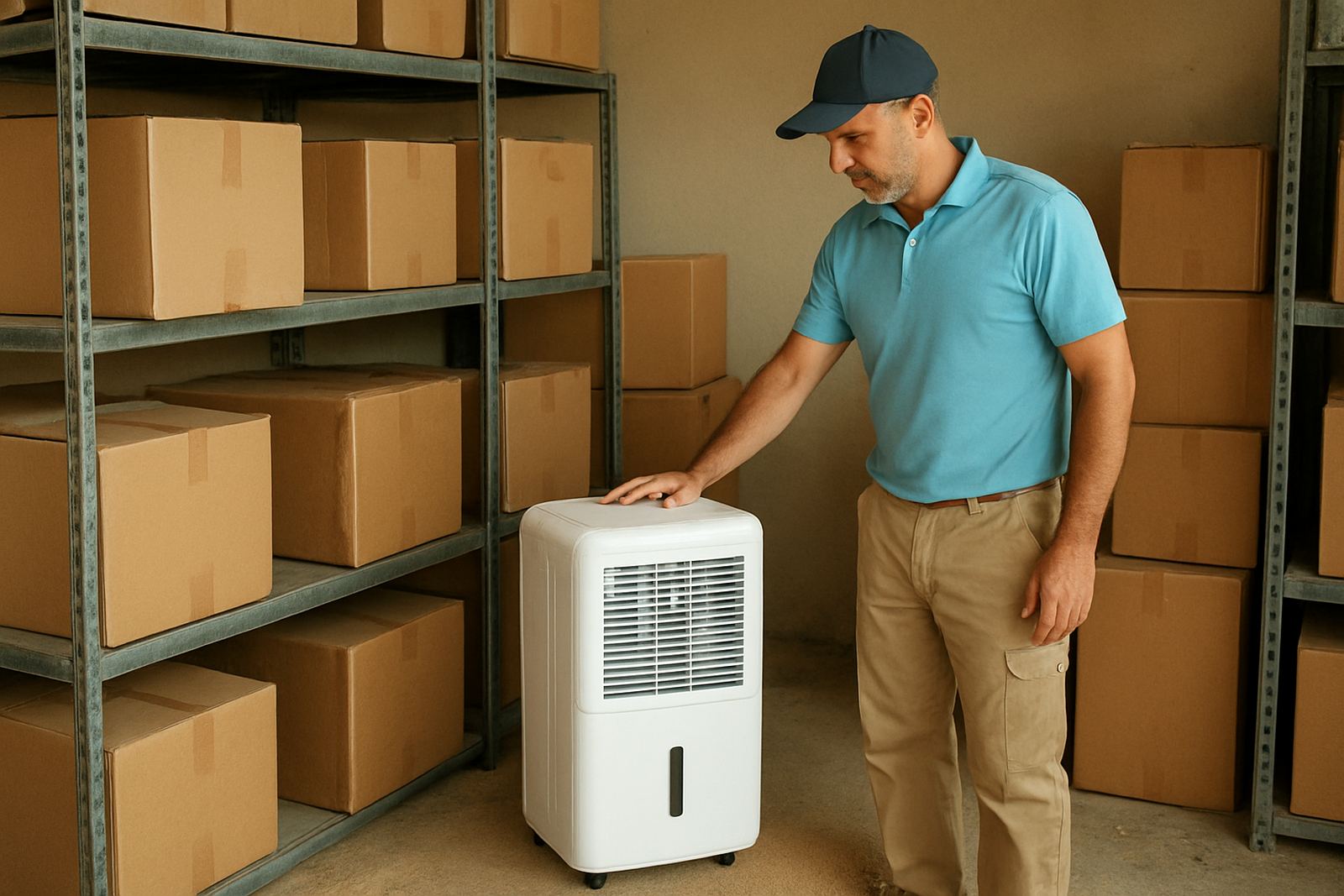
In Durban and along the KZN coast, humidity is not a once in a while issue. Warm sea air moves into loading areas, roller doors open all day, and moisture settles on cooler surfaces after the sun goes down. If a stockroom is not managed properly, that moisture starts affecting product quality long before anyone notices a visible leak.
Packaging takes the first knock. Cartons lose stiffness, tape does not hold properly and outer sleeves can cockle at the edges. Paper labels curl, ink can smudge, and barcodes become harder to scan. For businesses that move stock quickly, that small change becomes wasted time and more handling.
Comfort matters too. Staff working in a hot, damp storeroom tire faster, make more mistakes and tend to leave doors open longer than they should. That extra door time pulls more warm air in, and the cycle keeps going.
- Soft cartons are harder to stack safely
- Condensation can mark labels and documents
- Moisture helps rust start on racking and fixings
- Warm damp air makes stockrooms uncomfortable for staff
What moisture does to packaging and labels
Most stockrooms hold a mix of cartons, wrapped products, manuals, tags and printed labels. None of these behave well in high humidity for long. Even when there is no standing water, the air itself carries enough moisture to weaken paper-based packaging and affect adhesive performance.
On the Durban North side, and in areas close to the coast like Umhlanga and Ballito, we often see stockrooms where cartons pick up moisture overnight. In the morning they look fine, but by mid-morning the edges have softened and the stack loses shape. That is when pallets start leaning and the warehouse team has to rework the load.
Labels are another weak point. If the stockroom is cooler than the loading bay, condensation can form on packs as they are moved in and out. Once that happens, labels begin to lift and traceability becomes a problem. For food service, pharmacy support stock, spare parts and retail goods, that creates avoidable handling issues.
- Keep cartons off the floor on dry pallets or shelving
- Use moisture-resistant packaging where stock stays for longer periods
- Check labels at receiving and again after overnight storage
- Separate warm incoming stock from cooler stored stock
The comfort factor for staff and visitors
A stockroom is not a showroom, but people still work there for hours at a time. When humidity stays high, the room can feel sticky and warmer than the thermometer suggests. Workers sweat more, move slower and are more likely to prop open doors. That might feel like a simple habit, but it lets in even more humid air from outside.
For premises in Pinetown or inland parts of the route to the South Coast, the problem often shows up differently. The air may be slightly drier during some parts of the day, then jump in humidity after rain or when doors open to loading bays. If the room is already poorly ventilated, comfort drops fast and cooling units have to work harder.
A good stockroom should be practical to work in. Lighting, air movement and temperature control all affect how well people handle goods. If a room is too damp, staff may rush the job and skip checks. That is when stock gets damaged without anyone meaning to do it.
Simple habits help more than many businesses expect. Keep doors closed where possible, reduce unnecessary pallet breaks, and avoid storing heat generating equipment in the same room as sensitive packaging or goods. If the room is used for dispatch, make sure the loading pattern does not leave doors open for long periods.
How humidity affects equipment and stored goods
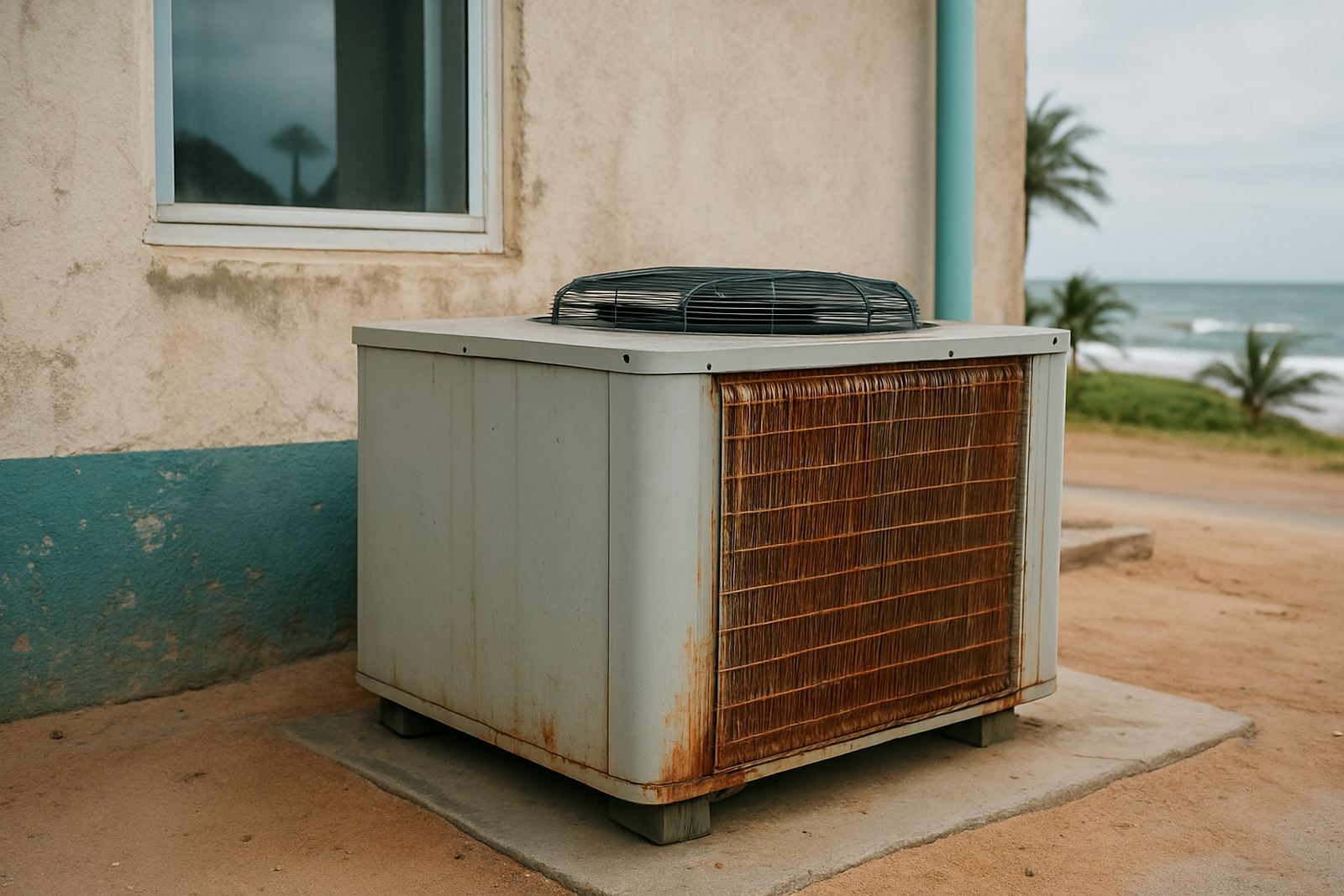
Humidity is not only about comfort and packaging. It also affects equipment performance. Electrical faults are more likely where moisture builds up, especially on terminals, control panels and exposed fittings. In a stockroom with cooling equipment, damp air can also encourage corrosion on coils, brackets and fasteners.
Where cold rooms or freezer rooms are near the stock area, any air leak around panels or door seals can drag moist air into the space. That air then condenses on colder surfaces. Over time, ice build-up, dripping and uneven temperatures can follow. The end result is more strain on compressors and more call-outs when load-shedding or power interruptions already make life harder.
For display chillers and refrigerated holding areas, moisture control matters because the equipment is trying to do two jobs at once, keep the product cool and manage the air in the room. If the stockroom itself is humid, the system works longer and cycles more often. That costs money and shortens service life.
Any business storing temperature-sensitive goods should look at the whole path, not just the cabinet or room. Goods move from receiving bay to stockroom to display or dispatch. If one part of that chain is wet or warm, the rest feels the effect.
A Durban example from a busy coastal stockroom
At a distribution site in Glen Anil, the team had a recurring problem with soft cartons and lifting labels after weekend rain. The stockroom was close to a loading area, with frequent door openings and a lot of movement on Mondays. Staff assumed the issue was the packaging supplier, but the real cause was humid air entering the room overnight and settling on cooler surfaces.
After a proper check, the room was separated into cleaner storage zones, door-open time was reduced, and the temperature and humidity pattern was tracked across a full working week. Small air leaks around access points were corrected, and the maintenance schedule was adjusted so the refrigeration and air-conditioning plant was checked before the hottest part of the season. The changes were practical, not complicated, and the difference showed up in the stock count. Less damage, fewer relabels and a better working room.
This is common along the coast because the weather shifts quickly. A stockroom can seem fine at 7 am, then start sweating by lunchtime when the outside air warms up. The fix is usually a mix of maintenance, control and good housekeeping rather than one big piece of equipment.
- Track humidity during hot and wet periods, not only temperature
- Inspect seals, doors and wall penetrations for leaks
- Service cooling equipment before summer peaks and holiday load
- Review how often the stockroom door stays open during receiving
What to check before damage becomes routine
If packaging feels soft, labels fail to stick or the room smells damp, do not wait for a bigger fault to appear. Start with the basics. Look at the door seals, the loading pattern, the condition of the drains and whether the equipment is sized correctly for the room and the stock turn. A system that coped five years ago may now be under pressure because the site has grown or the usage pattern has changed.
Businesses in Durban North, Umhlanga, Ballito, Pinetown and the South Coast often face the same mix of challenges: heat, sea air, power interruptions and busy receiving schedules. The answer is usually not more guesswork. It is regular maintenance, temperature logging, leak detection and prompt fault finding when something drifts off target.
At Coastal Cooling Systems, we work with stockrooms, cold rooms, freezer rooms and commercial air-conditioning across the KZN coast. For a stockroom that stays dry enough to protect packaging and comfortable enough for staff, the details matter. A clean seal, a working drain and a serviced unit can save far more than they cost.
If humidity is starting to show up in your stockroom, treat it as a maintenance issue now, not a storage problem later.
Simple controls that pay off quickly
The good news is that stockroom humidity can usually be brought under control without major disruption. A few changes often make a visible difference within days, especially in coastal conditions where moisture enters from outside and builds up inside during busy periods.
- Keep the room closed as much as possible during receiving and dispatch
- Service air-conditioning and refrigeration units before peak summer use
- Check for condensation on pipes, panels and ceilings after humid weather
- Use planned maintenance instead of waiting for breakdown call-outs
- Record temperature and humidity readings so changes are easier to spot
These controls are straightforward, but they only work if someone keeps an eye on them. In practical terms, that means regular checks, proper cleaning and a maintenance plan that matches the actual workload in the room.