Cold Rooms That Sweat in Humid Weather
Cold rooms and freezer rooms often show the first signs of humidity trouble. Doors open all day, warm air rushes in, and the floor, panels and stored product start collecting moisture. In Glen Anil and Durban North we see this a lot in butcheries, small wholesalers and food stores that are close to the coast. When humidity stays high, ice builds up faster, door seals work harder and the room pulls more power than it should.
A dehumidifier is useful where the room is not just cold, but also exposed to frequent traffic or poor air control around the entrance. It helps reduce condensation on the floor, protect cartons from softening and limit frost on evaporator areas. That means fewer slip risks, less cleaning and more stable temperatures for stock.
- Loading bays where doors stay open during deliveries
- Cold stores with repeated condensation on the inside panels
- Rooms where cardboard packaging goes soft before stock is sold
- Areas where ice on the floor creates a safety issue
Display Chiller Areas in Shops and Forecourts
Display chillers work best when the surrounding air is controlled. If the shop floor is humid, glass fogs up, labels peel and water starts pooling under the unit. In smaller stores around Umhlanga, Ballito and the South Coast, this often happens when air-conditioning is switched off after trading hours or set too high during the day.
A dedicated dehumidifier in the chiller area helps keep the room air dry enough for the refrigeration equipment to do its job properly. It also improves visibility, which matters in retail spaces where customers need to see product clearly. If the room keeps pulling in coastal moisture from open doors or vents, a dehumidifier can be the difference between a tidy retail floor and constant mopping.
- Milk, beverage and deli display zones
- Convenience stores with glass-door chillers near entrances
- Back-of-house prep spaces beside open retail areas
Plant Rooms and Electrical Spaces Near the Coast
Plant rooms, switch rooms and control areas do not need to be wet to be affected by moisture. In coastal humidity, condensation can settle on panels, sensors and exposed cable runs, especially where there is poor ventilation. That is a common cause of nuisance trips, corrosion and unreliable readings.
For commercial sites in Pinetown and Durban industrial areas, humidity control is often cheaper than replacing damaged components after the fact. A dehumidifier is useful where there is no room for extra ducting or where air-conditioning is not meant to run all day. It keeps the air drier around electrical gear and lowers the chance of rust forming on housings, brackets and fasteners.
- Electrical rooms with recurring rust on fittings
- Control panels affected by condensation after night cooling
- Pump rooms and service spaces with limited airflow
Stores, Archive Rooms and Packaging Areas
Not every moisture problem is about refrigeration. Many businesses lose money because paper, labels, cartons, cleaning chemicals and spare parts absorb moisture from the air. In a humid store room, cardboard can sag, sealed packets can feel damp and metal parts can start spotting with rust.
Dedicated humidity control makes sense where stock must stay dry even when the building is closed. This is common in schools, medical stores, hotels and light industrial sites that keep records, packaging or maintenance stock on site. A dehumidifier gives you steadier conditions than opening windows or hoping the ceiling fan will be enough.
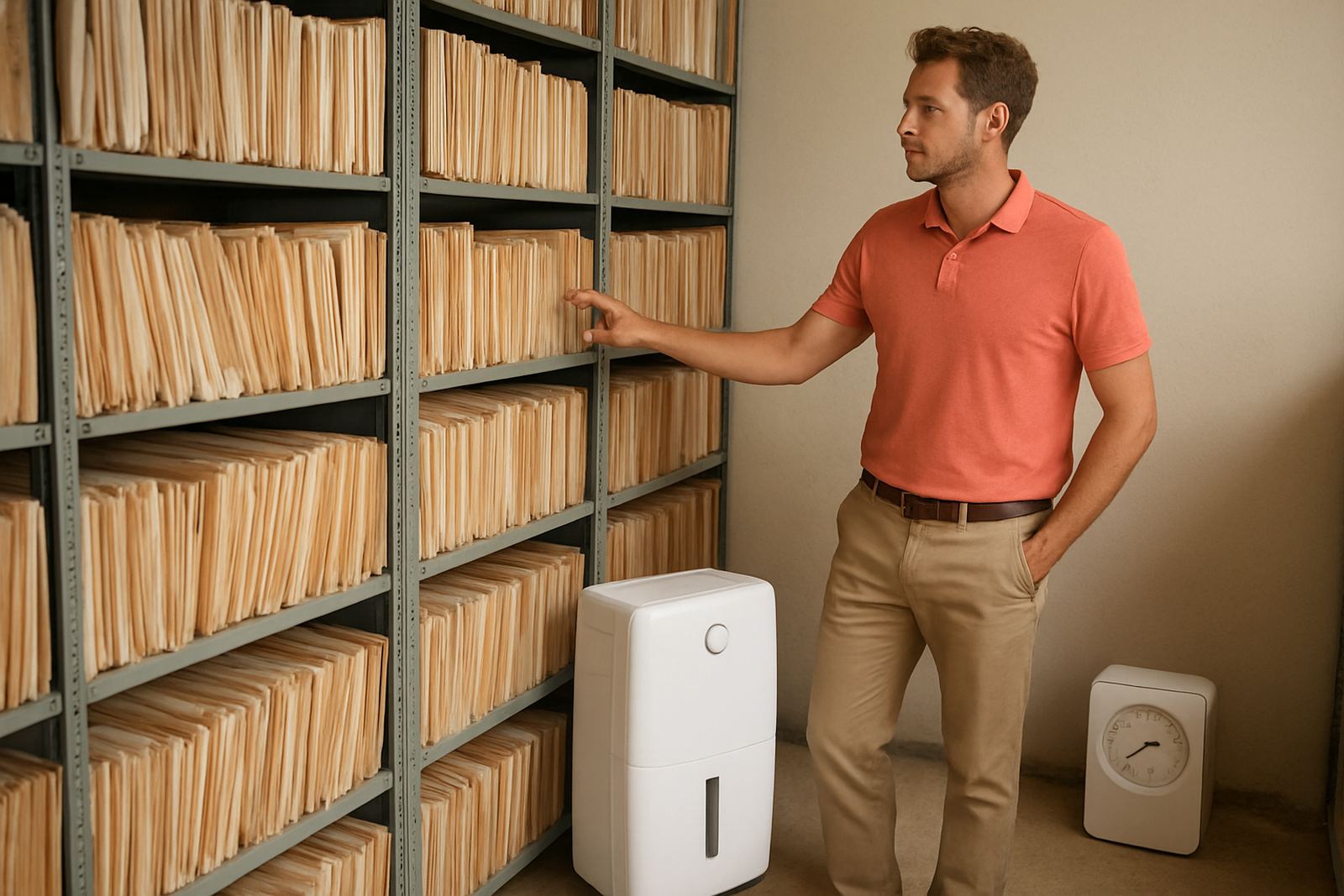
- Archive rooms with paper records and files
- Packaging stores where cartons must hold shape
- Spare-parts rooms with steel fittings and small components
- Cleaning stores where labels and outer packaging must stay dry
Back Kitchens, Prep Areas and Wash Zones
Commercial kitchens create heat, steam and repeated washing, which is a bad mix if the room already suffers from coastal humidity. Even with extraction, some spaces never dry properly. You see it in stained ceilings, peeling paint, mould around window frames and floors that stay damp long after cleaning.
Dehumidifiers are useful in back kitchens, prep rooms and wash-up zones where moisture is part of the daily routine but should not spread into the rest of the building. They help protect ceiling finishes and reduce that clammy feeling staff notice during long shifts. In practice, this can make a big difference in hotels, restaurants and catering spaces from Durban North through to Ballito.
As a local example, a busy takeaway in Glen Anil may have air-conditioning in the customer area but still battle a wet back section where trays are washed and stock is stored. Once the humidity is controlled, the floor dries faster and the smell of damp disappears after closing time.
When a Dehumidifier Is the Right Call
A dehumidifier is not a replacement for proper cooling, ventilation or regular maintenance. It is the right call when the same moisture problem keeps coming back even after cleaning, sealing and adjusting air-conditioning. If the issue is condensation, mould, corrosion or damp packaging, a dedicated unit can target the source instead of just treating the symptoms.
Look out for these signs:
- Windows, panels or doors fog up every morning
- Metal parts rust faster than they should
- Cartons go soft or split in storage
- Floors stay slick after normal cleaning
- There is a musty smell even when temperatures are correct
For many Durban businesses, the real value is fewer breakdown call-outs and less wasted stock. A good humidity plan also supports compliance checks, because dry, clean plant rooms and storage areas are easier to keep in order.
Service Support for Ongoing Moisture Problems
When humidity keeps returning, the equipment usually needs more than a one-off fix. Planned maintenance helps catch blocked drains, leaking pipework, failing seals and electrical issues before they become bigger repairs. It also makes temperature logging and compliance checks easier where food or stock must stay within a set range.
Coastal sites need regular attention because salt air and moisture work together. A dehumidifier may solve the immediate problem, but it should be checked as part of the wider refrigeration and air-conditioning system. That includes airflow, condensate drainage, door seals and how often the room is opened during trading.
For businesses on the KZN coast, the practical approach is simple: match the control method to the space, then keep it serviced. That keeps plant rooms drier, stock safer and the building easier to manage through summer humidity and load-shedding days alike.