Why a door opening costs more than a few seconds
When staff open a cold room door, the problem is not only the warm air that enters. Moisture comes in too, and in coastal areas like Glen Anil, Umhlanga and Ballito that moisture is a constant. Once it gets inside, it settles on the floor, the evaporator and the product packaging, then turns to frost or ice when the temperature drops again.
That means the unit has to remove heat and moisture every single time the door opens. If the door opens 30 times in a morning, the load can be far higher than the original design allowance. The compressor runs longer, defrost cycles work harder, and the room may struggle to hold set point during peak trading hours.
What frequent traffic does to cold room performance
Busy stores, kitchens and distribution points often see the same pattern. Staff rush in and out, doors stay open for too long and the cold room never fully recovers between visits. That creates a hidden temperature swing, even if the controller still shows a normal reading.
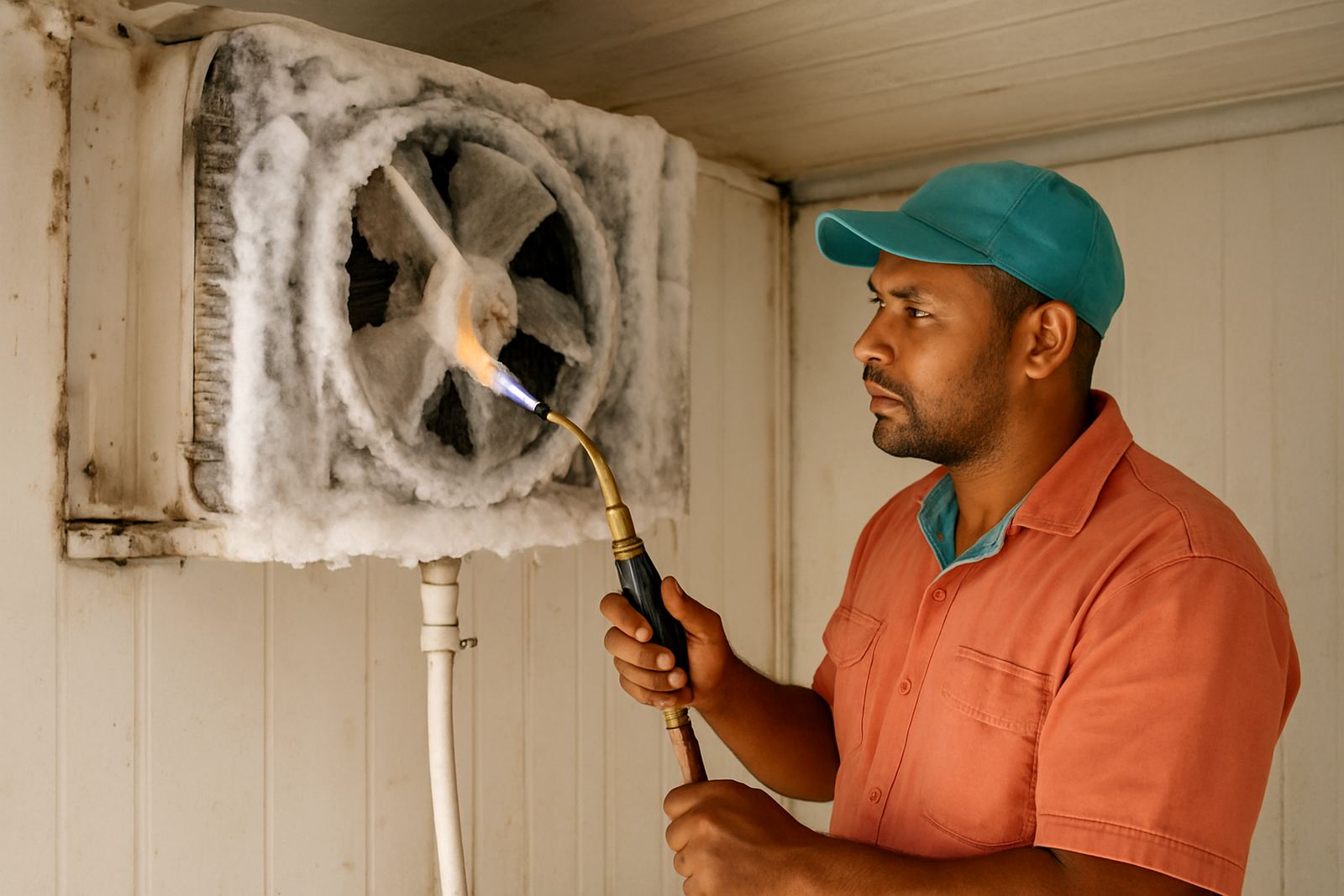
In a freezer room, the effect is worse because every burst of humid air can freeze onto the coil. Over time this reduces airflow and cooling capacity. In a display chiller, the issue shows up as warmer shelves near the doors, sweating glass and drinks that never quite reach the right temperature.
- More compressor run time
- Higher electricity use
- Thicker frost on evaporators
- Temperature drift during service rushes
- Extra wear on door seals and hinges
The main causes we see on Durban sites
Most temperature loss is not caused by one major fault. It is usually a mix of small habits and maintenance issues. A door closer that no longer pulls the door shut, a torn seal, poor loading near the doorway or staff propping the door open while stacking stock can all cause heat gain.
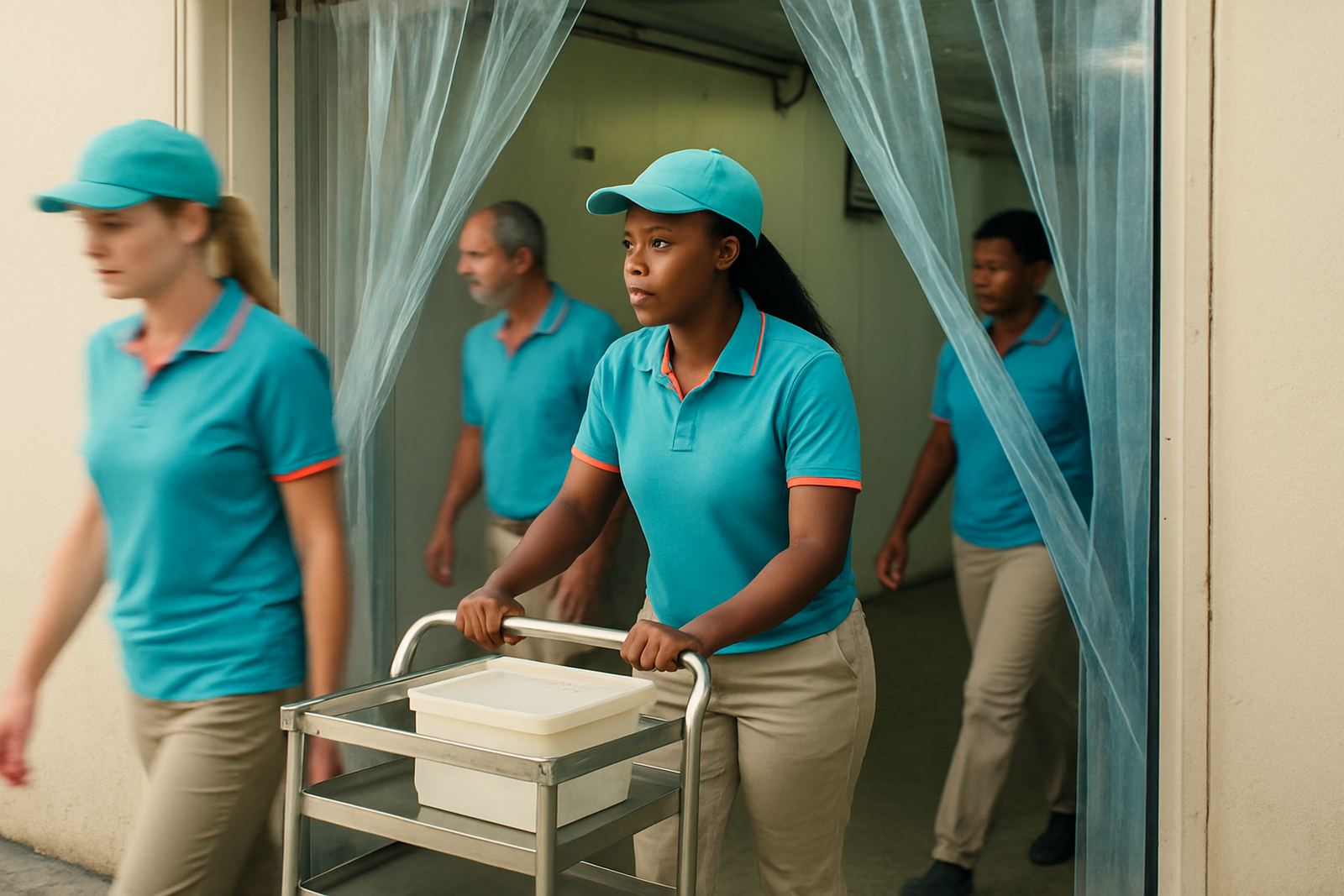
On the KZN coast, humidity makes matters worse. A room may be fine in the early morning then struggle by midday when deliveries, prep work and customer traffic all peak at once. On some sites in Pinetown and Durban North, the problem is made worse by traffic flow, with delivery trolleys blocking the doorway and forcing staff to leave the door open longer than needed.
- Worn or damaged door seals
- Faulty closers or misaligned hinges
- No strip curtains or air curtains where needed
- Stock stacked too close to the opening
- Long loading times during deliveries
- Busy handover points between kitchen and store room
Simple changes that cut heat gain straight away
Not every fix needs a full equipment upgrade. In many cases, better habits and a few practical changes can reduce the load straight away. The goal is to shorten every door opening and reduce the amount of warm, moist air entering the room.
We often advise site teams to treat the doorway like a controlled point, not a pass-through. That means planning what goes inside before the door opens, and making sure staff can move quickly once it does open. In a food business that can save product and reduce nuisance call-outs.
- Keep stock rotation clear so staff do not hunt inside the room
- Fit or repair strip curtains where traffic is high
- Check that doors close properly every time
- Keep the floor area in front of the door clear
- Train staff to avoid standing in the doorway
- Log peak opening times so patterns can be fixed
Why equipment checks matter more during load-shedding
Load-shedding changes the picture because every minute of lost power puts extra pressure on recovery once supply returns. A cold room that already battles frequent door openings can fall behind quickly after an outage. If the door has been opening through the shift, the room may already be near its limit before the power cuts begin.
After power returns, it is worth checking pull-down times, controller history and temperature logs. A room that takes too long to recover may have a seal problem, low gas, dirty coils or a door traffic issue that only becomes visible during busy periods. On commercial sites, especially where product must stay within strict temperature limits, that check should not be left to guesswork.
A Durban example: a busy freezer room in Glen Anil
One Glen Anil site with heavy dispatch traffic had a freezer room that seemed to be running normally. The staff were seeing ice around the door frame, though, and the power bill had crept up over a few months. The controller readings looked acceptable most of the day but the temperature was drifting during stock pulls and early morning loading.
After a site inspection, the issue was traced to several small problems at once. The door seal had wear on the lower section, the closer was not shutting cleanly and pallets were being staged too close to the opening. Once the seal was replaced, the closer adjusted and loading space reorganised, the room held temperature better and defrost demand dropped. That kind of fix does not sound dramatic but it makes a real difference in a humid coastal climate.
How Coastal Cooling Systems helps keep traffic under control
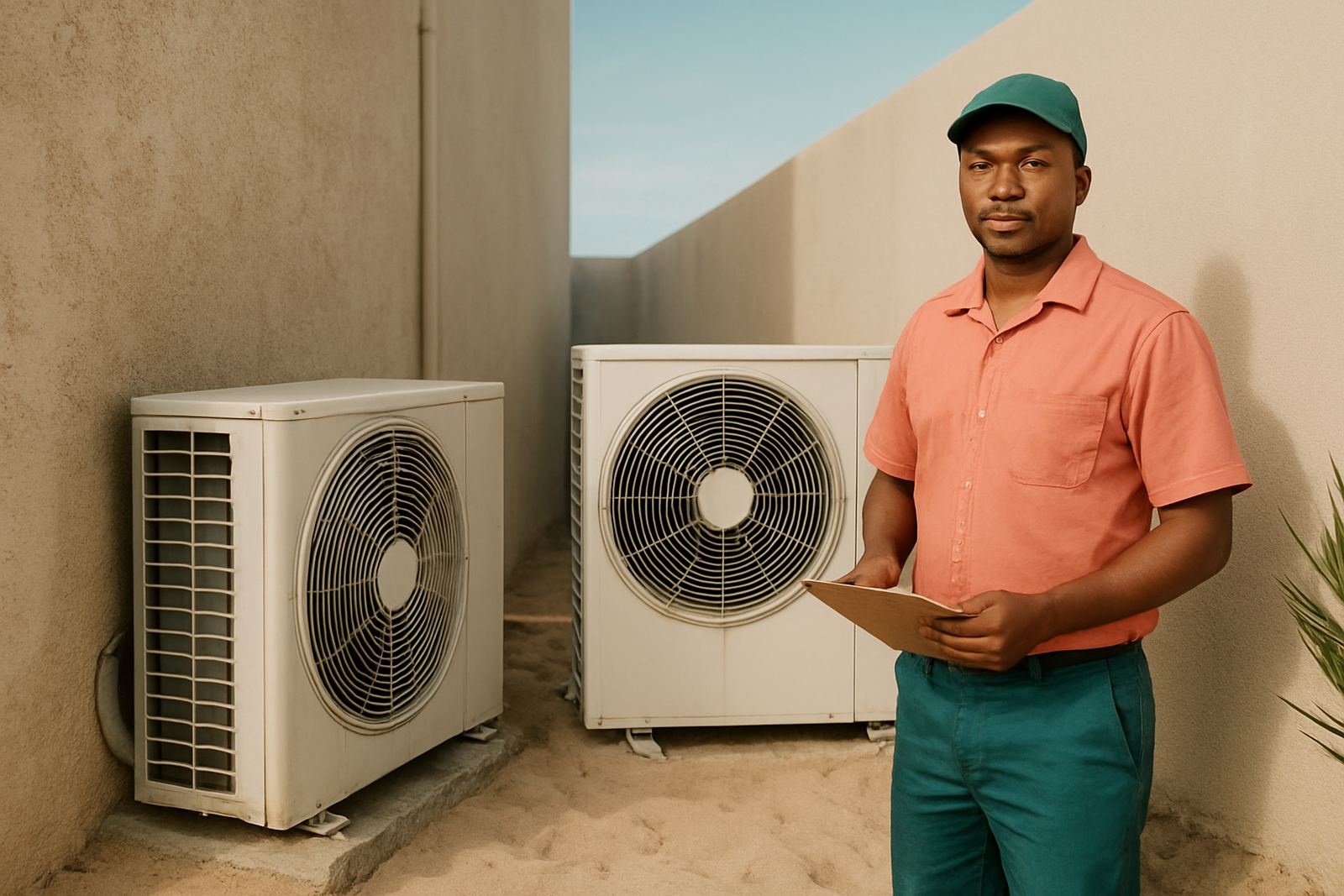
Our team handles planned maintenance, breakdown call-outs and service contracts for cold rooms, freezer rooms, display chillers and commercial air-conditioning across Durban, Umhlanga, Ballito, Pinetown and the South Coast. When door openings are causing heat gain, we look at the whole system, not just the symptoms. That includes seals, hinges, closer action, evaporator condition, electrical faults and temperature logging.
For busy sites, we can also help set up a maintenance schedule that fits trading hours and delivery patterns. If needed, we check compliance items, spot recurring traffic problems and recommend practical changes that suit the space. A cold room should recover quickly after each opening. If it does not, the doorway is usually telling you something useful.