Start with the real cost, not the first quote
A repair quote can look cheaper on paper, but that does not always mean it is the better choice. If a unit is already old, struggling in Durban humidity and using more power than it should, the money spent on repairs can stack up fast. The right call is to compare the repair cost with the likely cost of more call-outs, higher electricity use and lost stock or downtime.
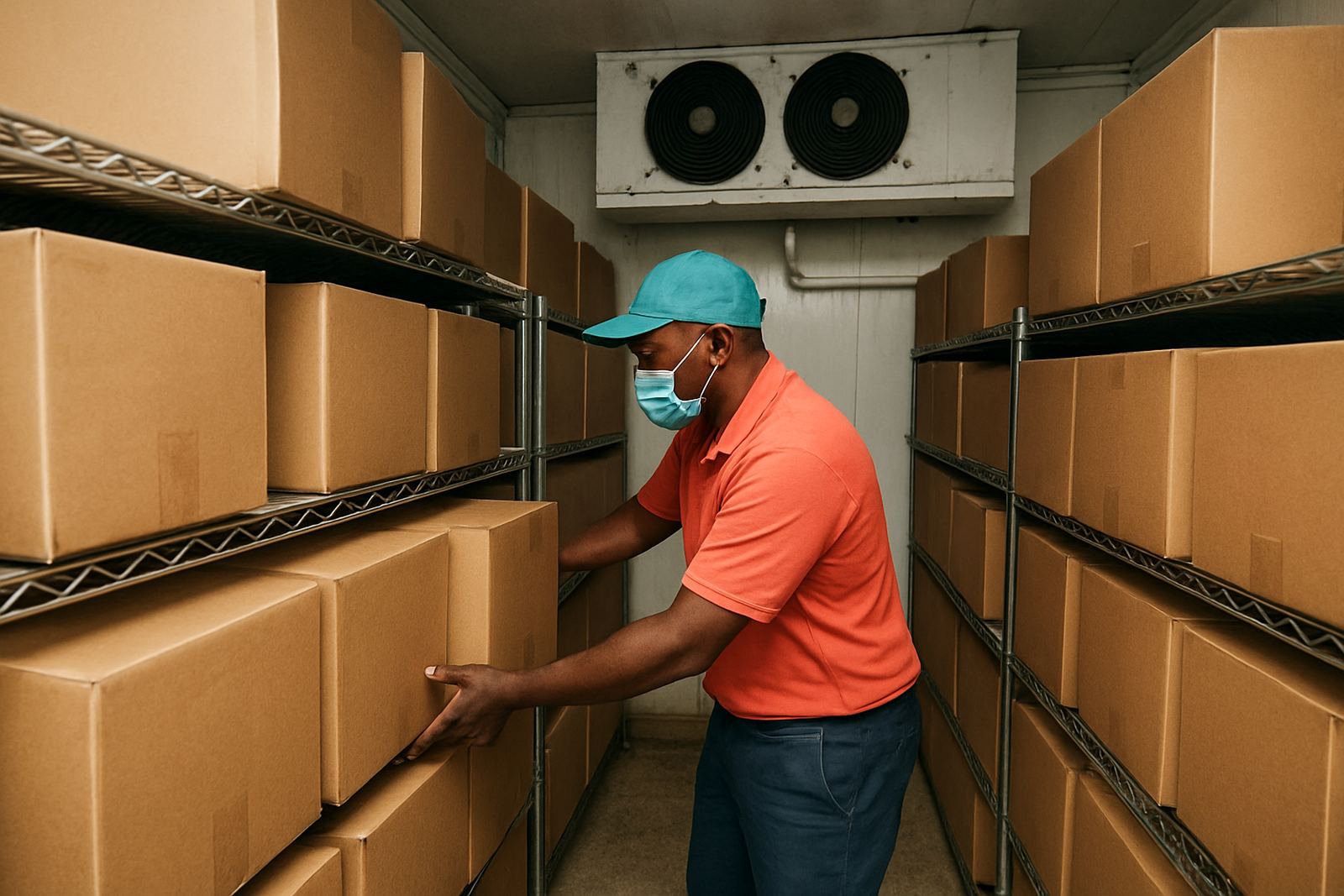
For commercial refrigeration, the impact is immediate. A display chiller in a shop at Umhlanga that is running warm can affect product life in one day. A freezer room in Glen Anil with weak door seals or failing controls can cost far more in spoiled stock than the price of a replacement part. That is why we look at the full picture, not just the fault on the day.
- How old is the equipment and what condition is the compressor, fan motors and controls in?
- How often has it needed repairs in the past 12 months?
- Is it still holding temperature reliably during peak heat?
- What will the next six to 18 months of maintenace likely cost?
Age tells you a lot, but not everything
Age is a useful guide, yet a well kept system can outlast a neglected one by years. A cold room installed in 1998 and serviced properly may still be worth repairing if the structure is sound and the refrigeration set-up is stable. But if the unit has repeated leaks, poor insulation and a tired electrical panel, replacement may be the more practical route.
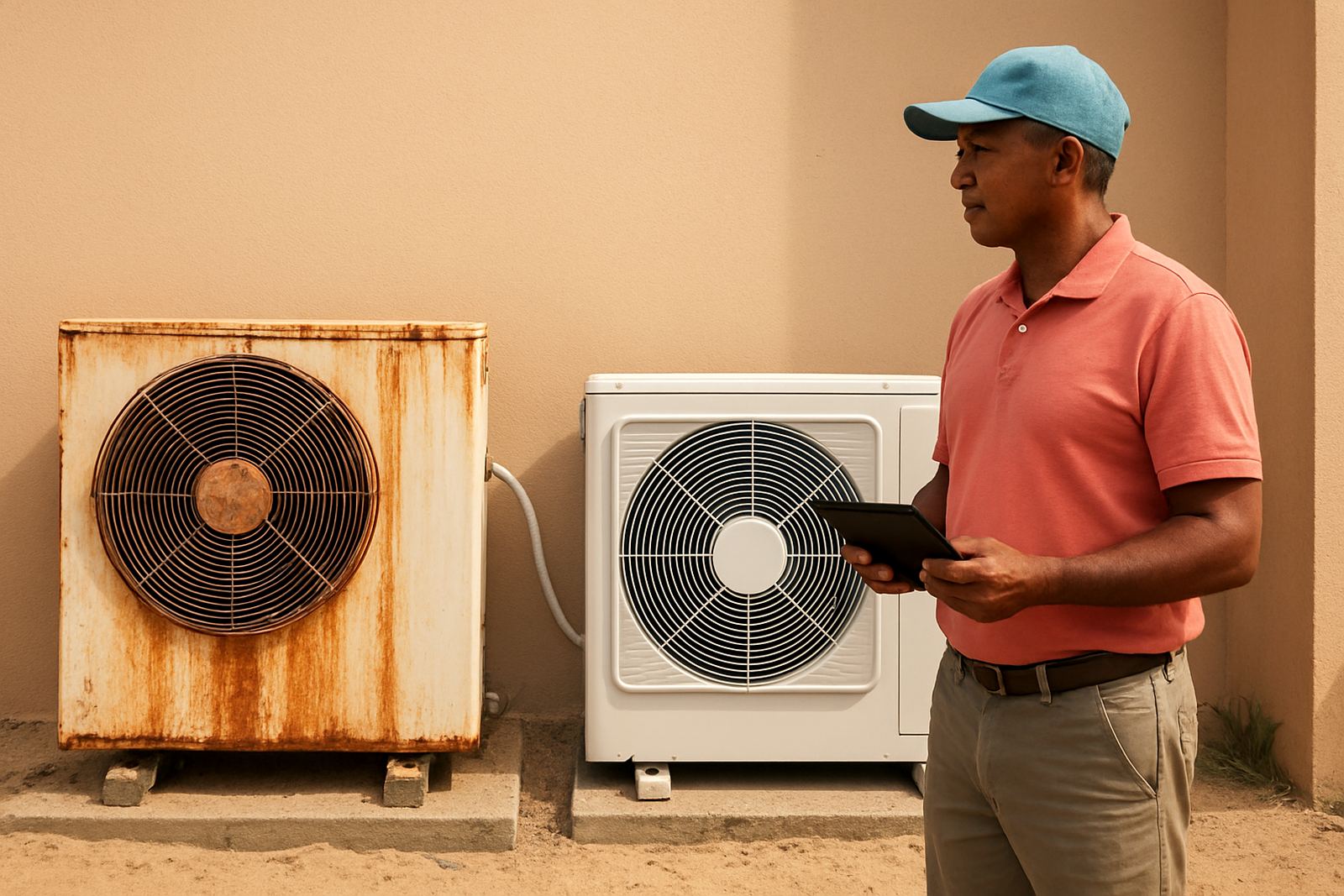
We usually ask clients to think about the equipment in three bands. Under about five years old, repair is often sensible unless there is major damage. Between five and ten years, the decision depends on service history and performance. Beyond ten years, you need to be honest about future spend, especially on sites near the coast where salt air and moisture work against electrical parts and steelwork.
- Signs age is becoming a problem: noisy compressors, short cycling, frost build-up and uneven temperatures
- Signs the unit may still be worth saving: good cabinet condition, stable temperatures and only one or two isolated faults
- Signs replacement is safer: repeated gas loss, burnt wiring, weak insulation or outdated controls
What the equipment is telling you on site
A practical inspection says more than a model number. If a freezer room is taking too long to pull down after loading, or a chiller is fighting to keep temperature on hot afternoons in Ballito, there may be a deeper issue than one failed component. Door seals, evaporator condition, electrical faults and airflow all matter.
We also look at how the unit behaves during load-shedding or generator changeover. Some systems recover well. Others struggle, then run flat out for hours and wear themselves out faster. If that happens often, replacing a weak unit with a better sized system can cut call-outs and reduce product risk.
- Check for warm spots inside the room or cabinet
- Listen for unusual cycling, rattles or fan noise
- Look for oil stains, icing on pipes and water where it should not be
- Review whether the controls still give accurate readings and logging
When repair makes sense
Repair is often the best choice when the fault is limited and the rest of the system is healthy. A failed contactor, a worn fan motor, a blocked drain or a bad thermostat can usually be sorted without replacing the whole unit. The same applies when the equipment is newer and still within a reasonable service life.
For many businesses, a good repair is the fastest way to protect stock and keep trading. A bakery in Pinetown with a display chiller issue may only need electrical fault finding, a refrigerant leak test and a service clean to get back on track. If the unit is otherwise sound, there is no reason to replace it early.
Repair also makes sense when budgets are tight and the system is still reliable. The point is to spend money where it gives real value, not simply to change equipment because a fault appeared once.
When replacement saves money over time
Replacement becomes the better option when the unit is old, unreliable or expensive to keep patching. If a cold room has had several breakdowns in a short period, or if the air-conditioning system is using too much power and still not cooling properly, you are already paying for the next failure. In those cases, a new install can be cheaper over the life of the plant.
This is especially true for commercial and industrial air-conditioning systems where parts are hard to match and repairs become increasingly frequent. Older equipment may also struggle with current temperature demands, particularly in stores, kitchens and production spaces where people, ovens and machinery add heat all day.
Replacement also helps where compliance is a concern. If the temperature logging, maintenance record or electrical condition is no longer acceptable for your operation, it is better to move to equipment that gives you cleaner records and fewer surprises.
- Repeated call-outs for the same fault
- High electricity bills with poor cooling output
- Frequent temperature swings in rooms or cabinets
- Parts that are difficult to source or no longer economical
A Durban example: the wrong fix can cost twice
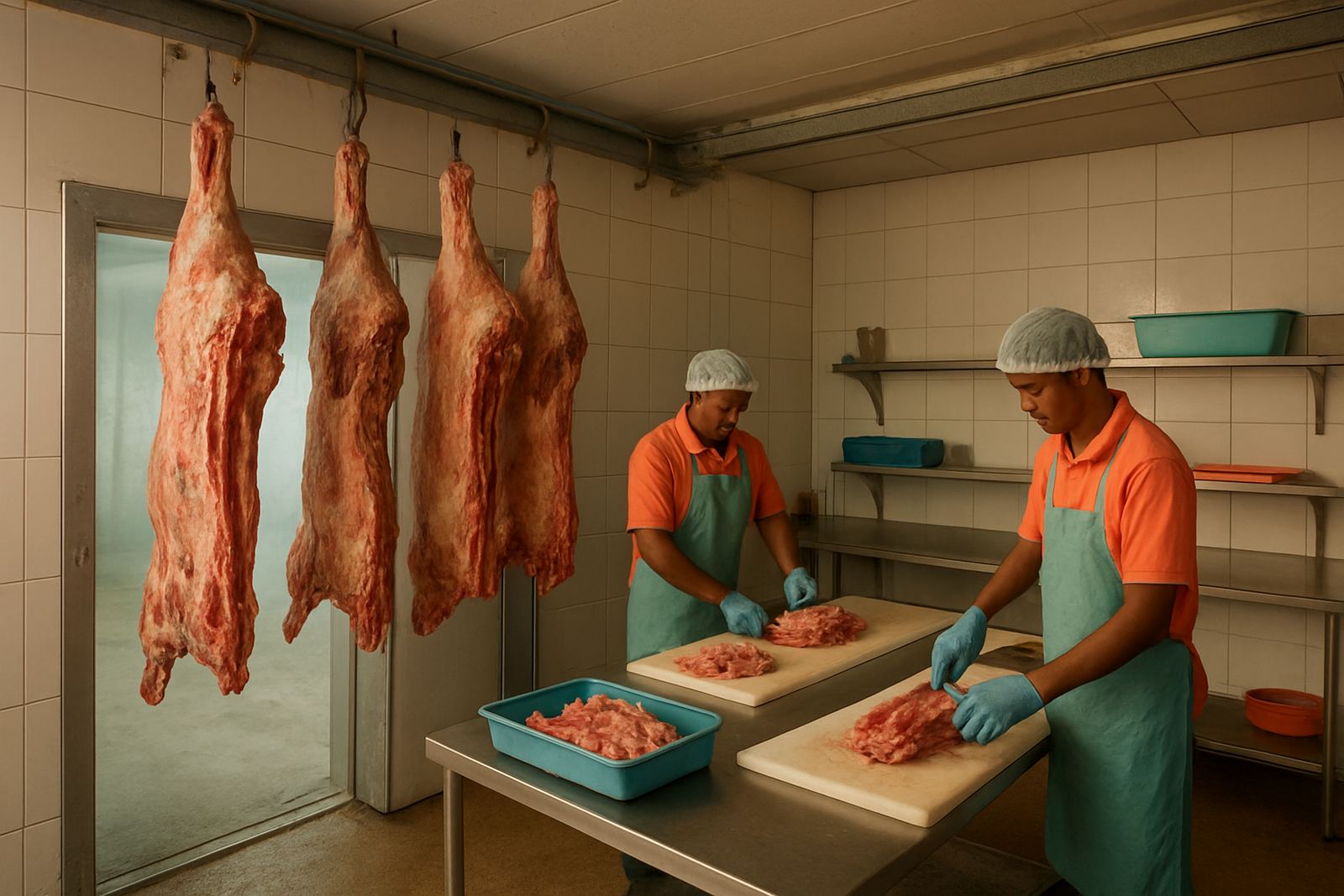
We recently looked at a freezer room for a food business on the Durban North side. The unit was not very old, but it had been carrying a leaking section, a tired fan motor and poor door closing for months. The owner was keen to repair only the obvious fault and move on. After checking the temperature history, running draw and maintenance record, it was clear the system could still be saved, but only with proper leak detection, electrical fault finding and a planned service visit.
Because the room structure was sound and the plant had not reached the end of its life, repair was the sensible option. If the same room had shown insulation failure, regular compressor trips and major corrosion, replacement would have made more sense. That is the point of a proper inspection, you avoid paying twice for the same problem.
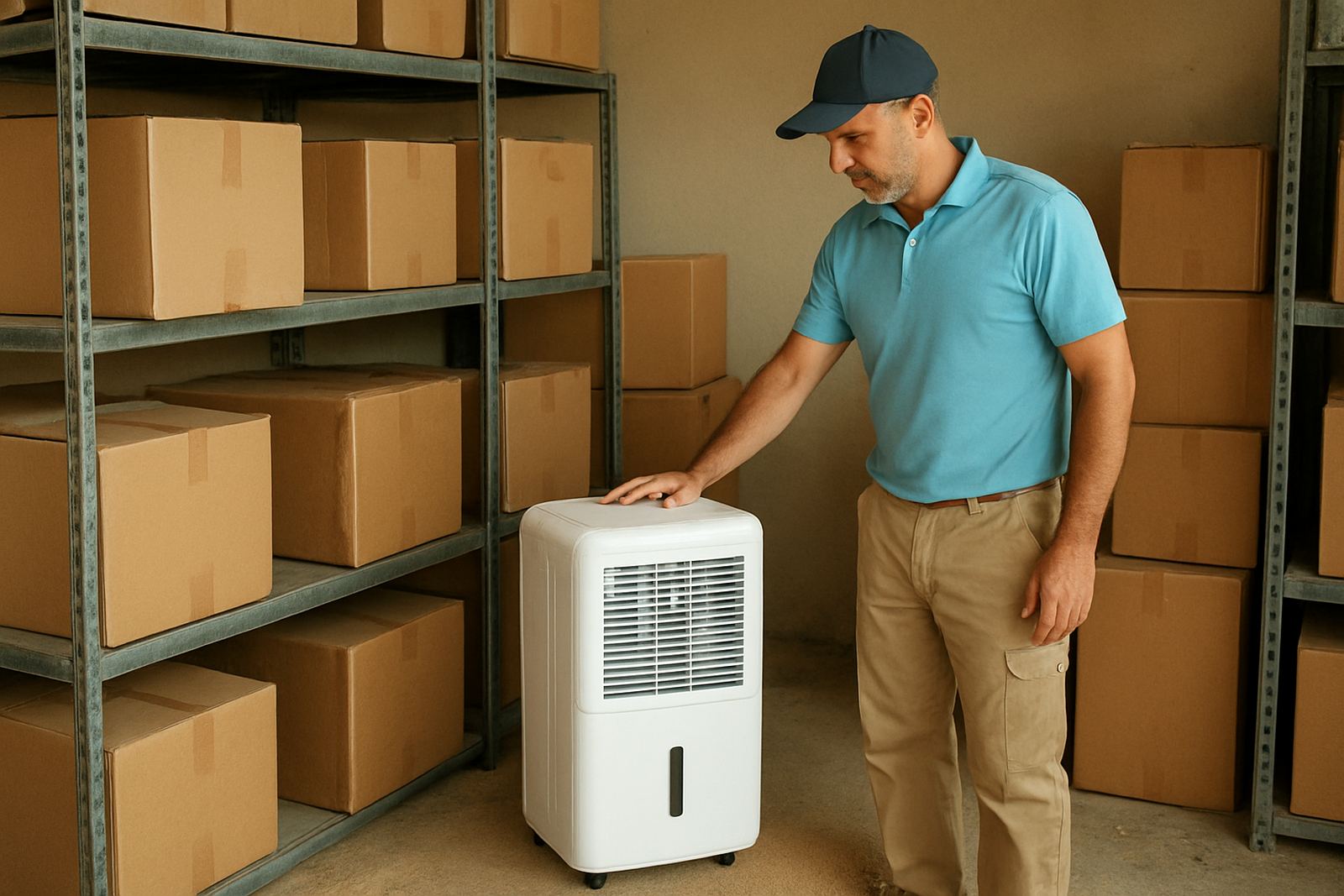
In KZN, coastal humidity and summer heat can turn a small fault into a full shutdown quickly, so quick decisions based on guesswork often end badly.
How to decide before the next breakdown
The best time to decide between replace or repair is before a failure shuts the business down. A planned assessment gives you a clear view of condition, likely running costs and what maintenance will be needed if you keep the unit going. It also helps you budget properly instead of reacting under pressure.
For owners and managers, a simple rule works well. If the system is young, the fault is isolated and performance is otherwise good, repair. If the unit is old, unreliable and already costing more than it should, replace. If you are not sure, get a site visit and compare the numbers honestly.
Coastal Cooling Systems works across Glen Anil, Durban North, Umhlanga, Pinetown, Ballito and the South Coast, with service contracts, breakdown call-outs and scheduled maintenance for cold rooms, freezer rooms, display chillers and air-conditioning. A practical inspection now can stop bigger costs later.