What Temperature Logging Actually Tells You
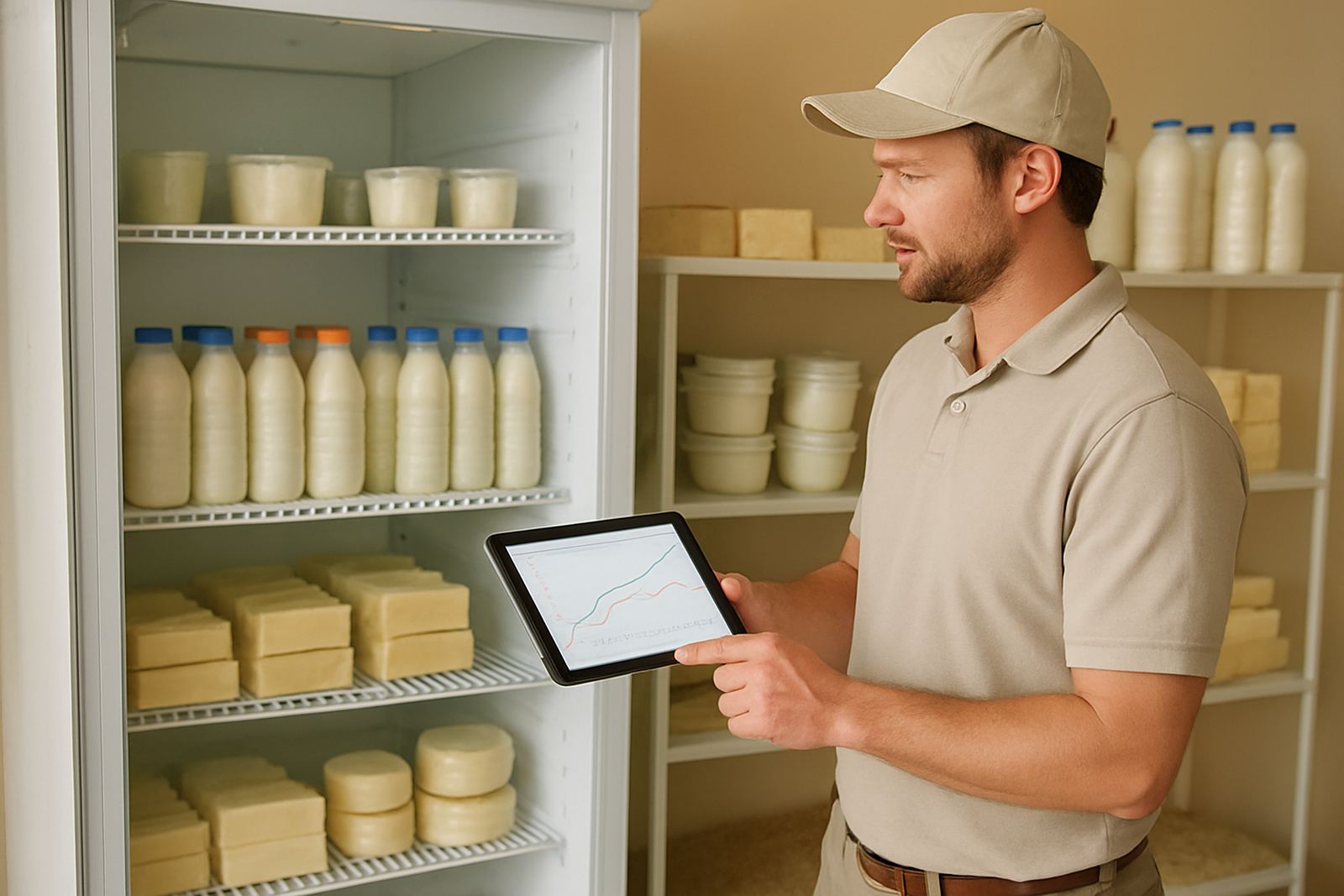
Temperature logging is the habit of recording temperatures at set intervals, either by hand or with a fitted recorder. In practical terms, it shows whether a room held its set point, drifted during peak trade, or warmed up during a power interruption. That detail matters because a single reading taken at 10:00 can look fine while the product was already under stress at 02:00 or just after lunch when doors stayed open longer.
For cold rooms and freezer rooms in Durban, the value is even higher because heat, humidity and frequent door movement all work against the system. A clean trend record gives you the story behind the numbers, which is what managers, auditors and insurers usually want when there is a stock issue. It also helps your service team see whether the problem was gradual, sudden, or linked to a particular event.
Well kept records also make staff more consistent. If the night team sees the room creeping up by 2 C over three hours they can report it before stock is affected, instead of waiting until the next morning when product is already soft or sweating. That is the difference between early action and a costly write-off, simple as that.
Why Durban Conditions Make Records More Important
Along the KZN coast, refrigeration and air-conditioning systems work harder than many business owners expect. Warm sea air, salty conditions and load-shedding all put pressure on equipment. A display chiller in Umhlanga or a freezer room in Durban North may have no visible fault, yet the temperature trend can reveal that the door heater is weak, the condenser is dirty, or the unit is short cycling during busy trading hours.
In coastal areas, compliance and stock control often depend on having proof, not memory. If a municipal inspector, food safety auditor, or insurance assessor asks whether a product was held at the correct temperature, a written or digital log is much stronger than a verbal explanation. It also protects honest operators when a customer questions why goods were rejected after delivery.
We often find that businesses in Pinetown, Ballito and the South Coast are good at calling for repairs but less consistent about logging. The result is that the same fault repeats because no one has the full picture. A trend record closes that gap and gives your team facts to work with.
- Shows when the temperature moved, not just that it moved.
- Helps separate operator error from equipment fault.
- Supports stock claims, audits and internal reviews.
- Makes after-hours breakdowns easier to trace.
How Logging Helps During Breakdowns and Load-Shedding
When a room fails after a power cut, the question is not only whether the compressor restarted. You also need to know how long the product sat outside range, whether the cabinet recovered in time, and whether the battery backup or generator held the load. Temperature logs give a timeline for that. Without it, you are guessing, and guessing can cost money fast.
For example, a freezer room in Glen Anil may receive power again after load-shedding, but if the evaporator fans delay restarting or a contactor sticks, the room can continue warming while everyone assumes it is fine. A logging record would show the rise clearly. That allows the technician to test the right components first, instead of spending hours chasing a fault that is not there. It saves call-out time and helps reduce repeat visits.
Trend records are also useful after short interruptions. A room might stay within limit on paper but still show sharp swings that shorten shelf life. Fish, meat, dairy and prepared meals are all sensitive to those swings. If you are carrying high value stock, the log becomes part of your protection plan.
- Confirms how long the room stayed out of range.
- Shows recovery time after power returns.
- Helps identify weak controls, fans or sensors.
- Reduces arguments about whether stock is still fit for sale.
What Good Logging Looks Like On Site
Good logging does not need to be complicated. It does need to be regular, legible and tied to the right room or cabinet. A manual sheet signed by staff at fixed times can work, but only if people actually do it. A recorder fitted inside the room is better for continuous tracking and for spotting changes overnight, especially where doors open often or the site runs with a small team.
The most useful records include the date, time, temperature, set point and the name of the person checking. If there was any unusual event, note it there and then. That might be a door left open, a stock delivery arriving late, a tripped breaker, or a smell of burnt wiring. A short note can save a long investigation later on.
We also advise matching the log to the specific item of plant. A cold room, a freezer room and a display chiller do not all behave the same. A cabinet on the shop floor may recover quickly, while a walk-in room takes longer. Recording them separately makes the data meaningful instead of just filling paper. It sounds basic, but it works.
Where businesses are under pressure, it is tempting to log only when something goes wrong. That is where the value gets lost. Trend records are strongest when they are routine, because they show the normal pattern as well as the fault pattern. Then if a complaint lands on your table, you have evidence ready instead of starting from scratch.
Turning Records Into Faster Fault Finding
A refrigeration technician can learn a lot from a week of readings before touching a tool. If the temperature rises slowly each afternoon, the issue may be heat rejection or poor airflow. If it spikes only when staff restock, the problem may be door discipline or traffic through the room. If the temperature only drifts at night, the controls, defrost cycle or supply issue may be to blame.
This is where a good service contractor earns its keep. At Coastal Cooling Systems, we use temperature trends alongside planned maintenance, leak detection, electrical fault finding and compliance checks to narrow down the cause. That gives better results than swapping parts blindly. It also means our team can advise whether the equipment needs a clean, a repair, a control adjustment or a larger upgrade.
For businesses that rely on service contracts, logging helps everyone stay honest. The client can see the history. The technician can see the pattern. Management can see whether a recurring issue is being addressed or ignored. That kind of clarity keeps the conversation practical, and it helps protect stock before a problem becomes a loss.
A Durban Example That Shows The Difference
A food business in Durban North recently had repeated complaints that its chiller was “running warm”. The staff could not agree on when it happened because the reading on the wall looked normal by mid-morning. Once the temperature record was reviewed, the pattern was clear. The unit warmed during the busiest afternoon trade, then recovered after closing. The log pointed to heavy door use and a struggling condenser fan, not a failing thermostat.
That meant the fix was targeted. The technician cleaned the coil, checked the fan circuit and corrected a loose electrical connection. The business also changed the way stock was loaded during peak trade. The result was fewer swings, better product life and no more guesswork. Without the record, they would likely have replaced the wrong part and carried on with the same issue.
That is the real value of temperature logging. It protects stock, backs up your records and makes troubleshooting quicker. In a place like Durban, where conditions are tough and downtime gets expensive quickly, it is one of the simplest tools you can use to keep control.