Why outdoor controls fail so often on the coast
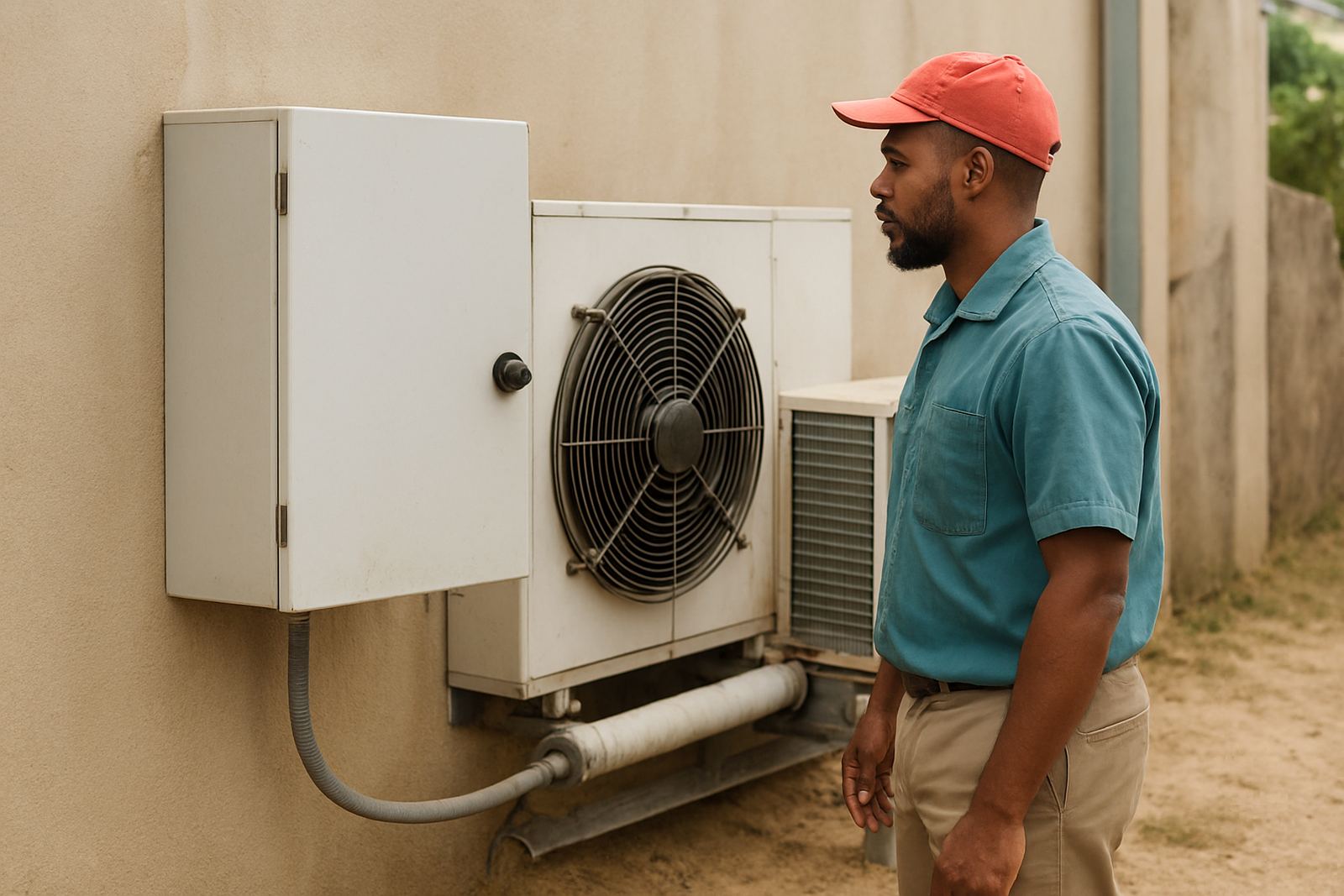
On paper, an external control panel looks simple. In practice it sits in the worst possible spot, right where sunlight, moisture, salt and insects all meet. Along the Durban coastline, that mix attacks seals, terminals and cable entries far faster than many owners expect.
We see this often at cold rooms, freezer rooms, rooftop plant and split system outdoor units. A control set that works well in dry inland conditions can start tripping in coastal air because terminals corrode, relays stick and moisture gets into glands. Once that happens, temperature swings become more frequent and the equipment starts working harder than it should.
In Glen Anil, Umhlanga and Ballito, the salt in the air is enough to leave fine corrosion on unprotected metal parts. Add afternoon storms and power interruptions and the control gear is under constant pressure. One loose connection can cause nuisance trips, false alarms or a full shutdown, and that usually happens at the busiest time.
What should be protected, not just covered
Protection is more than putting a cover over the box. The full control point needs attention, including the enclosure, wiring, switching parts, sensors and cable routes. If one part is exposed and the rest is sealed, the weak point will show itself quickly.
Good outdoor control protection usually means matching the enclosure, cable entry and mounting position to the site conditions. A panel facing direct afternoon sun in Durban North needs different treatment from one under an eave in Pinetown. The goal is to reduce heat build-up, stop driven rain and keep salt and dust out without starving the panel of ventilation.
- Weather-rated enclosure with proper door seals
- Corrosion-resistant fixings and mounting hardware
- Neat cable glands with no open knockouts
- Drip loops so water does not run into the box
- Raised mounting where floodwater or hose washdown is possible
Even a well-fitted enclosure can fail if the lid is warped, the gasket is flat or someone has drilled a hole and left it open. These details matter more than many people think, because coastal humidity will find any gap.
The hidden cost of heat, salt and vibration
Outdoor controls do not only deal with rain. Heat changes how the components behave, especially on metal roofs and walls that hold the sun all day. A hot enclosure shortens component life and can cause intermittent faults that are hard to trace. That is when a site keeps calling for breakdown support but no one can pin down the cause straight away.
Salt is another problem. It settles on terminals and forms a thin film that starts corrosion, then the contact resistance rises and the control signal becomes unstable. Vibration from compressors, fans and passing traffic can loosen fixings over time, so a connection that looked fine last quarter may already be failing now.
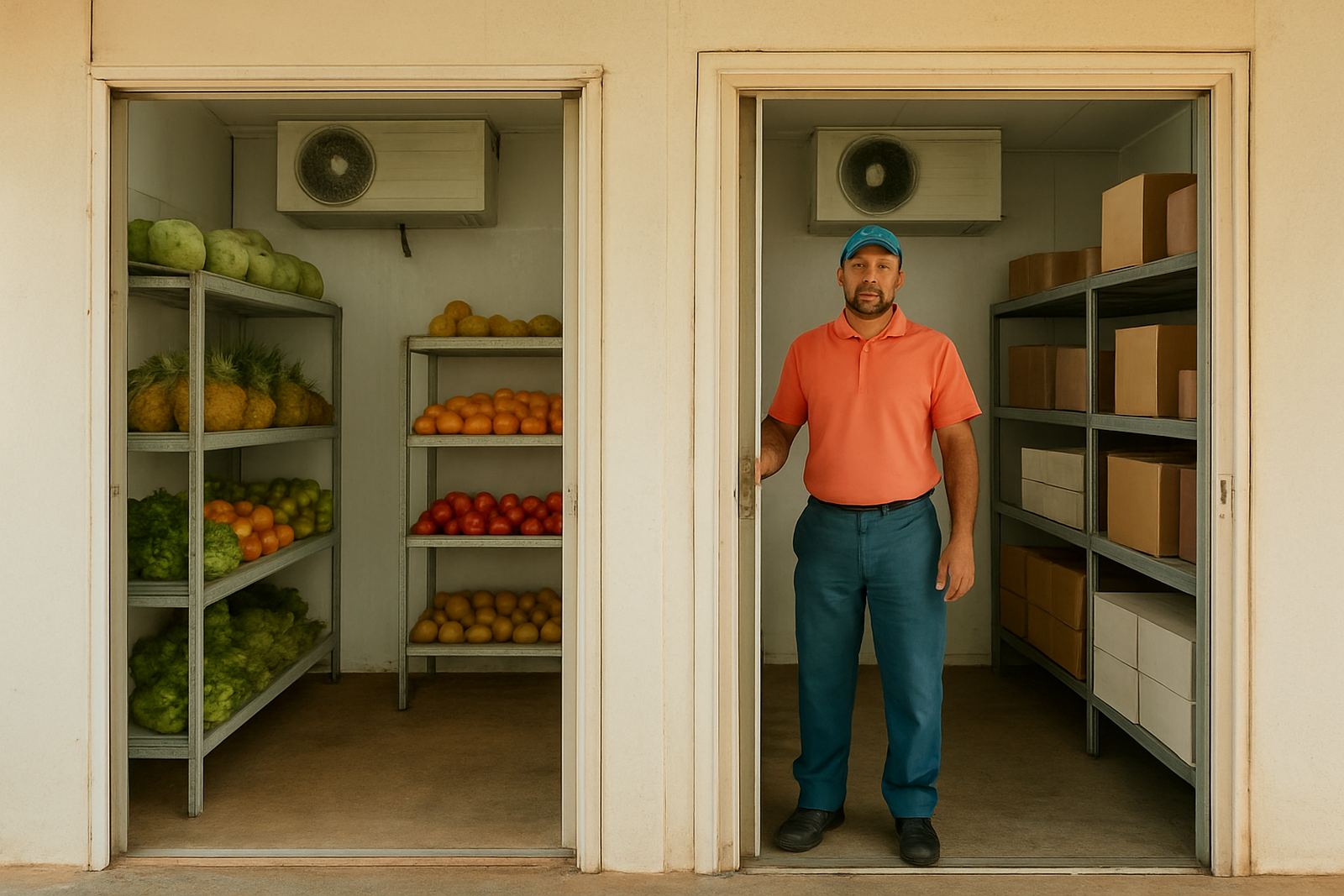
We recently attended a freezer room in South Coast where the external controls were mounted in direct weather, just below a leaking roof edge. The issue was not the compressor or the probes. It was a corroded relay and moisture in the gland plate. Once the box was resealed, the wiring cleaned and the mounting moved, the repeat trips stopped. Small faults cost money, but they also damage stock if no one catches them early.
Practical checks that prevent avoidable call-outs
Routine checks are the cheapest way to keep outdoor controls working. A quick inspection during planned maintenance can pick up loose fittings, cracked seals and signs of water entry before they turn into a failed service visit. On sites with service contracts, this is where consistency pays off.
We recommend checking the following at every service round:
- Door seal condition and signs of rust around the edges
- Moisture inside the enclosure or staining on components
- Condition of glands, conduit and cable insulation
- Terminal tightness and signs of heat damage
- Operation of contactors, relays, timers and overloads
- Sensor readings against the actual room or product temperature
If the panel is outdoors, it also helps to test after heavy rain and after a power interruption. Load-shedding can expose weak control parts because the restart surge and voltage changes show up faults that were already waiting in the background.
Local examples from Durban and the coast
At a retail site in Durban North, a display chiller kept losing temperature control during afternoon heat. The cabinet itself was fine, but the outdoor control box had poor shading and a damaged seal. After replacing the seal, improving the mounting position and cleaning out the terminals, the faults dropped away. The client had been budgeting for a major equipment swap, but the real issue was exposure.
In Ballito, a commercial air-conditioning system serving offices near the coast was suffering random trips after windy weather. Fine salt had entered the control compartment through an open cable entry and started affecting one of the switching parts. Once the entry was corrected and the panel checked for corrosion, the system held its settings properly again. It is the sort of job that looks small, yet it can save a lot of nuisance downtime.
Sites in Pinetown face a different mix. There is less salt, but more dust and heat from roof spaces and industrial surroundings. The controls still need protection, just tailored to the site. That means understanding where the weather hits, where people wash down floors and where machinery vibration might travel into the mounting points.
How planned maintenance helps keep control gear alive
Planned maintenance is not only about cleaning coils and checking temperatures. It is also where control gear gets a proper look before it fails. For cold rooms, freezer rooms and commercial air-conditioning systems, the control enclosure is part of the working plant and should be treated that way.
During a maintenance visit, a technician should check weathering, corrosion, electrical tightness and any signs of overheating. If the site has a service contract, you also get a record of repeat issues, which helps spot patterns. For example, if the same enclosure keeps filling with moisture, the real fix may be a better position or a different gland arrangement rather than another quick dry-out.
That approach matters on the KZN coast because weather exposure is constant. A control box may survive one summer but fail in the next if the underlying issue is never corrected. A small amount of prevention is far cheaper than dealing with product loss, emergency labour and after-hours downtime.
For sites with cold storage or retail refrigeration, it is worth linking outdoor control checks to temperature logging and compliance checks. That way any drift in performance is picked up early, before stock or records are affected.
Choosing protection that fits the site, not just the brochure
Not every outdoor installation needs the same level of protection. A sheltered unit under cover in Glen Anil will not face the same exposure as a box mounted on an open wall in Umhlanga or a plant area near the sea in South Coast. The right solution depends on the mounting point, the maintenance access and the way the site is used.
The best installations are simple to inspect and easy to keep dry. They allow enough access for service work without forcing the box open to every bit of weather. They also account for local realities such as rain driven by wind, power cuts, cleaning routines and coastal humidity that never really goes away.
If your outdoor controls are already showing corrosion, water marks or intermittent faults, it is worth looking beyond the symptom. The protection around the controls may be the real problem, and fixing that early can keep the whole system steadier for years.