









What a service contract covers on your site
Every site runs differently, so we do not sell one fixed schedule for everyone. A small takeaway in Durban North needs a different check list to a distribution store in Pinetown, or a packing area with multiple cold rooms on the KZN coast. Our service contracts are built around the equipment you actually use, the hours it runs, and how much risk you can carry if a unit goes down.
We look at the full mix, including cold rooms, freezer rooms, display chillers and commercial or industrial air-conditioning. From there we set the visit cycle, the service tasks and the reporting you need to keep managers, owners and compliance teams informed.
How to choose the right visit frequency
Some sites need monthly attention because doors open all day and product turnover is high. Others can run on a quarterly plan with extra seasonal checks before the hottest months. We also factor in load-shedding, coastal humidity, salt air and whether your plant room is exposed to dust or grease build-up.
When we set a contract, we consider:
- Equipment age and condition
- Number of operating hours per day
- Product value and temperature sensitivity
- Exposure to power interruptions or voltage dips
- Site access, security and operating times
That way the plan matches the site, not the other way round. A good contract should reduce emergency call-outs and make faults easier to catch before they spoil stock or shut down trading.
Inspection points we check on each visit
Our technicians follow a practical service routine that focuses on the items most likely to cause trouble. On refrigeration systems that usually means the electrical components, gas levels, fans, coils, controls, drainage and door seals. On air-conditioning systems we check operation, airflow, filters, drainage and signs of wear that can push running costs up.
Common contract checks include:
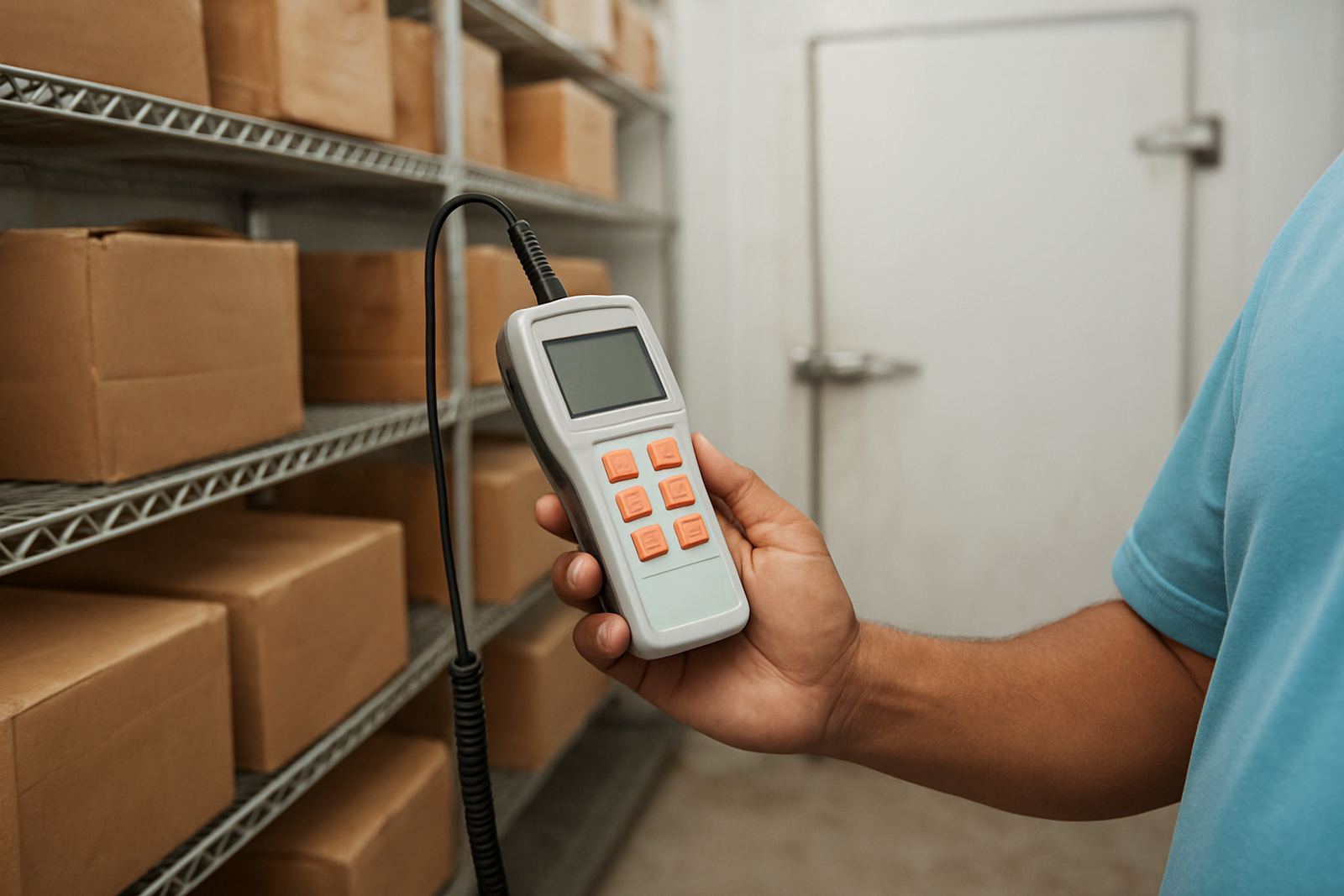
- Temperature logging and verification
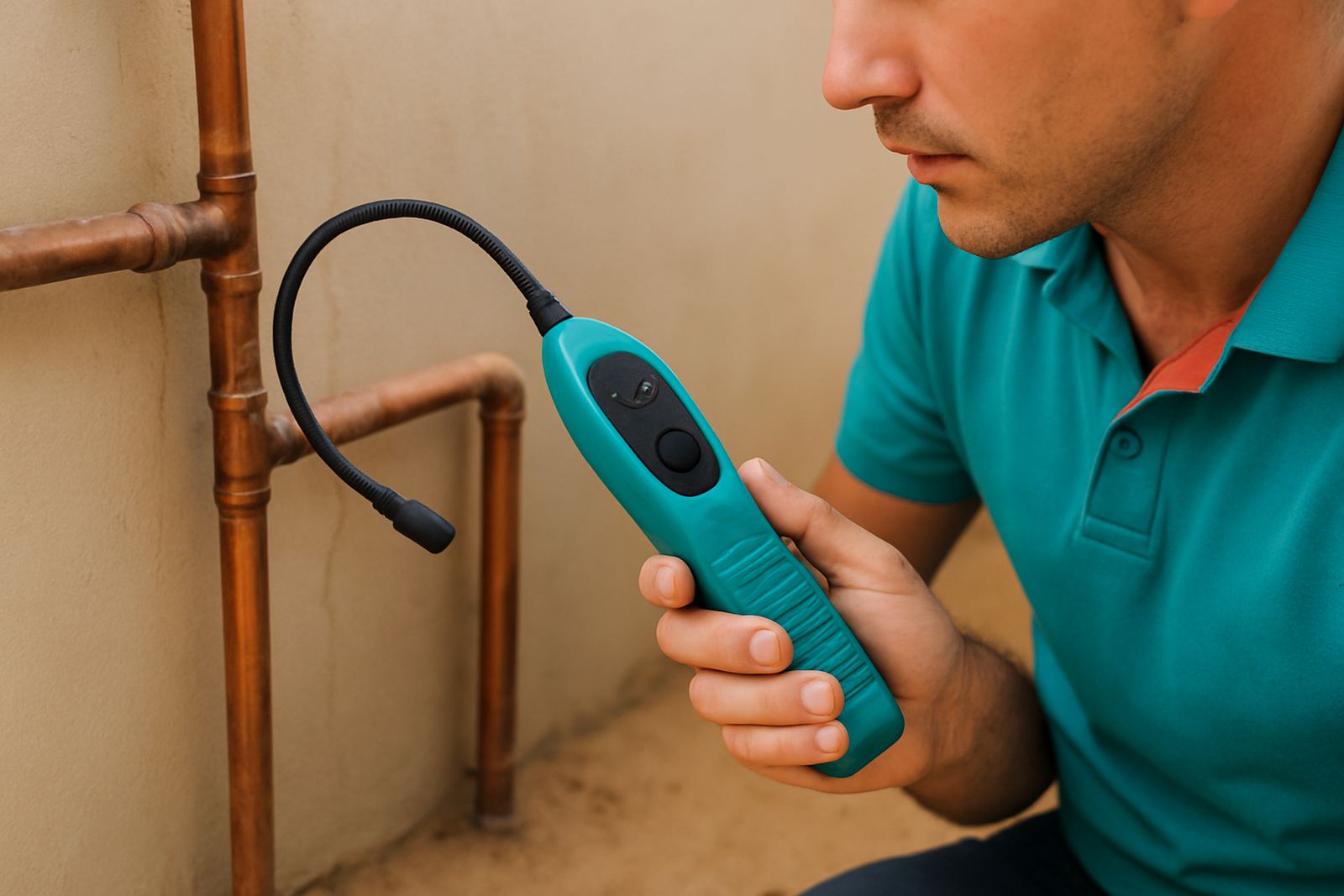
- Leak detection on refrigeration circuits
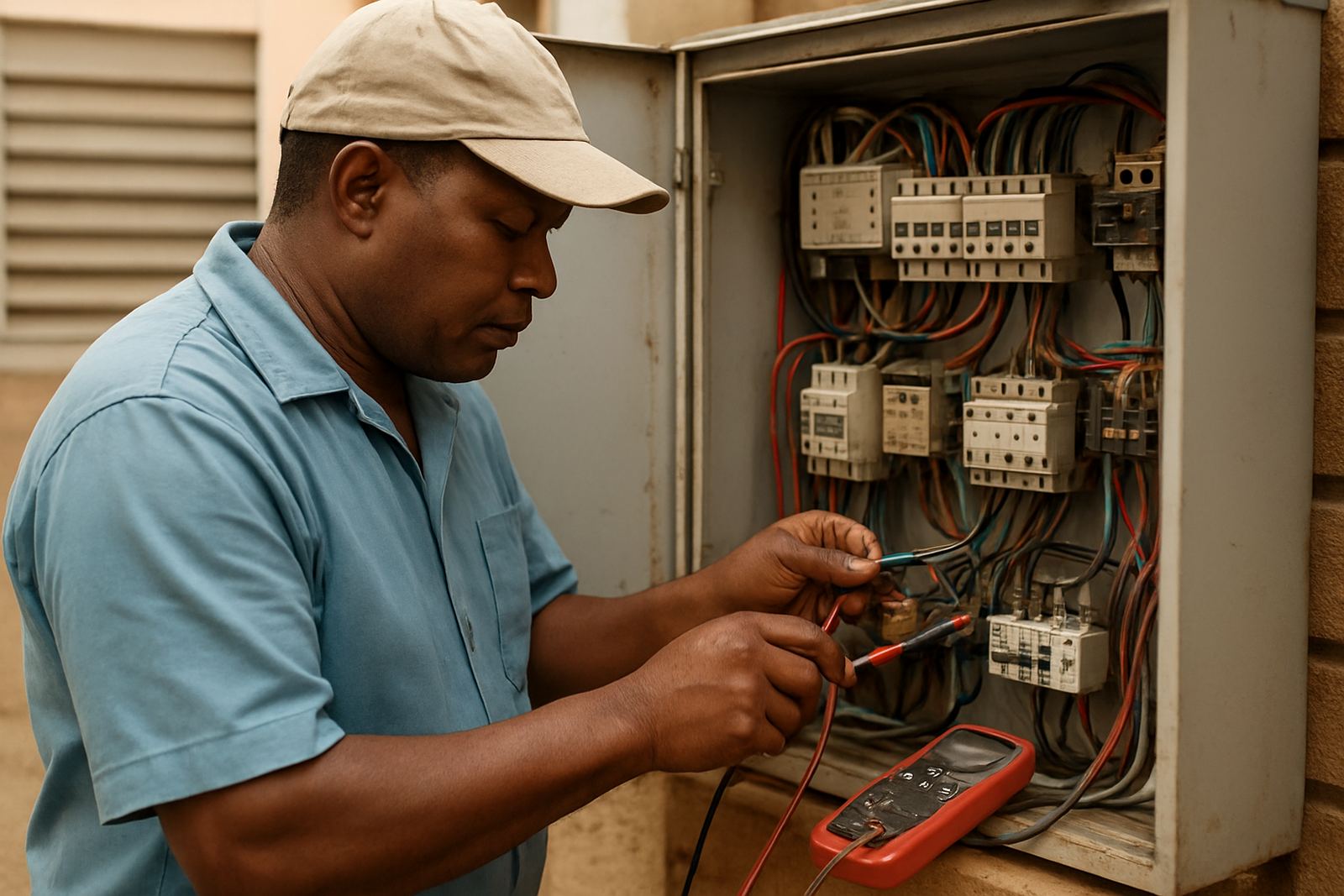
- Electrical fault finding and connection checks
- Cleaning of coils, filters and drain paths
- Compliance checks and service notes for records
If a problem is starting to show, we flag it early so you can plan repairs instead of waiting for a breakdown. That is usually the difference between a short stoppage and a spoiled load.
Reporting that helps managers act quickly
Service work is only useful if the findings are recorded clearly. We keep reporting straightforward, with the key issues, readings and recommendations written in a way that operations staff can use straight away. If a unit is holding temperature but drawing too much current, or a display chiller is cycling harder than it should, that gets noted.
We can also help you keep a proper service history for each site or each unit. That makes it easier to see repeat faults, compare performance after repairs and schedule replacements before equipment fails at the worst time. For multi-site operations, this is especially useful because Glen Anil, Umhlanga, Ballito and the South Coast can all have different usage patterns and environmental conditions.
Why planned maintenance costs less than repeat breakdowns
Breakdowns are expensive because they come with call-out fees, urgency, lost labour and possible product loss. On freezer rooms or cold rooms, a few hours off temperature can affect stock fast. On air-conditioning, poor maintenance often means higher electricity use, poor comfort and avoidable compressor stress.
A planned contract spreads the cost through the year and keeps the system in better shape. It also gives you a better chance of ordering parts in time, rather than waiting while the site sits offline. In practice, that means less fire-fighting and more control over your maintenance budget.
Service contracts for Durban, the coast and inland sites
We are based in Glen Anil, Durban and work across Durban North, Umhlanga, Pinetown, Ballito and the South Coast. Coastal sites often need closer attention because salty air and humidity can shorten the life of components. Inland sites may have more dust, heat or voltage fluctuation to manage.
That local knowledge matters when setting service intervals and inspection priorities. If you are not sure what level of cover you need, we can assess the site first and recommend a practical contract based on the equipment, the way it is used and the risk to your business.
What you can expect when you sign up
Once the contract is in place, we schedule visits, keep the service dates moving and make sure the same standards are applied across the site. You will know who to contact, what was checked and what still needs attention. Priscilla Naidoo and Zanele Khumalo keep the contract side organised, while our technicians handle the on-site work and feedback.
If you need a service plan for cold rooms, freezer rooms, display chillers or commercial air-conditioning, we can build one around your site and your trading hours. The aim is simple: fewer surprises, better control, and equipment that keeps doing its job when you need it most.