Why Ice Builds Up In Cold Rooms And Freezers
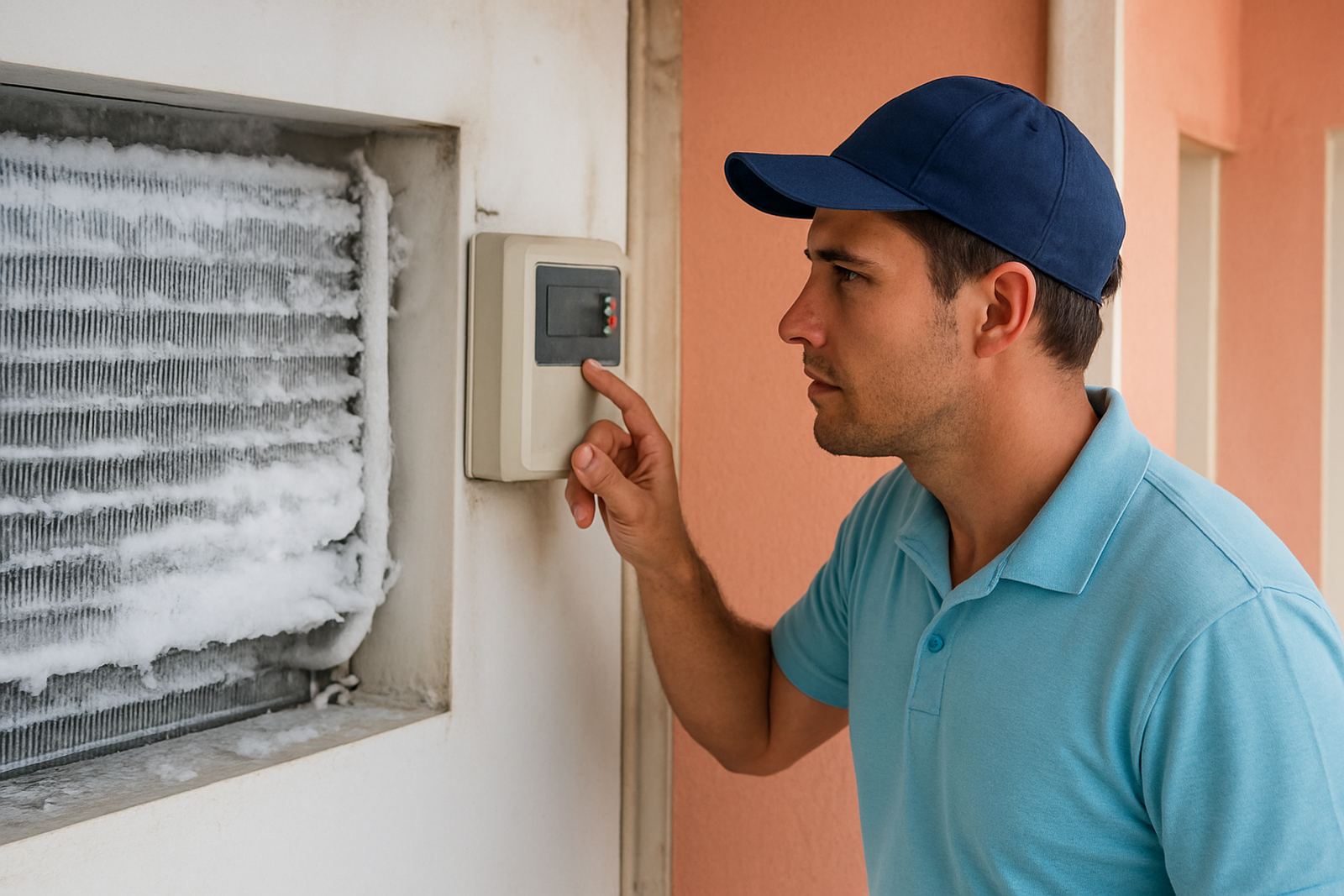
When warm, moist air gets into a low-temperature cabinet or room, that moisture does not stay as vapour for long. It freezes onto the evaporator coil and nearby surfaces, then starts to form a layer of frost. In Durban, where humidity stays high for much of the year, this happens faster than many people expect.
Each time a door is opened, warm air comes in. Every damaged door seal, poor closure or long loading period adds more moisture. Over time the frost layer becomes thick enough to reduce airflow across the coil. Once that happens the system has to work harder to hold temperature, and product can start drifting out of spec.
A planned defrost cycle is there to melt that ice before it becomes a bigger problem. It is not a sign that the unit is failing. It is part of how low-temperature plant is meant to run.
What A Defrost Cycle Actually Does
A defrost cycle temporarily raises the coil temperature so the ice can melt and drain away. Depending on the system, this may be done with electric heaters, hot gas, or by stopping the compressor and allowing a natural melt. The exact method depends on the application and the control setup.
The main aim is simple: keep the evaporator clear so air can move freely across it. That means steadier box temperatures, better product protection, and less strain on the compressor. If defrost is too short, too long, or timed badly, the room can swing too warm or stay iced over. Both cases cost money.
In practice, the best setting is the one matched to the room use. A freezer room at a fish wholesaler in Durban North will not need the same schedule as a display chiller in a busy retail space in Ballito.
Signs Your Defrost Timing Is Not Right
When a defrost programme is out of balance, the symptoms usually show up before the equipment stops altogether. Staff may notice thicker frost on the coil, poor air throw, or a room that takes longer than usual to pull down after stock is loaded. Sometimes the compressor runs longer and the power bill climbs with no clear reason.
Look out for these warning signs:
- Ice bridging across the evaporator fins
- Water pooling where drains should clear freely
- Uneven product temperatures from one side of the room to the other
- Frost on the suction line or around the door frame
- Frequent alarm trips or temperature logging gaps
If the cycle is too frequent, the room may warm up more than it should and product life can suffer. If it is too infrequent, the coil will ice up and the plant loses capacity. In one Glen Anil case, a freezer room kept running but struggled to hold set point because the defrost timer had drifted. The fault looked like a gas issue at first, but the real problem was build-up on the coil and a blocked drain, which is a fairly common call-out on the coast.
How Load-Shedding And Door Traffic Affect Defrost
On the KZN coast, defrost schedules are not only about moisture. They also need to take load-shedding, long door-open periods and heavy traffic into account. A cold room that loses power midway through a cycle may come back with ice not fully cleared or with water not draining away properly. That can leave a mess on the floor and more freeze-up later.
Busy sites in Pinetown, Umhlanga and along the South Coast often have the same pattern. Early-morning receiving, midday picking, and late-afternoon stock movement all pull warm air into the room. If the defrost timing does not match that pattern, the system can fight against the business rather than support it.
It helps to review defrost settings after any change to operating hours, doorway usage or product mix. A freezer that is opened 40 times a day needs a different approach from a holding room that is only accessed twice a shift.
- Check how often the door opens during peak trading
- Review whether stock is blocking air returns
- Confirm that drains are clear and heat traced where needed
- Set alarms so staff notice temperature drift early
What Good Maintenance Should Cover
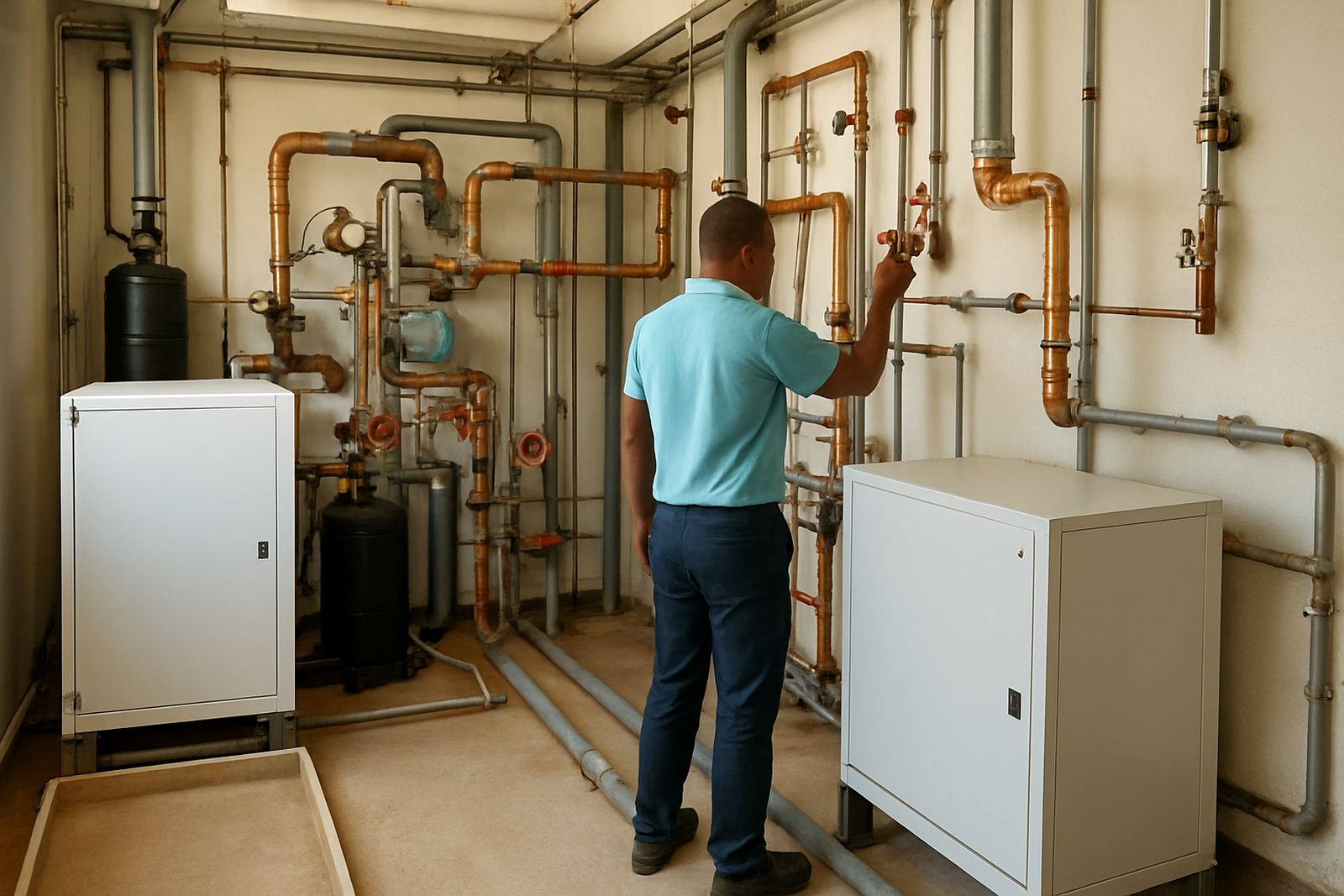
A proper maintenance visit should do more than glance at the thermostat. The technician should inspect the coil for icing, check heater operation where fitted, verify the defrost timer or controller settings, and make sure the drain line clears properly. Electrical faults can also interfere with defrost, especially where contactors, sensors or termination switches are worn.
At Coastal Cooling Systems, planned maintenance for cold rooms, freezer rooms and display chillers normally includes defrost checks, leak detection, temperature logging and compliance checks. That matters for food businesses, pharmacies and any operation that must prove cold chain control. A room may seem fine to the eye yet still be logging spikes every night, and that can become a compliance issue very quickly.
A good service report should show what was checked, what was adjusted, and whether the unit is holding temperature within the expected range. If a system keeps icing up after repeat attention, the underlying issue may be airflow, door seals, fan faults or incorrect set points rather than the defrost programme itself.
A Durban Example: When Ice Looked Like A Gas Leak
A seafood distributor in Durban North called for help because one freezer room was running nearly non-stop and product on the top shelves was starting to soften. The first concern was a possible refrigerant leak. On inspection, the coil was heavily iced, the drain was slow, and the defrost termination was not cutting out where it should.
After the defrost settings were corrected and the drain cleared, the room returned to normal operation without a gas recharge. That saved the client unnecessary cost and reduced downtime. It also showed why a planned service approach is better than waiting for a breakdown. On coastal sites, icing can hide the real fault and lead people down the wrong path.
For businesses in Glen Anil, Ballito or across the South Coast, the practical lesson is the same: if a freezer room starts acting sluggish, do not assume the compressor is the only issue. Defrost has a direct effect on capacity, power use and product safety.
When To Call For A Service Check
If defrost is not behaving as it should, it is worth getting the system checked before the next busy trading period. The sooner the cause is found, the easier it is to protect stock and avoid a larger repair. This is especially important for operations that rely on temperature records, such as food storage and commercial display areas.
Call for a service check if you notice any of the following:
- Repeated ice build-up after each cycle
- Water leaking onto floors or into product areas
- Higher than normal running time
- Temperature swings after power interruptions
- Noise from fans, heaters or drain areas during defrost
For Durban businesses, the best approach is planned maintenance with proper logging rather than waiting for a failure on a Friday afternoon. That is the easiest way to keep the cold chain steady and avoid avoidable spoilage.