Why prep area cooling matters before service starts
In a commercial kitchen, the prep area is where time gets lost if the cooling layout is wrong. Staff should be able to move from storage to prep bench to cooking line without crossing traffic or opening the same door again and again. That matters even more in Durban, where warm, humid air can push cabinet temperatures up fast when doors are left open during a rush.
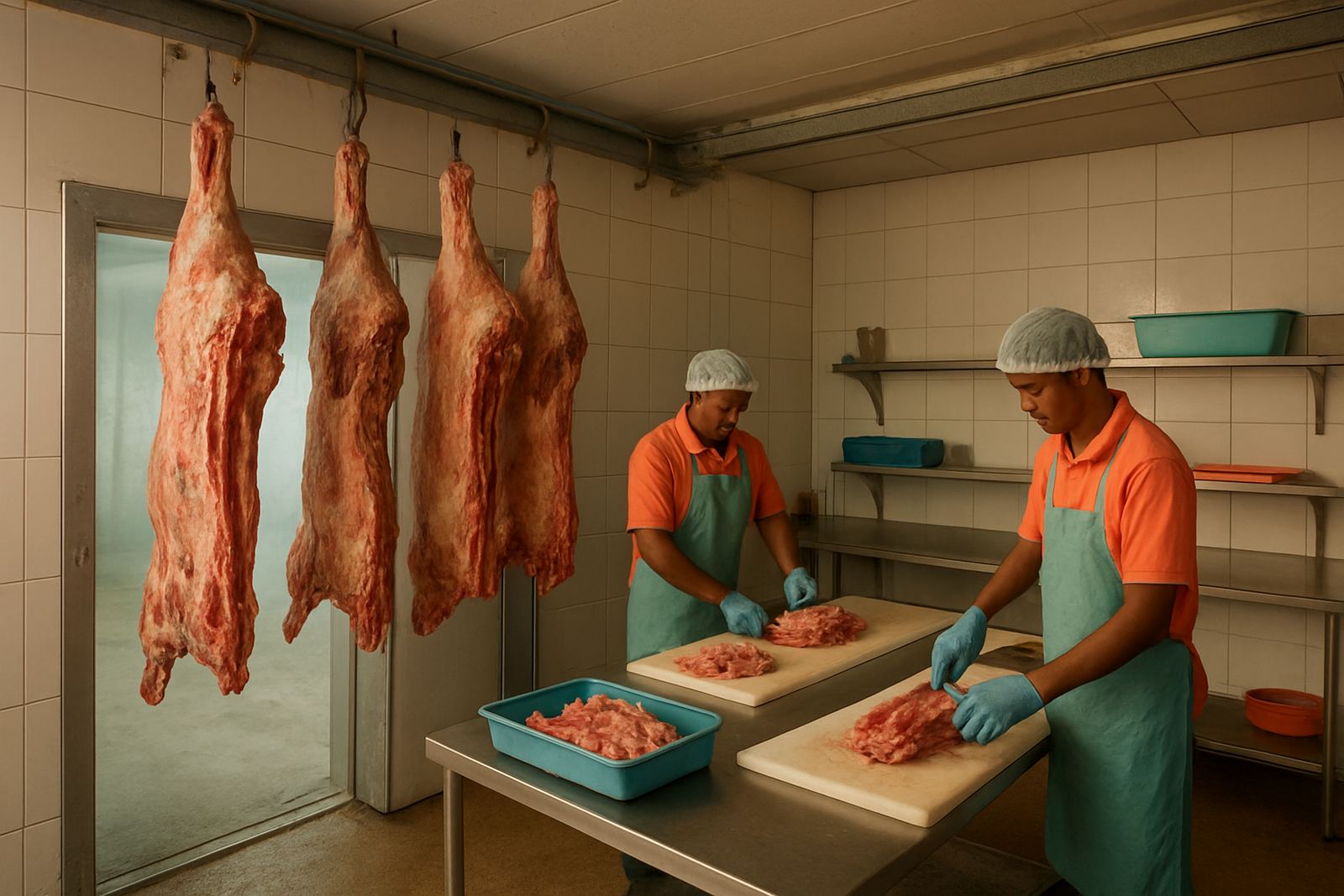
Prep area cooling is not only about fitting in a cold room or a fridge. It is about matching refrigeration to the way your kitchen works day to day. A salad station in Umhlanga may need easy reach for fresh produce and dairy, while a butcher prep room in Pinetown may need stronger temperature control and faster pull down after deliveries. The layout should support the workflow, not fight it.
At Coastal Cooling Systems, we have been working on commercial refrigeration and air-conditioning since 1998, and the same issue comes up often. The site may have enough cooling power on paper, but the staff still spend too much time walking, bending, opening and closing doors. That extra movement adds heat, adds spoilage risk and makes cleaning harder.
Design the layout around the work sequence
The best prep area starts with a simple question: what happens first, second and third? Deliveries arrive, ingredients are sorted, washed, cut, portioned, plated, and returned to storage. If the cooling equipment is placed in the wrong order, staff end up carrying trays across open floor space or stacking produce where it blocks access.
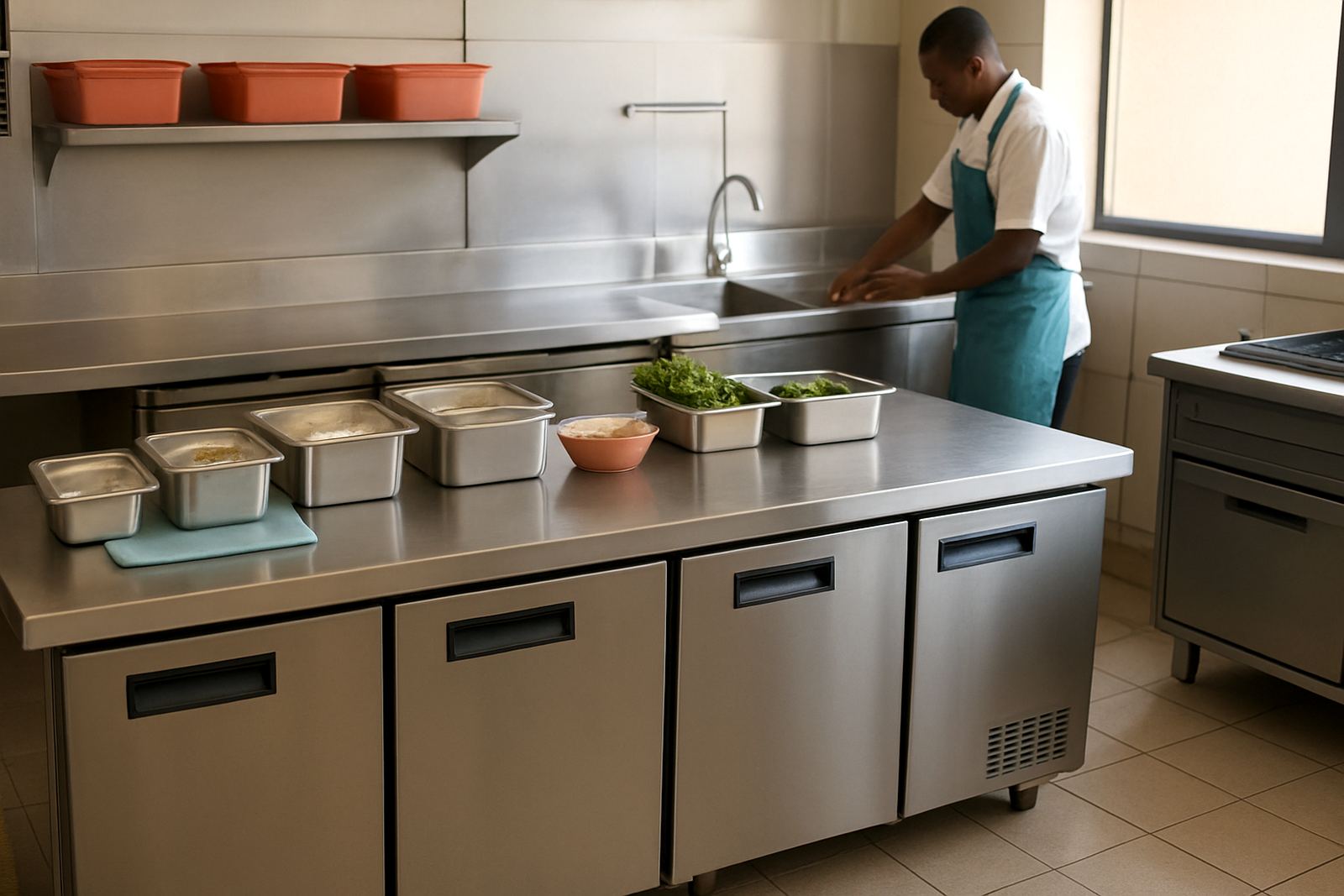
A good layout keeps high-use ingredients close to the prep bench and places bulk storage just one step away. In a busy restaurant or hotel kitchen in Durban North, this can mean a pass-through cold room near the prep zone, with a smaller undercounter chiller for items used every few minutes. In a bakery or deli, display chillers for front-of-house may need separate prep-side refrigeration so the team is not pulling stock from the customer side during production.
- Keep the most frequently used ingredients at waist height where possible.
- Leave enough space for doors to open fully without blocking walkways.
- Separate raw and ready-to-use products to support hygiene and workflow.
- Position equipment so cleaning staff can reach floors, drains and wall edges.
- Allow for trolley movement if stock moves in pans or crates.
Choose equipment that suits the room and the product
Not every prep area needs the same type of cooling. A freezer room, cold room, prep counter, display chiller and holding cabinet each serve a different purpose. The key is to match the cabinet type and temperature range to the product being handled. Meat prep, pastry work, dairy storage and salad preparation all have different needs.
In coastal areas such as Ballito and the South Coast, humidity can create extra moisture on doors, seals and cold surfaces. That can cause slippery floors and more frequent frost build-up if the room is not planned properly. For wet prep areas, drain points, floor finishes and door seals should be checked alongside the refrigeration equipment. If the site also handles seafood, fast door closing and reliable temperature logging become even more important.
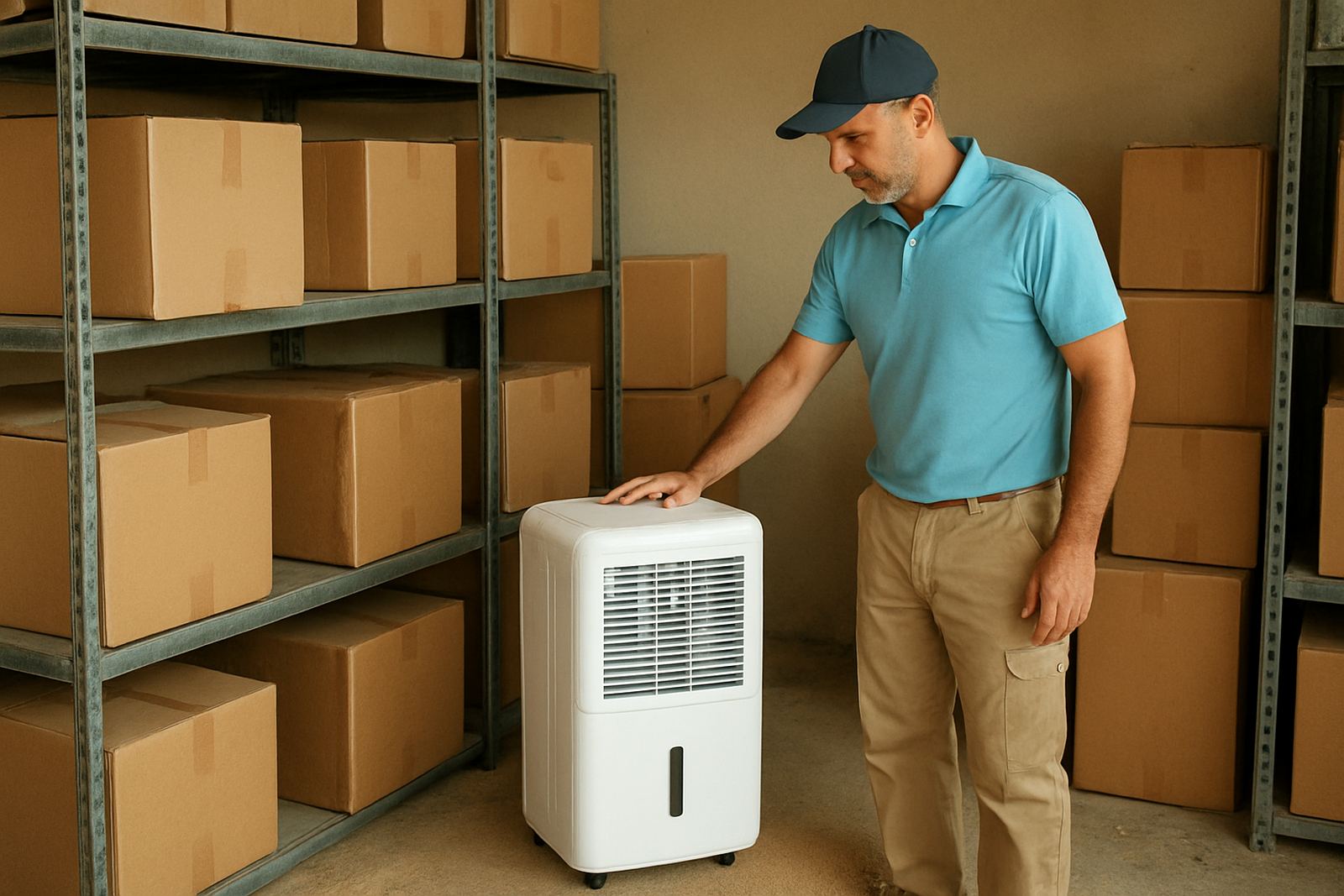
Air-conditioning in the prep space itself can also make a difference. It does not replace refrigeration, but it helps keep the working area cooler so the cabinets are not under unnecessary strain. When the room stays too hot, staff work slower and food is exposed to warmer air for longer. That is where planning the cooling around the room load really pays off.
Build for cleaning, hygiene and daily checks
Prep areas are cleaned more often than most other parts of a food business, so the refrigeration must support that routine. Smooth access to the sides and rear of cabinets makes wash-downs easier. Drains should be easy to reach. Service panels should not be hidden behind permanent shelving or stacked crates. If cleaning takes too long, people start missing it and that is when hygiene problems begin.
Temperature checks should be part of the daily opening routine, not something done only when there is a problem. That includes checking cabinet readings, door seals, fans, condensate drainage and any alarm functions. If the kitchen runs on a service contract, planned visits can catch early signs of wear before a breakdown affects service. In Durban, that is useful during peak heat or load-shedding periods when systems are already working harder.
- Wipe door seals daily to remove fat, dust and food residue.
- Check that lights, fans and alarms are working before trading starts.
- Keep a clear gap around equipment for cleaning and airflow.
- Log temperatures at set times so trends are easy to spot.
- Arrange regular electrical fault finding if trips or warning lights appear.
Plan for power cuts and hot coastal conditions
On the KZN coast, prep area cooling has to cope with heat, moisture and occasional power interruptions. A cabinet that performs well in winter can struggle in a hot prep room on a January afternoon if the condenser is clogged or the doors are opening every few minutes. Service teams need to look at ventilation around the equipment, the condition of fans and the way the room retains heat during busy periods.
For businesses in Glen Anil, Durban North and Umhlanga, a practical load-shedding plan should include temperature logging, door discipline and clear emergency procedures for stock movement. If the prep area has a freezer room nearby, staff should know what stays closed, what moves first and which products need priority once power returns. Small habits make a big difference when the room temperature starts to rise.
We often see sites where the refrigeration itself is fine, but the layout leaves no room for backup storage or quick product rotation. That is why service contracts should include both mechanical checks and a review of how the prep area is being used. A system that is easy to monitor is easier to protect.
When a local site example shows the value of planning
Consider a busy takeaway kitchen near Durban North that prepares sauces, chilled ingredients and packaged meals for same day collection. The team had good cold equipment but the prep bench was too far from the main storage cabinet. During peak times, staff kept leaving the line to collect items, and the fridge door stayed open longer than it should. The result was uneven temperatures, extra spoilage and more cleaning around the traffic path.
After the layout was adjusted, the high-use chiller moved closer to the bench and the bulk storage stayed in the back room. The team could keep ingredients within reach, the floor stayed clearer and the end-of-day clean-up became faster. That kind of change does not need a full kitchen rebuild. Sometimes it is a matter of repositioning equipment, improving airflow and adding the right maintenance routine.
For operators on the South Coast or in Pinetown, the same idea applies. If the refrigeration supports the sequence of work, the kitchen runs smoother and the stock lasts longer. If it does not, staff will keep working around the problem until it becomes a breakdown.
Getting the prep area cooling spec right from the start
A proper prep area cooling specification should consider product type, staff numbers, cleaning access, room temperature, humidity, power supply and future growth. It should also allow for local conditions such as coastal corrosion, municipal compliance checks and the practical realities of trade during busy periods. If the system is undersized, the business will feel it in waste and service delays. If it is oversized or badly placed, it can create extra cost without improving performance.
Coastal Cooling Systems works on planned maintenance, breakdown call-outs, cold room servicing, freezer servicing, display chiller servicing, aircon maintenance, leak detection, electrical fault finding, temperature logging and compliance checks across Glen Anil, Durban, Umhlanga, Pinetown, Ballito and the South Coast. For kitchens, bakeries, butchers and food prep sites, the aim is simple: keep the ingredients cold, the workflow steady and the cleaning routine practical.
If you are planning a new prep area or improving an old one, start with how the team works not just what equipment fits against the wall. That one choice often saves more time than a bigger cabinet ever will.