Start With The Temperature, Not The Name
The simplest difference is the operating temperature. A chiller room usually holds stock above freezing, often around 0°C to 4°C, while a freezer room is built to keep product below 0°C, commonly around -18°C for frozen goods. That gap sounds small, but in refrigeration terms it changes everything from insulation thickness to compressor duty and defrost cycles.
For Durban businesses, this matters even more because high humidity pushes more moisture into the room every time a door opens. In summer, warm air from Glen Anil, Umhlanga or Pinetown brings in extra heat load, so a chiller may still cope where a freezer needs tighter control, heavier insulation and better door discipline.
Why Insulation And Vapour Control Are Different
A chiller room is designed to slow heat gain. A freezer room has to stop heat and moisture getting in, because water vapour turns to frost inside the structure. That means the freezer panel system needs stronger insulation, properly sealed joints and careful vapour barrier details. If those are missed, frost can build up in the floor, ceiling and panel joins.
On the KZN coast, poor vapour control shows up fast. You may start seeing sweating around the door frame, icy corners or a floor that feels unusually cold in one spot. Over time that can lead to damaged panels, lifted seals and higher electricity use because the plant keeps working harder than it should.
- Chiller rooms use insulation to hold a cool temperature.
- Freezer rooms need thicker insulation to resist heat transfer and moisture ingress.
- Good door seals and fast-closing doors are more important in freezer rooms.
- Any gap in the vapour barrier can lead to ice build-up and ongoing faults.
Product Life And Stock Handling Are Not The Same
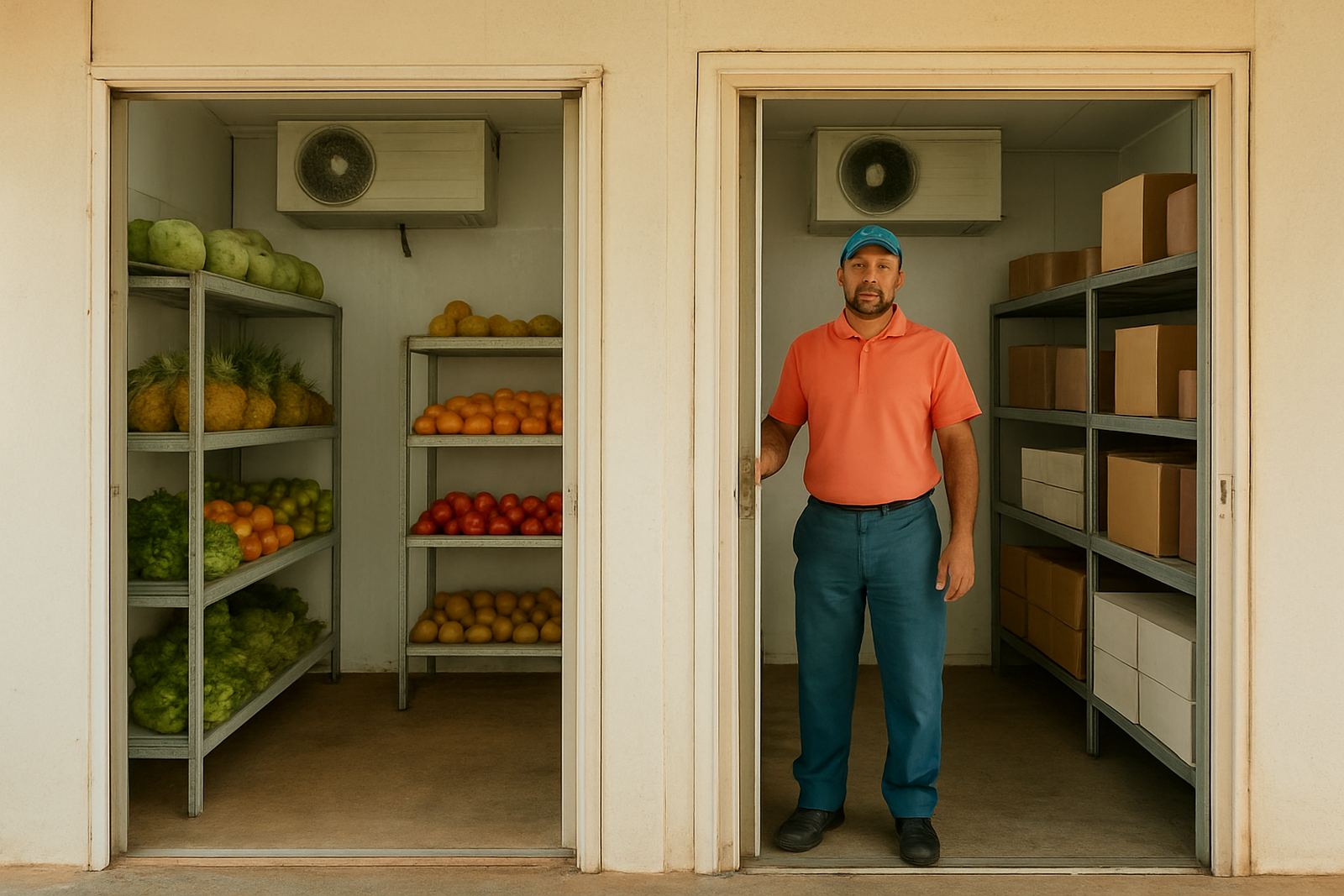
The room you choose should match the product, not just the available space. A chiller room suits fresh dairy, fruit and vegetables, prepared foods, flowers and some beverages. A freezer room is for long-term storage of frozen meat, poultry, seafood, pastries and batch-prepared stock that must stay hard frozen.
In practice, the handling also changes. Chilled stock is often moved in and out more frequently, so the door can open many times a day. Freezer stock is usually stored longer and moved less often, but every opening creates a bigger temperature shock. If the team stands at the door sorting boxes, the temperature drops and the system has to recover quickly.
- Chilled stock is more sensitive to time out of the room.
- Frozen stock is more sensitive to temperature swings and partial thawing.
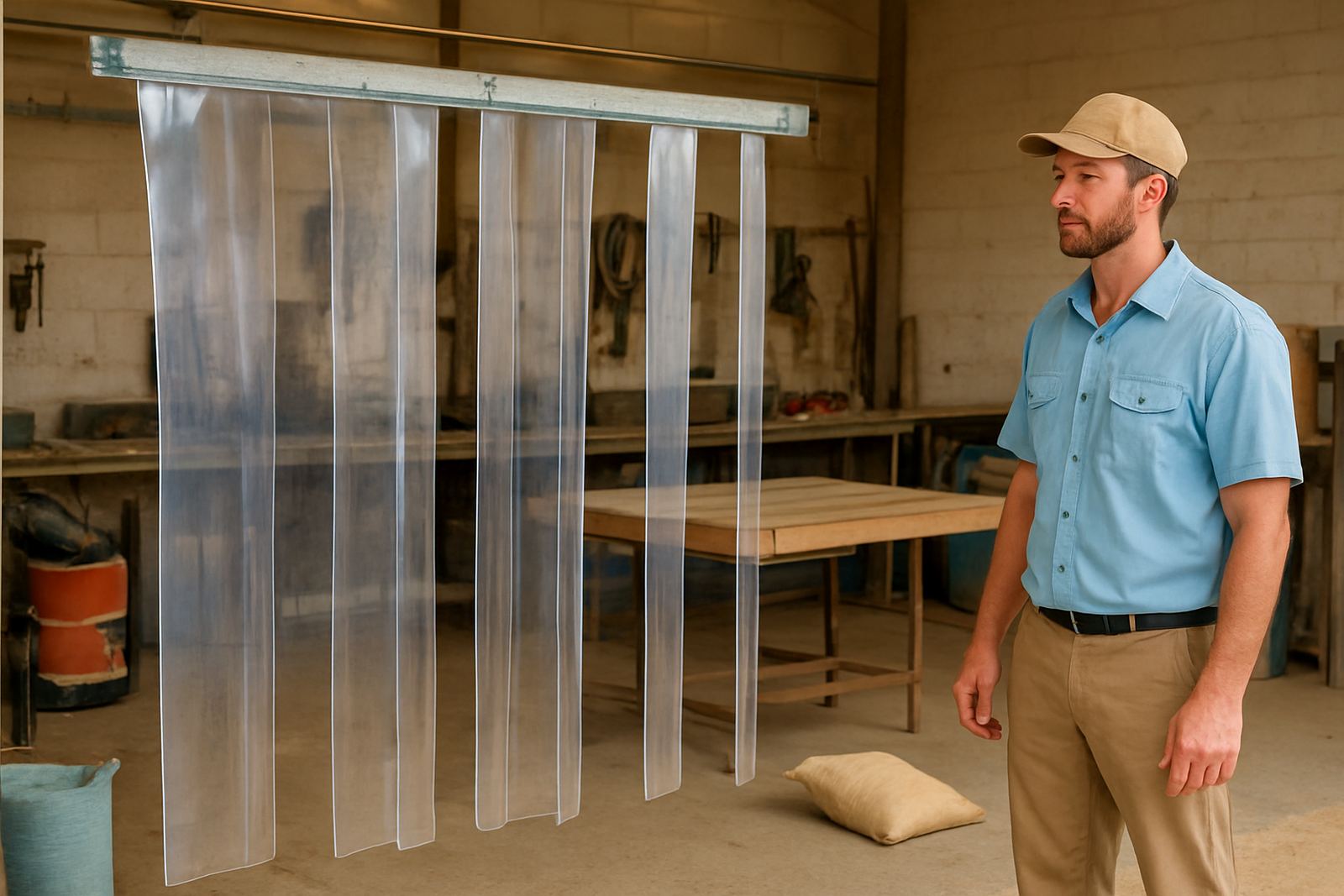
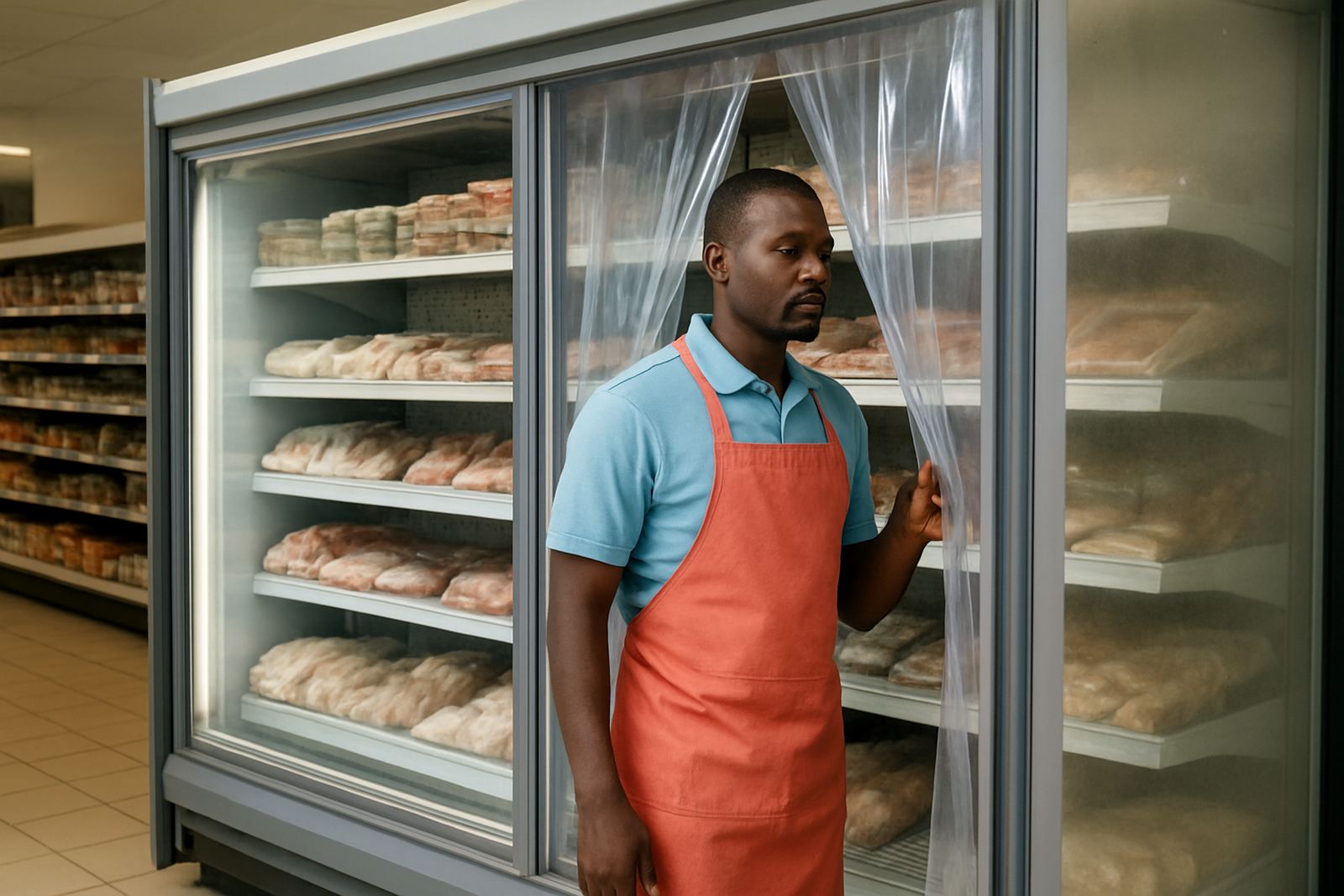
- Air curtains, strip curtains and disciplined door use help in both rooms.
- Logistics should match the room temperature, especially for deliveries at peak heat.
How The Plant Works Harder In A Freezer
A freezer room needs more from the refrigeration system than a chiller room does. The compressor runs for longer periods, the evaporator may require regular defrosting and the controls must keep a tighter hold on temperature. If the room is in a coastal area with salty air, the condenser section and electrical parts also face more wear.
That is why freezer maintenance is not just a once-off clean. It should include checking refrigerant pressures, fan operation, defrost settings, door heaters where fitted, drain lines and the condition of the insulation. If one part is off, the system can still run but slowly lose control, and by the time the alarm sounds the stock is already at risk.
When A Chiller Is Enough And When It Is Not
Some operators try to use one room for everything. That can work only if the stock types and turnover suit the temperature range. A chiller is enough when product must stay cool and fresh, but not frozen. A freezer is needed when the product must stay solid, or when the shelf life depends on keeping it below 0°C from the start to the end of storage.
If a business on the South Coast stores frozen meals in a chiller during load-shedding or during a compressor fault, it is not just a temporary fix. The product may soften, refreeze and lose quality. Once that happens, no amount of cooling later will restore it properly. The same goes for dairy or seafood that has been held too warm for too long.
- Use a chiller for fresh and short-life goods.
- Use a freezer for hard frozen goods and longer storage life.
- Do not move stock between rooms without checking the product temperature first.
- Set up temperature logging so staff can see trends before stock is lost.
A Durban Example: What Goes Wrong In Peak Summer
A food business in Durban North may have both a chiller and a freezer, but the freezer usually takes the strain first when the weather turns hot and sticky. If the door is left open during a delivery, warm humid air enters, frost forms on the coil and the plant starts cycling harder. If the room is near a kitchen or loading bay, extra heat from nearby equipment adds to the load.
We see similar issues where businesses assume a freezer fault is only a gas problem. Sometimes the issue is simpler: faulty door seals, a blocked drain, poor airflow around the condenser or a damaged thermostat probe. A proper site check saves time because it looks at the whole room, not only the compressor. That is especially useful for sites in Ballito, Umhlanga and Pinetown where daily traffic and coastal moisture can push a system off balance faster than expected.
How To Keep Both Rooms Reliable
The best approach is planned maintenance, clear records and quick response when readings drift. A good service plan should cover both chiller and freezer units, because the faults are often linked. A room that is slightly out on temperature today can become a stock-loss problem by the end of the week if nobody checks it.
For Durban and the wider KZN coast, we normally recommend regular inspection of seals, controls, fans, electrical connections and drainage, plus temperature logging and compliance checks. That helps with food safety, municipal inspections and internal stock control. It also gives you a proper record if a breakdown happens during a weekend, a public holiday or a load-shedding event.
- Check and record temperatures every day.
- Keep doors closing properly and replace worn seals early.
- Clean the coil and condenser area so airflow stays open.
- Set up maintenance before the busy season, not after the first failure.
If you are unsure whether a room should be a chiller or freezer, the answer starts with the product list and the required storage life. Once that is clear, the right room design and maintenance plan become much easier to manage.