Why still air becomes a problem in warehouses
A warehouse can look open on the inside yet still hold heat, fumes and moisture in pockets that never seem to move. When air sits still, workers feel it first through heavy breathing, sweating and fatigue, then the business sees it in slower picking, more mistakes and higher absenteeism.
In coastal areas like Glen Anil, Durban North and Umhlanga, humidity makes the problem worse because warm air already carries a lot of moisture. Once doors stay open for deliveries, that damp air gets trapped against roofs, walls and racking, and the building starts to feel stuffy even when the temperature is not extreme.
Warehouses that store packaging, food, chemicals or electronics need more than a fan near the door. They need a planned airflow path that brings fresh air in, moves stale air out and stops hot spots building up near ceilings, loading bays and plant rooms.
Extraction and supply air must work together
Extraction on its own can pull air out, but if there is no proper supply route the system fights itself. You end up with dead corners, doors that slam, dust drawn in from the wrong places and workers still standing in stagnant air.
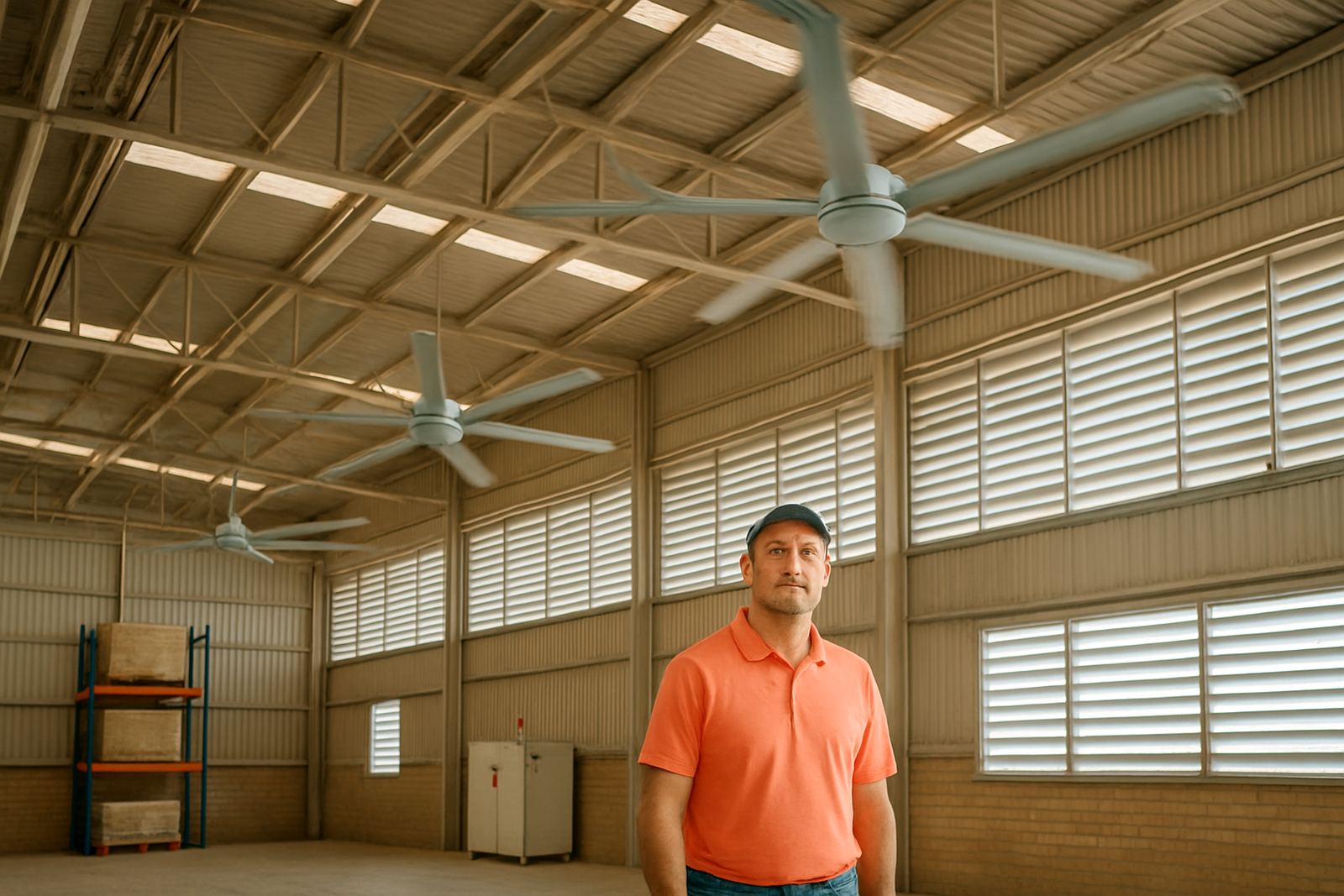
A practical warehouse layout balances intake and extraction so air moves across the building in a controlled way. That can mean wall mounted extractors near heat sources, roof mounted discharge points, louvres for fresh air and circulation fans to keep air mixed at floor level and above racking.
- Place extraction near heat generating equipment, packing lines and charging areas.
- Bring in fresh air from a cleaner side of the building, not from a dusty yard.
- Use circulation fans to break up hot air layers under the roof.
- Keep airflow away from open product or temperature sensitive stock where possible.
On many sites, the issue is not that there is no ventilation at all, it is that the system was added piecemeal over time. A warehouse in Pinetown may have one extractor fitted after a complaint, then a second fan added years later, but with no proper balance between them. That is where planning matters more than just adding more fans.
Heat, fumes and humidity change the working day
Warehouses often have more hidden heat than people realise. Forklifts, lights, compressors, chargers, dock levellers and even body heat from staff all add up over a shift. In summer, roof temperatures can climb quickly, and without air movement the work area becomes hard to tolerate by midday.
Where battery charging, cleaning chemicals or vehicle fumes are present, extraction becomes even more important. Stale air can carry odours and irritants through the building, which is a problem for staff comfort and also for compliance checks. If the site handles food or temperature controlled goods, poor ventilation can add moisture and create condensation on floors, product wraps and cold surfaces.
- Signs of poor ventilation include condensation, lingering smells, dusty still air and hot roof zones.
- Workers may open fire doors or shutters to get relief, which can create security and pest issues.
- Higher humidity can make cardboard weaker and packaging less reliable.
- Electrical panels and controls also benefit from cooler, cleaner air around them.
A small mistake we see often is treating ventilation as a comfort item only. It is also a maintenance issue, because heat and moisture shorten the life of motors, belts and control components. If a warehouse already struggles with load-shedding, the system should be checked for restart settings and safe operation when power returns.
A Durban warehouse example near the coast
Consider a distribution warehouse between Durban North and Umhlanga that handles mixed dry goods and chilled deliveries. In summer the dock area gets warm as trucks arrive and doors remain open. The staff complain about poor air and condensation near the loading zone, while the manager notices cardboard softening and labels peeling at the same spots.
The answer is not always a full air-conditioning fitment. In many cases the better first step is a ventilation review with measured air movement, then targeted extraction at the warmest points and improved air transfer through the building. A few correctly placed fans can reduce heat build-up, but they need to be selected for the actual volume of the space and the way the warehouse is used day to day.
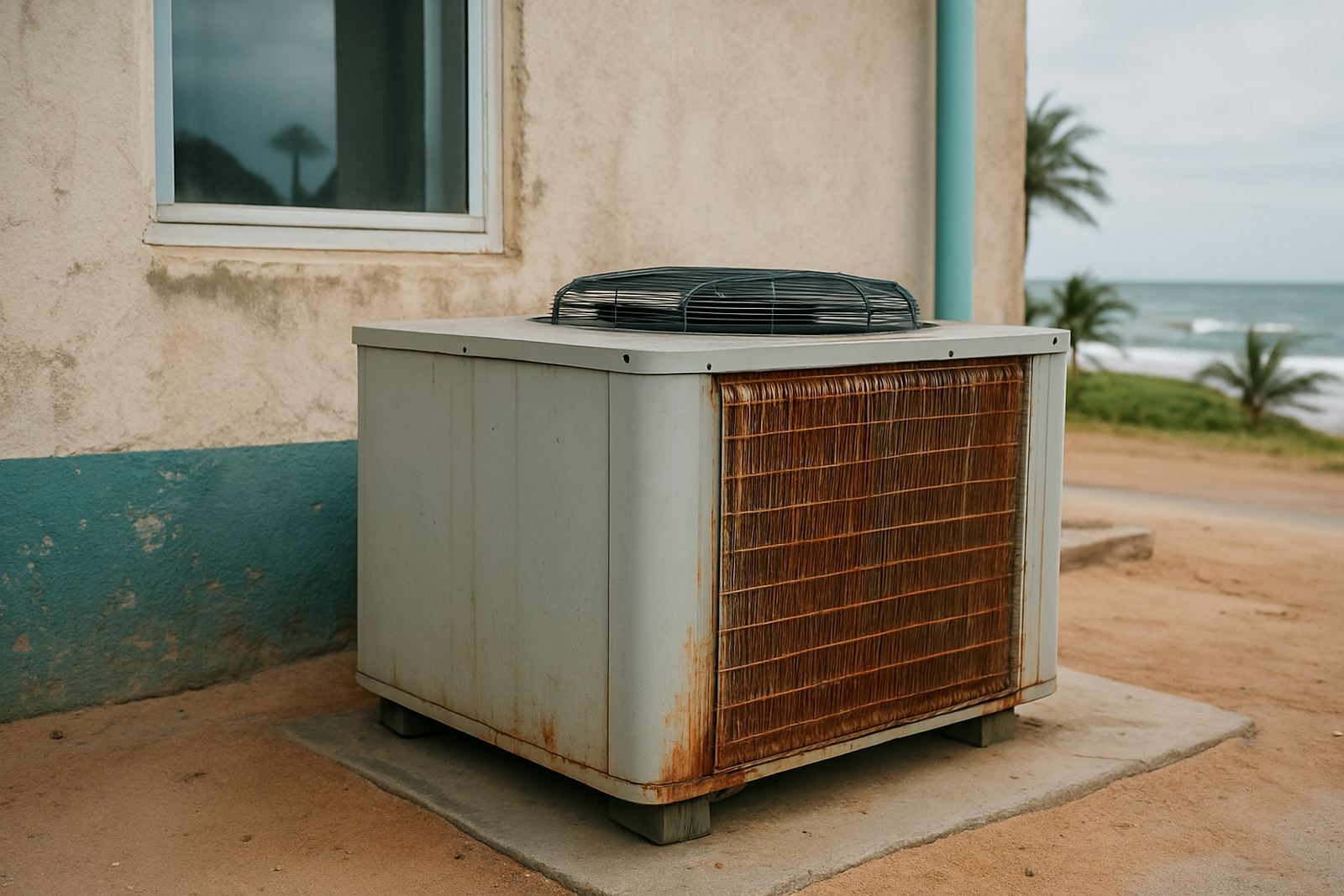
For coastal sites, corrosion resistance matters too. Salt air can shorten the life of exposed metal parts and fan housings, so regular inspection is part of the plan, not an afterthought. A system that works in winter but fails by the next humid season is costing money in breakdowns and discomfort.
What to check before installing or upgrading ventilation
Before adding equipment, it helps to study how the warehouse works in real life. A good system must suit the floor plan, stock type, operating hours and the number of people on site. It also needs to fit around existing refrigeration plant, alarms, fire exits and municipal or estate requirements where those apply.
- Measure the space, ceiling height and roof void temperatures.
- Map hot spots near chargers, compressors, loading bays and racking aisles.
- Check where fresh air can enter without pulling in dust or vehicle exhaust.
- Confirm that new fans or extractors will not interfere with fire doors or escape routes.
- Plan access for servicing, filter checks and electrical inspection.
If the warehouse stores food or chilled goods, temperature logging and compliance checks should sit alongside the ventilation plan. The aim is not just to move air, but to keep the whole environment easier to manage through the day and through summer peaks.
Keeping the system useful after the first month
Ventilation fails quietly when no one looks at it. Fans collect dust, belts slacken, grilles get blocked by pallets and workers sometimes switch equipment off if it makes too much noise. A planned maintenance schedule prevents those small issues turning into poor airflow and higher repair costs.
Service contracts are especially useful for warehouses that operate six or seven days a week. Regular checks can include fan condition, motor performance, electrical fault finding, leak detection around nearby cooling plant and temperature logging where required. That means problems are picked up early, before staff start complaining or stock starts suffering.
In Durban and along the KZN coast, the buildings that perform best are usually the ones where ventilation is treated like essential site infrastructure. When extraction and air movement are set up properly, people work better, stock lasts longer and the warehouse feels like a place that can keep up with the day.