When the power stops, temperature starts climbing
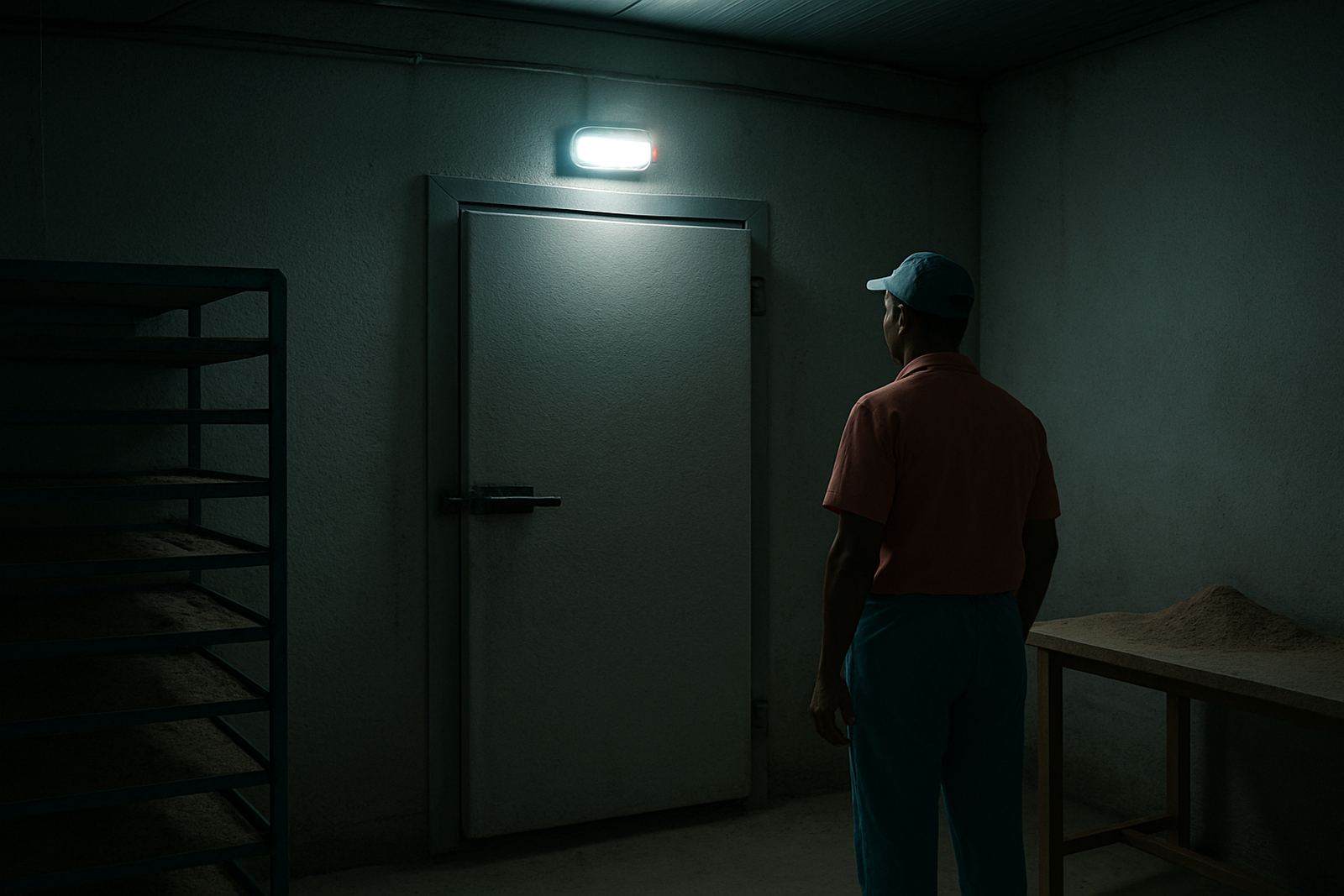
For a butcher, grocer, hotel kitchen or food manufacturer, the first problem is not the outage itself, it is what happens inside the room after the compressor stops. A freezer room that should hold -18°C can begin to drift fast if the door is opened often, if the seals are worn, or if the room is packed badly. In humid coastal air the stress is even worse because warm moist air gets in every time staff rush in and out.
Businesses in Durban often think in hours, but the risk is measured in minutes when stock is expensive or highly perishable. A few degrees of rise can mean ice cream softening, meat sweating, dairy spoiling, or a display chiller no longer staying safe for service. That is why outage planning should include the room, the load, the backup supply and the people who will act when the alarm sounds.
Know which stock can move and which stock must stay put
Not every item in a chilled business carries the same risk. A room full of frozen goods needs a different response to a display chiller holding salads, cooked meals or dairy products. The first step is to group stock by how fast it warms and how hard it is to recover after a power cut.
- High risk stock: meat, seafood, dairy, ice cream, vaccines or samples, ready-to-eat foods.
- Medium risk stock: sealed frozen products, packaged goods, and items that can be moved to another room quickly.
- Lower risk stock: empty packaging, back-up trays, and items not affected by short outages.
Keep a simple written rule sheet at the site. If a room is approaching danger, staff should know whether to keep doors closed, move stock to a neighbouring unit, or call for a cold truck. In a busy operation there is no time to ask three managers for approval while the temperature rises.
Plan for the first 15 minutes, not only the next day
The first quarter hour after an outage is often the most useful window. Good planning means staff do not stand around waiting for instructions. They already know who checks alarms, who records temperatures, and who speaks to the service contractor. A small slip in those first minutes can cost far more than the repair callout.
Practical steps for the first 15 minutes include:
- Close all cold room and freezer room doors straight away.
- Check whether the outage is local, building-wide, or only affecting one circuit.
- Record the room temperature, product temperature if needed, and the time.
- Switch on any approved backup supply if it is available and safe to use.
- Move high-risk stock only if the plan says it is safe to do so.
- Log the event for compliance and insurance purposes.
A planned response helps in places like Umhlanga or Ballito where restaurants may be full and staff are stretched, but it matters just as much in Pinetown workshops or inland depots where repairs may take longer to arrive.
Backup power helps only if the room is ready for it
Generators, inverters and battery systems are useful, but they are not a cure-all. A backup source must match the starting load of the refrigeration equipment, and the changeover must be managed properly. If the supply comes back unstable, compressors can trip, motors can strain, and control boards may fail.
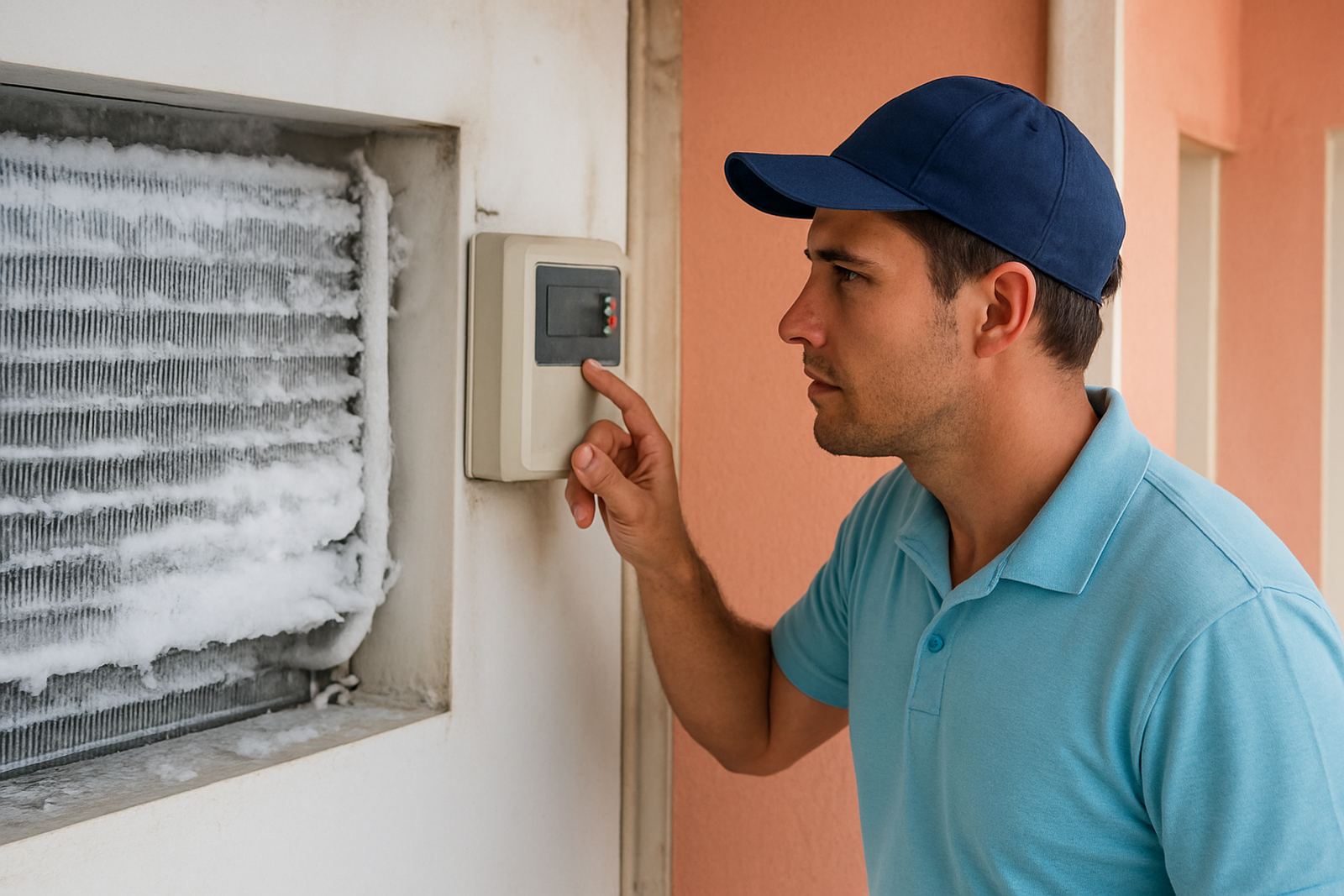
Businesses should also think about what the room was doing before the outage. A freezer room that was already leaking cold air, or a display chiller with blocked condenser coils, will need more from any backup system than a well-maintained unit. That is why planned maintenance matters. It lowers the demand on backup power and gives the system a better chance of riding through the cut.
Some sites also need to check their electrical protection and wiring. Loose terminals, worn contactors and poor earthing can turn a simple outage into a bigger fault. If the power keeps dipping, repeated restarts can be harder on equipment than one longer cut.
Local conditions on the KZN coast change the risk
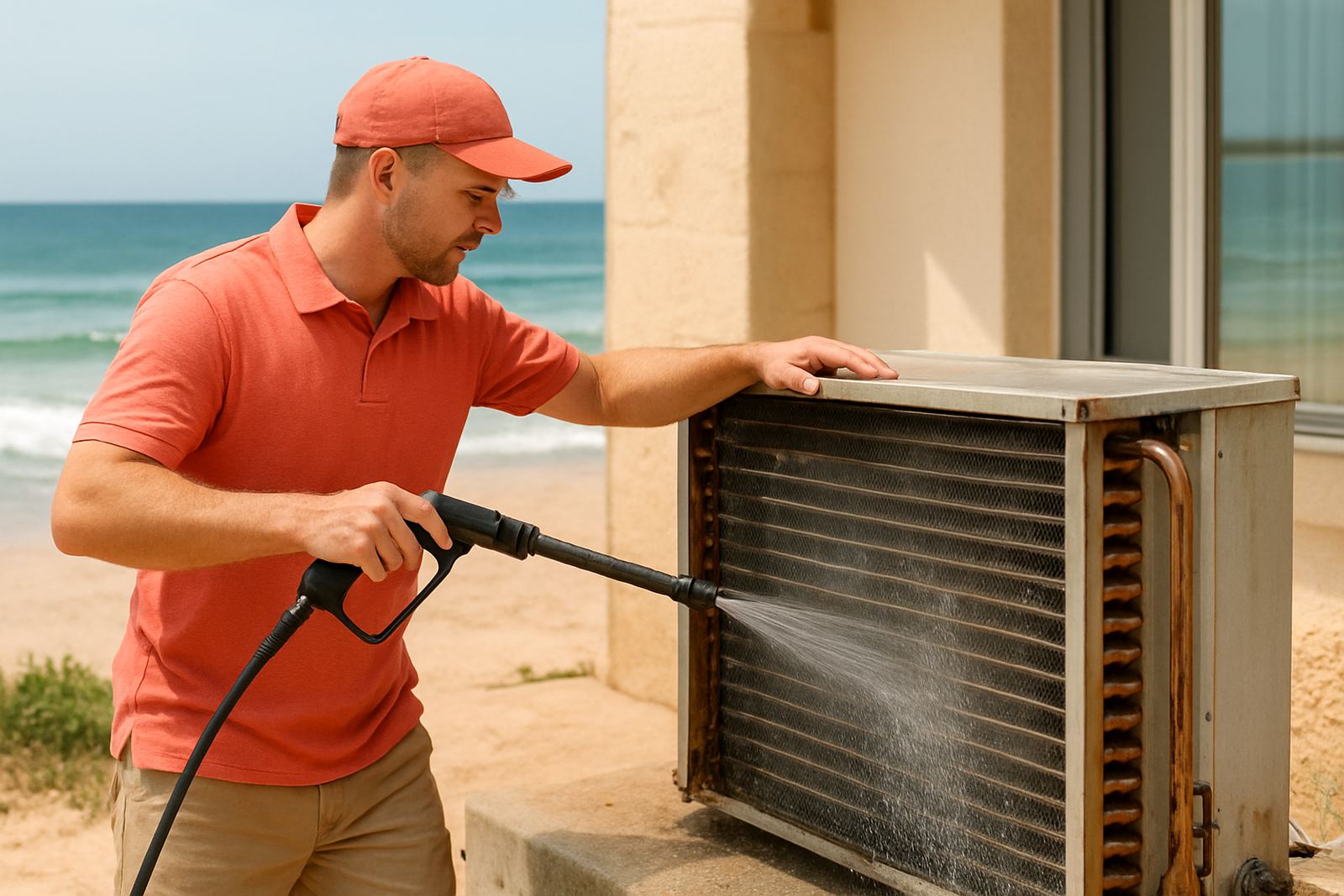
Coastal businesses face more than outages. Salt air, summer heat and high humidity all put pressure on condenser coils, door seals and control panels. A cold room in Glen Anil or Durban North may hold temperature well most days, but during a hot spell the same system can struggle after only one short interruption. That is why coastal sites need cleaner plant rooms and more regular checks than inland sites.
At one Durban food outlet, repeated afternoon cuts exposed a weak door seal and a failing fan motor in the freezer room. The stock was still safe that day because the team kept the doors shut and moved a few trays to another chilled unit, but the repair would have been far costlier if the fault had gone unseen. The lesson was simple: outages do not cause every problem, they reveal the ones already there.
What a sensible service contract should cover
A good service contract is not only about fixing breakdowns after the fact. It should help a business prepare for outages, spot wear before it becomes a failure and keep records straight for auditors or landlords. For coastal cold storage and commercial cooling, that means regular visits and practical reporting.
- Planned maintenance for cold rooms, freezer rooms and display chillers.
- Leak detection and gas top-up where needed, with proper fault tracing.
- Electrical fault finding on controls, fans, contactors and supply circuits.
- Temperature logging to show how a room behaved during an outage.
- Compliance checks and service records for food and storage sites.
For many businesses on the KZN coast, the value is in speed as much as in skill. If a room in Ballito, the South Coast or Pinetown is drifting after a cut, the right contractor should arrive with the tools to test, isolate and repair without wasting a day on guesswork.
A simple outage plan saves stock and staff stress
The best time to plan for power cuts is before the stock is in danger. Each site should have a basic list of contacts, a backup method of keeping doors shut, and a clear line on what to do when temperatures move outside the safe range. Staff should know where to find the log sheet, who calls the service team, and what stock must be protected first.
That kind of planning keeps losses smaller and keeps people calmer too. When the next cut lands, the business that already has a process will act in minutes, not panic for an hour. And in refrigeration, minutes matter.