Where strip curtains earn their keep in a busy Durban site
Strip curtains are most useful where a door opens often and needs to stay partly protected between movements. That includes cold rooms, freezer rooms, preparation areas, dock doors, wash-down spaces and some workshop entrances where chilled air must be kept in, or warm air kept out. In a humid coastal town like Durban, they also help reduce condensation at the doorway, which can mean less slipping and less icing around the threshold.
They are not a cure-all. If the door is badly sized, the traffic is too heavy for a simple overlap system, or staff need wide open access every few minutes, the curtain can become more of a nuisance than a help. The point is to match the curtain to the workflow, not force the workflow to suit the curtain.
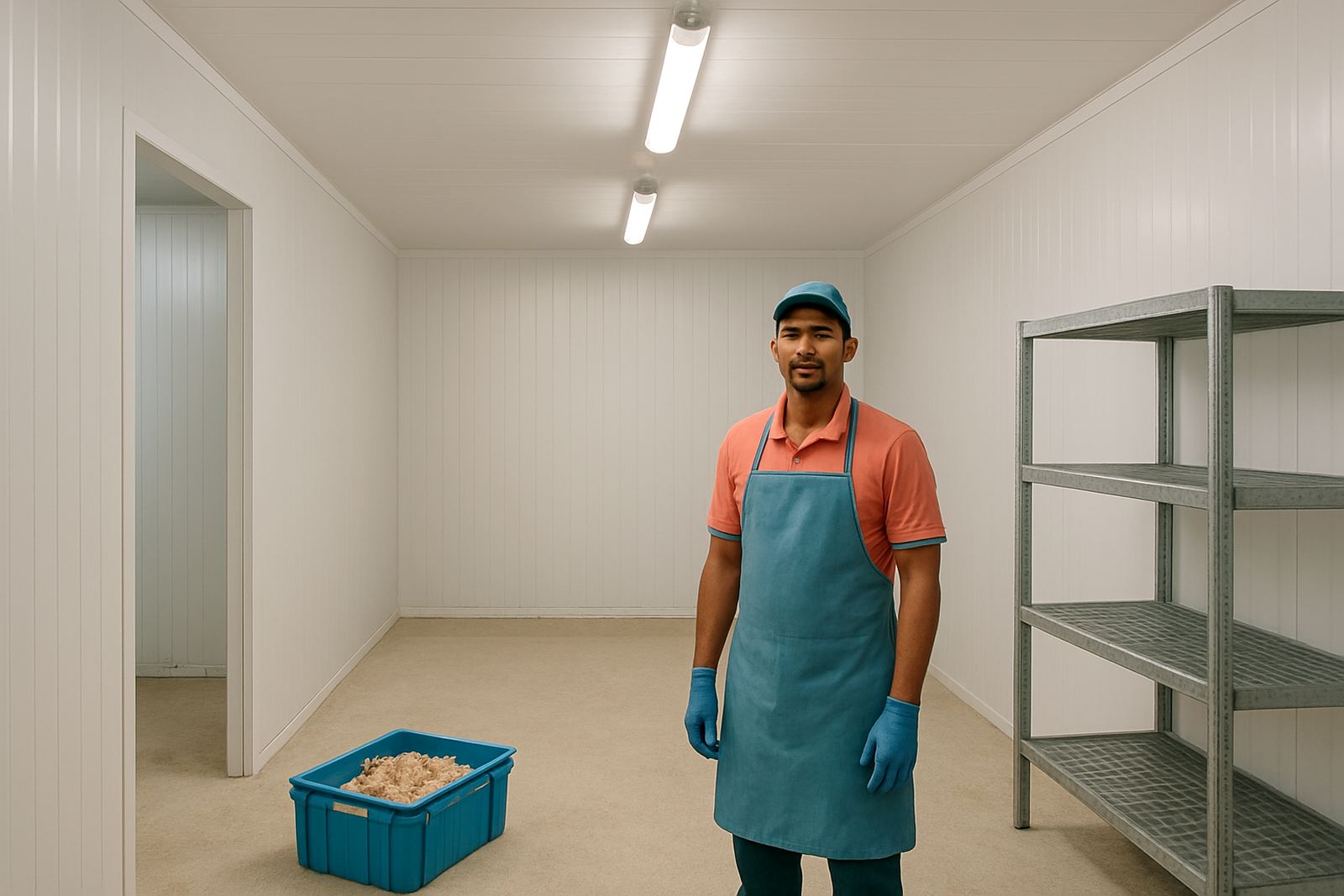
- Cold rooms where trolleys pass through many times a day
- Freezer room entrances that lose cold air every time the door is opened
- Back-of-house prep areas that need dust control and temperature separation
- Loading zones exposed to wind, rain and insects
- Facilities with load-shedding backup where every minute of thermal loss matters
The doorway measurements that matter before you order anything
The most common mistake is measuring the opening once and assuming that is enough. You need the clear width, clear height, the type of traffic moving through, and whether the doorway has uneven floors, door frames or rails that will affect the hanging point. In older buildings around Durban North, Pinetown and parts of the South Coast, the floor is often not perfectly level, so a curtain cut too short leaves a gap at the bottom.
There is also the question of overlap. Too little overlap and you get gaps that defeat the purpose. Too much overlap and staff start pushing through with carts and leaving strips bent or torn. A proper site check should also look at whether the opening needs full pedestrian access, forklift access, or a mixed use arrangement. That choice changes the strip width, thickness and spacing.
- Measure the clear opening, not just the wall-to-wall size
- Check floor level and the height of any threshold
- Confirm whether the doorway is used by people, trolleys or forklift traffic
- Note how often the door is used during peak and off-peak hours
- Allow for space above the opening for fixing rails and hangers
Choosing the right strip material for Durban heat and humidity
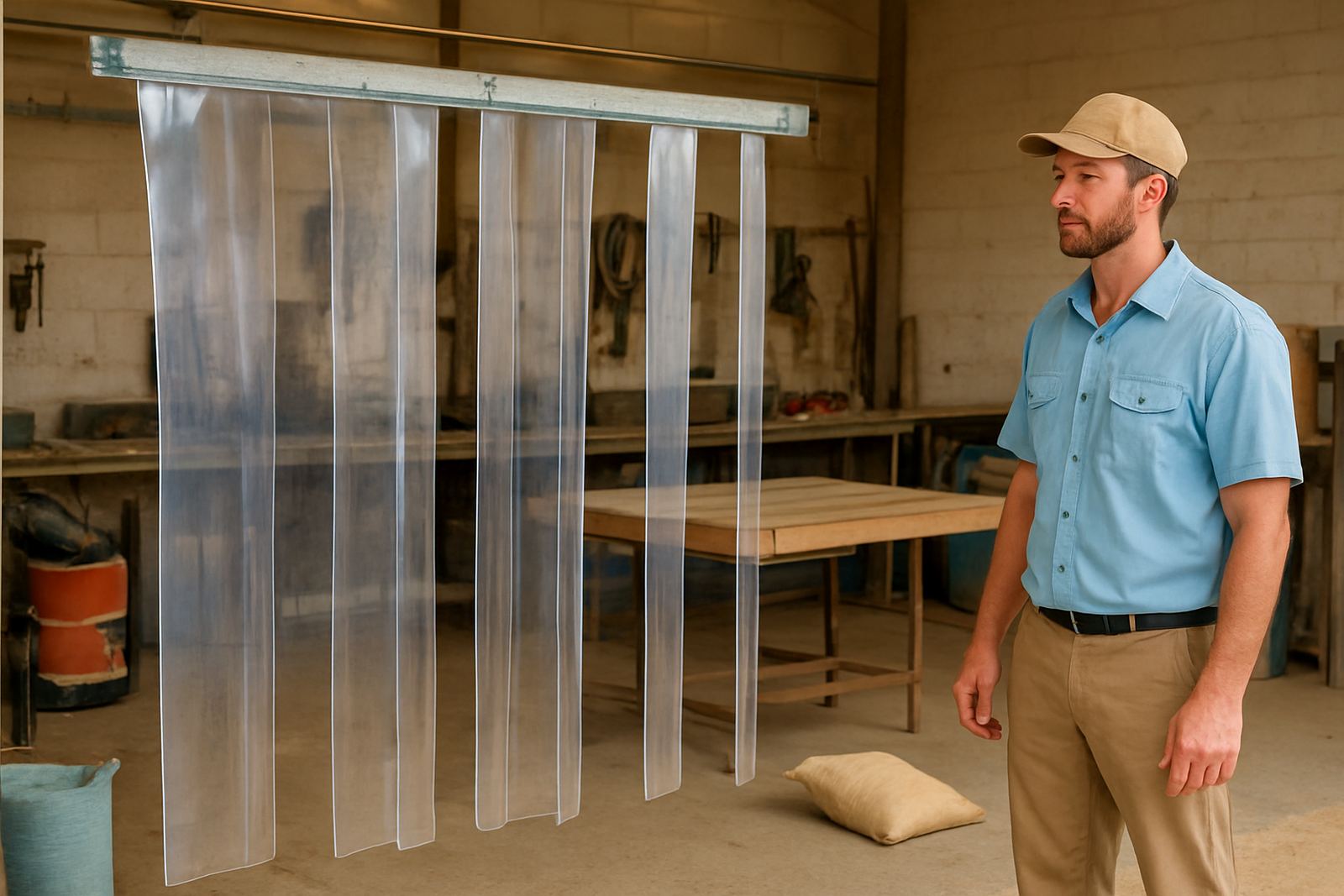
Not all strips handle the same conditions. A freezer room needs a different material and thickness from a general access doorway. If the strips are too soft they flap around too much and wear out quickly. If they are too stiff, staff struggle to push through them, which leads to damage at the edges and complaints from the people using the area every day.
For Durban's coastal conditions, the hardware matters as much as the strip itself. Moist air can affect metal fixings if the wrong components are used, and constant washing in food areas means the curtain has to cope with cleaning chemicals and regular wipe-downs. In some sites, clear strips are preferred for visibility. In others, tinted or ribbed strips are better because they reduce glare and help staff see movement through the doorway. The right choice depends on the room use, hygiene rules and how often the opening is cleaned.
- Freezer rooms usually need thicker material and tighter control at the threshold
- Chiller and prep areas often suit medium-thickness clear strips
- Wash areas may need strips that tolerate frequent cleaning and splashback
- Outdoor or semi-exposed openings need better resistance to wind movement
How layout affects access, wear and day-to-day handling
Layout makes a bigger difference than many businesses expect. If the strips are mounted too low, they drag on the floor and wear at the bottom. If they are hung too high, warm air sneaks underneath. If they are too close to the door swing, staff end up fighting the door and the curtain at the same time. Small details like this decide whether the installation lasts or becomes a regular repair job.
In a busy cold room, the best layout often includes enough side clearance for the strips to hang freely and enough overlap to keep the air barrier intact, while still allowing easy entry for trolley traffic. When the doorway sits on a route between receiving, storage and prep, the curtain must be simple enough that staff use it properly even during a rush. If they are forced to lift the strips by hand all day, wear will show quickly.
- Leave proper side clearance so the curtain does not catch on frames
- Set the hanging height for actual floor conditions, not just drawings
- Keep the curtain clear of door hardware and closing mechanisms
- Check if traffic flows in one direction or both, because that changes the overlap pattern
Signs the curtain is helping, and signs it is failing
A well chosen strip curtain should be easy to pass through, should reduce visible vapour or fog at the doorway and should slow down temperature swing when the door is busy. If your team starts propping the curtain open, bending strips out of shape or cutting sections away because they are in the way, the layout is wrong or the material is not suited to the site.
Failure is often seen first in small ways. A freezer room may begin to show ice at the threshold. A cold room may hold temperature during quiet periods but rise too fast during deliveries. A prep area may start drawing in dust or insects from outside. Once the curtain starts hanging unevenly, it usually gets worse quickly because damaged strips place more strain on the rest.
- Look for split edges, warped strips or missing fixings
- Watch for staff bypassing the curtain instead of using it
- Check for condensation, frost or wet patches at the doorway
- Review room temperature logs after busy delivery periods
A Durban example: getting the doorway right first time
On a coastal site in Glen Anil, a food handling area had a cold room that lost too much air every time stock was moved in from the receiving bay. The building had a busy access pattern, with deliveries in the morning and staff traffic all day. The first idea was to fit a standard curtain and hope for the best. After measuring the actual traffic route, checking the floor slope and looking at how the trolley wheels tracked through the opening, a better arrangement was chosen instead.
The result was a curtain set at the right height for the threshold, with enough overlap to control air movement but still easy enough for staff to use without slowing down the shift. The site saw less moisture forming at the doorway and less strain on the room during peak movement. That kind of practical fix matters in Durban because humidity, heat and power interruptions can expose weak points very quickly.
If the curtain is part of a cold room, freezer room or chiller area, it should be checked as part of the wider maintenance plan. Door seals, hinges, temperature control and airflow all work together. If one part fails, the curtain can only do so much.