






Choose the Right Room for the Job
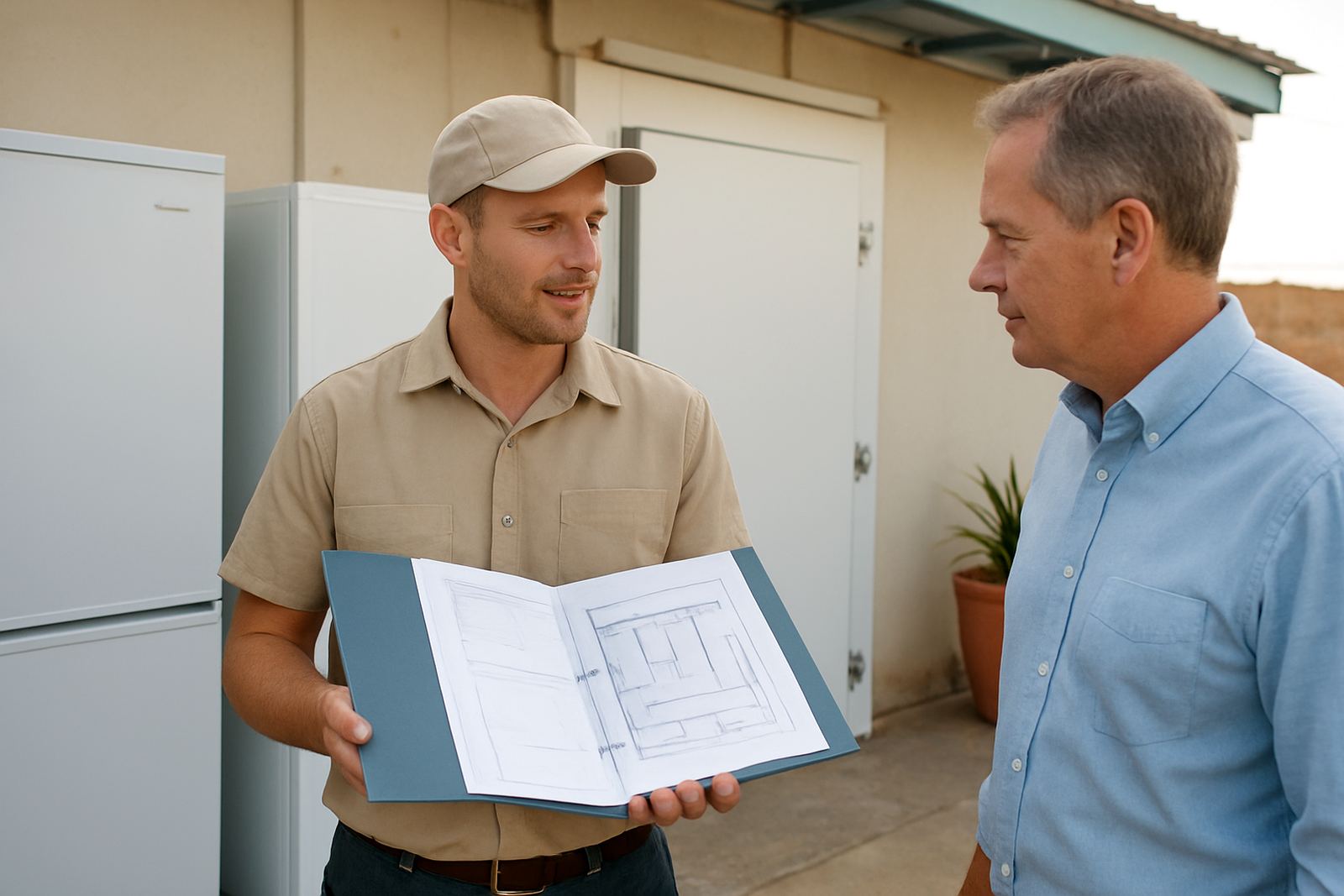
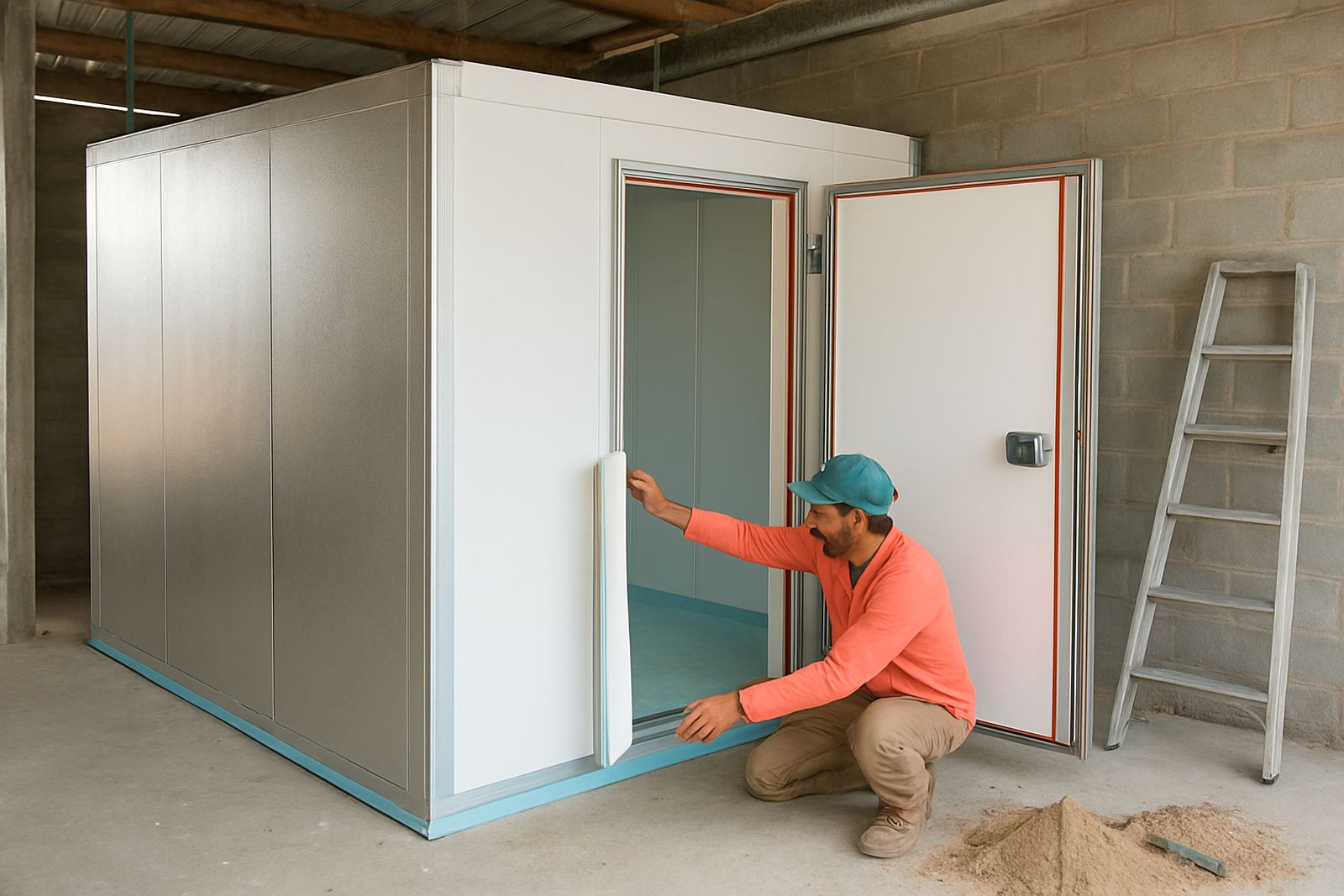
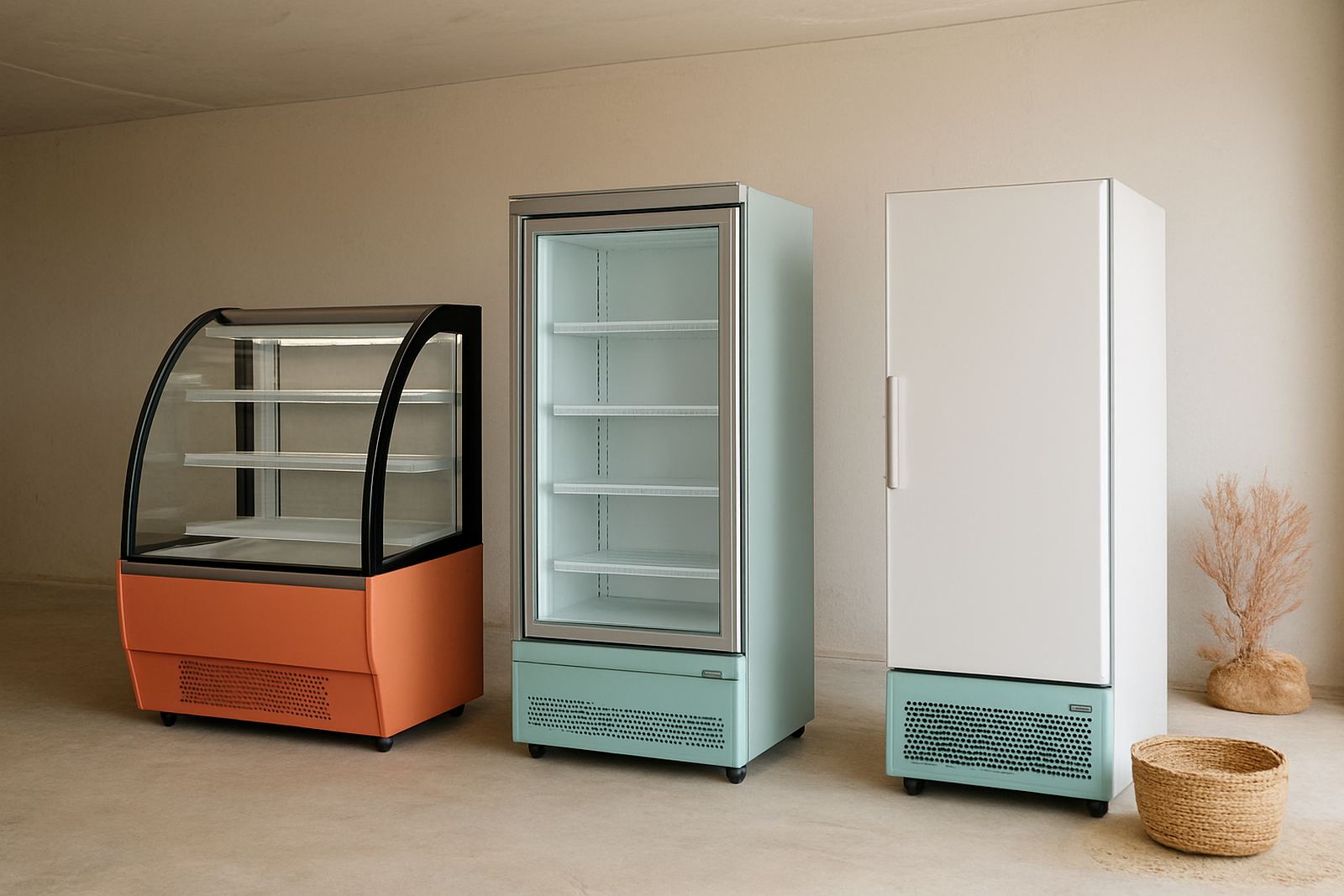
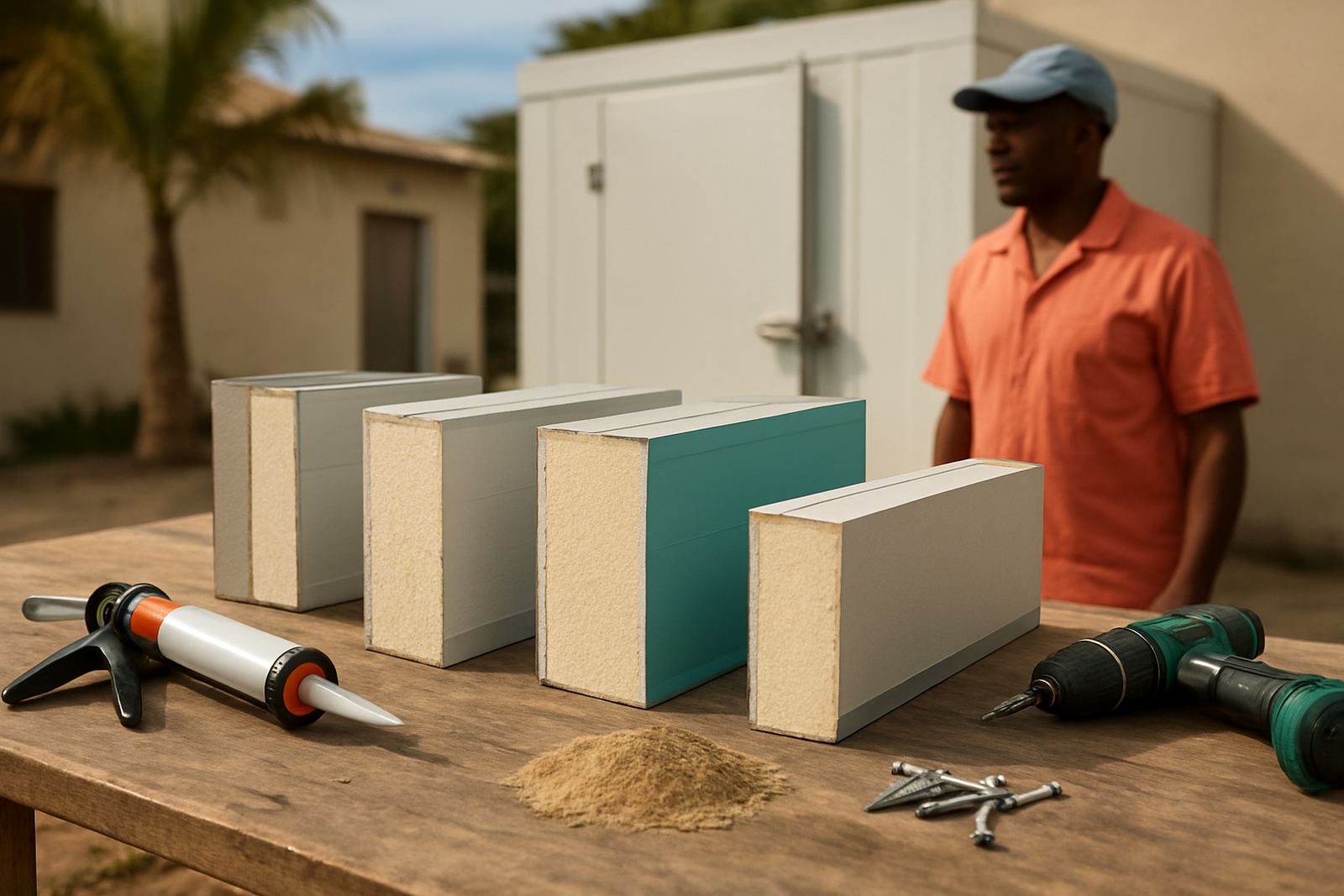
Start with what the room must do every day, not only what it must hold on paper. A cold room for produce, dairy or short-term storage behaves differently to a freezer room for long holding periods, and a display chiller has its own airflow and access needs. If the room is for a butcher, bakery, seafood outlet or wholesale backroom, the loading pattern matters as much as the temperature setpoint.
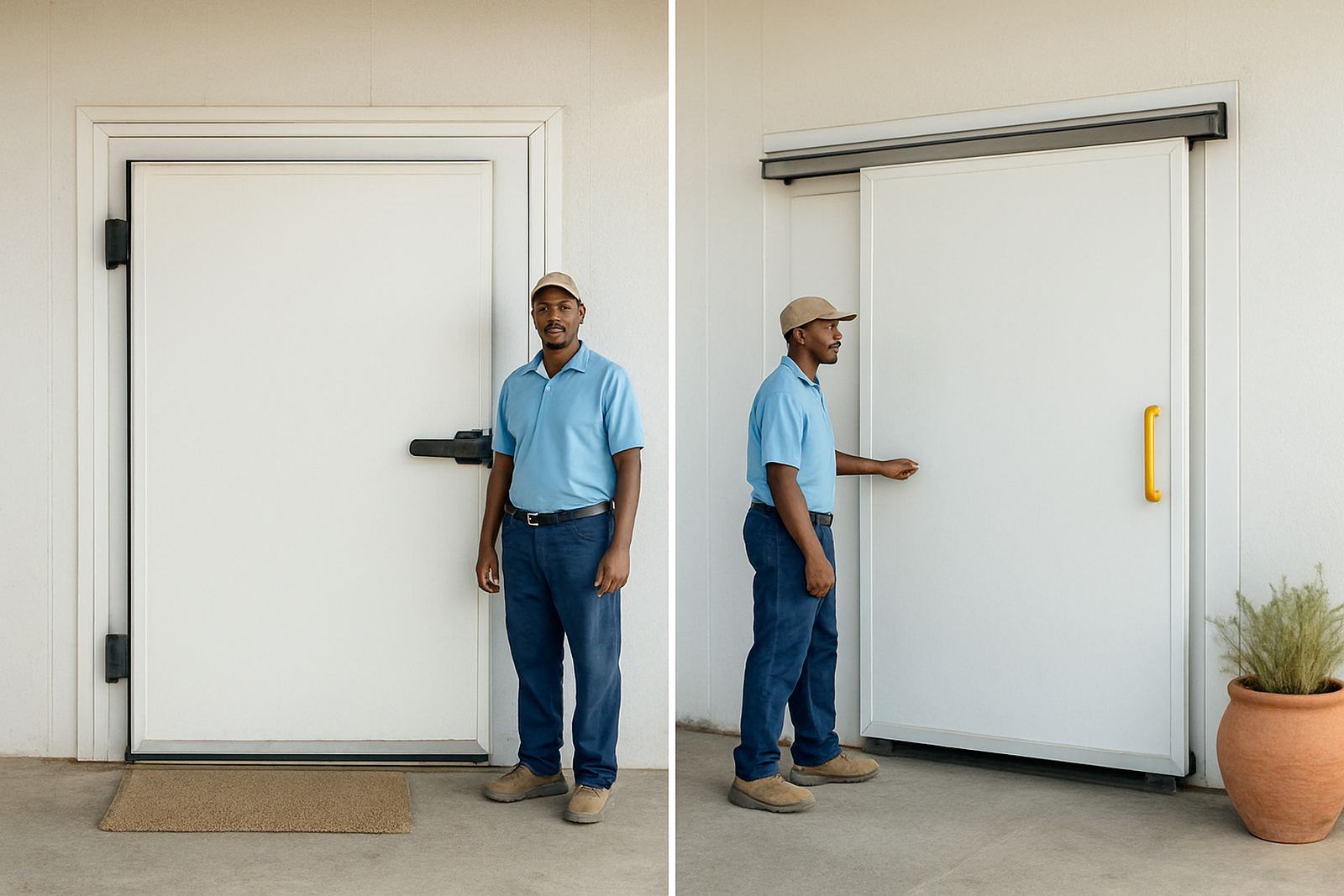
On the coast, doors open more often and warm air gets in faster, so insulation and sealing need proper attention. If the room is in Glen Anil, Durban North or Umhlanga, salty air and moisture can also affect fittings, fans and electrical parts over time. A simple room that is easy to clean and inspect usually gives fewer headaches than a fancy layout that slows the team down.
Plan Around Stock Flow and Loading
Good cold chain planning starts with how stock enters, gets checked, and leaves the room. A narrow passage can waste time when deliveries arrive before sunrise or when a wholesaler is pushing out mixed orders. The best layout leaves room for trolleys, crates, clear labelling and a safe turning circle, because loading is smoother when staff are not squeezing past each other.
- Keep high-turnover stock closest to the door
- Separate raw and ready-to-serve items where needed
- Allow space for cleaning access around evaporators and panels
- Use shelving that suits crate size, pallet size or carton size
For sites in Pinetown or Ballito where deliveries may come in batches, the loading point should not block the rest of the operation. A good guide is to map the first 15 minutes of a busy shift and see where delays happen. That usually shows where the room needs extra space, an extra door, or a different flow.
Keep Temperatures Stable During Load Shedding
Durban businesses know that power interruptions can spoil a good week very quickly. Cold rooms and freezers need more than a backup plan on a page, they need an operating routine that staff can follow at short notice. Check how long the room can hold temperature, what happens to product during an outage, and whether doors are being opened too often when power is off.
Temperature logging helps prove what happened if stock is questioned later and also shows whether the room is cycling properly. If a site has a generator, the changeover must be tested under actual load, not just once when everything is quiet. A room that behaves well on a normal day can still struggle during load shedding or after a long opening cycle, so the tests need to reflect real use.
Maintenance That Fits Coastal Conditions
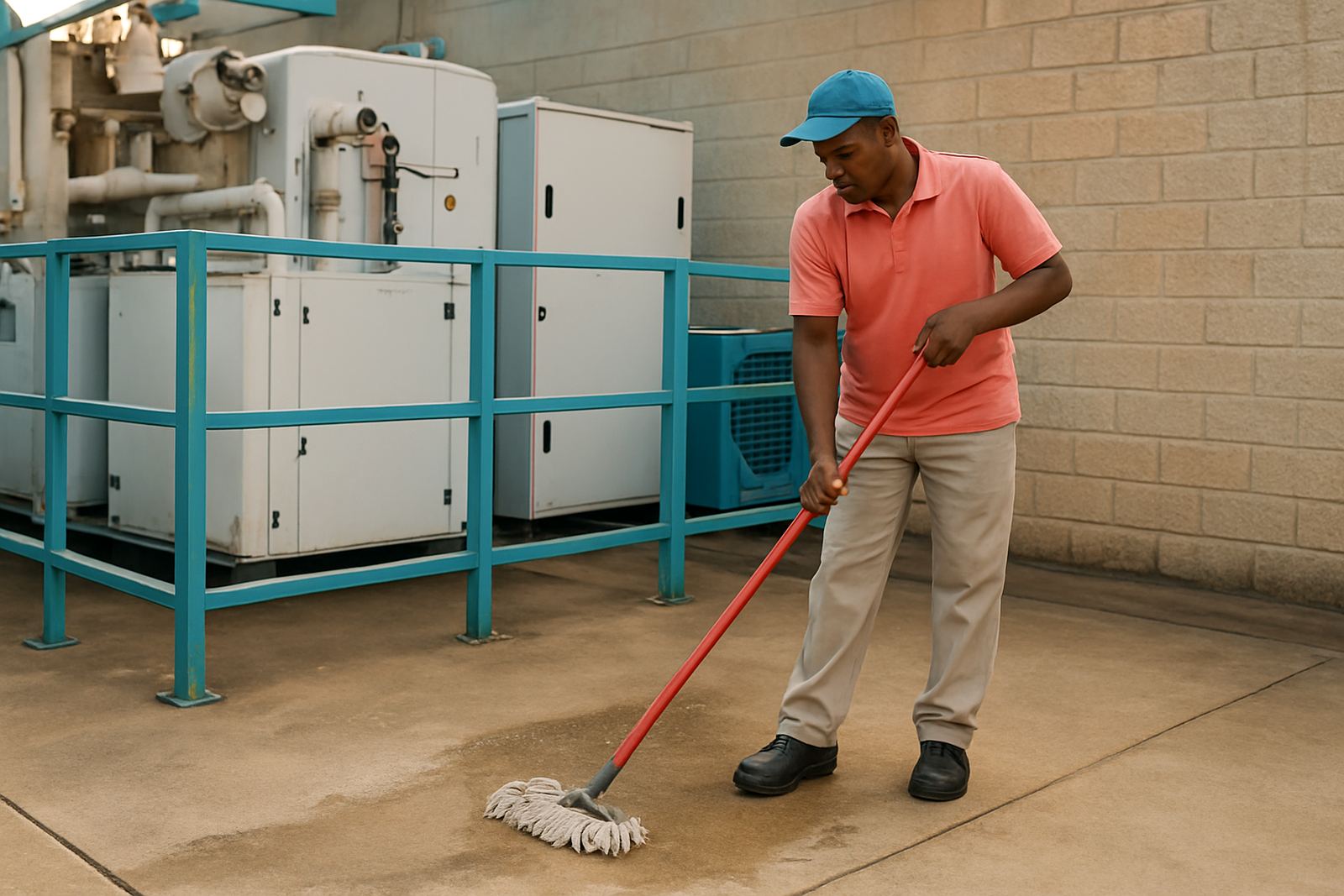
Salt air, fine dust and high humidity can shorten the life of refrigeration and air-conditioning equipment if servicing is left too long. Coils clog, fans strain, and small leaks become bigger problems when a system runs hard through summer. Planned maintenance is usually cheaper than emergency call-outs, especially for sites trading seven days a week.
- Clean condensers and check airflow regularly
- Inspect door seals, hinges and closers
- Test defrost cycles and drain lines
- Check electrical connections for heat or corrosion
- Record temperatures and faults after each service
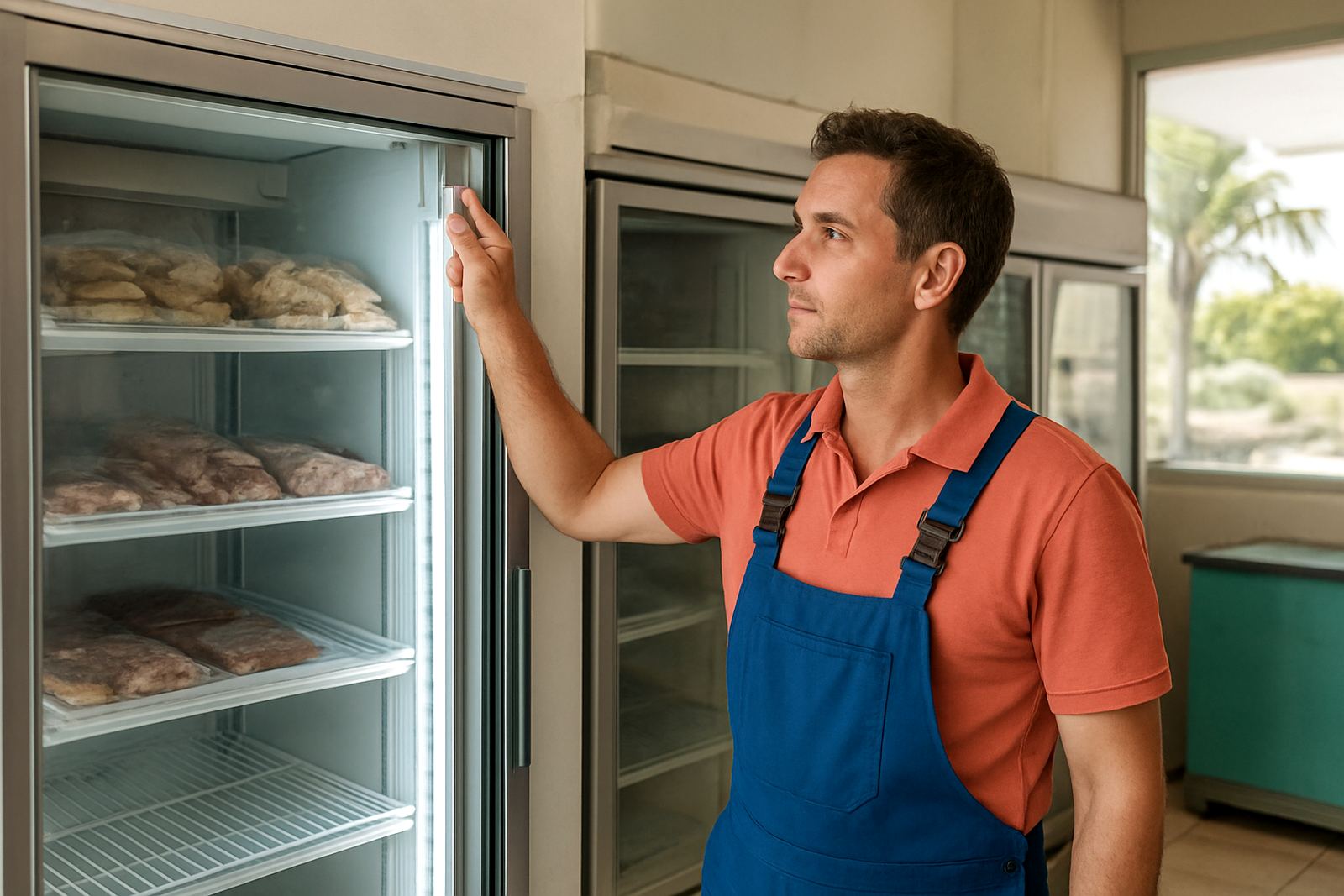
For freezer rooms in South Coast towns or display chillers in busy retail spaces, regular checks also help keep food quality consistent. A technician should look at the whole system, not only the obvious fault, because a blocked drain or weak seal can hide behind bigger conditons for months.
Compliance Checks Buyers Should Ask For
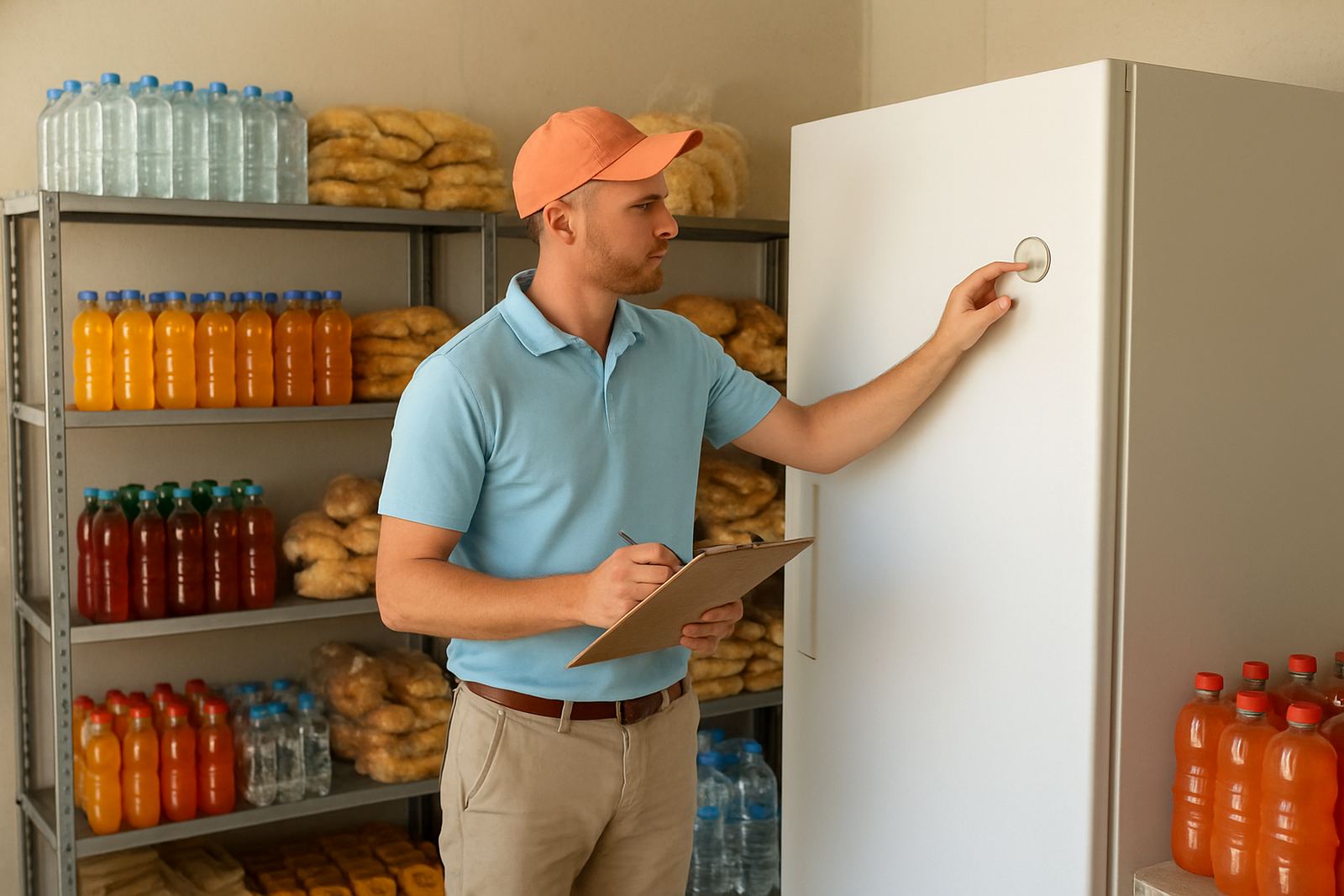
Many operators only think about compliance when an inspector arrives, but the better approach is to keep records ready all the time. Temperature logs, service notes, electrical fault findings and maintenance dates should be kept in one place. This is useful for internal audits, landlord discussions and customer queries, especially where the business handles food that moves through several hands.
Ask whether the room meets the needs of the product, the site and the municipality rules that apply to waste, drainage and safe access. If the room is in a mixed-use building, noise, heat rejection and outside equipment position may need to be planned carefully. A neat compliance file does not replace good workmanship, but it does make life easier when something needs to be checked quickly.
Use the Guides as a Decision Tool
This hub is here to help buyers, managers and operators compare options before they commit to a room type or a service plan. Some guides focus on cold rooms and freezer rooms, others on display chillers, air-conditioning, maintenance or fault finding. Read the guides in the order that matches your problem, then use the details to brief your contractor, supplier or site team.
If you are planning a new site, expanding in Umhlanga or improving an older room in Durban North, start with the questions that affect daily use: how much stock moves, how often the door opens, what happens during load shedding, and who will keep records. That simple check often saves a lot of back-and-forth later.
- New build or upgrade?
- Storage or display?
- High turnover or long holding?
- Generator backup or no backup?
- Service contract or ad hoc call-outs?