Where the cold chain first starts to drift
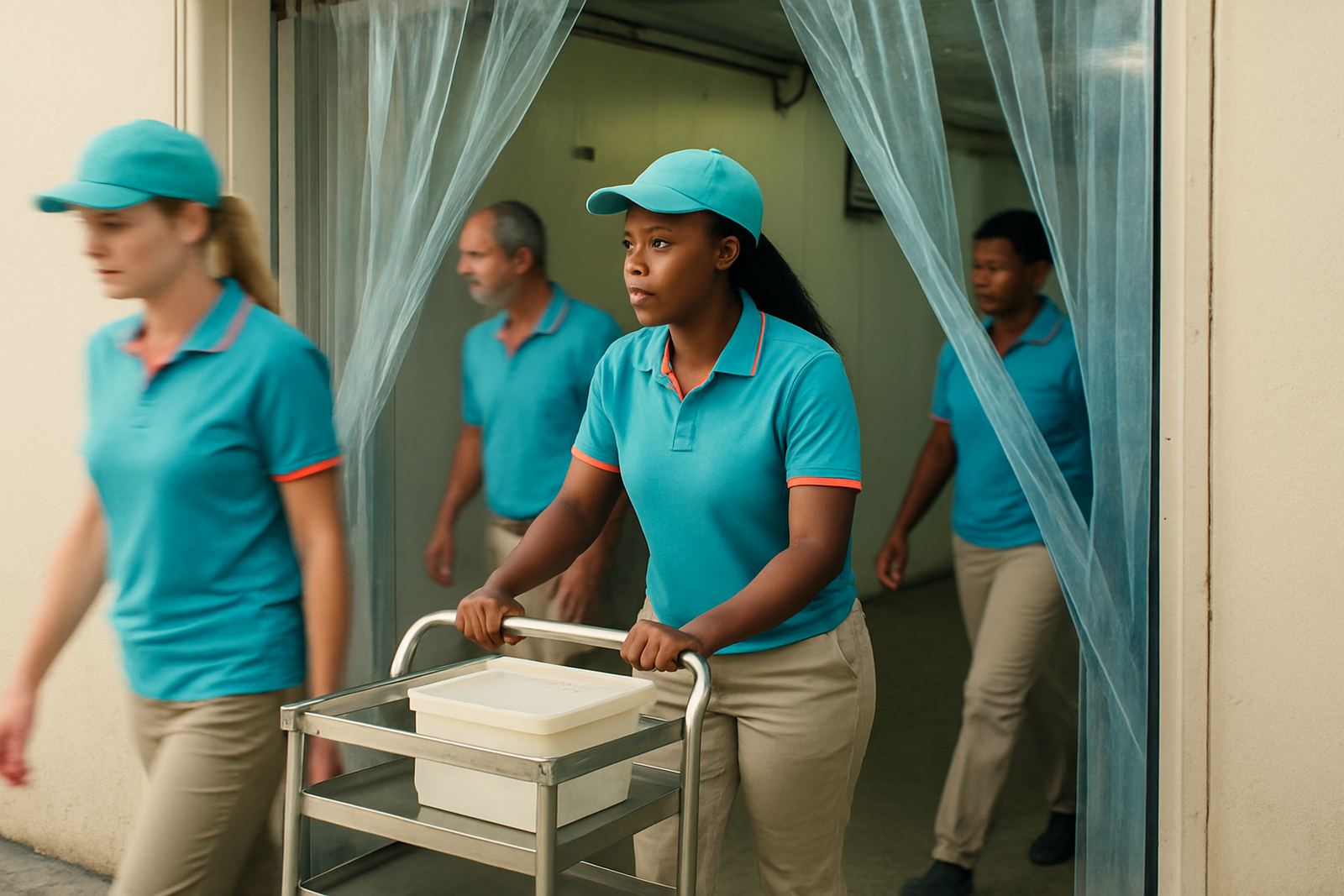
Most meat loss starts before product reaches the display. If chilled stock arrives from a supplier already running warm, the room must work harder to pull it back down and that extra load shows up fast on the bill. The same problem happens when cartons stand in the sun at the loading bay in Durban North or along the South Coast while staff check paperwork.
Meat should move quickly from delivery to storage, with doors kept open for the shortest time possible. A short delay in high heat or humid air can raise the surface temperature enough for bacteria to start multiplying, even if the centre still feels cool to the touch.
- Check delivery temperatures before signing off stock.
- Keep a clear path from receiving to chiller or freezer.
- Do not leave product on trolleys near the roller shutter.
- Record any late delivery, warm load, or torn packaging.
Prep areas that quietly warm product up
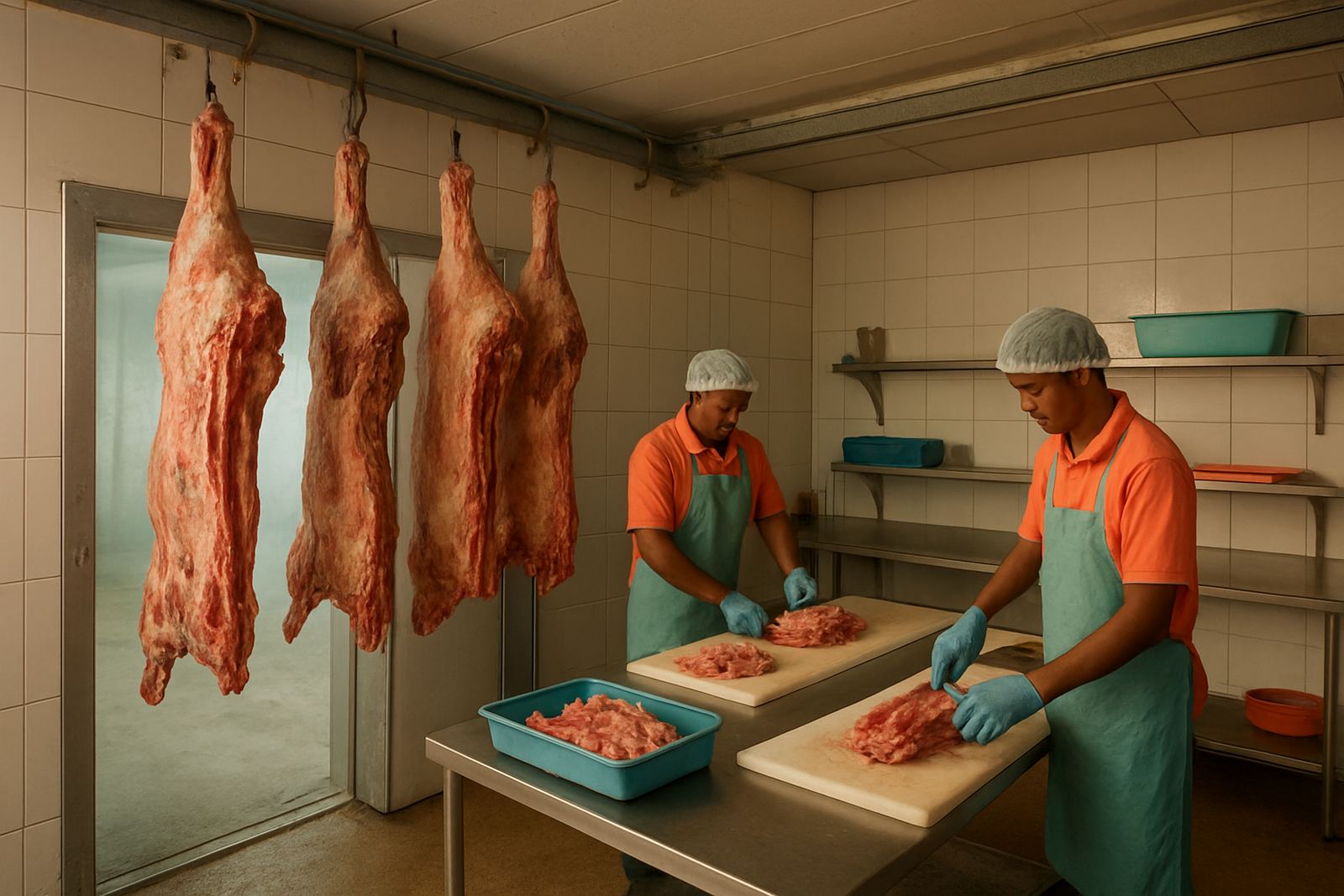
Cutting, trimming and portioning are often the weak points in a butcher’s day. Product is taken out for too long, left under lights, or stacked too deep on a prep table. Even when the room is air conditioned, one hot corner near a grill, slicer or busy wash-up point can push temperatures up faster than staff expect.
Good practice is simple. Work in smaller batches, return unused stock to cold storage quickly, and keep prep surfaces clean so there is no need to pause for rework. On warmer days in Durban, a small slip in timing can be enough to affect the whole tray.
- Use shallow trays instead of deep piles of meat.
- Keep lids on where practical between cuts.
- Separate raw product from ready-to-cook items.
- Log room temperatures at the start of shift and after busy periods.
Display cabinets are part of food safety, not only sales
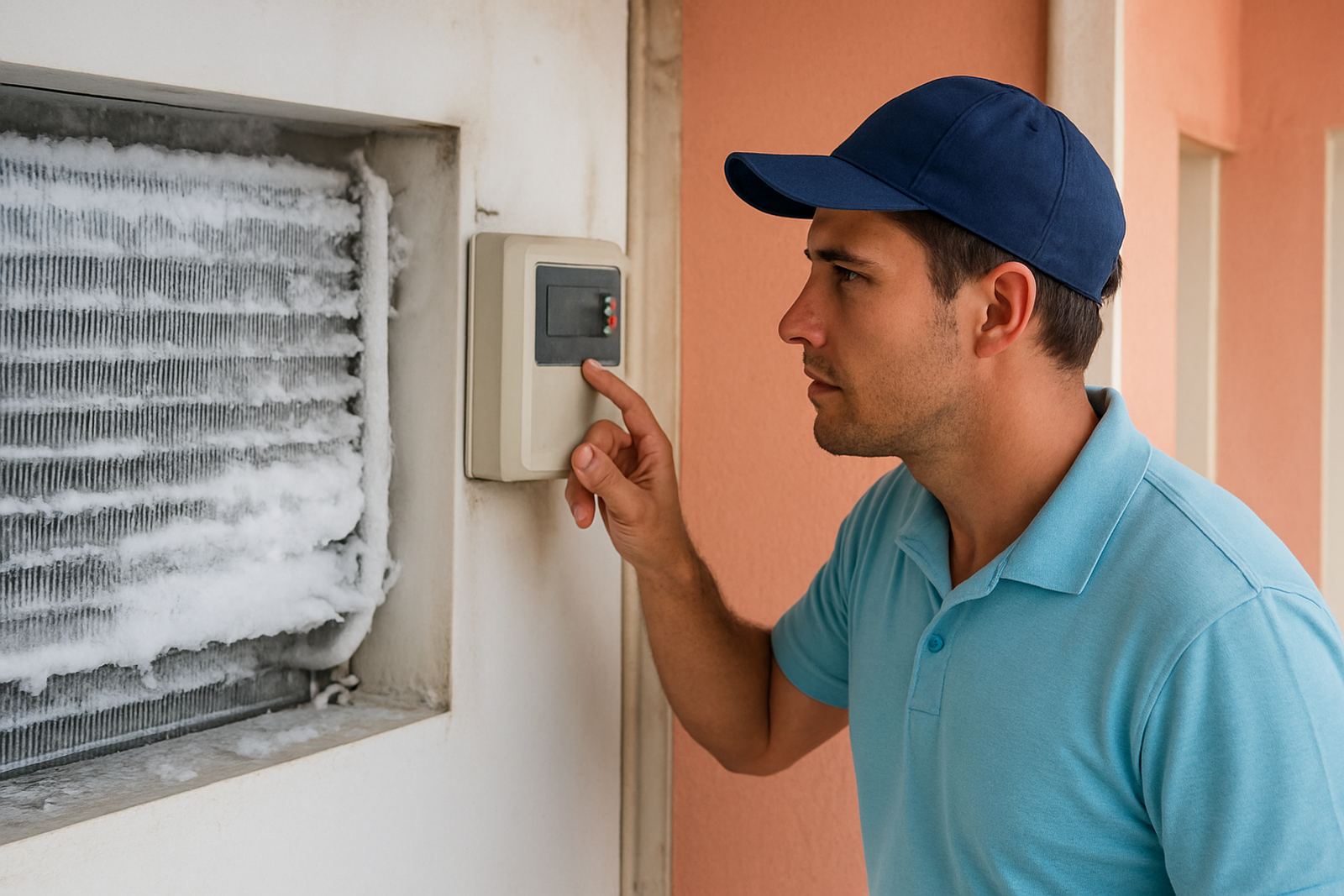
Retail display is where many butchers lose control because the cabinet looks cold while the product at the front warms first. Doors that do not seal properly, blocked return air paths, dirty condenser coils and overfilling all make the cabinet struggle. In coastal air, corrosion can also attack drains, hinges and fan parts, which then leads to drip issues and poor airflow.
A display chiller must be loaded for airflow, not for looks alone. Meat packed too tightly against the glass or pushed over the cold air outlet will not hold temperature evenly. If one side of the cabinet is noticeably warmer, the fault may be electrical, mechanical or simply the result of poor stock rotation.
- Leave space around air outlets and return grilles.
- Rotate stock so older packs sell first.
- Wipe spills quickly to prevent ice and odours.
- Watch for misting, soft seals and broken shelf lights that add heat.
Freezer rooms need more than a working compressor
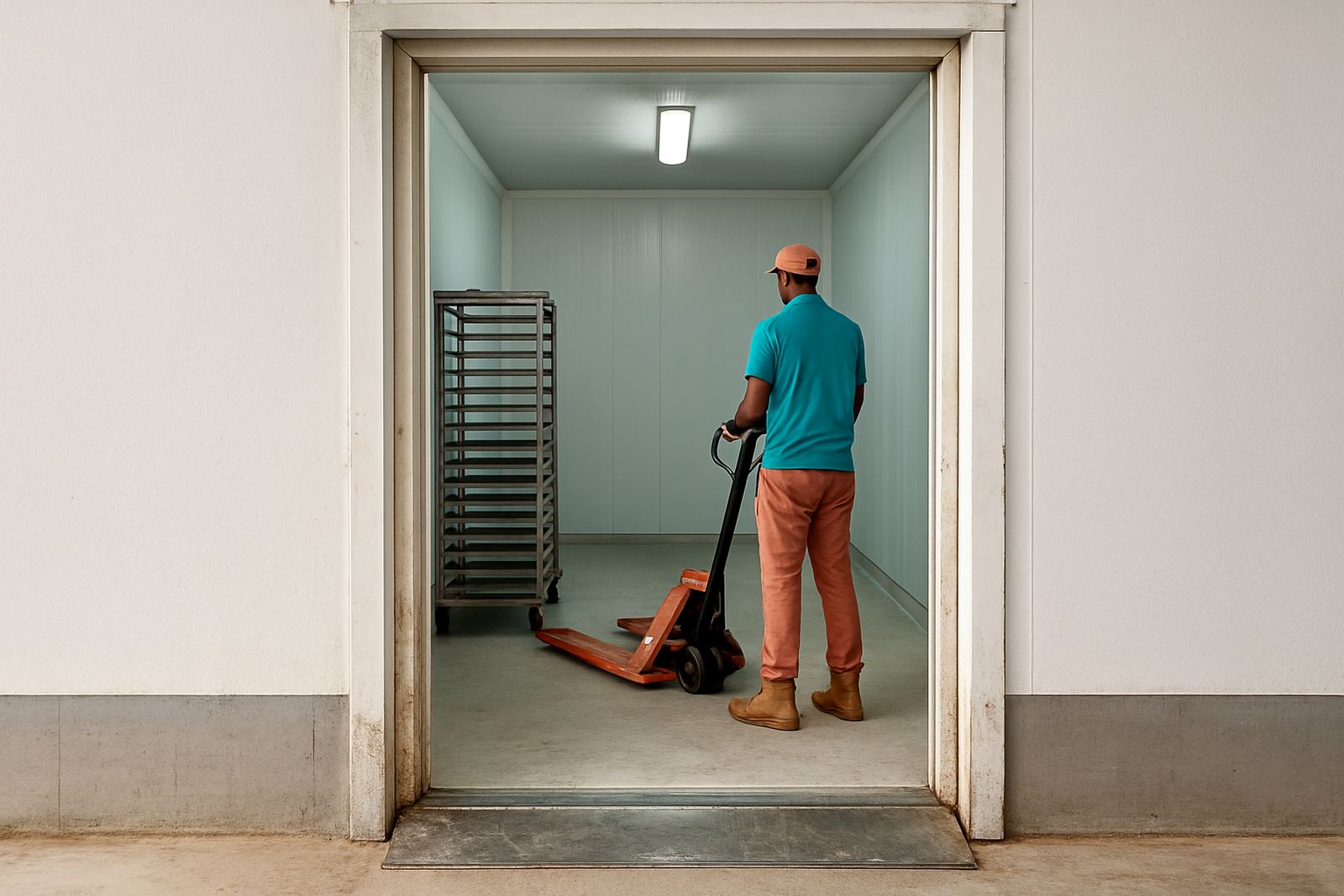
A freezer room can seem fine until you check the details. If the door closer is weak, warm air enters every time staff fetch stock. If the strip curtain is torn, frost builds faster. If the floor drain is blocked, ice and water can creep into a corner and damage cartons. These small faults cost more during August cold snaps and summer heat alike because the system is always working against a load.
Freezer performance should be measured, not guessed. Temperature logging gives a record of what happened overnight, during deliveries and over weekends when the shop is quiet. That record matters when you need to show due care to a health inspector or to your own quality team.
- Inspect seals, hinges and closers every week.
- Check for ice around doors, fans and ceilings.
- Keep cartons off the floor for air circulation.
- Investigate repeated defrost cycles or unusual compressor noise.
Power cuts and municipal supply issues on the coast
Load-shedding is only part of the problem. Some sites also see voltage dips, tripping at the board, or water ingress after heavy rain. In places like Pinetown and Ballito, we often find that a refrigeration system is not failing because it is old, but because the electrical supply around it is unstable and nobody has traced the cause properly.
When power returns, equipment should not be rushed back into service without a check. Compressors can short-cycle, controls can reset badly, and warmer product may need to be moved into a backup room before it reaches the danger zone. A service contract gives you someone to call when the unexpected happens at 6am or after trading hours.
- Know which rooms and cabinets are on essential power.
- Keep a written restart procedure by the switchboard.
- Test backup cooling plans before peak season.
- Use temperature logging after every outage, even a short one.
A Durban butchery example and what it shows
A family butcher in Glen Anil may look busy and orderly on the surface, yet one failed door seal on a freezer room can undo that work. We have seen a store where the display stayed full, but the rear storage room was running warmer after repeated door openings and a tired condenser fan. Product loss started as a slight odour and ended in stock write-offs, extra cleaning and a weekend call-out.
The fix was not one single repair. The team needed seal replacement, electrical fault finding, coil cleaning, a better stock rotation routine and a maintenance schedule that matched trading hours. That is often the real answer in meat retail. Cold chain protection is not a one-off repair, it is a daily habit backed by proper servicing.
For butchers on the Durban coast, practical support matters because the weather, power supply and customer traffic all change through the year. If your cold rooms, freezer rooms or display chillers are working harder than they should, the warning signs are usually there long before stock is lost.