What frost on a coil is really telling you
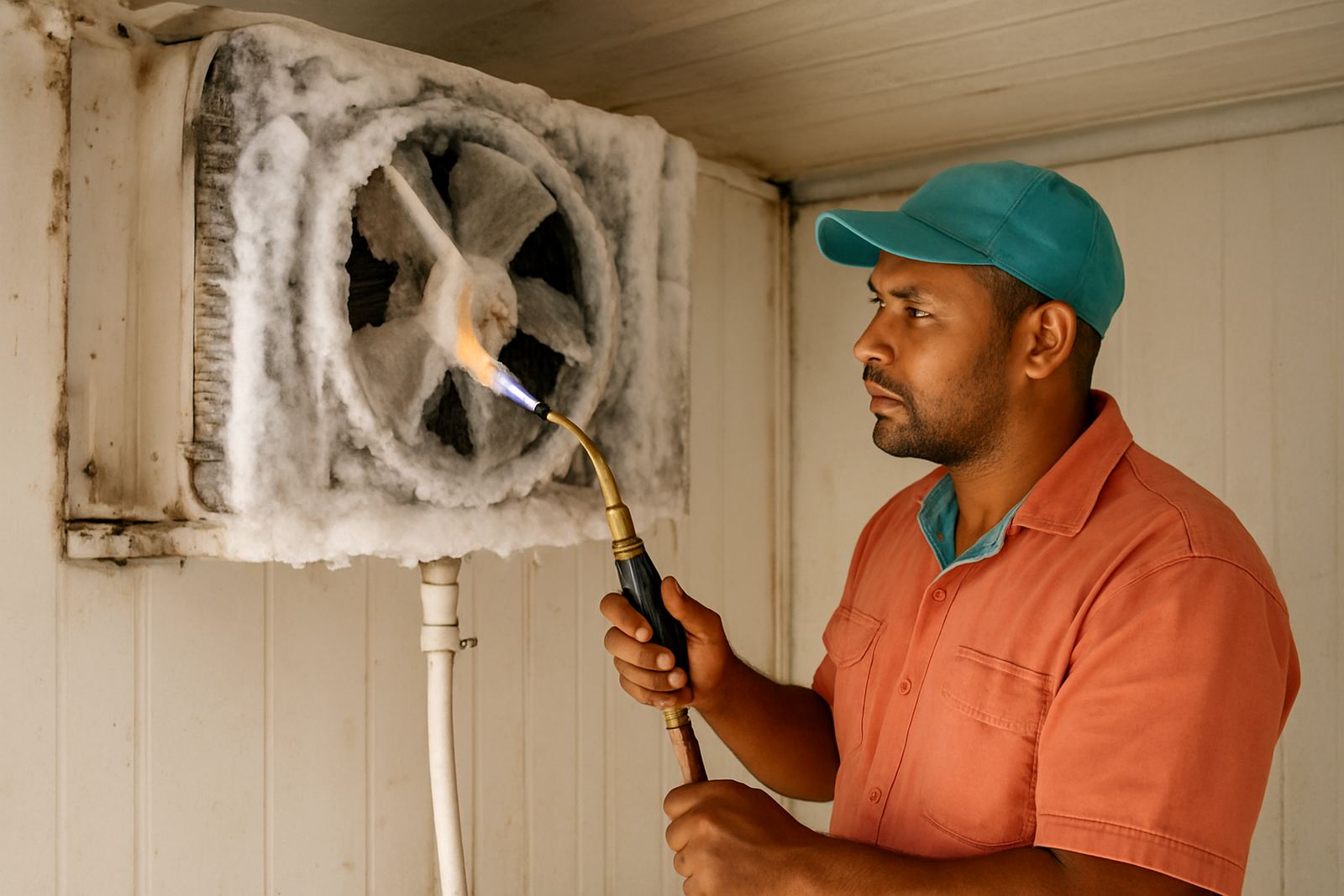
An evaporator coil should pull heat from the air, not build a white block of ice. When frost starts forming, the system is struggling to absorb heat properly and the air moving through the cabinet or room begins to slow down. That is when product temperatures creep up, compressors run longer and power use jumps.
In practical terms, a frosted coil often means the unit is no longer getting enough warm air across the fins. The cause can be as simple as a blocked return air path or as serious as a refrigerant leak. Either way, the equipment is warning you early if you know what to look for.
The most common reasons an evaporator freezes over
At Coastal Cooling Systems, we usually find one or more of the faults below during cold room and freezer room call-outs in Durban, Pinetown and along the coast:
- Dirty filters, blocked grilles or poor air circulation around the unit
- Evaporator fans not running, running slowly, or spinning the wrong way after electrical work
- Low refrigerant charge caused by a leak on pipework, valves or joints
- Defrost timer, heaters or controls not cutting in when they should
- Door seals leaking warm moist air into the room
- Product stacked too close to the coil, stopping airflow
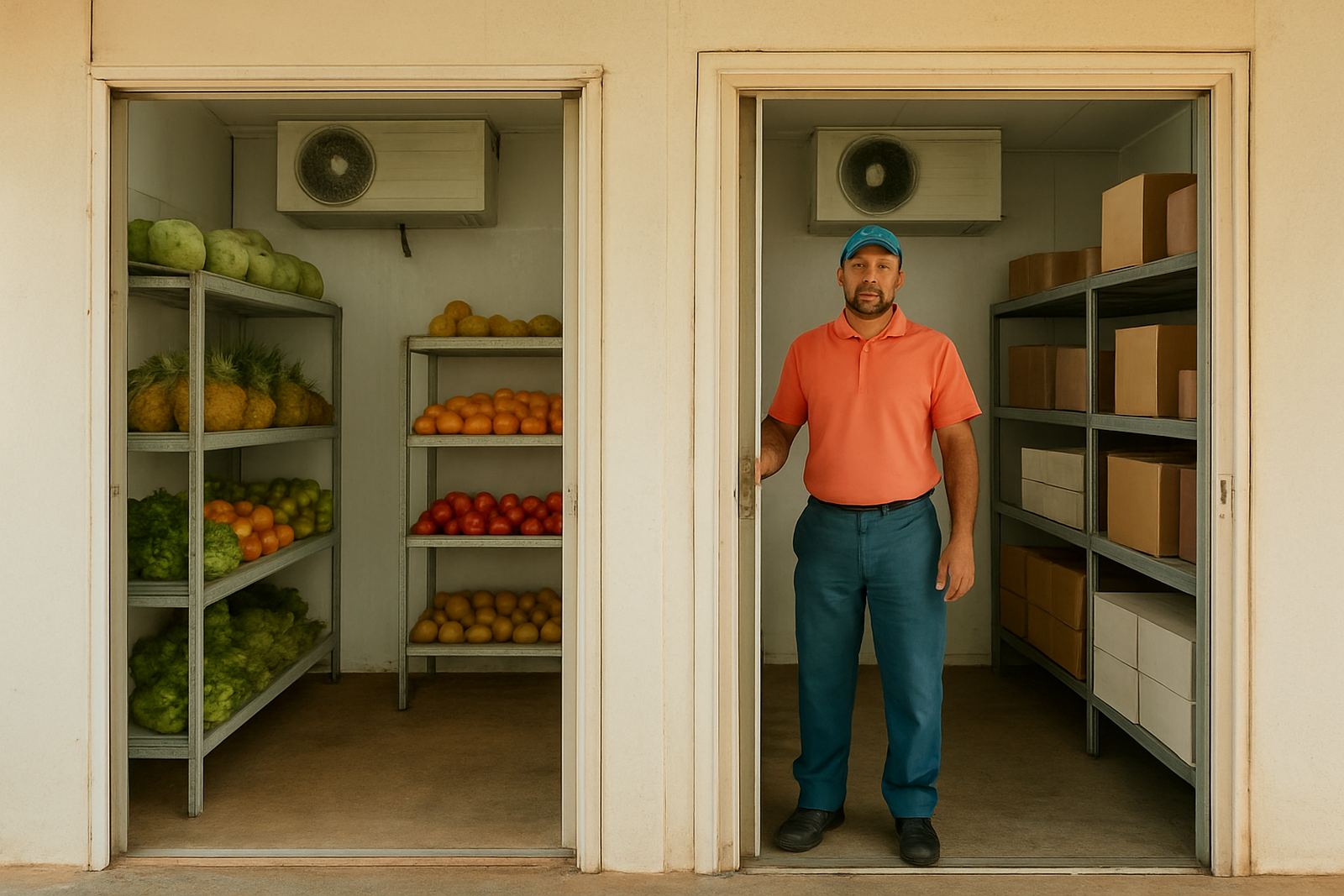
A freezer room that is opened often during deliveries will frost much faster than a store room that is used lightly. On the KZN coast, high humidity makes the problem show up sooner, especially during hot summer afternoons when doors stay open a bit too long.
How a small airflow problem turns into a bigger breakdown
Ice does not stay harmless for long. As the coil blocks up, airflow drops and the temperature inside the room becomes uneven. The top shelf may look fine while the lower crates start softening. In display chillers you may notice misted glass, weak air throw and stock that feels warmer at the front than at the back.
Once the evaporator is packed with frost, the compressor has to work harder to pull the room back down. That can cause short cycling, higher amps and extra wear on contactors, fan motors and capacitors. If the system is left too long, the ice can spread into the drain tray and freeze the drain line too, which leads to overflow and water damage when the unit finally thaws.
What our technicians check during servicing
Good servicing is not only about wiping a coil clean. It is about finding the reason it iced up in the first place. During planned maintenance visits, our team checks air movement, temperature control and electrical condition so the fault does not return a week later.
- Measure suction and discharge pressures against operating conditions
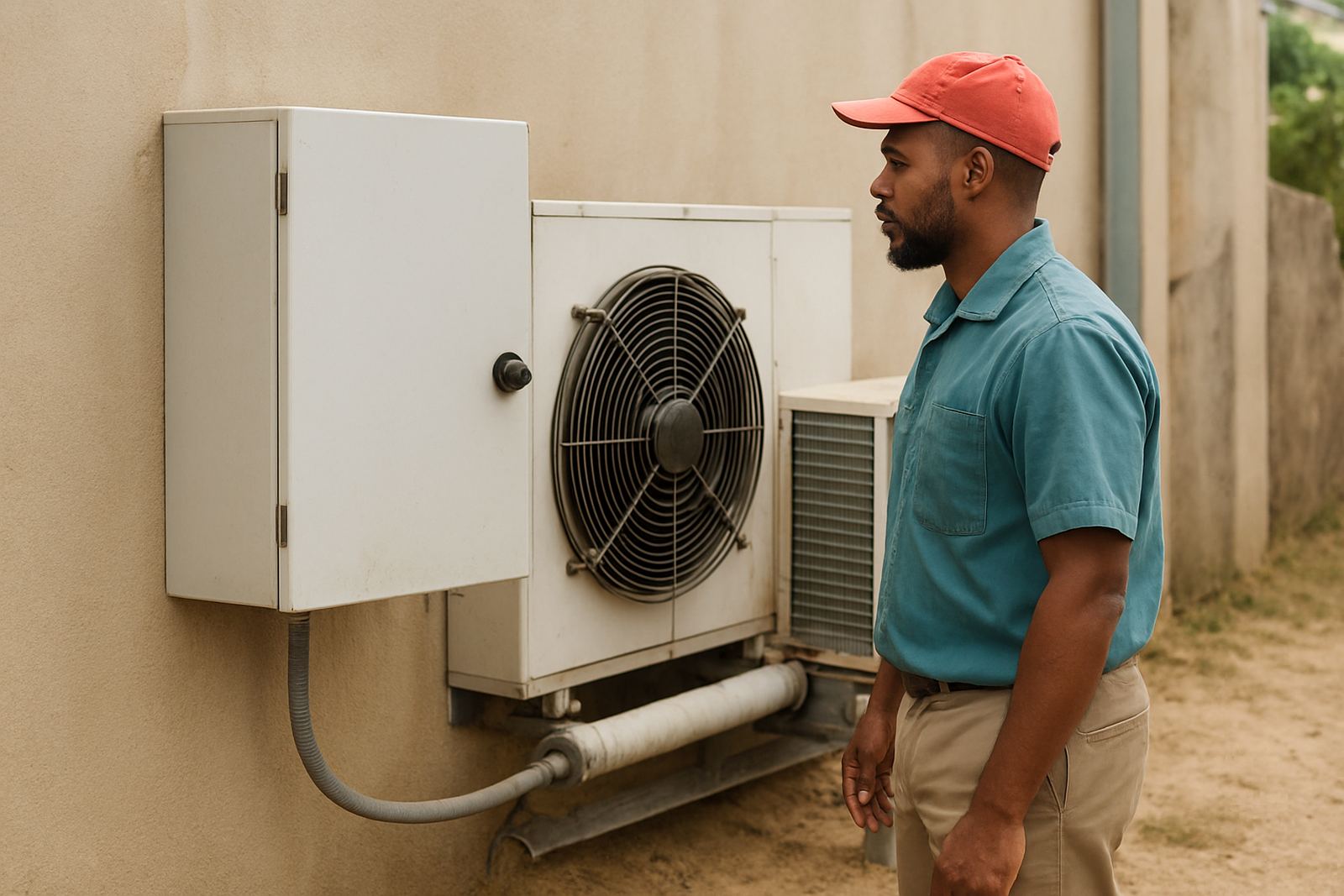
- Inspect fans, motors, belts and fan guards where fitted
- Check defrost settings, heaters and termination controls
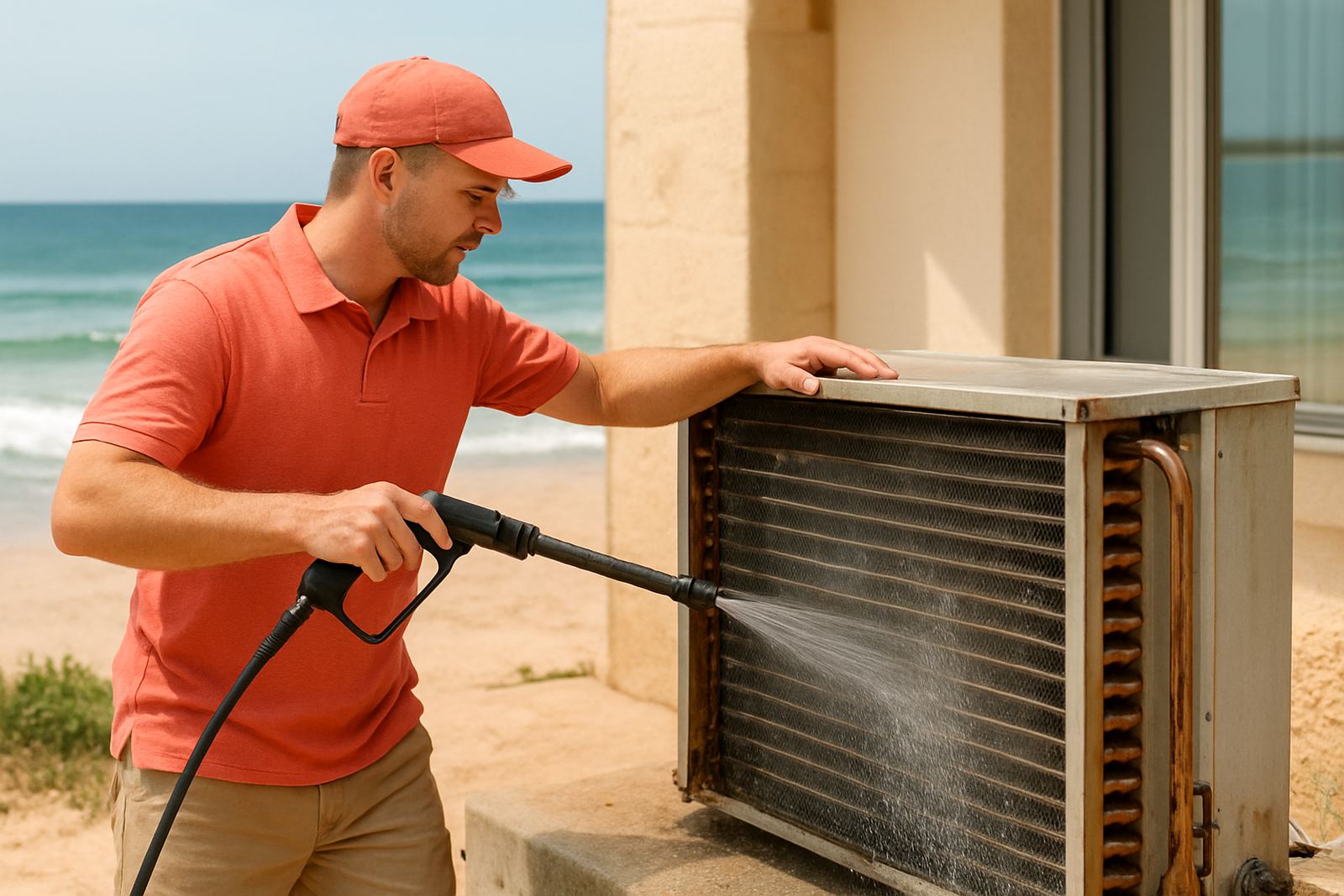
- Clean condenser and evaporator surfaces properly
- Test door seals, hinges and closer function
- Look for oil stains, corrosion and visible signs of a gas leak
- Verify temperature logging and record readings for compliance
For commercial sites in Umhlanga, Ballito and Durban North, this routine matters because customer traffic is high and rooms get opened often. A small defect can become a service call after hours, and that usually costs more than keeping up with the maintenance schedule.
A Durban example: one freezer room, one blocked drain and one expensive morning
We were called to a food outlet in Glen Anil where the freezer room had started running warm overnight. The staff had noticed a heavy frost build-up the day before, but the unit was still pulling down so it was left till morning. By the time we arrived, the evaporator was packed with ice and the drain had frozen solid. The room had lost temperature and stock at the front was starting to soften.
The root cause was a mix of dirty airflow paths, a weak defrost cycle and a door seal that was not closing properly. After servicing, leak testing and electrical fault finding, the system recovered well. The key lesson was simple: when frost starts appearing, do not wait and hope it clears on its own. It usually comes back stronger, not weaker.
Simple signs that a coil is heading for trouble
If you catch these signs early, you can avoid spoiled stock and a call-out at the worst possible time:
- White frost or ice on the coil, fan shroud or drain tray
- Weak airflow from the evaporator fan
- Longer running times with poorer cooling
- Water under the unit after a defrost cycle
- Uneven temperatures across shelves or pallets
- Higher electricity use with no change in stock load
In many cases the warning signs show up before a full breakdown. A quick inspection can save a lot of grief, especially for businesses running through load-shedding when systems are already working harder to hold temperature.
Why planned maintenance is cheaper than repeat call-outs
Planned maintenance keeps the system clean, tested and logged. That means the evaporator stays open to airflow, the defrost system works as intended, and small electrical faults are picked up before they trip the system. It also gives you records for temperature checks and compliance, which are important for food storage and retail sites.
For cold rooms, freezer rooms, display chillers and commercial air-conditioning, a service contract gives you regular attention from technicians who know the site and know how coastal conditions affect equipment. Around Durban and the South Coast, salt air and humidity will punish neglected units. Regular checks help the plant last longer and reduce the risk of a sudden failure on a Friday afternoon.