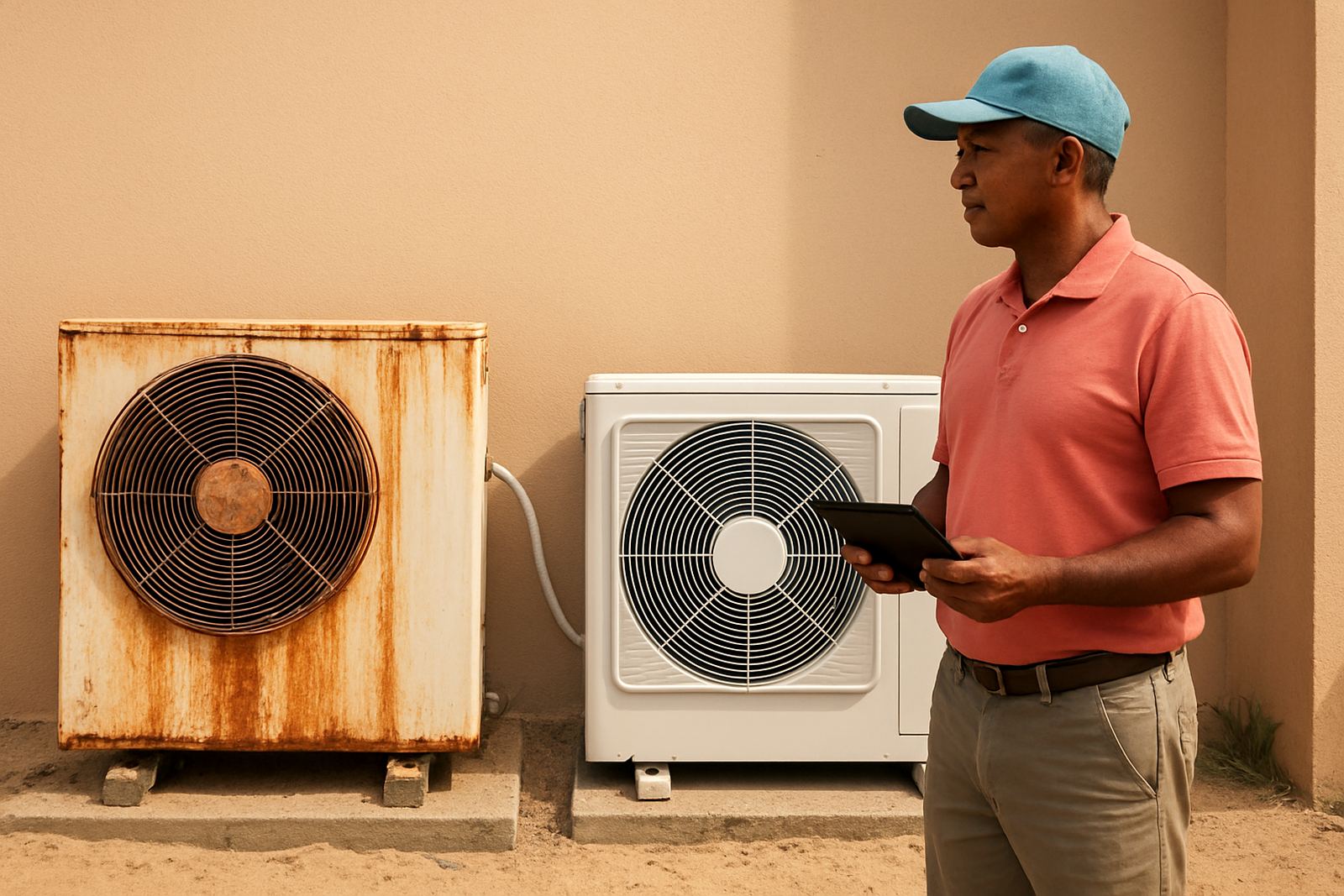
Why reactive repairs cost more than they look
When a cold room stops pulling down properly, the invoice is only part of the cost. You may lose stock, send staff into emergency clean-up mode, and pay after-hours rates just to get back to normal. On the KZN coast, where humidity stays high and doors open and close all day, small faults often turn into larger ones very quickly.
Reactive repairs also happen at the worst time. A compressor failure on a Friday afternoon, or a chiller fault during a busy trade weekend, can force panic decisions. Planned servicing spreads the cost, keeps the plant cleaner, and gives you time to fix issues before they turn into a crisis.
What a service contract actually pays for
A good service contract is not just a box-ticking visit. It should cover the work that keeps the system reliable, the checks that catch faults early, and the records that help you plan. For commercial and industrial sites, that usually means scheduled maintenance matched to the equipment, usage and local conditions.
- Filter cleaning and coil checks on air-conditioning systems
- Refrigerant leak detection before gas levels drop too far
- Electrical fault finding on contactors, relays and controls
- Temperature logging for cold rooms, freezer rooms and display chillers
- Compliance checks and basic condition reports for management records
- Breakdown call-outs when an urgent fault still happens
The value is in the timing. A technician can pick up worn fans, blocked condensers, poor defrost cycles or weak door seals before those faults start costing you stock and energy. That is money saved month after month.
The hidden savings in lower power use
Equipment that is dirty, undercharged or struggling against heat uses more electricity to do the same job. On sites with several cold rooms or multiple splits, that waste adds up fast. A clean coil and correctly set system can cut running strain, and in Durban that matters because ambient temperatures and coastal moisture keep systems working harder than many owners expect.
If your air-conditioning or refrigeration plant is cycling too often, the power draw climbs and parts wear faster. Planned maintenance helps the system run in its proper range instead of being pushed to the edge. That means fewer call-outs, less overtime for your staff, and a better chance of avoiding a full component replacement later on.
How servicing protects stock, not just machinery
For food businesses, pharmacies, wholesalers and hospitality sites, a temperature problem can wipe out far more value than the repair itself. A freezer room that drifts out of range for a few hours can spoil stock before anyone notices. Display chillers that run warm can damage product quality and customer trust. Once that happens, the losses are usually immediate and expensive.
- Stock stays within the correct holding temperature
- Door seals, hinges and closers are checked before warm air gets in
- Defrost systems are tested to prevent ice build-up
- Temperature records help with audits and internal controls
- Managers get earlier warning when a unit starts drifting
That is why many businesses treat servicing as a risk control, not just maintenance. It is easier to pay for a planned visit than to write off product because a cabinet or cold room was not checked in time. Simple as that.
A Durban example from a busy coastal site
Take a medium-sized food outlet in Durban North with a cold room, two display chillers and several air-conditioning units. The owner had been calling for repairs whenever something failed, mostly after weekends when the site had already been under pressure. The result was repeat costs, unhappy staff and more than one near miss with chilled stock.
After moving onto a planned service contract, the system was checked on a schedule that fit trading hours and the site layout. The team picked up a weak door seal on the cold room, a partial refrigerant leak on one chiller, and a blocked outdoor coil on one air-conditioning unit. None of those faults had caused a full shutdown yet, but each one was pushing electricity use higher and shortening equipment life. The owner did spend more regularly on servicing, yet the emergency bills dropped and the stock losses stopped.
What a sensible contract should include
Not every business needs the same level of cover. A contract for a small café in Umhlanga will differ from one for a warehouse in Pinetown or a freezer-heavy site on the South Coast. The best contracts are built around actual use, access, and how critical the equipment is to trade.
- Planned maintenance visits at the right interval for each unit
- Priority response for urgent breakdowns
- Clear reporting after each visit
- Call-out procedures for after-hours failures
- Temperature and compliance checks where needed
- Parts recommendations based on wear, not guesswork
If the contract is too vague, owners still end up making decisions in the dark. A proper agreement gives you a schedule, a contact point and a record of what was done, so there is less arguing later and fewer surprises.
When servicing is cheapest, and when delay becomes expensive
The cheapest time to fix equipment is before it fails. That is when a technician can clean, test, tighten and adjust without emergency rates or stock pressure. The next best time is as soon as warning signs show up. Strange noises, ice build-up, short cycling, warm discharge air or rising room temperatures should never be left alone for long.
Waiting usually turns one fault into three. A blocked condenser can lead to overheating, which can damage electrical parts and compressors. A small refrigerant leak can become a bigger one, and then the system runs longer while still underperforming. In practical terms, a scheduled visit is a controlled cost while a breakdown is an uncontrolled one.
For Durban and the KZN coast, where salt in the air and moisture are part of daily operating conditions, that difference matters even more. A little planned attention can save a lot of Rand over the year.