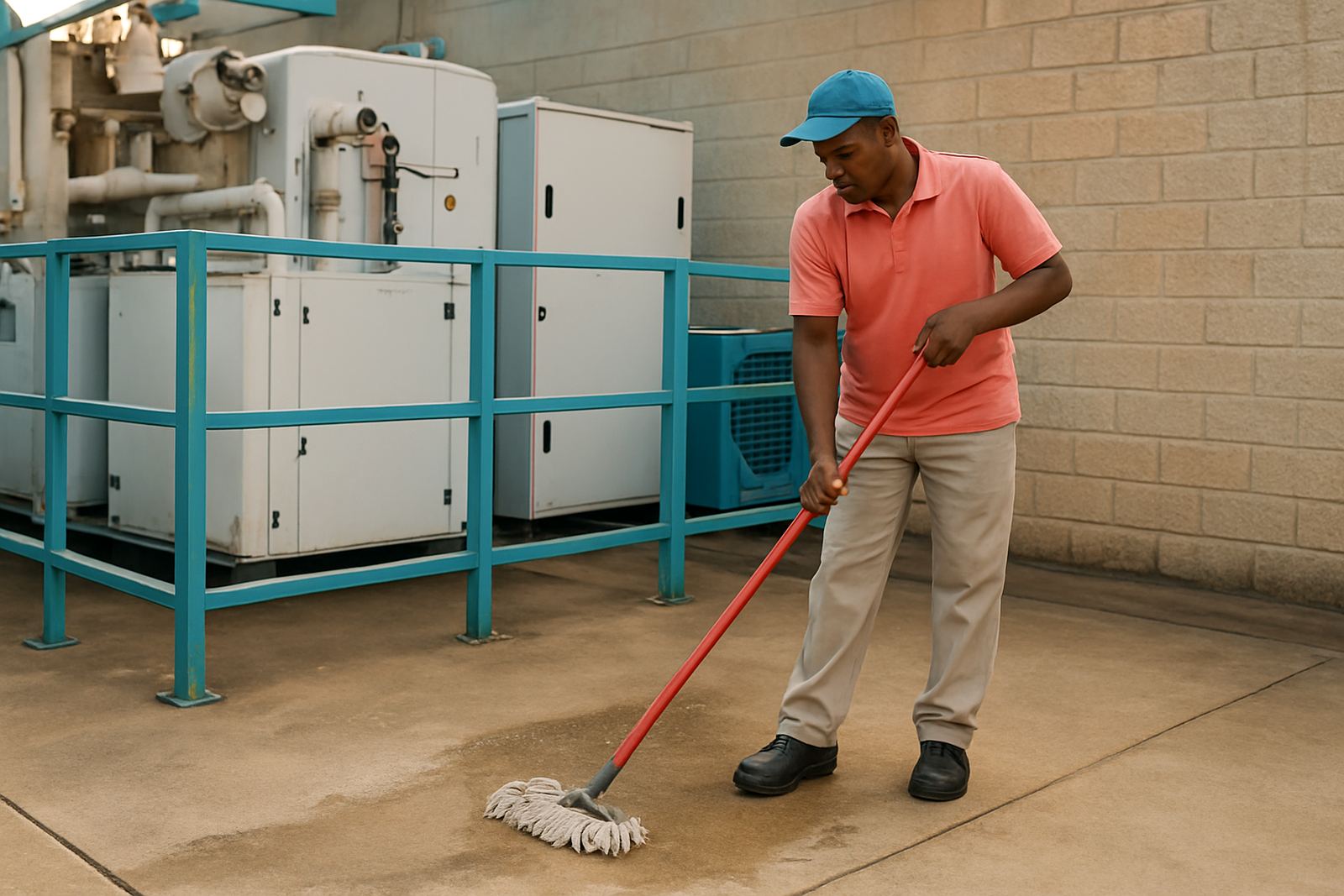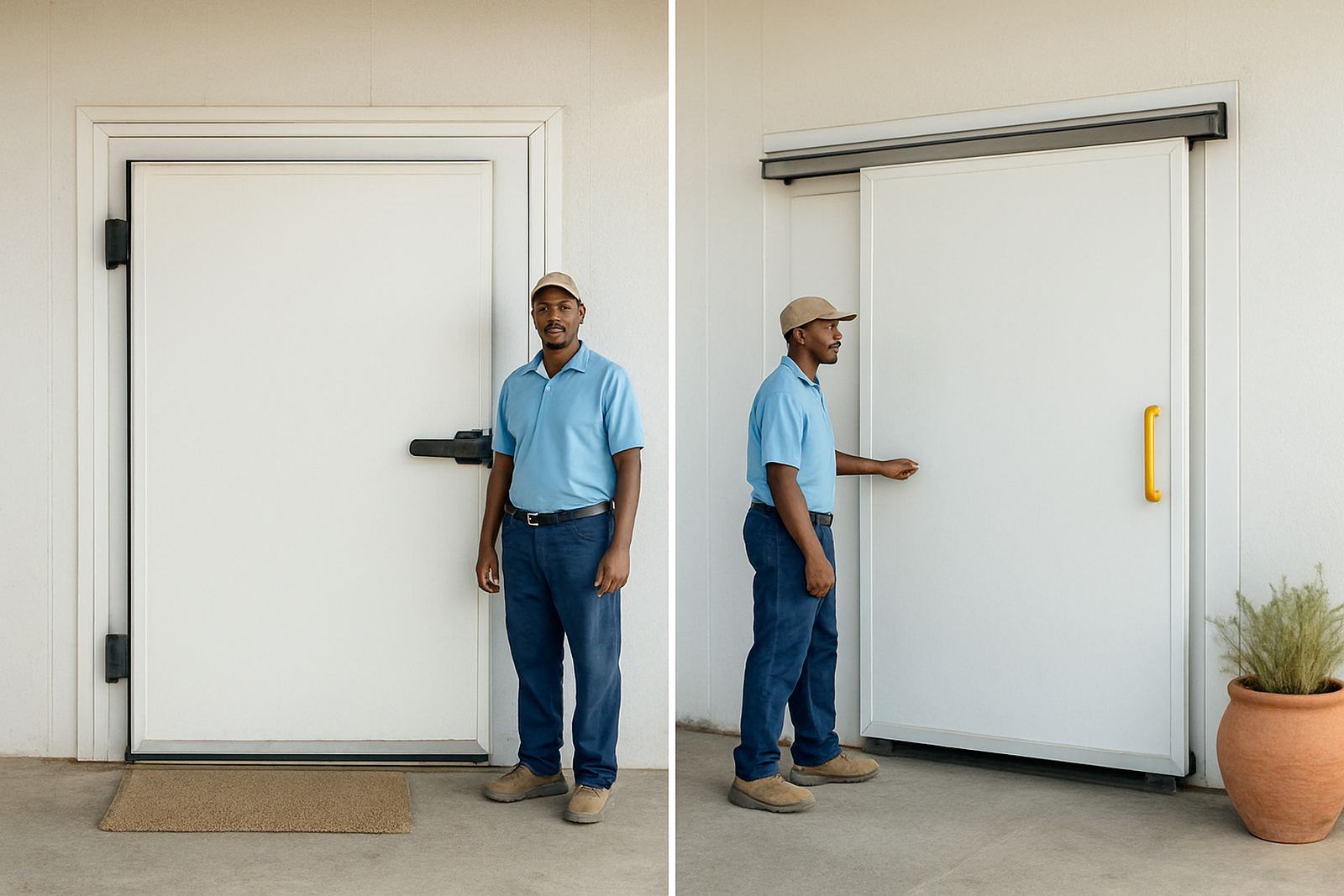
Start with the equipment list, not the price
A maintenance contract should begin with a clear schedule of every unit on site. That means each cold room, freezer room, display chiller and air-conditioning system, with sizes, locations, serial numbers if available, and any special access needs. If the supplier has not walked the site, or at least reviewed a proper asset list, the quote can miss hidden work and you end up paying for extras later.
Ask whether the contract covers the full site at Glen Anil, Durban North, Umhlanga, Pinetown, Ballito or the South Coast, or if there are travel charges between branches. Durban’s coastal humidity and salt air can affect outdoor units faster than inland sites, so the age and condition of each unit matters. A freezer room in a butchery does not need the same attention as a small split unit in an office, and the agreement should show that difference clearly.
- Do they record make, model and capacity for each unit?
- Are filters, belts, contactors and condensate drains part of routine checks?
- Are temperature probes and controllers included in the service scope?
- Will they flag ageing equipment before it starts costing more to keep alive?
Check exactly what planned maintenance includes
Planned maintenance should be more than a quick look and a signature. It must spell out what is cleaned, tested and measured at each visit. For refrigeration, that normally includes checking refrigerant pressures, looking for oil stains, inspecting fans, verifying defrost cycles and confirming that cabinets hold temperature after door openings. For air-conditioning, the contract should mention filter cleaning, condensate drainage, electrical checks and airflow testing.
Ask how often the visits happen. A busy food store in Durban North may need more frequent checks than a small office. A site with high foot traffic, frequent door openings or load-shedding risks will also need a tighter service plan. The agreement should say whether visits are monthly, every second month, or quarterly, and what is covered in each visit. If the technician finds a fault, does the contract include a report with fotos and a clear action list?
- Is refrigerant leak detection included or billed separately?
- Are electrical fault-finding and test results recorded after each visit?
- Will they check thermostat accuracy and temperature logging?
- Do they clean and clear condenser coils, especially on coastal sites?
Ask how breakdown call-outs are handled after hours
When a cold room fails on a Friday night, the real value of a contract shows up quickly. You need to know the call-out process, the response time and the after-hours charge before the breakdown happens. Some suppliers promise priority attendance but do not define what that means. Get it in writing. Ask whether the contract gives you a direct service number, whether call-outs are logged through an office team, and how they handle public holidays and weekend work.
It is also worth asking who attends the site. Will the same technician come back if a fault is recurring, or is the job handed to whoever is available? A strong contract should also cover temporary measures such as emergency temperature checks, isolating unsafe electrical circuits, or advising on product protection while repairs are arranged. If the site has frozen stock or high-value chilled goods, the agreement should set out who signs off on emergency decisions.
- What is the guaranteed response time for urgent breakdowns?
- Are labour, travel and call-out fees separated clearly?
- Is there a higher rate after hours, on Sundays or on public holidays?
- Do they provide a written breakdown report after each call-out?
Make compliance and logging part of the agreement
For food storage, retail and industrial sites, records matter. A good maintenance contract should support compliance checks, temperature logs and service records that can be shown to auditors, managers or municipal inspectors if needed. If your business stores perishables, ask for routine temperature logging, defrost checks and confirmation that door seals are working. For office and retail air-conditioning, ask for reports that show filter condition, electrical safety checks and any faults found.
The contract should say where the records are kept, who receives them, and how long they are retained. If your team needs monthly proof for internal audits, make sure the supplier can deliver that on time. In some cases a site may also need evidence that any work on electrical faults or refrigerant handling was done by a competent technician. That is not a nice-to-have, it is part of keeping the property manager and business owner protected.
Watch for exclusions that can cost you later
Many disputes start with one small phrase in the fine print. Before signing, ask for every exclusion in plain language. Some contracts exclude major parts, like gas top-ups, emergency call-outs, replacement fans, sensors, or repairs caused by power failures. Others only cover labour, leaving you to pay for transport and consumables. On coastal sites, where corrosion and humidity can shorten component life, exclusions need special attention.
Also ask whether faults caused by poor housekeeping are excluded. If drain lines are blocked by dust or storage boxes, or if condenser coils are packed against a wall with no airflow, the supplier may charge extra. That is fair if it is written clearly. What you want is no surprise. If the site has load-shedding, ask whether repeated start-stop damage, phase loss or voltage issues are recognised in the agreement, and whether they will advise on protection devices or standby arrangements.
- Are parts included, or only labour?
- Does the contract cover refrigerant regas after a leak repair?
- Who pays for access equipment, scaffolding or roof work?
- Are call-outs for user error treated differently from equipment failure?
Use a simple sign-off checklist before you commit
Before you sign, sit down with the proposal and work through the details line by line. The agreement should name the exact site, list the units covered, show visit frequency, state response times, and explain what reports you will receive. If something is vague, ask for it to be written down. A clear contract saves time for both sides and helps the technician do proper work instead of chasing missing information later.
At Coastal Cooling Systems, a maintenance contract should fit the way your business actually runs, not just a generic schedule. A supermarket display chiller, a freezer room in a distribution depot and an office air-conditioning bank all need different attention. If you are comparing options in Durban or along the KZN coast, use this checklist to make sure you are paying for useful cover, not paper cover.
- Have all assets been listed with locations?
- Are visit intervals and response times written clearly?
- Do you know what is included, and what is excluded?
- Will you get reports, temperature logs and compliance records?
- Are after-hours rates, travel and parts costs explained upfront?