Start With What You Need To Display
Before you compare cabinet styles, list the products that will sit inside the unit every day. Dairy, ready meals, drinks, desserts and grab-and-go food all need different shelf layouts and temperature control. A cabinet that works well for bottled drinks may not suit trays, sliced product or tall packs.
Think about how much stock you turn over in a day, then size the display around that flow. If the cabinet is too small, staff overpack it and the airflow drops off. If it is too large, the area looks empty and the cold air is wasted. For Durban stores and coastal sites, that balance matters because warm, humid air is already working against the cabinet.
- What products will be shown.
- How often stock is refilled.
- Target selling temperature.
- Whether customers must reach in or only view the product.
Choose The Cabinet Style That Matches Sales Flow
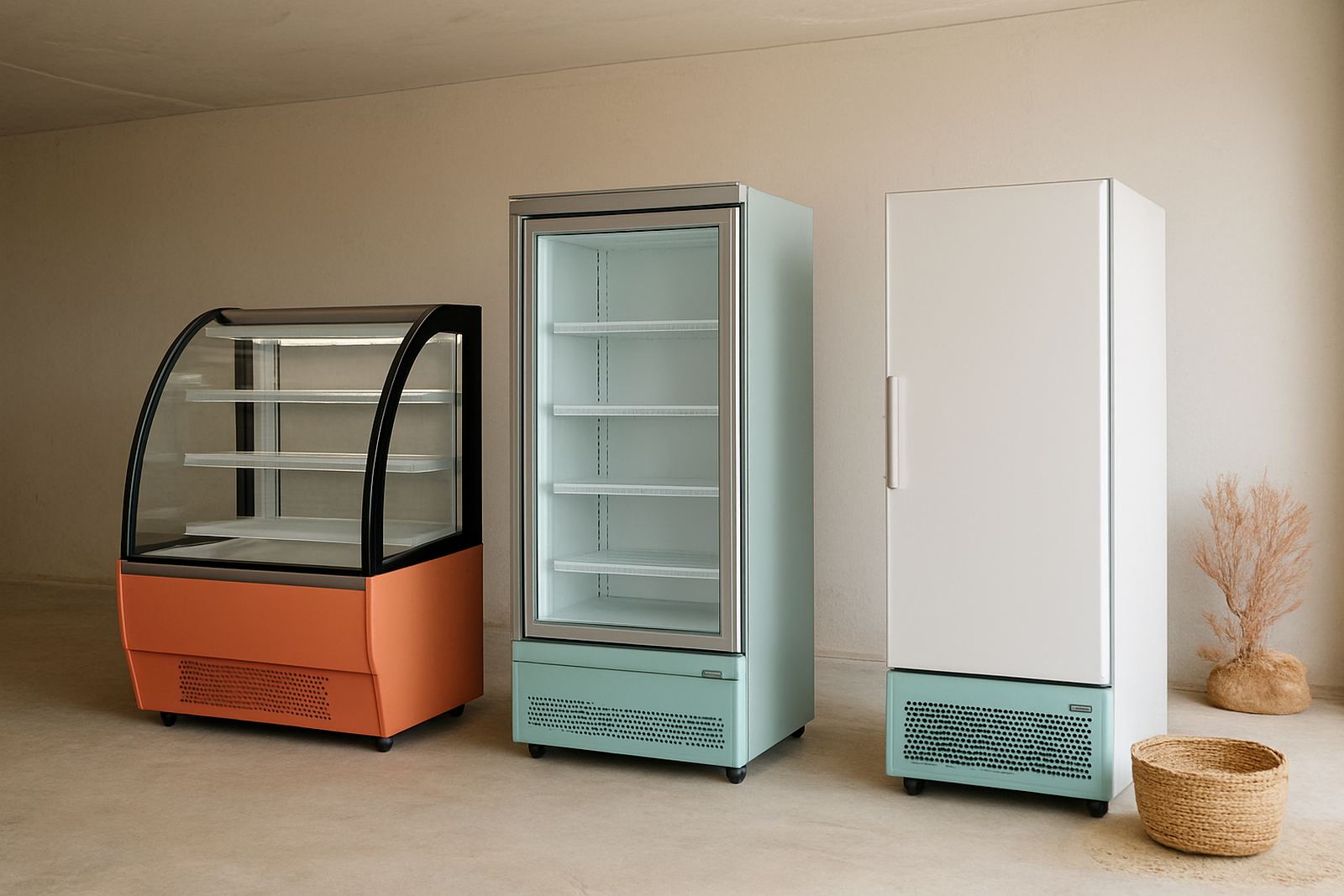
Open-front cabinets suit high foot traffic areas where speed matters and customers need easy access. They sell well, but they also use more energy and need stronger discipline around night curtains, placement and maintenance. Closed or glass-door cabinets hold temperature better and are usually easier to manage in busy shops with repeated door openings.
For sit-down food outlets and forecourt stores, the display should encourage quick selection without making the product look cramped. For supermarkets or butcheries, the shelf angle, lighting and visibility from the aisle are important. A good display chiller should present product cleanly from the front, not hide the back row or force staff to keep rearranging stock every few hours.
- Open-front for fast self-service and high turnover.
- Glass-door for better temperature control and lower running cost.
- Serve-over styles for assisted sales and stricter product handling.
- Counter-top units for limited space and smaller product ranges.
Measure The Space Properly Before You Order
Cabinet size is more than the width on paper. Measure the full footprint, then add clearance for airflow, door swing, cleaning access and service work. If the unit sits too close to a wall or another cabinet, the condenser can struggle and the compressor will work harder, especially in summer.
Check floor loading, doorway widths and the route into the site before you commit. In older buildings around Durban North, Pinetown and parts of the South Coast, access can be tight and floor levels are not always even. It is worth checking the route for stairs, tight corners and low ceilings before the delivery date, because a cabinet that cannot move into place becomes an expensive delay.
- Allow space for rear and side ventilation.
- Confirm the final installed height with ceiling lights and signage.
- Check the route from the delivery vehicle to the sales area.
- Make sure cleaning staff can reach behind and below the unit.
Check Temperature Control And Product Safety
A display chiller must hold product at the correct temperature even when the shop door opens all day and the weather is hot. Ask what temperature range the cabinet is designed for, and whether the controls are easy for staff to read and adjust. For chilled food, stable operation matters more than a fancy front panel.
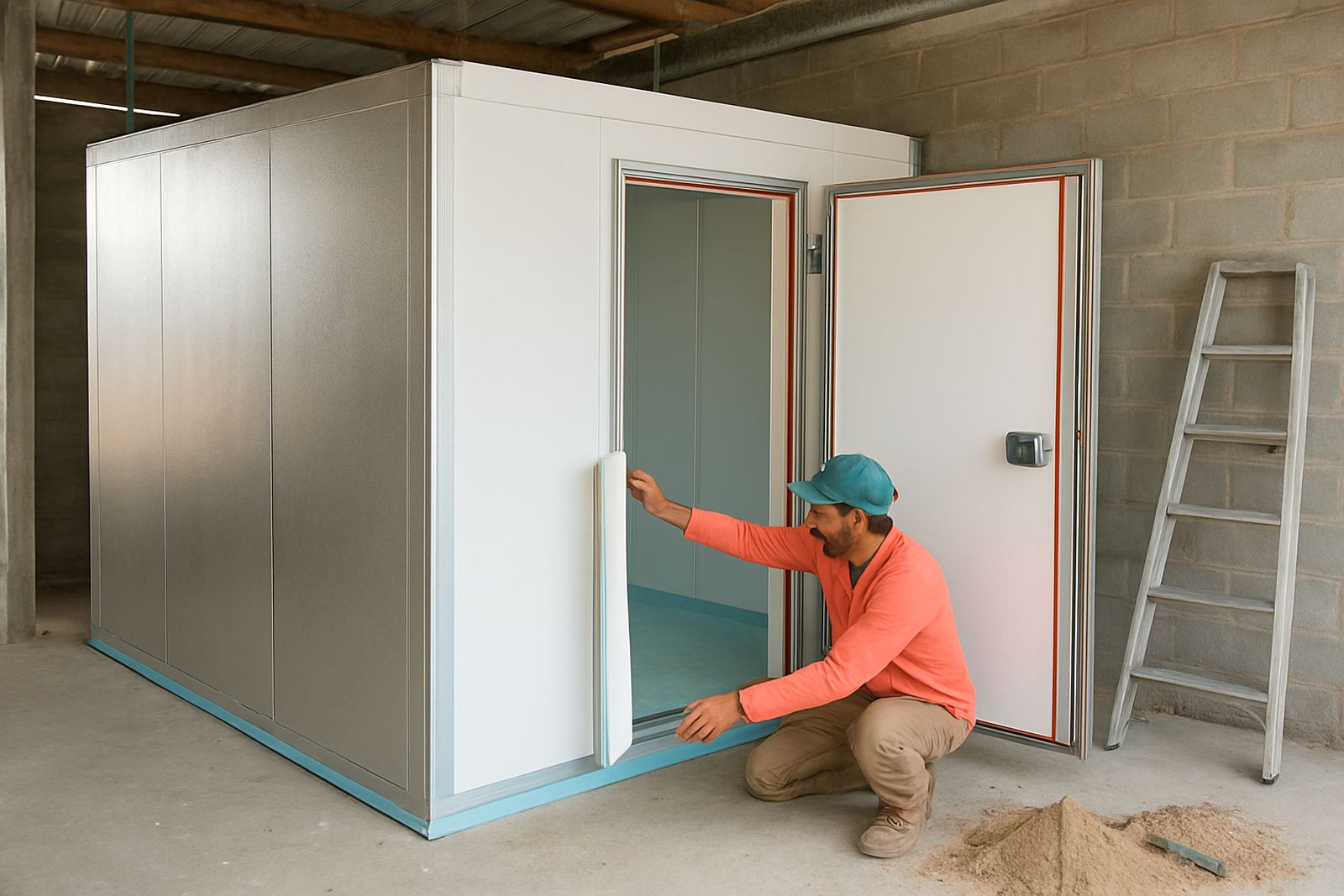
In coastal areas, humidity can cause extra condensation on glass and trims. That can affect visibility and sometimes drip onto the floor if drainage is poor. Good door seals, proper defrost settings and correct loading all help. If you are also running cold rooms or freezer rooms on the same site, it helps to have one contractor check the full system together so the loads and service intervals make sense.
- Confirm the operating temperature range.
- Ask how defrost is handled and how often it runs.
- Check door seals, heaters and drainage points.
- Make sure staff know where the temperature display is.
Plan For Cleaning, Access And Daily Use
Cleaning access is often the difference between a cabinet that stays reliable and one that gives trouble after a few months. Shelves should lift out easily, drain points should be reachable, and the base should not trap crumbs, water or packaging. If staff struggle to clean it, they will lose time and the unit will start looking tired.
Think about the full working day. Can staff restock from the back without blocking customers? Can a technician reach the control gear without moving half the shop? Can the cabinet be wiped down quickly during trading hours? These practical details matter in busy Durban sites where teams are short-staffed and every minute counts.
- Removable shelves and trays.
- Easy access to drain points and filters.
- Space for a technician to service fans, controls and piping.
- Surfaces that wipe down without trapping dirt.
Build A Simple Comparison Checklist Before You Buy
A good buying decision comes from comparing cabinets on the same points, not just on first price. Ask for the cabinet dimensions, power demand, operating temperature, cleaning points and service access details. Then match that against your site conditions and sales pattern. The cheapest option can cost more later if it uses extra power or needs frequent call-outs.
For business owners in Glen Anil, Umhlanga, Ballito, Pinetown and the wider KZN coast, after-sales support is just as important as the cabinet itself. Planned maintenance, breakdown call-outs, leak detection and temperature logging all help protect stock and keep your compliance records in order. If the cabinet is part of a larger refrigeration setup, choose a team that can service the whole system and not just the visible box.
- Cabinet style matches the product range.
- Installed size suits the available floor area.
- Energy use is suitable for your trading hours.
- Cleaning and servicing access are practical.
- Support is available when load-shedding or heat puts pressure on the system.
When To Bring In A Refrigeration Contractor
If you are replacing an old cabinet, adding a new line, or changing the products you sell, get advice before you place the order. A site visit can pick up power supply issues, drainage problems, ventilation gaps and compliance concerns that are easy to miss from a brochure. That is especially useful when a store is running display chillers together with cold rooms, freezer rooms and air-conditioning on the same electrical supply.
Coastal Cooling Systems works from Glen Anil in Durban and supports commercial refrigeration and air-conditioning across Durban North, Umhlanga, Pinetown, Ballito and the South Coast. We handle planned maintenance, breakdown call-outs, cold room servicing, freezer servicing, display chiller servicing, aircon maintenance, electrical fault finding, temperature logging and compliance checks. If you need a second opinion before buying, it is better to check now than to deal with warm stock later.