Fault Diagnosis for Controls, Power and Safety Circuits
We trace electrical faults that stop equipment from starting, running or protecting itself properly. That includes supply issues, control circuit failures, contactor wear, overload trips, loose terminals, damaged wiring, failed sensors, bad timers, faulty relays and control board problems on commercial refrigeration and air-conditioning systems.
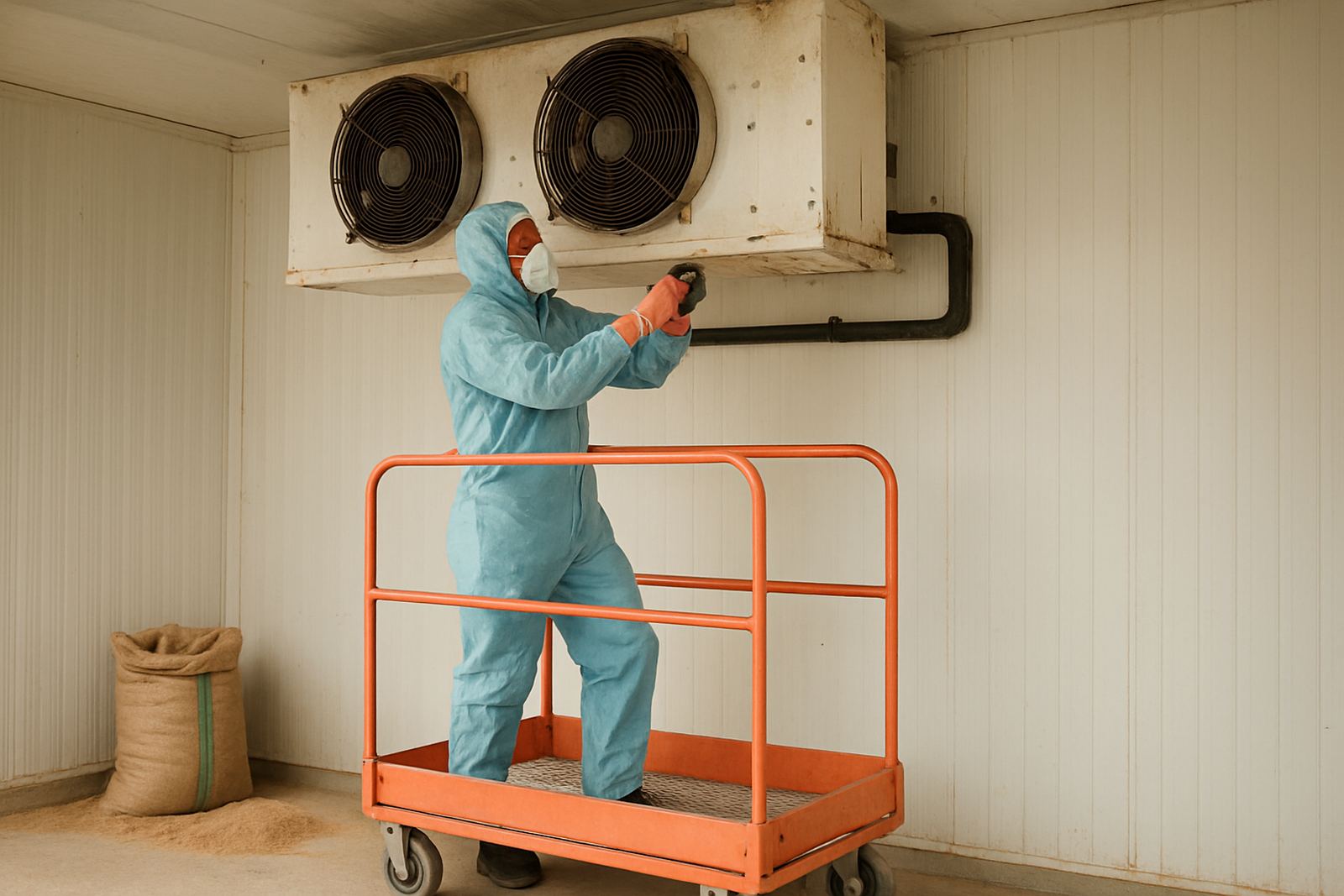
Our team works on cold rooms, freezer rooms, display chillers, split-type and ducted commercial air-conditioning, as well as plant room components such as isolators, starters and safety devices. If a system trips only at certain times, cuts out after startup, or runs but does not cool as it should, we test the electrical side methodically rather than guessing.
- Power supply checks at the isolator, DB board and equipment point
- Control circuit testing for call for cooling, switching and interlocks
- Protection checks for overloads, breakers and phase issues
- Inspection of wiring, terminals, contactors and serviceable controls
- Verification of safeties linked to pressure, temperature and fan operation
What We Check on Site
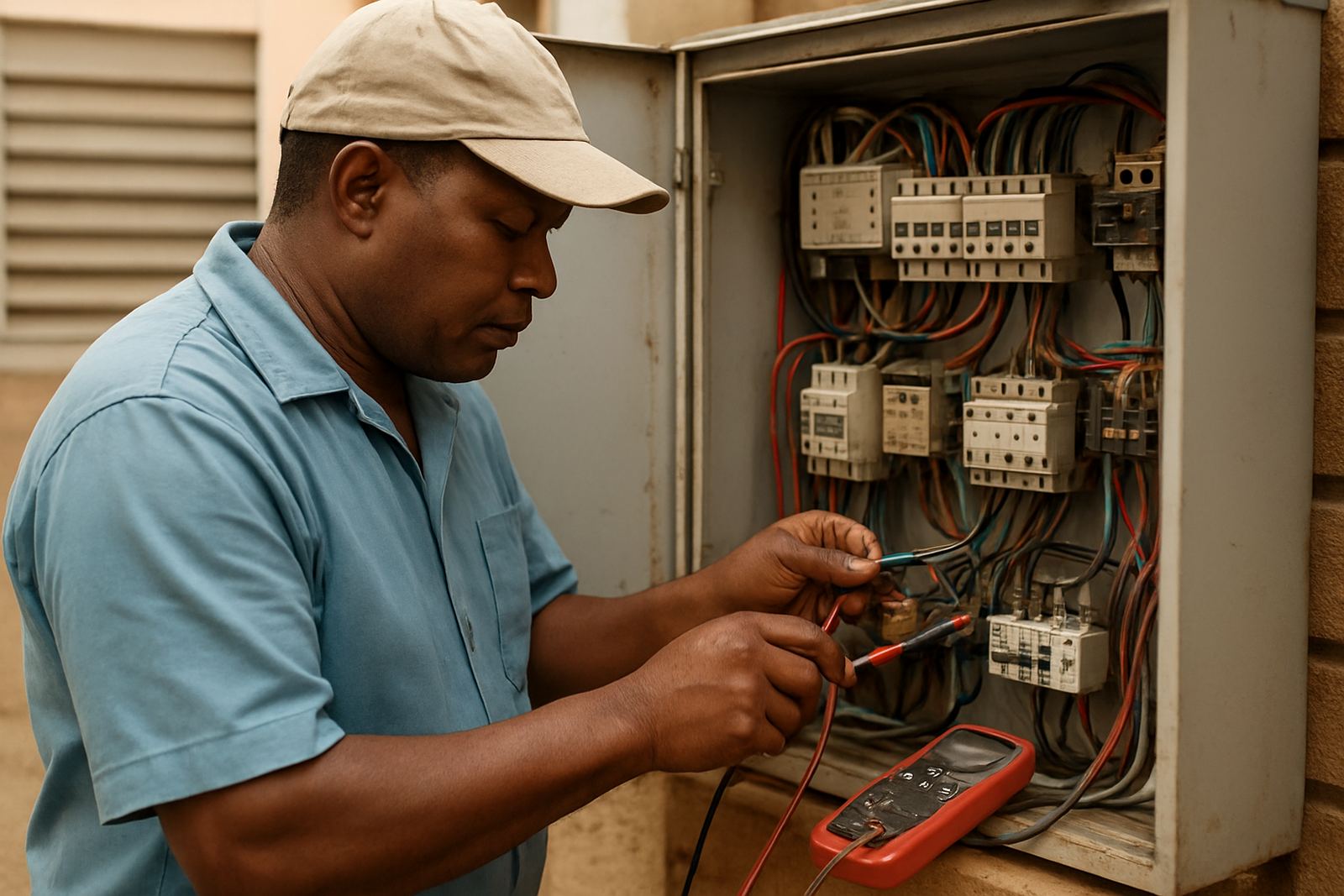
Electrical fault finding starts with the symptoms and then moves through the system in order. We look at incoming voltage, phase balance, earth continuity, current draw and whether the equipment is receiving the correct signal to run. On three-phase installations we also check for phase loss, phase rotation problems and supply imbalance, all of which can damage compressors and motors if left unaddressed.
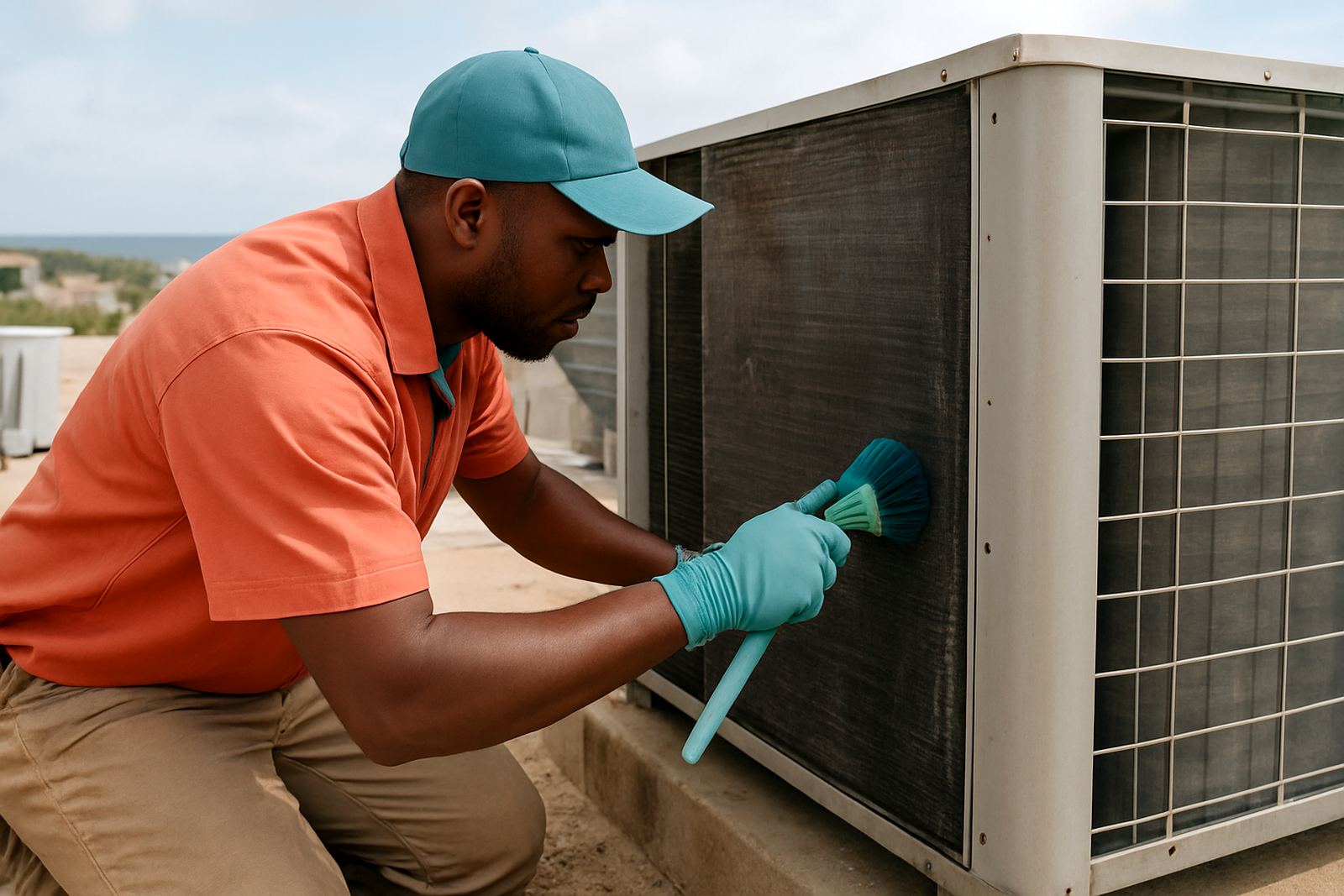
For refrigeration plant we test the control path from thermostat or controller through to the contactor and safety chain. On air-conditioning systems we check indoor and outdoor unit communications where applicable, fan motors, capacitors, crankcase heaters, pressure switches and any cut-outs in the circuit. In Durban’s humidity, corrosion in terminals and panels is common, especially in coastal sites and back-of-house plant rooms with poor ventilation.
- Voltage and current readings under load
- Thermostat, controller and sensor verification
- Capacitor testing and motor circuit checks
- Contactor, relay and timer inspection
- Terminal tightening and heat damage checks
- Basic panel cleaning where dust or salt build-up affects operation
Our Fault-Finding Process
We keep the process practical so your team knows what is happening and what the next step is. First we confirm the fault with the operator or supervisor, then isolate the equipment safely and inspect the electrical controls before moving into live testing where safe and appropriate. If the issue is intermittent, we use readings and sequence checks to catch the fault rather than replacing parts blindly.
Once the cause is found, we explain whether the fix is immediate, requires a part, or needs further investigation of a related issue such as low voltage supply, water ingress, damaged wiring or a failing motor load. For sites with service contracts, we also note recurring trouble points so the same fault does not keep returning every few weeks.
- Step 1: Site attendance and fault confirmation
- Step 2: Safe isolation and visual inspection
- Step 3: Electrical testing and live readings
- Step 4: Fault isolation and repair recommendation
- Step 5: Function test and operating handover
Turnaround for Durban, North Coast and South Coast Sites
For breakdown call-outs in Glen Anil, Durban North, Umhlanga, Pinetown, Ballito and along the South Coast, response depends on the urgency and the location, but we aim to attend quickly because electrical faults can stop cooling altogether. A freezer room that is not starting, or a display chiller losing power, becomes a stock risk very fast in KZN heat and load-shedding conditions.
Where a site has a repeat issue, we can often reduce future downtime by checking the full electrical path, including supply quality, protection settings and wear points. Some faults are fixed on the first visit. Others need a second visit once a part is sourced or once the root cause has been confirmed. Either way, you get a clear answer on what failed and why.
If your premises run after-hours trading, food storage or temperature-sensitive stock, tell us the operating window when you log the call so we can plan attendance around your trading hours. That helps on busy sites where access is controlled and the plant room is not always open during the day.
Pricing Based on Diagnostic Time and Repair Scope
Electrical fault finding is priced according to site access, the type of equipment, the time needed to diagnose the fault and whether repair work or replacement parts are required. A simple loose connection or failed control component is different from a hidden wiring issue inside a crowded panel or a fault that only appears under load. We quote fairly and keep the scope practical.
For service-contract customers we can often prioritise diagnostics and apply agreed call-out terms. For non-contract sites, we confirm the likely work before going ahead so you know whether you are paying for diagnosis only, diagnosis plus repair, or a follow-on visit. No one wants a long list of unplanned charges because the fault was not properly identified from the start.
Where a repair is needed, we discuss parts availability, machine downtime and whether the equipment can safely be left in service until the next visit. On cold chain equipment we are very careful here, because a partial fix that gives false confidence can lead to bigger losses later.
Maintenance Intervals That Reduce Electrical Breakdowns
Regular maintenance is the best way to catch electrical problems before they stop production or spoil stock. In coastal areas we recommend closer inspection intervals because salt air, dust and damp conditions speed up terminal corrosion and insulation wear. Load-shedding also puts extra strain on contactors, starters and controllers when equipment restarts repeatedly.
For most commercial refrigeration and air-conditioning systems, electrical checks should be included at least quarterly, with higher-risk sites inspected monthly or every second month. Sites with freezer rooms, intensive trading hours or critical stock may need tighter intervals. We can build this into a planned maintenance schedule so the checks happen without disrupting operations.
- Quarterly electrical checks for general commercial systems
- Monthly or bi-monthly checks for critical cold rooms and high-use plant
- Extra attention after repeated power interruptions or storm damage
- Annual review of protection devices, controls and wiring condition
Our aim is to find the small fault before it becomes a failed compressor, burnt contactor or a room full of product at risk. A 10 minute inspection today can save a 10 hour shutdown later, which is why preventative checks matter on the coast.
Key facts
| Service area | Glen Anil, Durban North, Umhlanga, Pinetown, Ballito and the KZN South Coast |
|---|---|
| Equipment covered | Cold rooms, freezer rooms, display chillers and commercial air-conditioning systems |
| Fault types | Control, power, protection, sensor, relay, contactor and wiring faults |
| Typical checks | Voltage, current, phase balance, continuity, control signals and safeties |
| Response | Breakdown call-outs and scheduled diagnostics for contract clients |
| Maintenance interval | Quarterly minimum, with monthly checks for critical or coastal sites |