Maintenance Built Around Your Operating Hours
Planned maintenance works best when it matches how a site actually runs. A restaurant in Umhlanga, a butcher in Durban North and a warehouse in Pinetown do not need the same visit pattern or the same checks. We look at the equipment type, duty cycle, product risk and trading times, then set a schedule that fits the site. That means less disruption, fewer emergency call-outs and better control over temperatures when the power goes off and comes back on again.
We have been working in Durban and along the KZN coast since 1998, so we understand salt air, high summer humidity and the extra strain that coastal conditions put on condensers, electrical parts and door seals. We also know that many sites run on tight margins, so the service plan has to be practical and clear, not overdone. The aim is simple: keep the plant clean, stable and within spec before a small issue turns into spoiled stock or a full breakdown.
- Site visits aligned to trading hours or quiet periods
- Service plans for cold rooms, freezer rooms, chillers and aircon
- Checks for coastal corrosion, dust build-up and drainage issues
- Service intervals based on actual load, not guesswork
What Is Included In A Planned Service Visit
A planned service visit is more than a quick look. We inspect the system, clean key components, test controls and record findings so you know what was done and what needs attention next. On refrigeration equipment, that usually means checking compressor operation, evaporator condition, fan motors, drain lines, door seals, pressure readings and temperature pull-down. On air-conditioning equipment, we check filters, coils, drains, controls, electrical connections and running temperatures.
For sites with product holding requirements, we can include temperature logging and compliance checks so there is a written record of operating conditions. This is useful for food premises, medical stores and any business where stock loss would be costly. If we see a fault starting to show, we flag it early and quote for the repair before it causes a bigger stoppage. That early warning often saves a lot of Rand and a lot of panic after hours.
- Inspect compressors, contactors, capacitors and control circuits
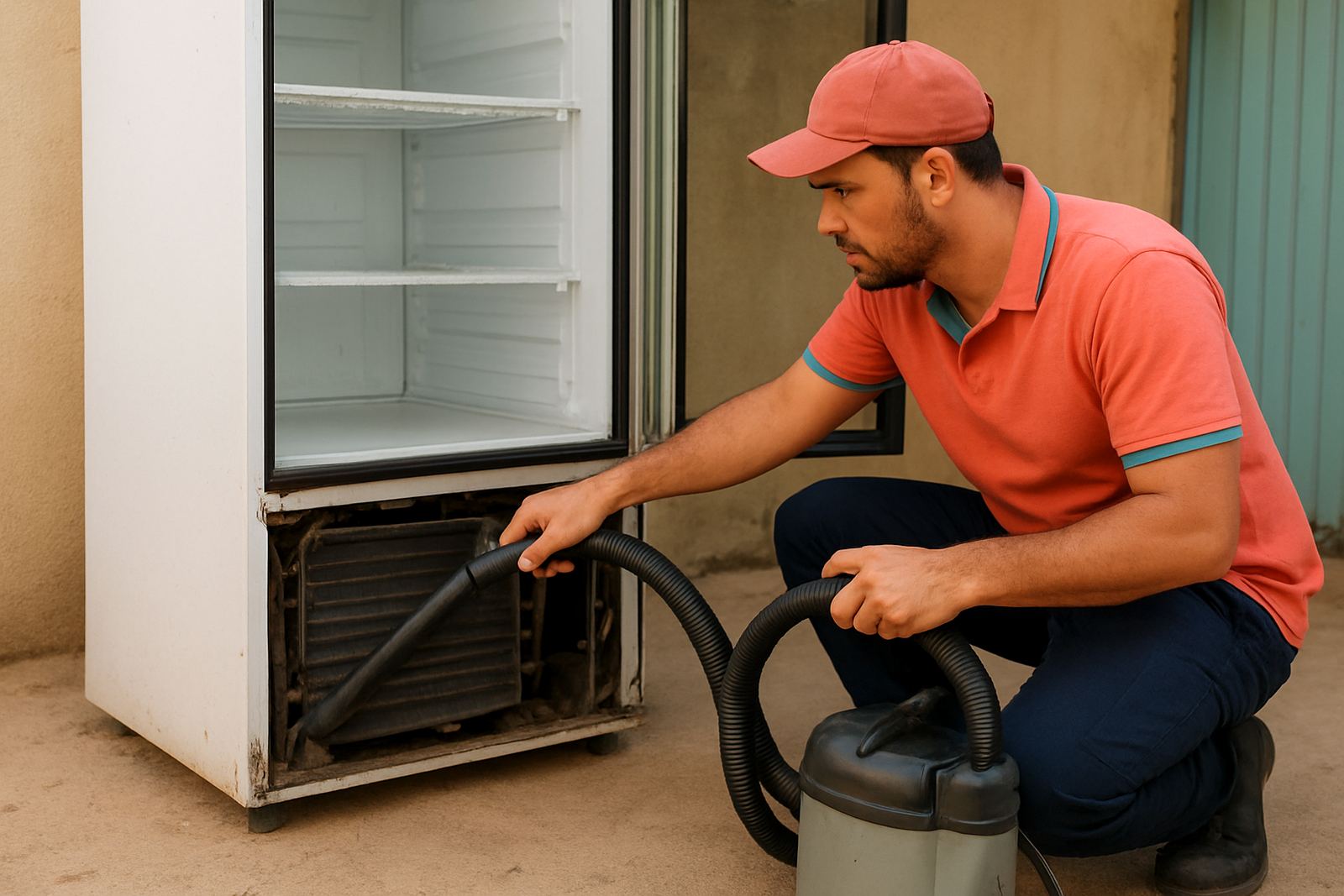
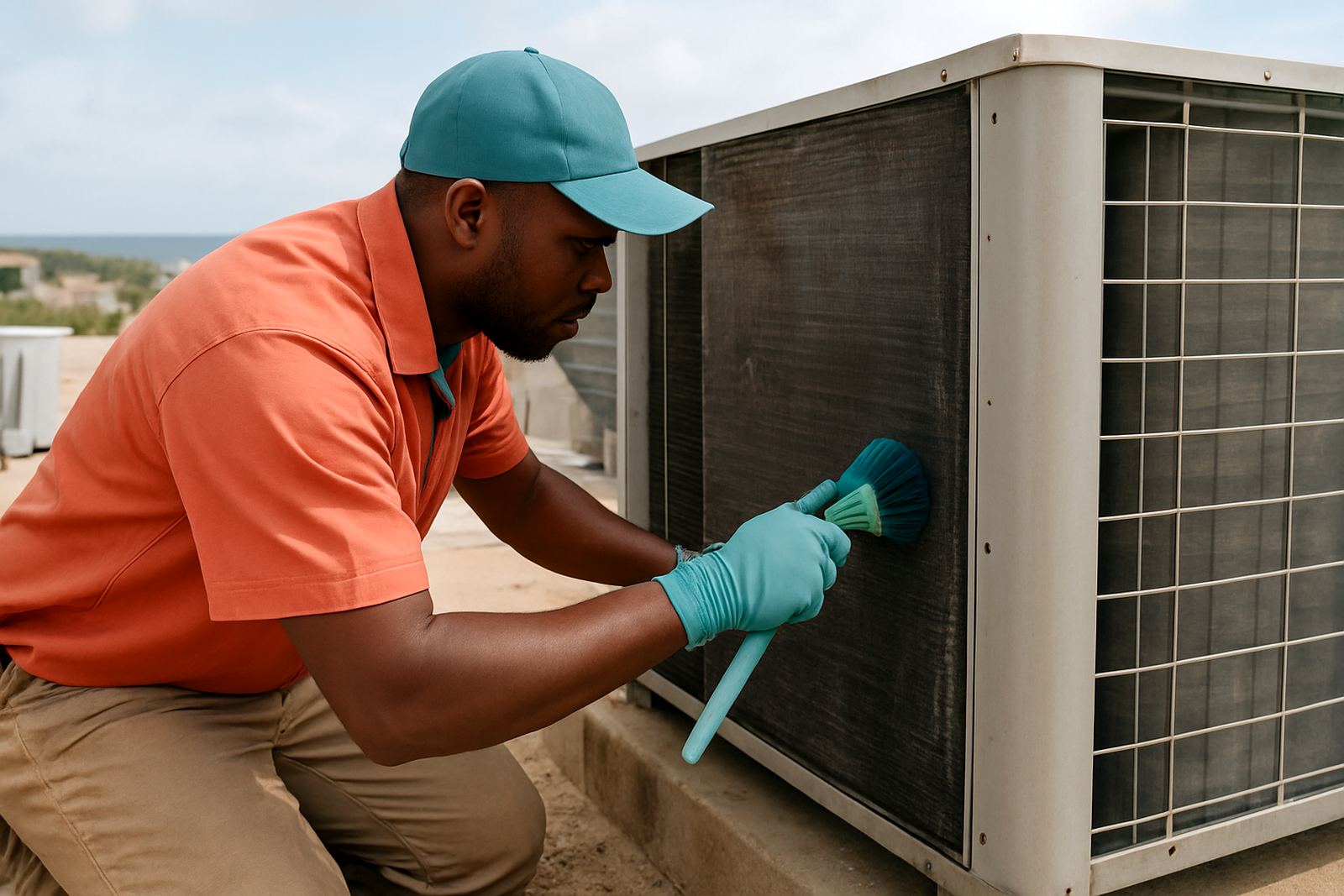
- Clean evaporator and condenser coils where access allows
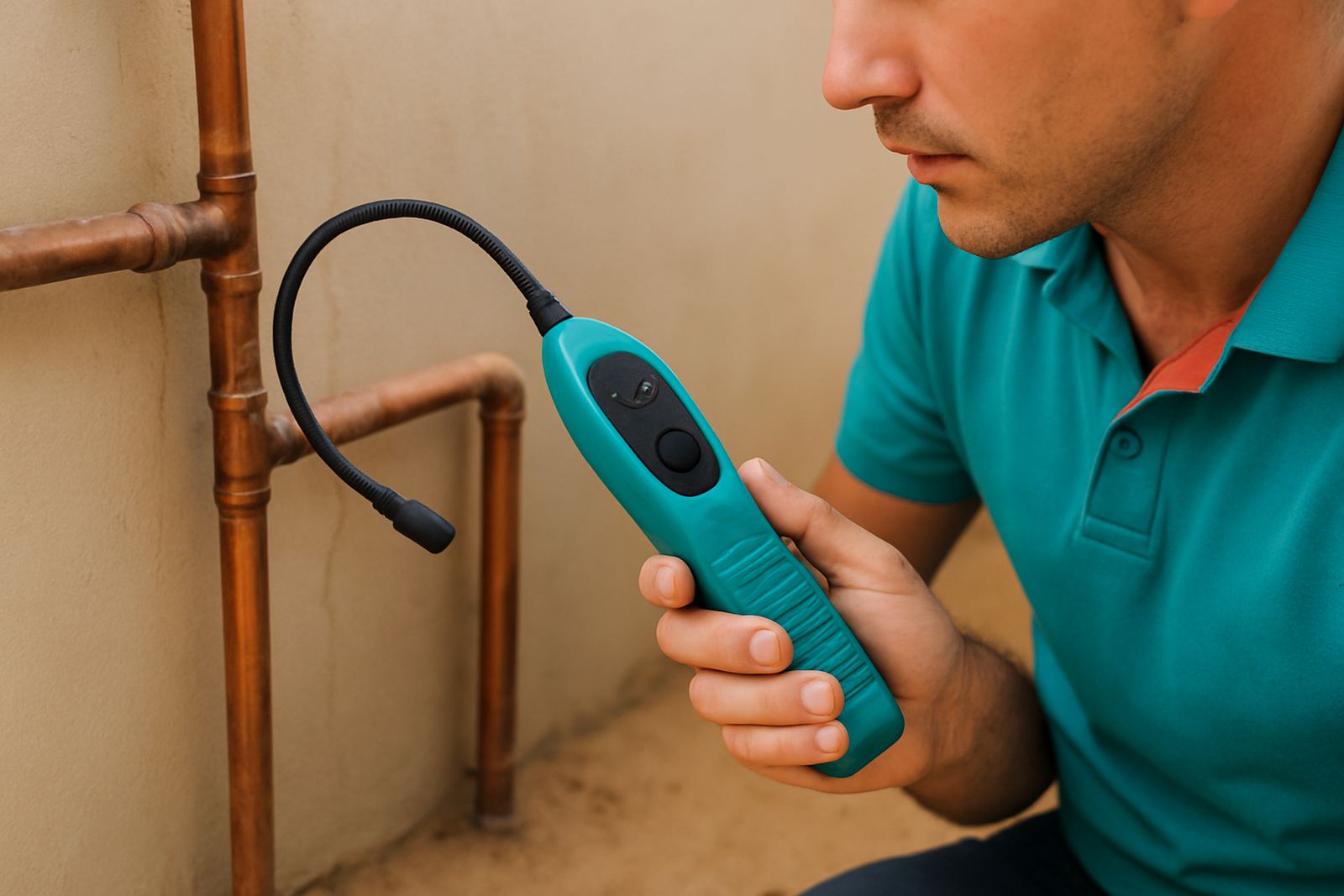
- Check refrigerant leaks, oil stains and operating pressures
- Test drain pans, drainage lines and door closures
- Record supply temperatures and system performance
- Note repairs, parts wear and follow-up actions needed
How We Plan The Work On Site
Every site starts with a brief inspection and a review of the equipment list. We ask what is critical, what can wait, and when the plant can be taken off line for a short period. A freezer room serving frozen stock may need a different approach from a display chiller in a retail front area, and an office air-con system will have different priorities again. We then set the service scope, agree the access requirements and schedule the work around your operation.
On the day, our technicians arrive with the common parts and test gear needed for most routine servicing. For busy sites this matters because it reduces repeat visits. If we find something that needs a part not held on the vehicle, we tell you straight away and give a turnaround estimate. In many cases the visit can be completed in one morning or one shift change, but larger plant rooms or multi-unit sites may take longer. We keep the process clear so you can plan staff movement and stock handling without guesswork.
- Review site layout, equipment list and access points
- Confirm timing for shutdowns or low-traffic periods
- Carry out service checks and functional tests
- Report faults, wear and recommended follow-up work
- Schedule repairs or the next maintenance visit if needed
Recommended Maintenance Intervals For KZN Sites
Most sites do best with maintenance intervals set by use and environment rather than one fixed rule. A lightly loaded office split system may only need scheduled servicing a few times a year, while a freezer room or display chiller on a busy retail site may need closer attention. Coastal locations, high foot traffic and constant door opening all shorten the time between checks. If you are close to the sea, the condenser coils and electrical parts often need a little more care than inland sites.
As a guide, high-use refrigeration plant is often best serviced every one to three months, display chillers every one to two months, and commercial air-conditioning every three to six months depending on the space and the load. Sites with temperature-sensitive stock should also keep logging intervals in place so trends can be spotted early. We can help set up a maintenance calendar that suits your premises and budget, rather than forcing a schedule that does not fit the site.
- Cold rooms and freezer rooms: often monthly to quarterly
- Display chillers: often monthly or bi-monthly
- Commercial air-conditioning: often quarterly or half-yearly
- Extra visits after storms, load-shedding events or power faults
Pricing That Matches The Site, Not The Guesswork
We price planned maintenance according to the type of equipment, number of units, access conditions and the level of reporting needed. A single unit in an easy to reach position is not the same as a plant room with multiple circuits, night work or a coastal site with heavy corrosion. That is why we quote after understanding the site properly. It keeps the cost fair and it avoids the usual problems that come with vague one-size pricing.
Service contracts can be set up for fixed intervals and clear call-out arrangements, which helps with budgeting through the year. If replacement parts are needed, we quote those separately before fitting unless the issue is a simple agreed consumable. For customers with more than one site, we can group visits so you are not paying for unnecessary travel between Durban, Ballito and the South Coast. It is a practical way to keep maintenance under control and spread costs better over time.
- Quoted after site review and equipment count
- Options for one-off visits or ongoing service contracts
- Travel and access conditions factored into the price
- Parts and repair work quoted separately when required
Why Businesses Keep Maintenance Regular
Regular maintenance is what keeps a refrigeration or air-conditioning system predictable. Clean coils run better, healthy electrical connections fail less often and drains that stay clear are less likely to overflow into stock or ceilings. On the refrigeration side, that also helps the plant hold temperature more steadily during hot weather and power interruptions. On the air-con side, it helps with comfort, airflow and lower strain on the compressor and fan motors.
For operators in Durban, Glen Anil, Umhlanga, Pinetown, Ballito and the South Coast, the benefit is plain to see. Fewer breakdowns means fewer emergency deliveries, less product loss and less time spent chasing technicians at the worst possible hour. When equipment is logged and checked on schedule, problems are found while they are still manageable. That is the main value of planned maintenance, and it usually shows up quickly in day to day operation.
Key facts
| Service type | Planned maintenance for refrigeration and air-conditioning |
|---|---|
| Coverage area | Glen Anil, Durban North, Umhlanga, Pinetown, Ballito and the South Coast |
| Equipment covered | Cold rooms, freezer rooms, display chillers and commercial air-conditioning |
| Typical visit items | Cleaning, testing, temperature checks, leak checks and electrical inspection |
| Reporting | Service notes, fault findings and temperature records where required |
| Schedule | Monthly, bi-monthly, quarterly or half-yearly depending on load and site conditions |