Recorded checks for sites that need proof
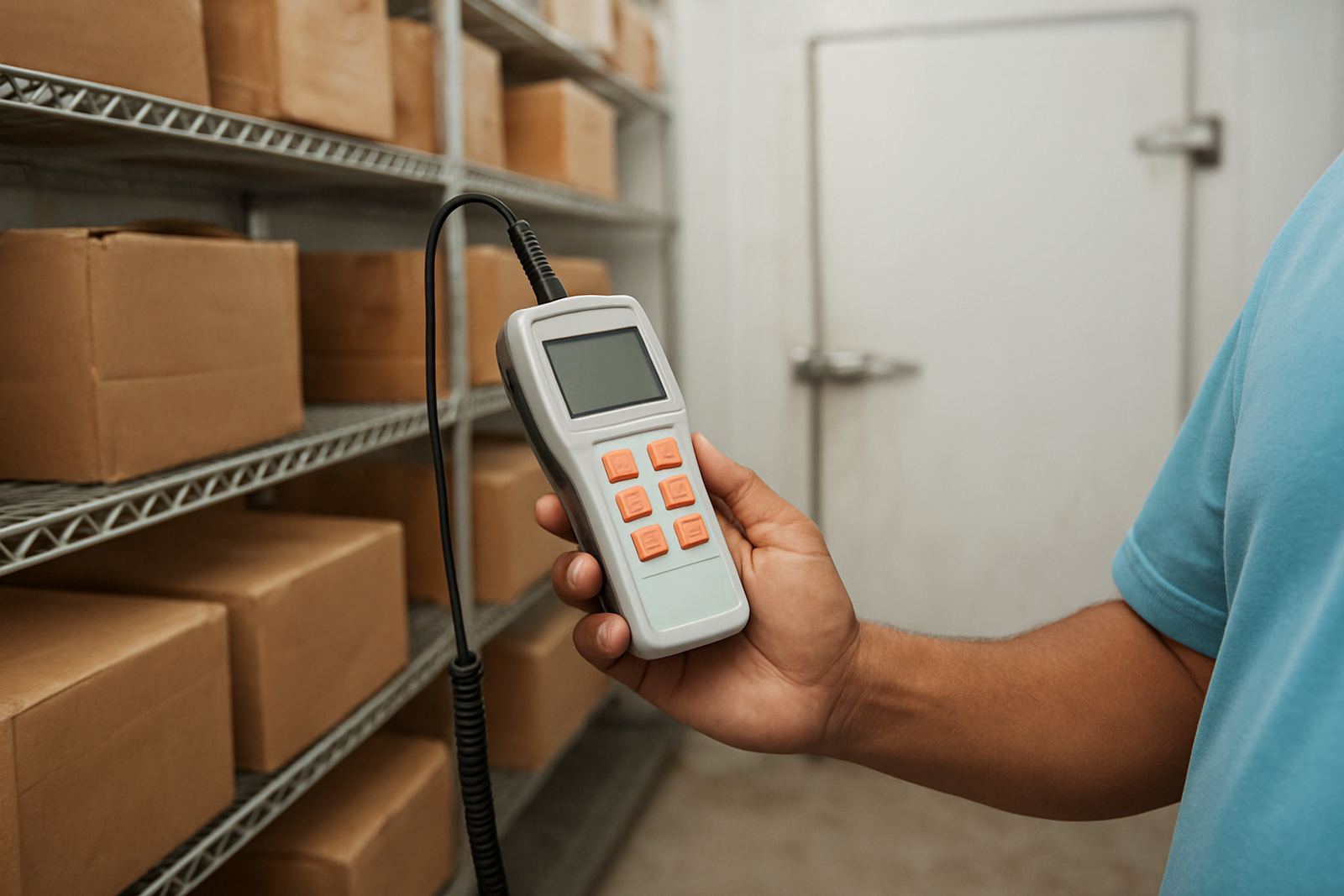
Temperature logging is for businesses that need more than a quick glance at a display. We take recorded readings at set intervals, note the condition of the unit and keep the information in a format that is easy to review when something goes wrong. That helps with food safety, stock protection and traceability across sites in Durban, Umhlanga, Ballito, Pinetown and the South Coast.
This service suits cold rooms, freezer rooms, butcheries, bakeries, pharmacies, warehousing and any operation where a few degrees can mean lost stock. We can log actual product area temperatures, air return temperatures, discharge air temperatures and door opening patterns where needed. If you already have a site log book, we can work with that too.
- Manual log sheets or digital reporting
- Fixed check times or shift based readings
- Single site or multiple branches
- Trend review for repeat faults and hot spots
What is included in a logging visit
Each visit is planned around your equipment and the level of traceability you need. A technician or service team member confirms the site, records the cabinet or room temperature, checks door seals, fan operation and visible alarm conditions, then notes anything that may affect the reading. If a room is pulling warm, we do not just write down the number and move on, we look for the reason.
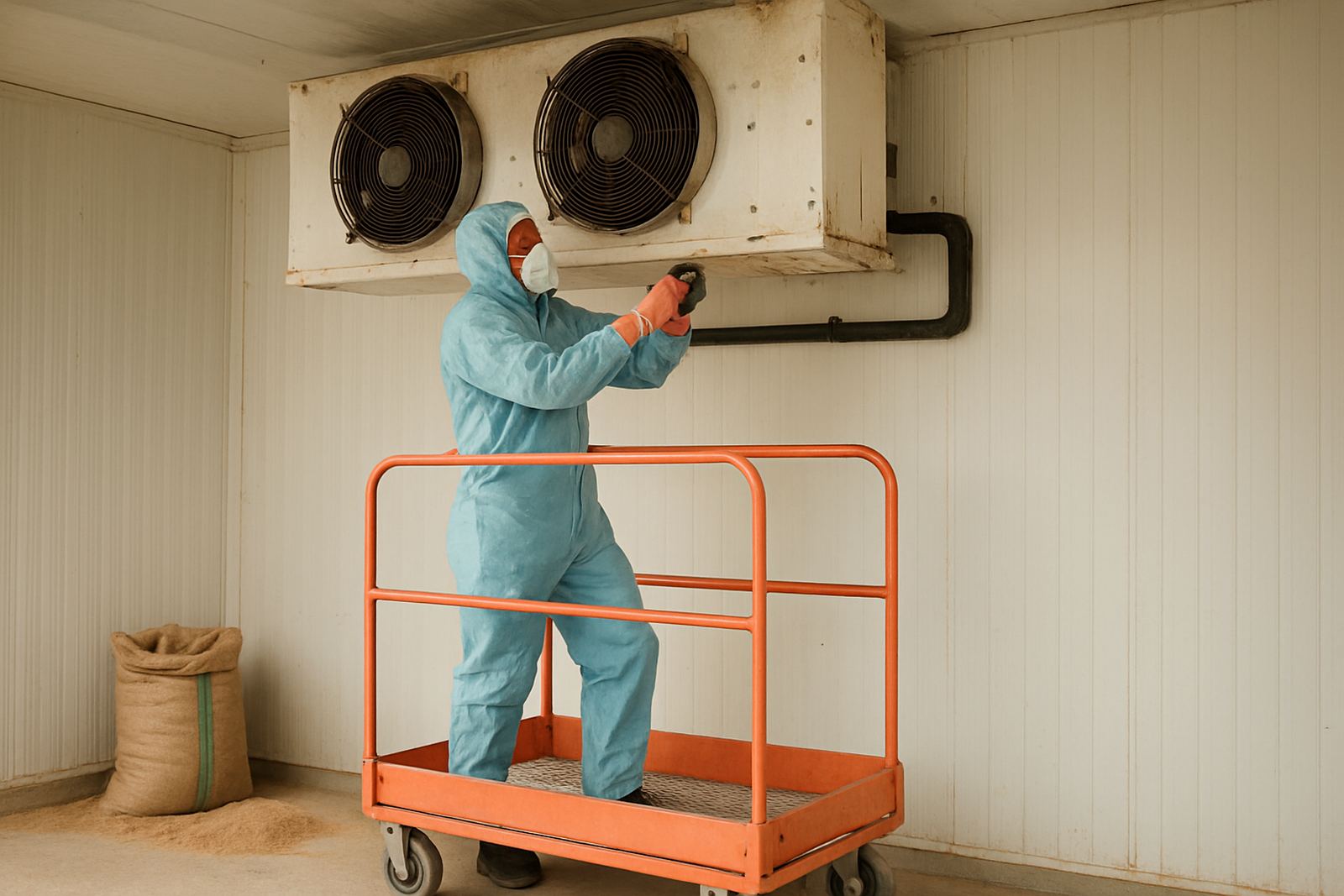
We can also include basic observations that matter for compliance and service history, such as icing on evaporator coils, blocked condensate drains, damaged strip curtains, water around the floor, loose probes and power interruptions. Coastal humidity in Durban and salt air near the coast can push equipment harder than expected, so small faults are worth catching early.
- Temperature reading with time and date stamp
- Visual condition check of doors, seals and gaskets
- Alarm, probe and controller notes where fitted
- Exception reporting if a reading falls outside range
How our process works from first visit to report
We start by agreeing the site requirement, the acceptable temperature range and how often readings must be taken. For example, a freezer room may need tighter control than a display chiller in a retail space. We then set the logging points and confirm who receives reports if a fault or a drift is found.
On site, the technician records the reading, checks the surrounding conditions and logs any change from the previous visit. If there is a problem, we can raise a breakdown call-out or fold it into your planned maintenance visit, depending on urgency. The final report can show single readings, weekly patterns or month on month trends, which is useful when a room is slow to recover after loadshedding or frequent door opening.
- Scope agreed before the first visit
- Readings taken at set intervals
- Faults escalated to service staff if needed
- Summary report issued for filing or audit use
Service intervals that fit your operation
The right interval depends on what you store and how critical the temperature is. Some sites only need daily checks, while others need several readings through the day. High turnover display chillers, freezer rooms and temperature sensitive stock often benefit from more frequent logging, especially in summer or during power interruptions. We can also increase visit frequency for peak trading periods.
For many Durban businesses, weekly visits are a practical starting point, with daily checks done in house between our visits. If your operation is larger or spread across more than one branch, we can set up a schedule that keeps all the records in one place. That makes it easier to spot a pattern before it becomes a spoilage issue, and yes the same goes for sites that run late into the night.
- Daily, weekly or custom intervals
- Extra checks during peak season
- Support for multi site operators
- Scheduled around trading hours and deliveries
Turnaround, reporting and pricing approach
For standard sites, temperature logging can usually start shortly after the scope is confirmed and access is arranged. Urgent setups are handled faster if the site is local and the equipment is accessible. Reports are issued after the visit or at the agreed interval, depending on whether you need immediate exception alerts or a periodic summary for management and compliance files.
Pricing is based on the number of sites, the frequency of readings, the time needed on site and whether we are logging one room or a wider system. Simple work with one cold room is priced differently to a multi branch contract with after hours access and detailed trend reporting. We quote clearly so you know what is included and what counts as a call-out or extra visit.
- One off logging jobs available
- Monthly service contract options
- Multi site pricing for Durban and KZN coast operations
- Extra visits quoted upfront where possible
Why logging matters for compliance and stock control
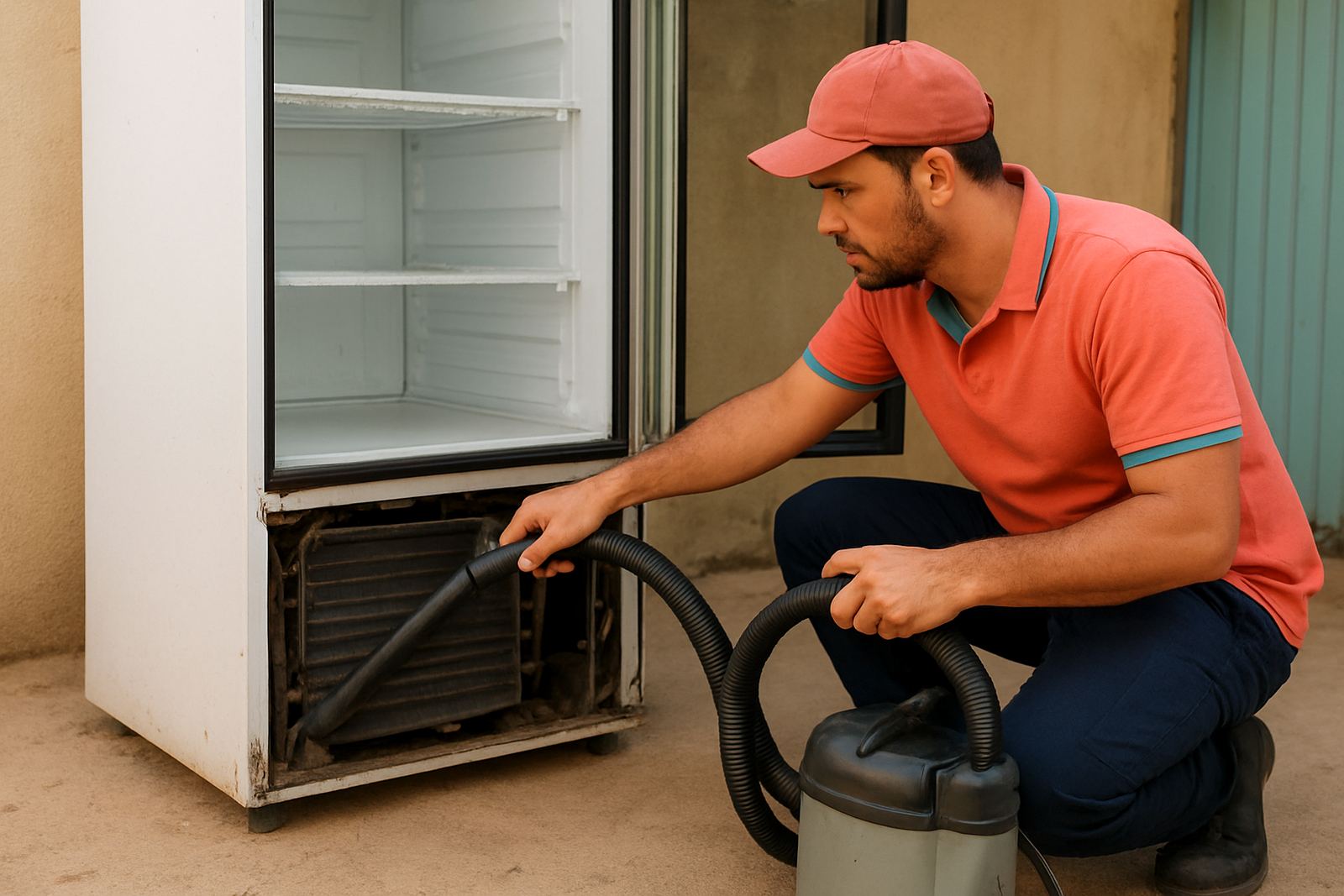
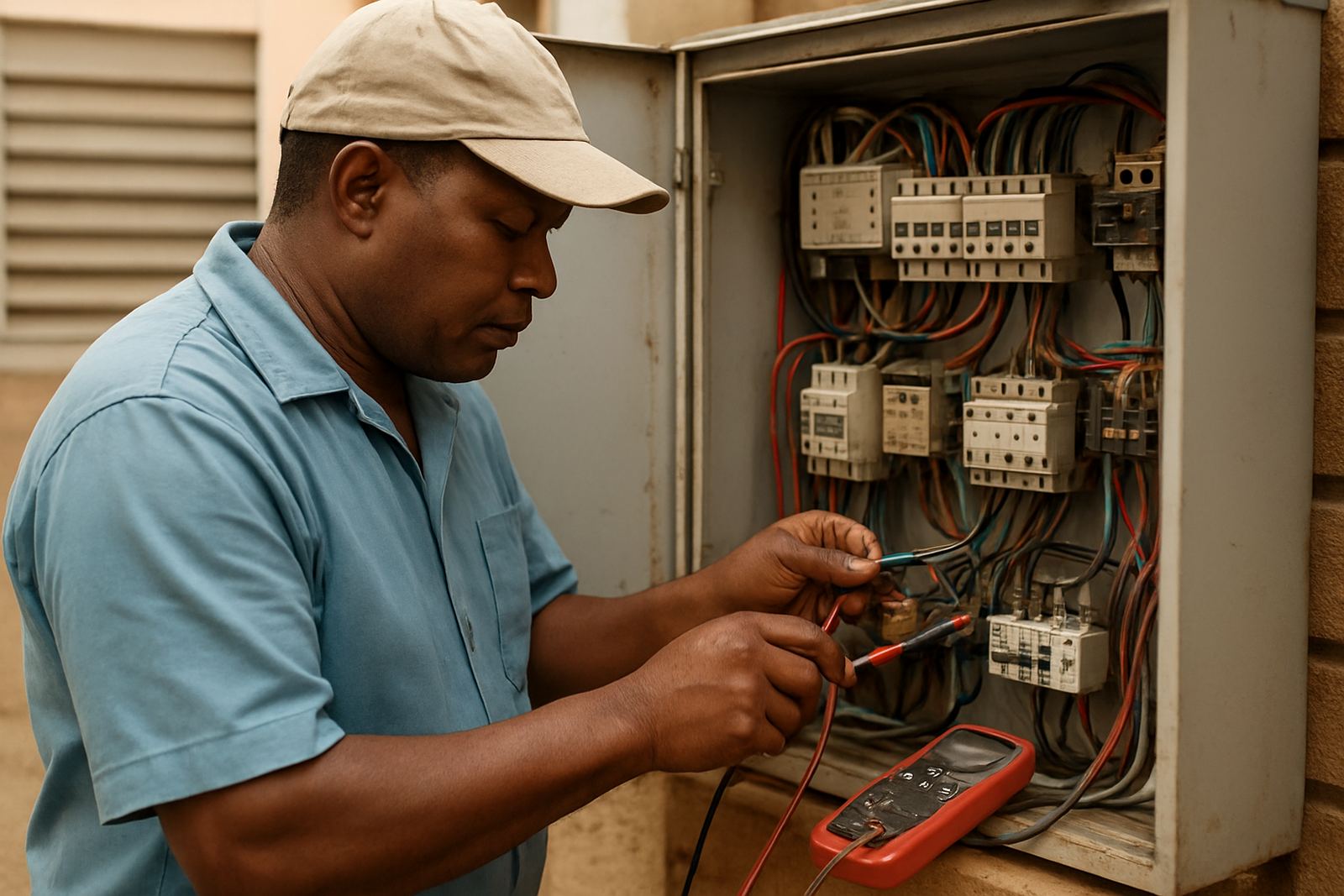
Temperature records are useful when a customer queries a delivery, when stock has to be written off, or when you need to show due care during an inspection. They also help you see whether a room is drifting warmer over time, which can point to a weak compressor, a failing fan motor, a dirty condenser or an electrical issue. A reading without context is only half the story.
Coastal Cooling Systems has worked on commercial refrigeration and air-conditioning since 1998, so we know how Durban heat, humidity and power cuts affect a site. Good logging makes those issues visible before they become expensive. If a room is repeatedly out by a few degrees, we can link the data back to servicing, leak detection or electrical fault finding and sort it properly.
Key facts
| Typical temperature range logged | -25°C to +12°C depending on the application |
|---|---|
| Site types | Cold rooms, freezer rooms, display chillers, controlled stores and HVAC spaces |
| Logging frequency | Daily, weekly or custom intervals |
| Report format | Manual sheets, summary reports or trend logs |
| Response area | Glen Anil, Durban North, Umhlanga, Pinetown, Ballito and the South Coast |
| Related services | Planned maintenance, breakdown call-outs, compliance checks and fault finding |