What our leak detection covers
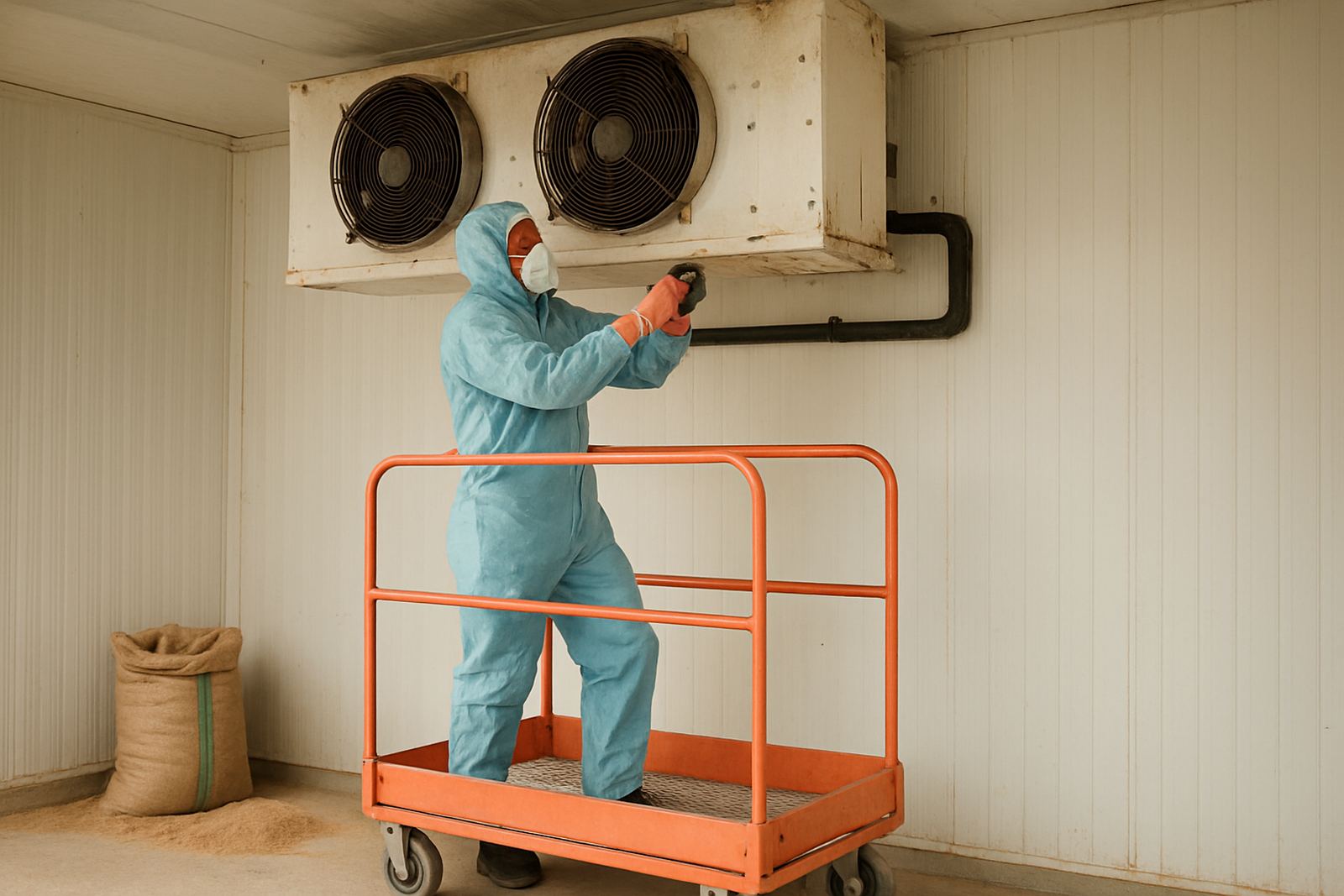
We trace refrigerant loss on plant ranging from small shop chillers to larger industrial systems, with checks carried out on pipework, joints, valves, coils, condenser circuits, service ports and drain areas where oil staining often shows first. Our work is practical and site based, so we look for the cause of the loss and not only the symptom. That matters in humid coastal conditions where corrosion, vibration and poor installation details can cause repeat leaks.
The service is suited to cold rooms, freezer rooms, undercounter units, display chillers, split air-conditioning and packaged commercial systems. We also check for signs of airflow restriction, icing and electrical faults that can be linked to low gas charge. If a system is short on refrigerant it may still run, but product temperatures drift and the compressor can start cycling badly.
- Visual inspection for oil marks, frost patterns and damaged pipework
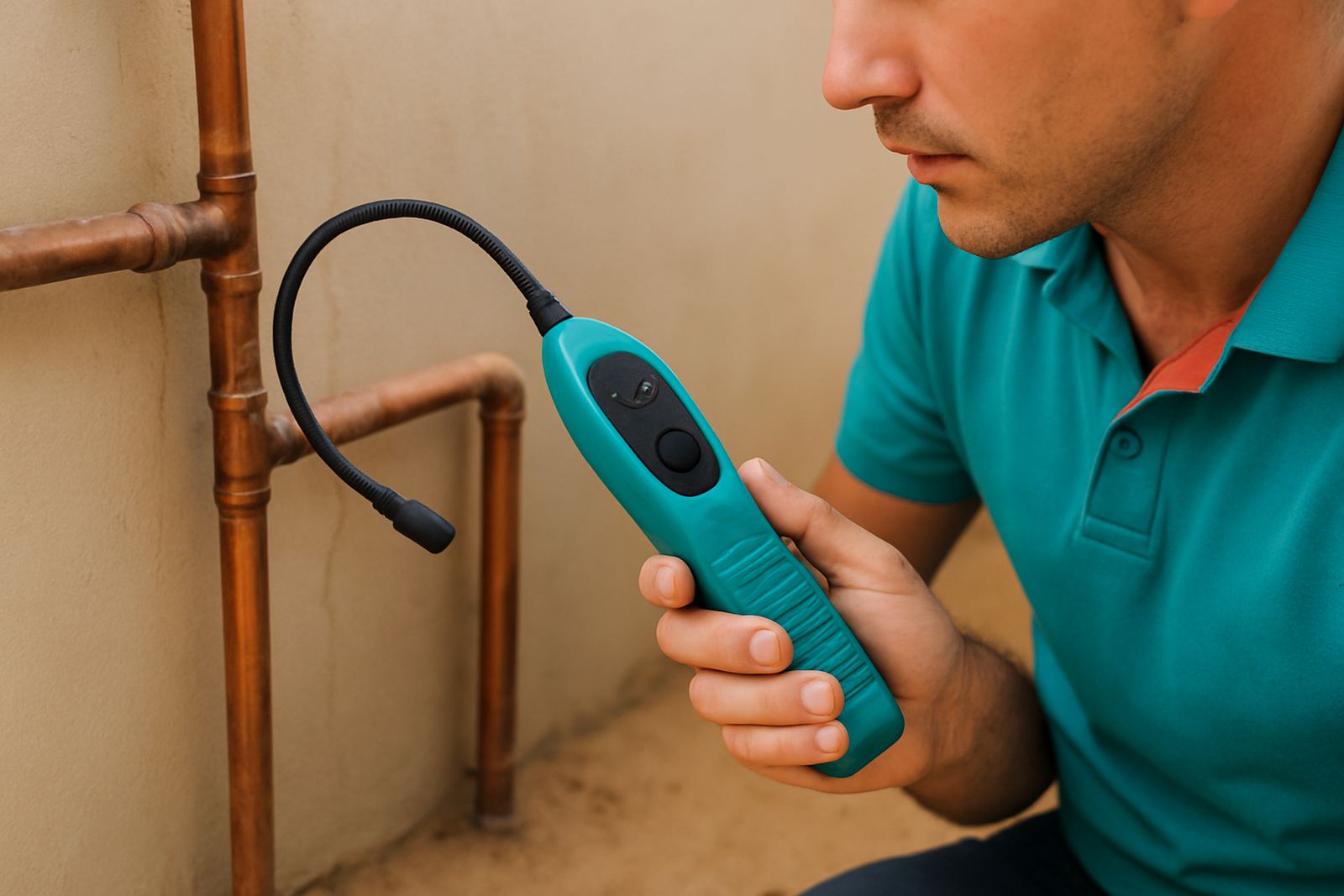
- Electronic leak searching on accessible refrigerant circuits
- Pressure and temperature checks to confirm abnormal readings
- Inspection of valves, fittings, coils and brazed joints
- Report on likely cause, repair priority and next steps
How we test a system step by step
Our technicians start with the operating history, recent breakdowns and any complaint such as weak cooling, longer pull-down time or repeated top-ups. We then isolate the circuit where needed and test the refrigertant side in stages, because a small leak can be missed if the whole plant is only looked at once. On larger systems we may separate sections and test by zone so the source can be narrowed down without wasting time.
Typical steps include leak sniffing around known stress points, checking service connections, inspecting evapourator and condenser sections, and reviewing operating pressures against expected values for the application. Where access allows, we also look at insulation breaks, support brackets and vibration points. If we find evidence of a leak, we identify whether it is minor seepage or a fault that needs immediate repair before the gas is lost again.
- Initial site assessment and fault history review
- Targeted search of pipework, fittings and components
- Confirmation of leak location or suspected area
- Isolation and retest on multi circuit or multi unit systems
- Written findings with repair recommendation
Turnaround for Durban sites and outlying areas
For Durban North, Glen Anil, Umhlanga and nearby commercial sites, we aim for a quick response on call-outs, especially where food stock, medicine or temperature sensitive goods are at risk. In practice, the turnaround depends on access, the size of the system and whether the plant is still operating. A single display chiller fault can often be checked in one visit, while larger cold room plants may need a return visit after isolation or overnight monitoring.
Sites in Pinetown, Ballito and the South Coast are scheduled according to route and urgency. If the plant is losing gas fast, we treat it as a priority because every hour of running low adds strain and can lead to compressor damage. Our office will advise what information to have ready, such as system type, symptoms, last service date and whether the unit has tripped on high pressure or low pressure.
- Priority response for active temperature rise or repeated tripping
- Same day attendance where route and workload allow
- Follow up visits for hard to trace leaks or sealed panels
- Service reports issued after the inspection
Pricing based on time, access and plant size
Leak detection is priced according to the site, the number of circuits, access conditions and the amount of fault finding needed. A simple system with good access and one obvious issue will cost less than a roof mounted plant with concealed pipework, multiple circuits or several possible leak points. We keep pricing clear so the client knows what the visit covers before work starts.
Where possible, we quote after a short phone discussion and ask for the model type, location and symptom history. If the plant needs further diagnostic time, we explain that up front rather than adding surprises later. For service contract clients, leak detection can form part of planned maintenance, which helps catch slow losses before stock is affected and reduces repeat call-outs.
We do not charge by guesswork. The cost follows the time on site, access difficulty and whether the work is part of routine maintenance or an urgent breakdown. On larger industrial systems, it may be more economical to combine leak detection with pressure checks and electrical fault finding on the same visit.
Maintenance intervals that help prevent gas loss
Regular checks are the best way to stop small losses becoming expensive failures. For commercial refrigeration in busy Durban conditions, we normally recommend leak detection as part of quarterly maintenance, with more frequent attention on heavily loaded plants, older equipment or sites near the coast where salt air speeds up corrosion. Freezer rooms and cold rooms running through load-shedding periods also benefit from closer monitoring because repeated restarts can stress joints and fittings.
As a guide, standard retail and hospitality sites should have refrigerant circuits checked at least every three months, while higher risk installations may need monthly visual inspections and temperature logging. If a system has had a previous leak repair, we often suggest a follow up check after the next operating cycle so the repair can be confirmed under working conditions.
- Quarterly checks for most commercial refrigeration
- Monthly monitoring on older or high use plants
- Extra inspections after repairs or major vibration events
- Closer attention on coastal sites with corrosion risk
Why early leak detection saves money
A system running low on refrigerant has to work harder to reach set temperature, which means higher electricity use and more wear on compressors, fans and contactors. It can also lead to uneven product temperatures, iced up coils and nuisance trips that interrupt trading. In a freezer room, a slow leak can turn into a product risk very quickly if the plant is left to run without proper checks.
Early detection also helps with compliance and records. If your site keeps temperature logs and maintenance files, a leak report gives clear evidence of what was found, what was done and whether further repair is needed. That makes it easier for managers, tenants and landlords to track responsibility on shared sites. Coastal Cooling Systems services Glen Anil, Durban North, Umhlanga, Pinetown, Ballito and the South Coast from our Durban base, with support for both single units and larger plant rooms.
Who handles the work on site
Our leak detection work is managed by experienced refrigeration staff who know the pressure, temperature and electrical signs that show a loss before it becomes obvious. Sibusiso Mthembu oversees the business, with Priscilla Naidoo managing operations and service flow. Themba Dlamini handles senior refrigeration diagnostics, while Kyle Govender supports air-conditioning systems where the fault crosses over into cooling performance. Zanele Khumalo coordinates service contracts and Aiden Pillay prepares project estimates where repairs or upgrades are needed.
That means you deal with one team from first report to final feedback, instead of being passed around. If the leak is found and repairs are approved, we can assist with the next stage so the system is not left open for days on end. For urgent breakdowns or ongoing maintenance plans, contact Coastal Cooling Systems at service@coastalcoolings.co.za.
Key facts
| System types | Cold rooms, freezer rooms, display chillers, split and packaged air-conditioning |
|---|---|
| Detection methods | Visual inspection, electronic leak searching, pressure and temperature checks |
| Typical access points | Service valves, joints, coils, pipework runs, condenser sections and fittings |
| Service areas | Glen Anil, Durban North, Umhlanga, Pinetown, Ballito and the South Coast |
| Recommended interval | Quarterly, with monthly checks on older or high risk installations |
| Response focus | Fast attention for active gas loss, poor pull-down or repeated trips |