Frozen storage built for busy Durban sites
A walk-in freezer is a purpose-built cold room for frozen goods, with insulated wall, ceiling and floor panels, a refrigerated unit, lighting, and a tight-sealing door that keeps warm air out. It is used where upright freezers or chest freezers are not enough, or where stock must be rotated quickly and kept in one place under proper control.
In Durban and along the coast, humidity and warm ambient temperatures put extra strain on refrigeration equipment. That means the room has to be sized correctly, sealed properly, and matched to the site’s power supply. If the room is too small or poorly insulated, the plant runs harder, temperatures swing more often and running costs rise. That is not good for meat, seafood, pastry, ice cream or any frozen stock that must hold condition.
We work from Glen Anil and support sites across Durban North, Umhlanga, Pinetown, Ballito and the South Coast. For many customers the need is simple: keep stock frozen, keep it accessible, and keep the room working through load-shedding, summer heat and long trading hours.
Common sizes, layouts and finish options
Walk-in freezers are normally built to suit the room you have, not the other way round. We can set up small back-of-house units for restaurants and butchery stores, or larger frozen storage rooms for wholesalers, packhouses and food service depots. Internal size depends on stock volume, pallet access, shelf space, door traffic and whether you need room for trolleys or hand-pallet movement.
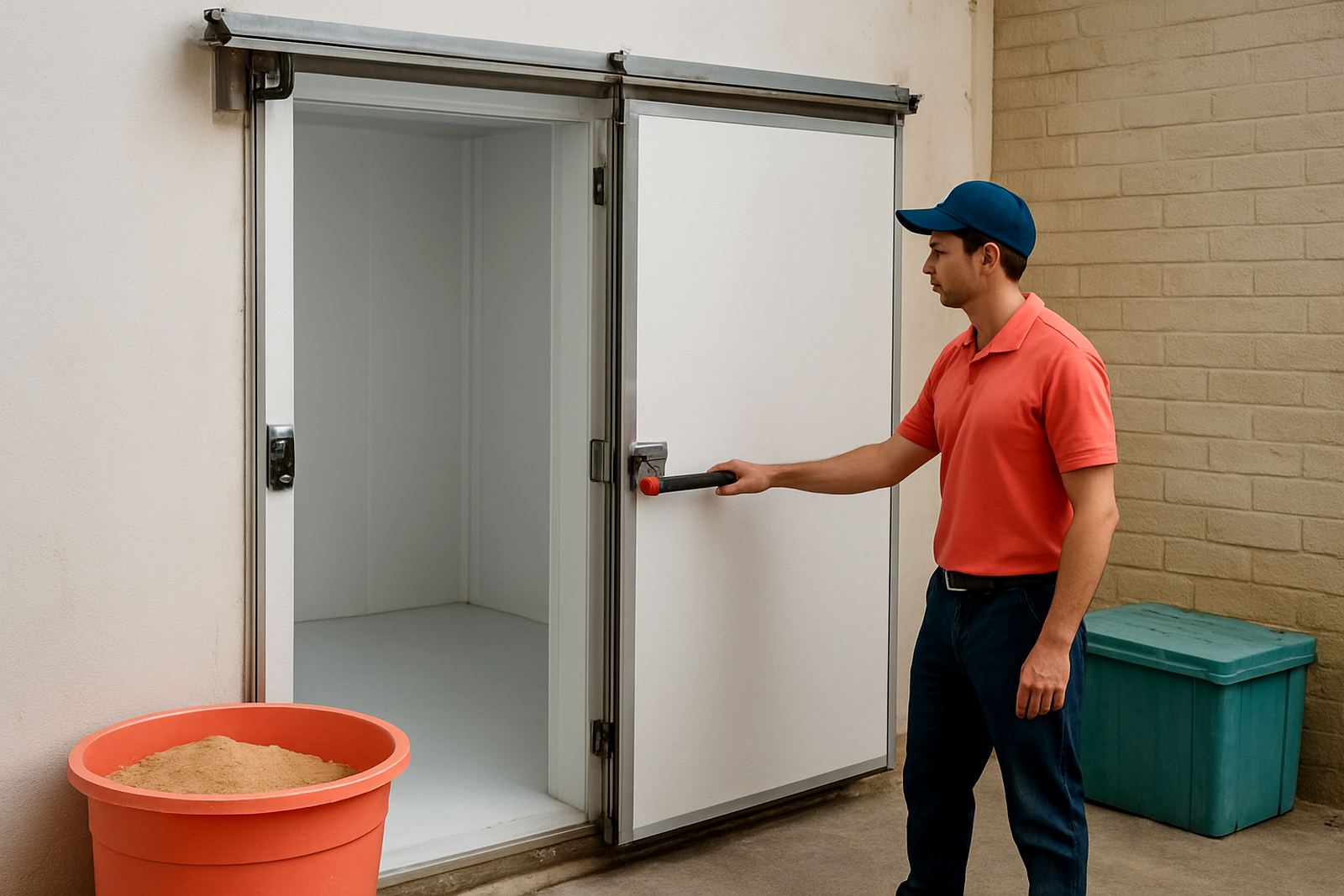
Typical options include straight-access rooms, L-shaped rooms, split rooms with storage zones, and rooms with separate ante areas to reduce cold loss. The right door position matters too, especially where staff are moving in and out often. For heavy use we usually specify a stronger floor finish and a door arrangement that suits your daily routine.
- Small rooms for limited frozen stock and daily access
- Medium rooms for kitchens, retailers and local distributors
- Large rooms for pallet storage and higher turnover stock
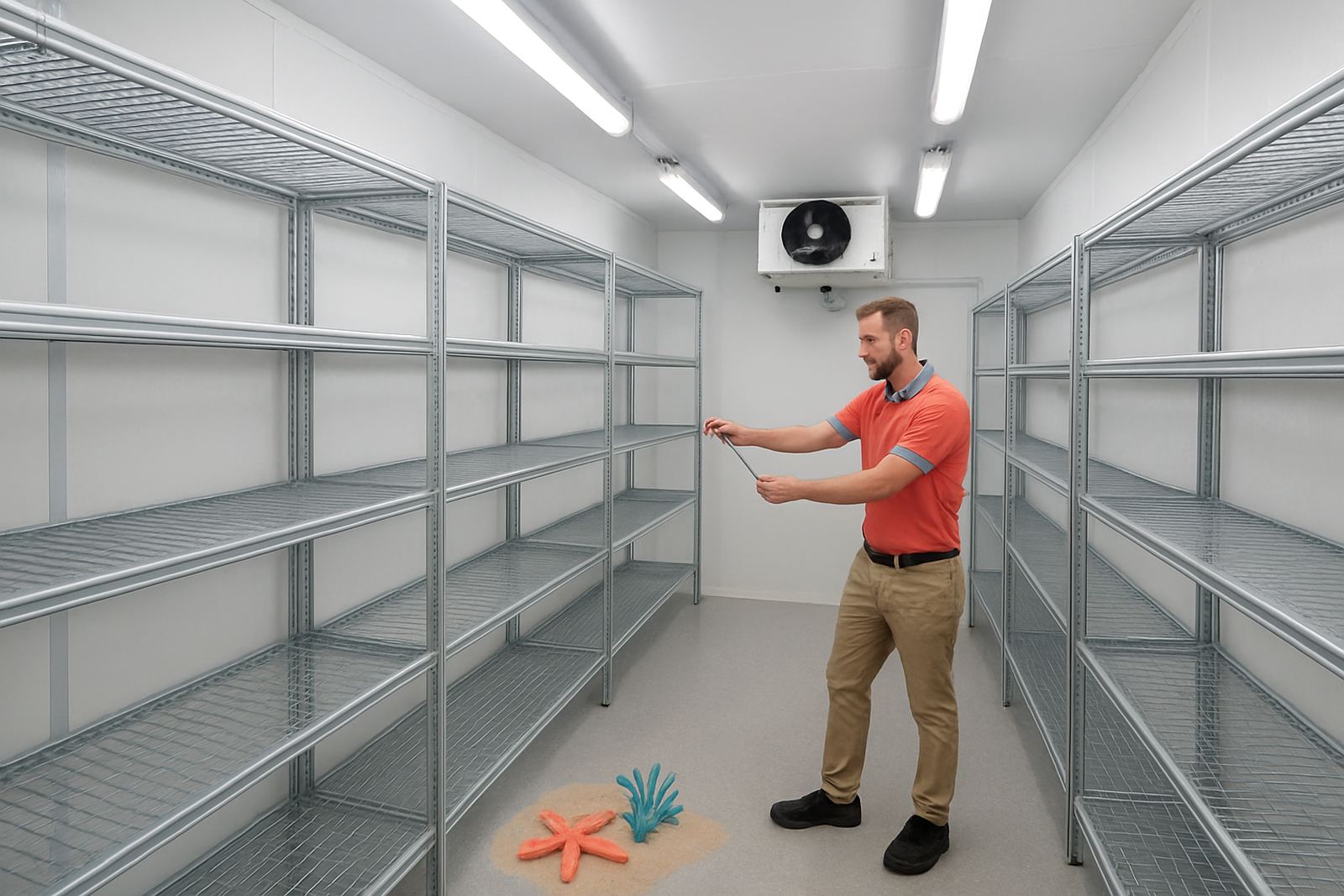
- Custom internal shelving, ramps and insulated flooring
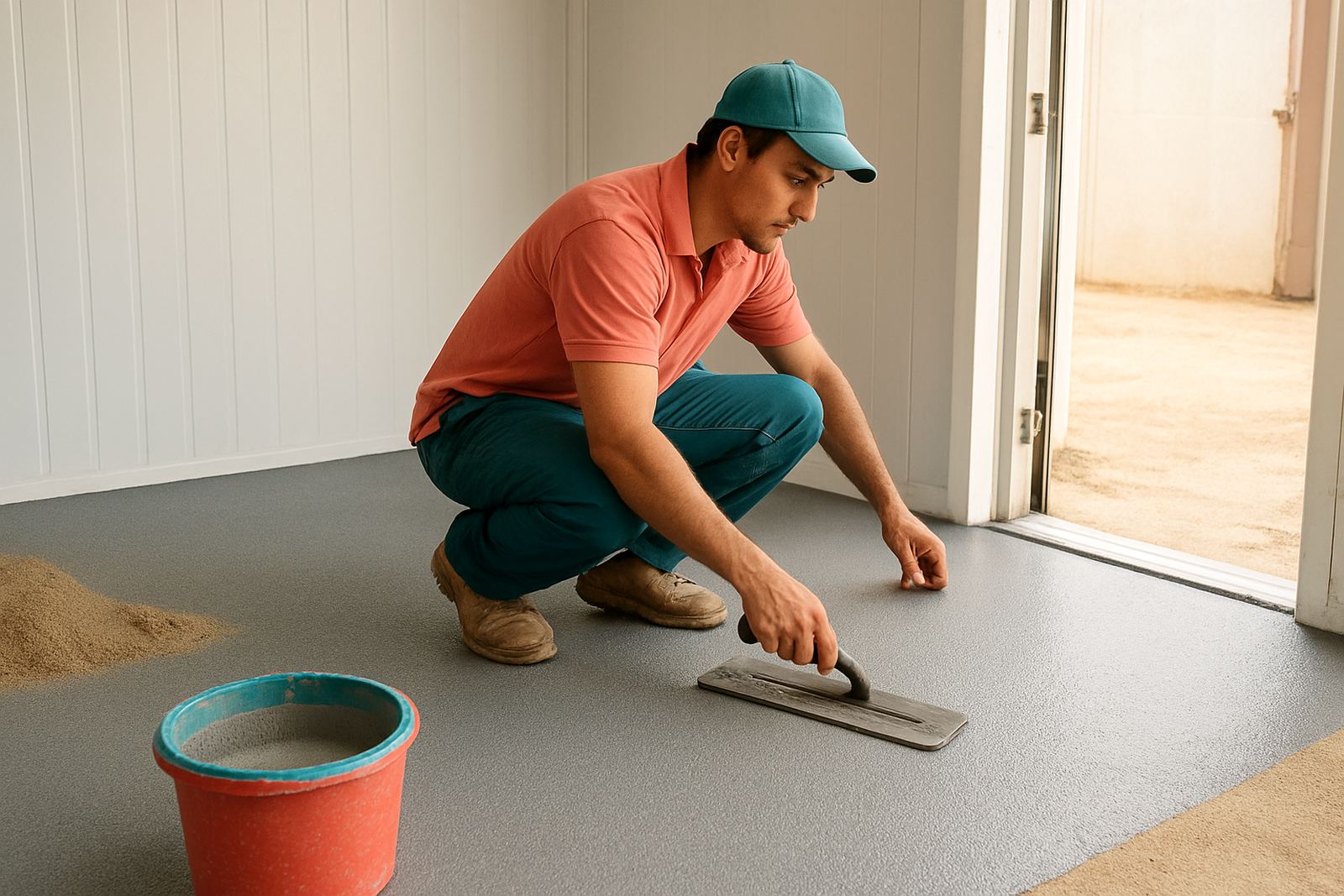
Panel thickness, floor build-up and door hardware are chosen to suit the temperature duty and the site conditions. Coastal sites often need better corrosion control on exposed parts, because salty air can shorten the life of fittings if the wrong materials are used.
Where a walk-in freezer works best
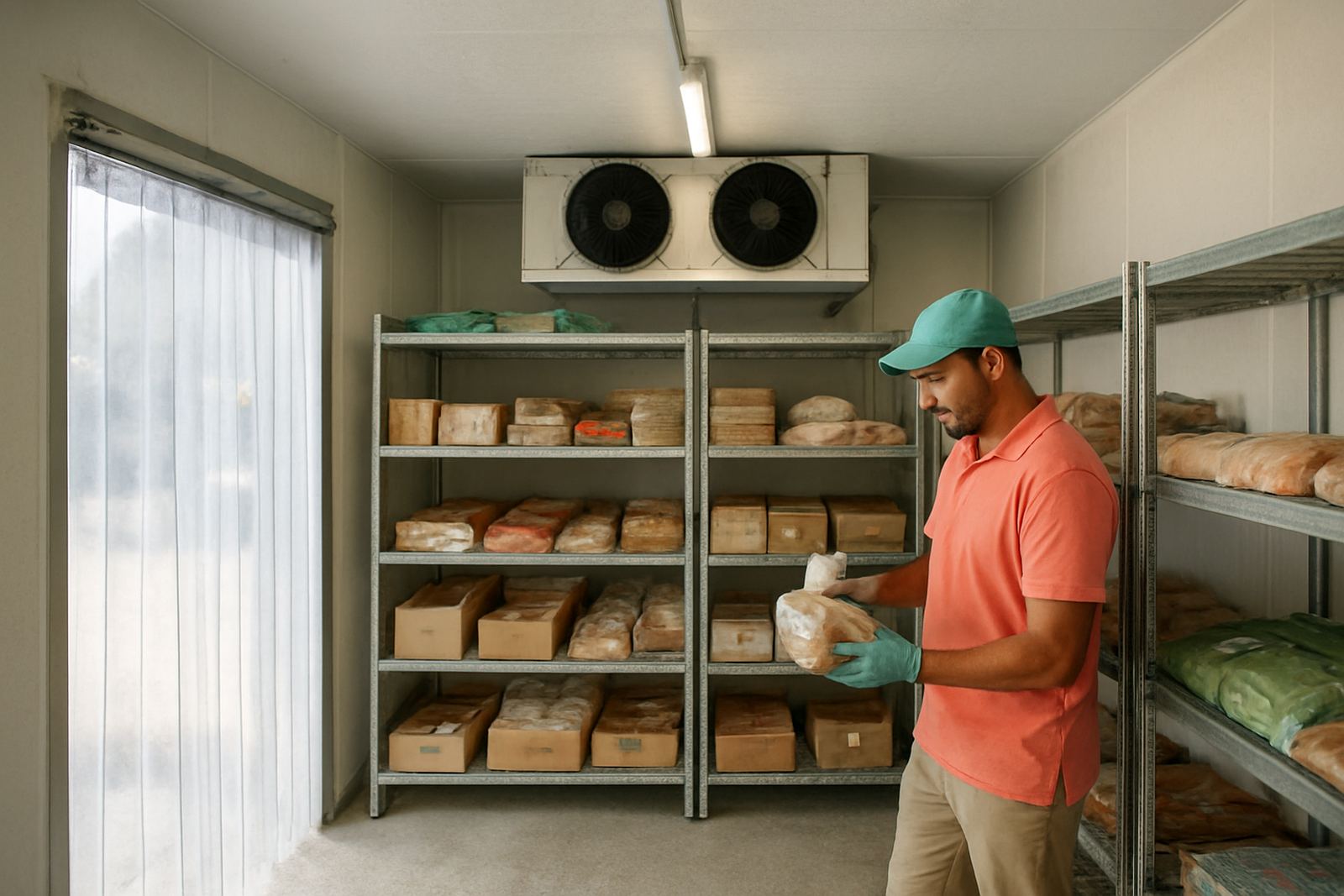
These rooms suit businesses that need frozen stock close at hand and in proper order. That includes seafood handling, meat rooms, bakeries, milk and dairy storage, ice cream and dessert storage, bottle stores with frozen product lines, supermarkets, catering kitchens and food manufacturers. They also suit logistics yards and wholesale operations that need a central frozen holding point.
For sites in shopping centres or dense commercial areas, planning matters. Door swing, access width, truck offload routes and noise control all need to be checked before work starts. In some municipal areas you may also need to consider building approvals, fire access, and whether your site’s electrical supply can handle the added load.
We often find that a freezer room solves space problems too. Instead of several small freezers scattered around a kitchen or store room, one properly laid out cold room makes stock counting easier and reduces losses from doors being left open or product being stacked badly. It also helps with first-in, first-out rotation, which is important for food safety and good control.
Key facts
| Temperature range | Typically -18 °C to -25 °C, depending on product and loading |
|---|---|
| Internal sizes | Custom built, from compact rooms to pallet-scale storage |
| Panel build | Insulated ceiling, wall and floor panels with vapour control |
| Door options | Hinged or sliding, with heavy-duty seals and safe internal release |
| Power supply | Matched to site supply, usually 230 V or 400 V systems |
| Controls | Digital temperature control with alarm and logging options |