What a walk-in chiller is and where it works best
A walk-in chiller is an insulated cold room kept above freezing, usually between 0°C and 5°C, for holding fresh food, drinks, dairy, prepared meals and ingredients. It gives you more storage than upright fridges, keeps stock organised and helps staff move faster during service and receiving. In busy kitchens and stores, that extra room matters when deliveries arrive at once or when trading picks up on hot days.
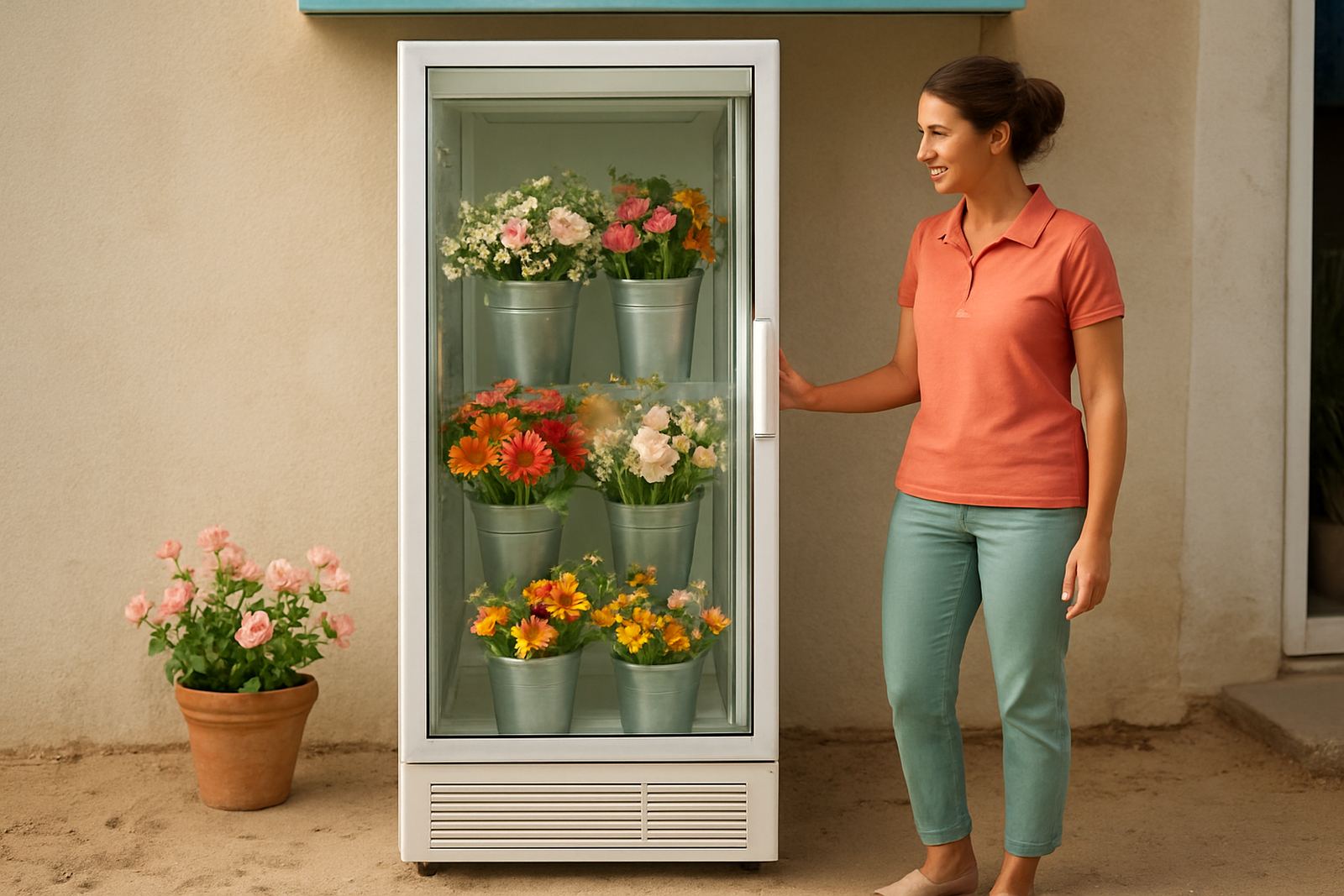
We build walk-in chillers for restaurants, butcheries, bakeries, supermarkets, hotels, takeaways and food production areas. They also suit bottle stores, bars, florists and any operation that needs steady chilled storage rather than a line of small appliances. In Durban and along the coast, the right insulated room also helps when humidity is high and ambient temperatures stay warm for much of the year.
Sizes, layouts and interior options
Room size depends on stock rotation, door traffic and how often goods are loaded. A small back-of-house room may be about 2 m x 2 m for daily kitchen use, while larger commercial rooms can run to 3 m x 6 m, 4 m x 8 m or more. We can build compact rooms for tight sites in Glen Anil or larger units for warehouses, retail stores and hospitality venues in Umhlanga, Pinetown, Ballito and the South Coast.
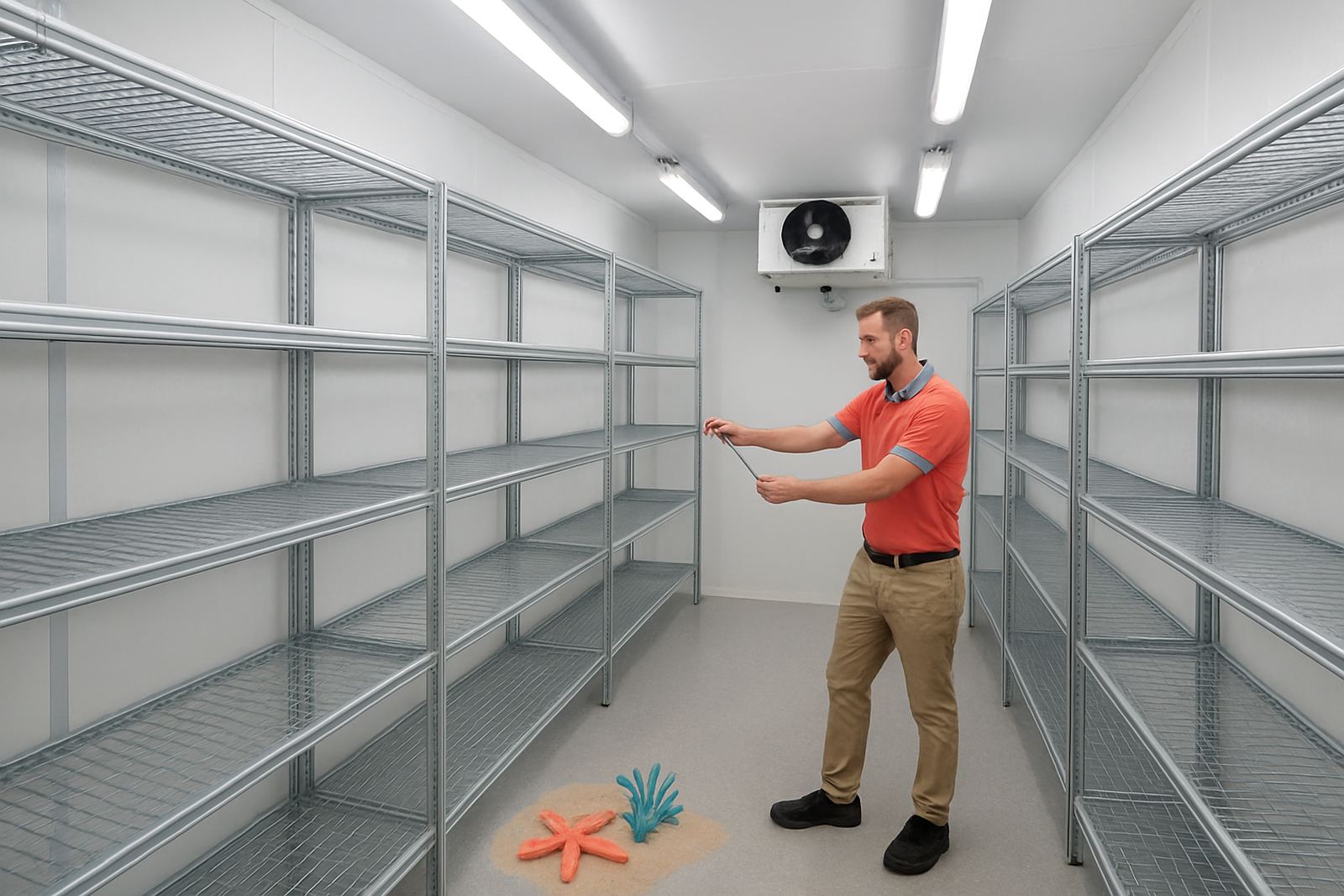
Typical options include split panel construction, floor insulated or floorless builds, swing or sliding doors, internal strip curtains, shelving, lighting and viewing windows where required. If you handle frequent trolley movement, we can allow for stronger thresholds and wider clear openings. If the room must fit into an existing prep area, we measure the access route first so the panels can actually get in without delays.
- Panel thickness usually from 75 mm to 125 mm depending on duty and ambient conditions
- Door widths commonly from 800 mm to 1 200 mm clear opening
- Ceiling heights often between 2.1 m and 2.7 m for practical access
- Optional flooring with anti-slip finish for wet or high-traffic areas
Cooling equipment, power needs and site conditions
The refrigeration system is matched to the room volume, product load, door opening frequency and the site climate. For a chiller, the system may use a remote condensing unit and an evaporator mounted inside the room, with controls set to hold a steady chilled range. We size the equipment for Durban heat and coastal humidity, because a room that works in winter can struggle in January if it was undersized from the start.
Power supply needs vary by room size. Smaller units may run on single-phase power, while larger rooms generally need three-phase supply and proper isolating protection. We assess the available electrical capacity, the cable route and any backup needs before installation. Where load-shedding is a concern, it is worth planning for temperature holdover, alarm monitoring and generator compatibility so stock does not warm up during an outage.
- Temperature range for chilled storage: typically 0°C to 5°C
- Electrical supply: single-phase or three-phase depending on room size
- Controls: digital thermostat, probe, alarm output and defrost timing
- Drainage: condensate drainage must be routed correctly to avoid pooling
Installation on active sites
Most walk-in chiller projects need careful planning around trading hours, food safety and site access. We handle the build sequence so the room goes in with the least disruption possible, which may mean off-hour installation, split delivery or phased commissioning. On active kitchen and retail sites, we also check floor finish, wall clearance and service routes before any panels are fixed in place.
Good installation includes tight panel joints, correctly sealed corners, a level base, and proper air movement around the condensing unit. If there is no room for heat to disperse, the equipment will work harder and use more power. We also take municipal and compliance concerns into account, including drainage, electrical isolation and safe access for maintenance technicians.
- Room positioned away from direct sun where possible
- Allowance for future shelving and stock movement
- Service access left clear around the refrigeration components
- Commissioning includes temperature pull-down and control testing
Care, servicing and fault prevention
Walk-in chillers need regular care to keep temperatures stable and running costs under control. Door seals should close properly, evaporator coils must stay clean and drain lines need to stay open. If a door is left open often, or stock is warm when it goes in, the system works harder and frost or condensation becomes a problem faster than most owners expect.
We offer planned maintenance, breakdown call-outs and temperature logging for chilled rooms across Glen Anil, Durban North, Umhlanga, Pinetown, Ballito and the South Coast. Routine checks can include leak detection, electrical fault finding, control testing and compliance checks. If you are storing meat, dairy or prepared food, a service contract is a practical way to reduce surprise failures and protect stock value.
What to check before you order
Before you order a walk-in chiller, work through the actual use of the room rather than only the size of the floor space. Ask how much stock must fit on the busiest day, how often the door will open, whether trolleys must pass through and whether the room will sit in a warm or exposed position. These points affect the panel thickness, cooling capacity and door type.
It also helps to confirm the available electrical supply, whether the site has three-phase power, where the drainage can run and what backup will be used during load-shedding. If you need compliance paperwork, temperature records or maintenance support after handover, include that from the start. A bit of planning now saves a lot of call-outs later.
- Product type and required storage temperature
- Internal dimensions, door size and access route
- Available power supply and generator backup
- Expected opening frequency and daily stock turnover
- Need for shelving, alarms, logging or service contracts
Key facts
| Temperature range | 0°C to 5°C for chilled storage |
|---|---|
| Panel thickness | 75 mm to 125 mm |
| Power supply | Single-phase or three-phase, size dependent |
| Door options | Swing or sliding, with strip curtain if needed |
| Floor options | Insulated floor or floorless build |
| Typical use | Food storage, beverage cooling and back-of-house holding |