What a flower cooler does in daily use
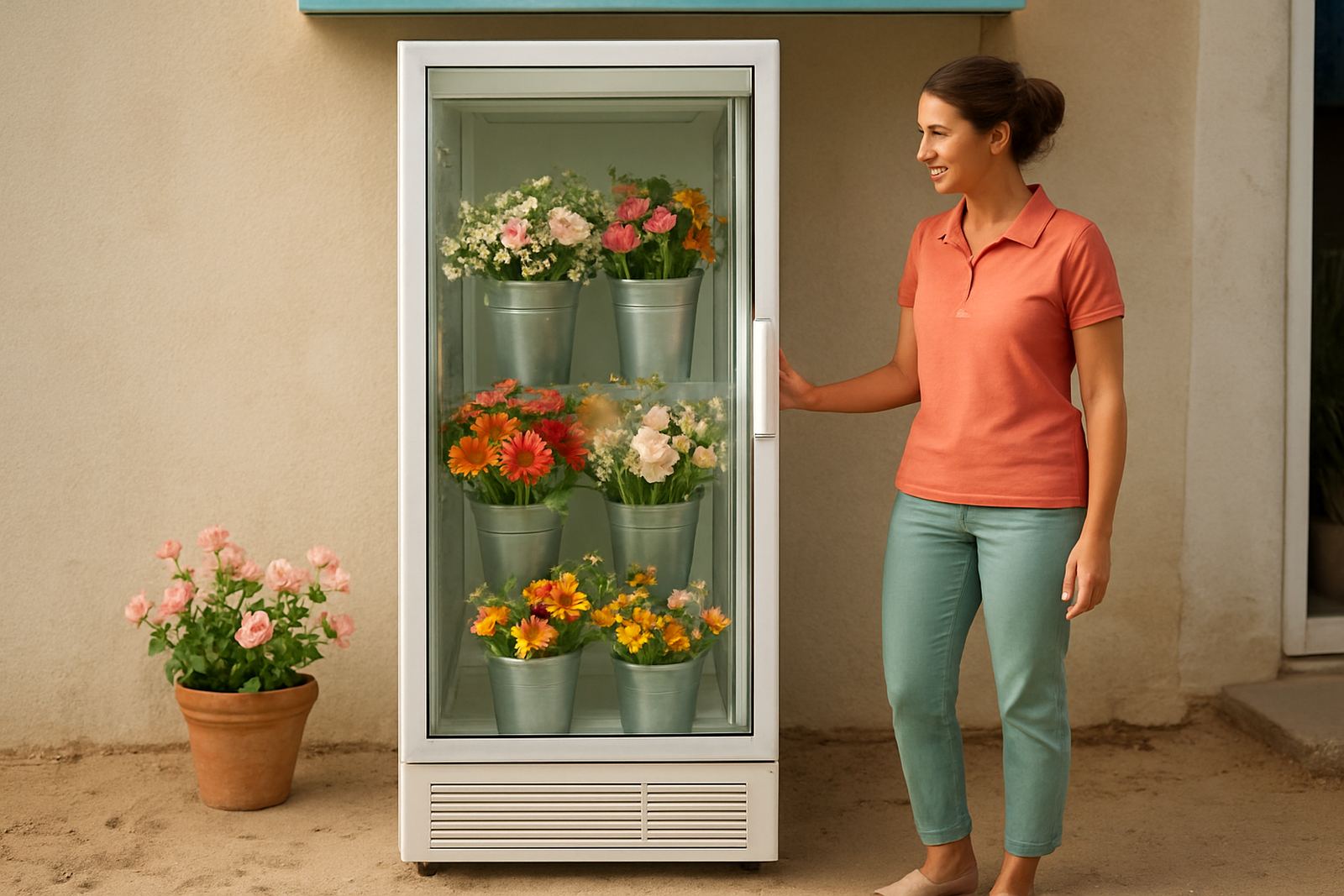
A flower cooler is a small cold room or controlled storage room set up for cut flowers, foliage, bouquets and finished arrangements. The aim is not to freeze the product, but to hold it at a lower, even temperature with the right airflow so stems stay fresh and petals do not open too fast. For Durban and coastal KwaZulu-Natal, that matters a lot because heat, humidity and short power interruptions can shorten display life quickly.
Most flower coolers run between 2 °C and 8 °C, depending on the flower type and how long the stock must hold. The room also needs good sealing, careful door use and correct shelving so air can move without drying the product out. We often build these rooms for florists, supermarket flower sections, wedding suppliers and growers who need stock ready early for morning trade or weekend functions.
With the right setup, staff spend less time sorting wilted stock and more time preparing orders. That helps reduce waste, protects margins and keeps displays looking clean and consistent during busy periods.
Sizes and layout options for small or busy flower rooms
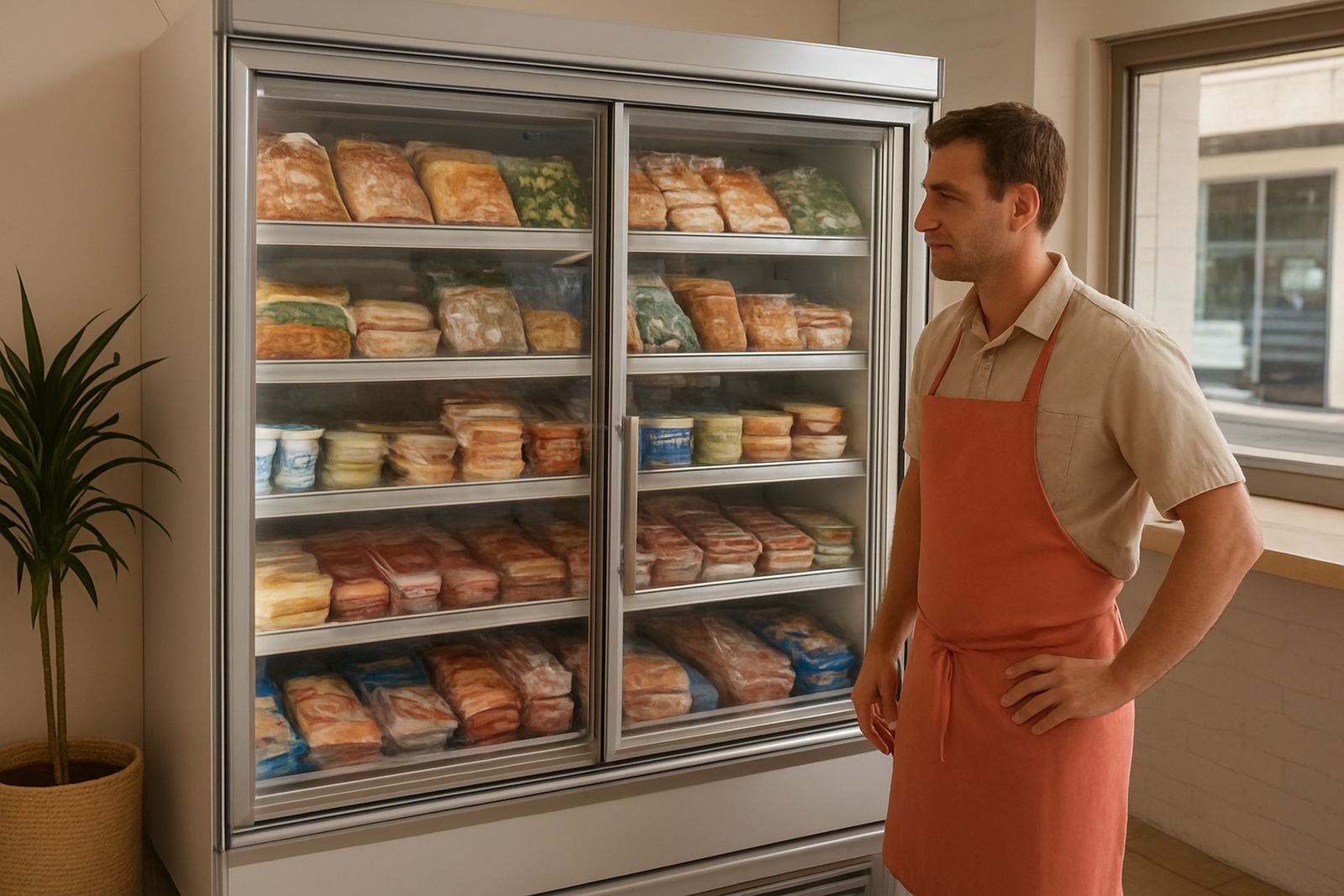
Flower coolers can be built in compact and larger formats, depending on the volume of stock and the space available on site. A small florist may only need a 1.5 m x 2 m room for overnight storage, while a wholesaler or event supplier may need 3 m x 4 m or larger with more shelving and a separate packing area. We also fit walk-in rooms where access is frequent, and sliding or hinged doors depending on the site flow.
The internal layout matters as much as the size. Adjustable shelving, hanging rails, clear floor space for buckets and enough room around the evaporator all help with day-to-day use. For shops in Umhlanga, Durban North and Ballito where floor space is tight, we often look at the entry path, loading point and whether the room needs to sit near the back of shop or the prep area.
- Small storage rooms for daily florist use
- Mid-size rooms for wedding, retail and event stock
- Larger walk-in rooms for wholesale or grower operations
- Custom shelving and hanging options for stems and arrangements
- Sliding or hinged doors based on access and room position
Temperature, airflow and humidity control that suit fresh flowers
Flowers need stable conditions. If the room swings too cold, some varieties can suffer damage. If it runs too warm, the blooms open too quickly and the vase life drops. A proper flower cooler uses controlled refrigeration, accurate thermostat settings and airflow that is gentle enough not to dry out petals or leaves. In coastal areas this balance is important because outside humidity can be high, while inside a room poor circulation can still cause condensation and spoilage.
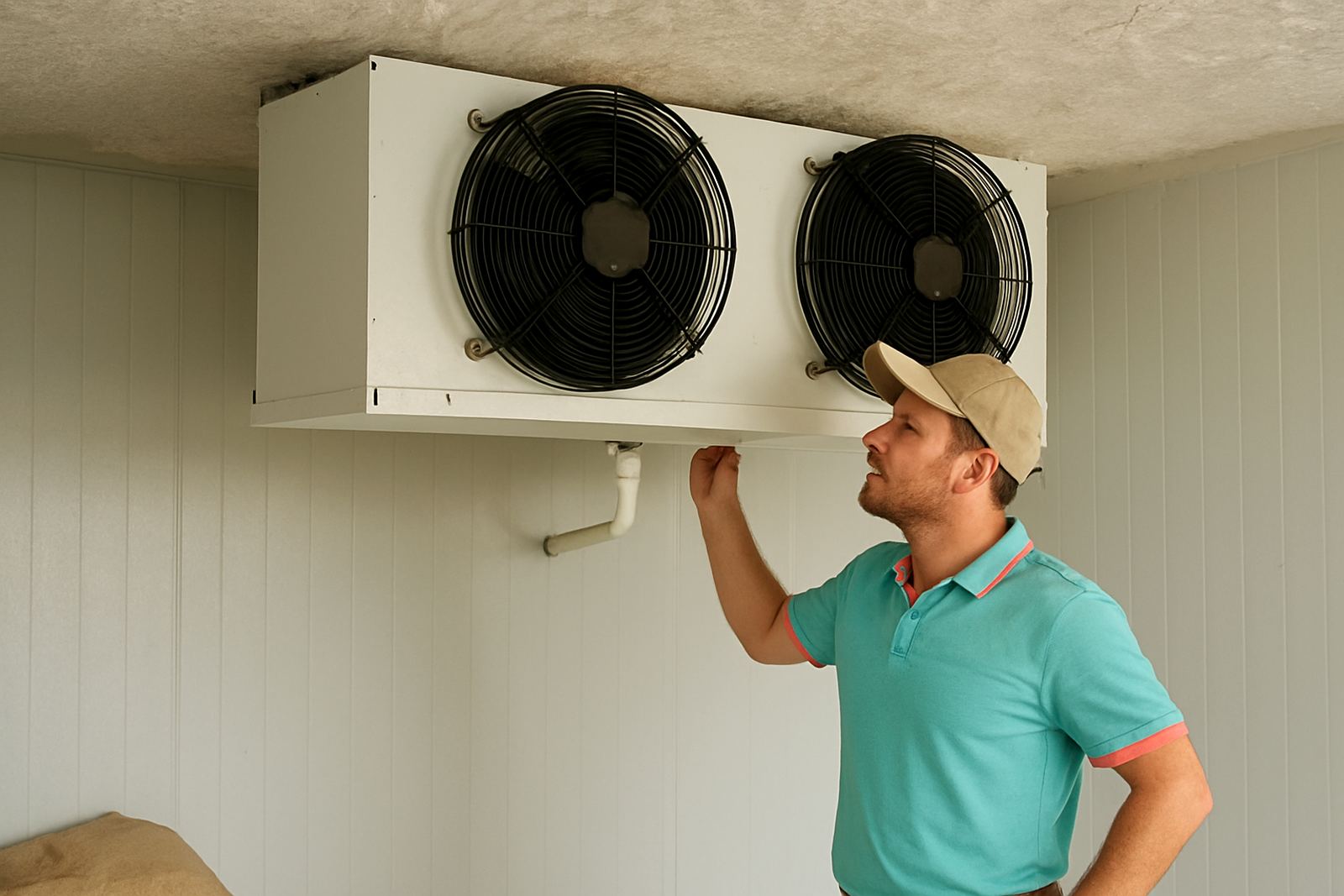
We set up systems so the evaporator and fan arrangement spread cool air evenly without blowing directly onto delicate stock. Temperature logging is useful too, especially for businesses that supply hotels, functions, supermarkets or hospitals where product quality must be consistent. If your flowers arrive early in the morning and go out again later that day, the cooler must recover quickly when the door opens repeatedly.
For some sites, a simple mechanical thermostat is enough. Other rooms need more exact control and alarms for temperature deviation. It depends on the flowers stored, the volume in the room and whether stock is kept overnight or for several days.
Installation details, power use and site checks before fitting
Before installation, we check the room size, insulation, door position, drainage and available power. Flower coolers need good insulated panels or a properly insulated room shell, because weak insulation forces the plant to work harder and can cause unnecessary running cost. We also look at heat from nearby bakeries, prep areas or sunny walls, since these can affect performance.
Most installations require a dedicated electrical supply with correctly sized protection, isolators and cabling. In Durban, where load-shedding and supply dips are part of business life, many clients also ask about standby power planning so stock is not at risk during outages. In some cases a backup power source or changeover arrangement is worth planning from the start, rather than trying to add it later when the room is already full.
- Check insulation thickness and floor finish
- Confirm electrical supply and breaker capacity
- Allow space for service access to the refrigeration unit
- Plan drainage for wash-down and condensation
- Consider backup power if stock value is high
Where flower coolers suit best across Durban and the coast
These rooms suit flower shops, supermarket floral departments, wholesalers, funeral suppliers, garden centres and event businesses. They are also useful for hotels and venues that buy in arrangements for regular functions. In Durban North, Glen Anil and Umhlanga, we often see businesses that need a neat storage room behind front-of-house areas, while on the South Coast the need is often tied to weekly delivery runs and tourist season demand.
Flower coolers also suit mixed-use businesses that handle fruit, plants or other delicate stock, but the room should still be set up for the exact product range. Flowers and foliage do not behave like meat or frozen goods. They need controlled cold, not deep chill. That is why the room design, shelving and airflow should be matched to the stock you actually handle.
Where the room sits near loading bays or external doors, we can help reduce warm air entry with practical door hardware, strip curtains or a better layout. That cuts strain on the unit and helps keep the temperature steady on hot humid days.
Care, servicing and what to check when ordering
A flower cooler gives the best return when it is serviced regularly. Filters, drains, fans, controls and electrical connections should be checked before faults affect stock. Planned maintenance helps catch dirty coils, worn door seals and small refrigerant losses before they become expensive breakdowns. For KZN coast sites, salt air and humidity can also affect the metalwork and electrical parts over time, so cleaning and inspection are important.
When ordering a flower cooler, ask about the daily stock volume, the size of the room, door opening frequency and whether the cooler will run alone or next to another cold room. You should also confirm the temperature range, the shelving arrangement, and whether temperature logging or alarm features are needed. If the room will be used for events, ask how quickly it recovers after repeated door opening. If you expect power interruptions, ask about restart settings after an outage and whether the system needs extra protection.
- Stock type and required temperature range
- Room dimensions and internal access
- Door use throughout the day
- Power supply and outage planning
- Maintenance access for cleaning and repairs
Coastal Cooling Systems supports flower cooler installs and service work from Glen Anil across Durban North, Umhlanga, Pinetown, Ballito and the South Coast. If you need a new room, a refurb, or regular upkeep on an existing cooler, our team can inspect the site and advise on the right setup.
Key facts
| Typical temperature range | 2 °C to 8 °C |
|---|---|
| Common room sizes | From about 1.5 m x 2 m to custom walk-in rooms |
| Use case | Cut flowers, foliage, bouquets and prepared floral stock |
| Construction | Insulated room panels or insulated room shell with sealed door |
| Utilities | Dedicated electrical supply, drainage and optional temperature logging |
| Service support | Planned maintenance, breakdown call-outs and compliance checks |