What a remote rack system does on site
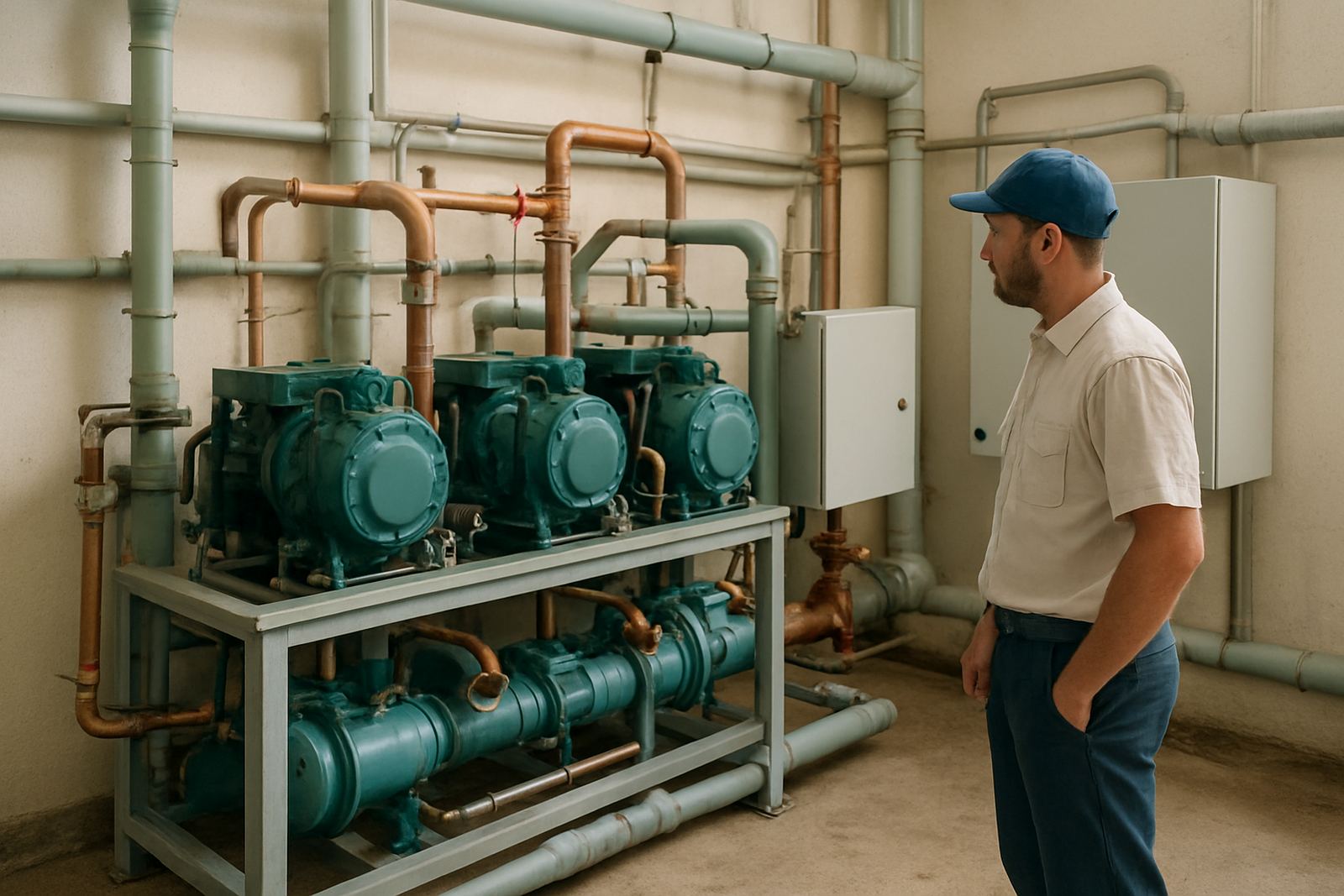
A remote rack system is a central refrigeration plant that supplies refrigerant to more than one evaporator or cabinet from a single set of compressors, valves and controls. Instead of each cold room or display unit having its own compressor, the main plant sits in a plant room, on a rooftop or in a dedicated outdoor area and the cooled spaces are linked back to it by insulated pipework.
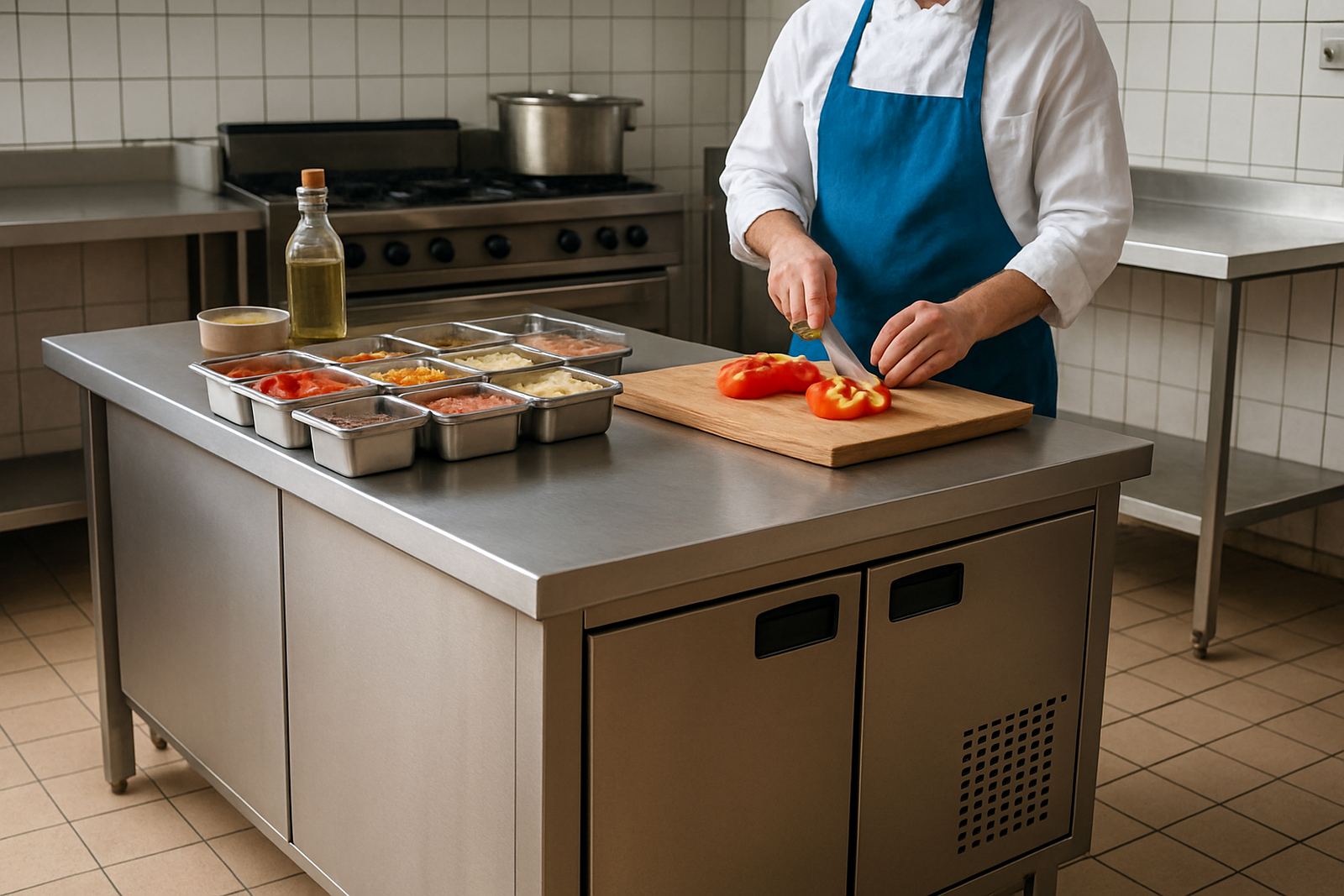
This setup suits butcheries, bakeries, bottle stores, supermarkets, florists, food distribution rooms and larger kitchens where several temperatures are needed at once. It also helps when the sales floor must stay quiet and tidy, because the heat and compressor noise are moved away from the front of house. In humid coastal areas like Durban North, Umhlanga and Ballito, it can be easier to control moisture and condensation if the plant is planned properly from the start.
Coastal Cooling Systems designs and maintains remote rack systems for commercial and industrial sites from Glen Anil through Pinetown and down the South Coast. We look at the real duty on site, how often doors open, whether the building is exposed to salt air, and how the team will use the equipment during load-shedding and early morning receiving times.
Typical sizes and configuration options
Remote racks are built to match the load, and there is no useful one-size answer. A single display chiller line can call for a small low-temperature pack, while a large site with a freezer room, prep room and multiple cabinets may need a multi-compressor rack with separate suction groups and staged capacity. The right selection depends on total cooling duty, room volume, product pull-down times and the ambient temperatures around the plant area.
Common options include air-cooled or water-cooled condensers, one to four compressors on smaller commercial packs, and larger multi-compressor frames for high-demand sites. Systems can be arranged for medium temperature, low temperature or a combination of both, with electronic controls that allow independent monitoring of each line. Where power supply is unstable, we can also plan for soft-start controls, safe restart settings and staggered starting to reduce current draw after outages.
- Small commercial pack: one to two circuits for a few cold rooms or cabinets
- Medium rack: multiple circuits for mixed chillers and freezer rooms
- Large rack: staged compressors for higher duty, longer hours and future expansion
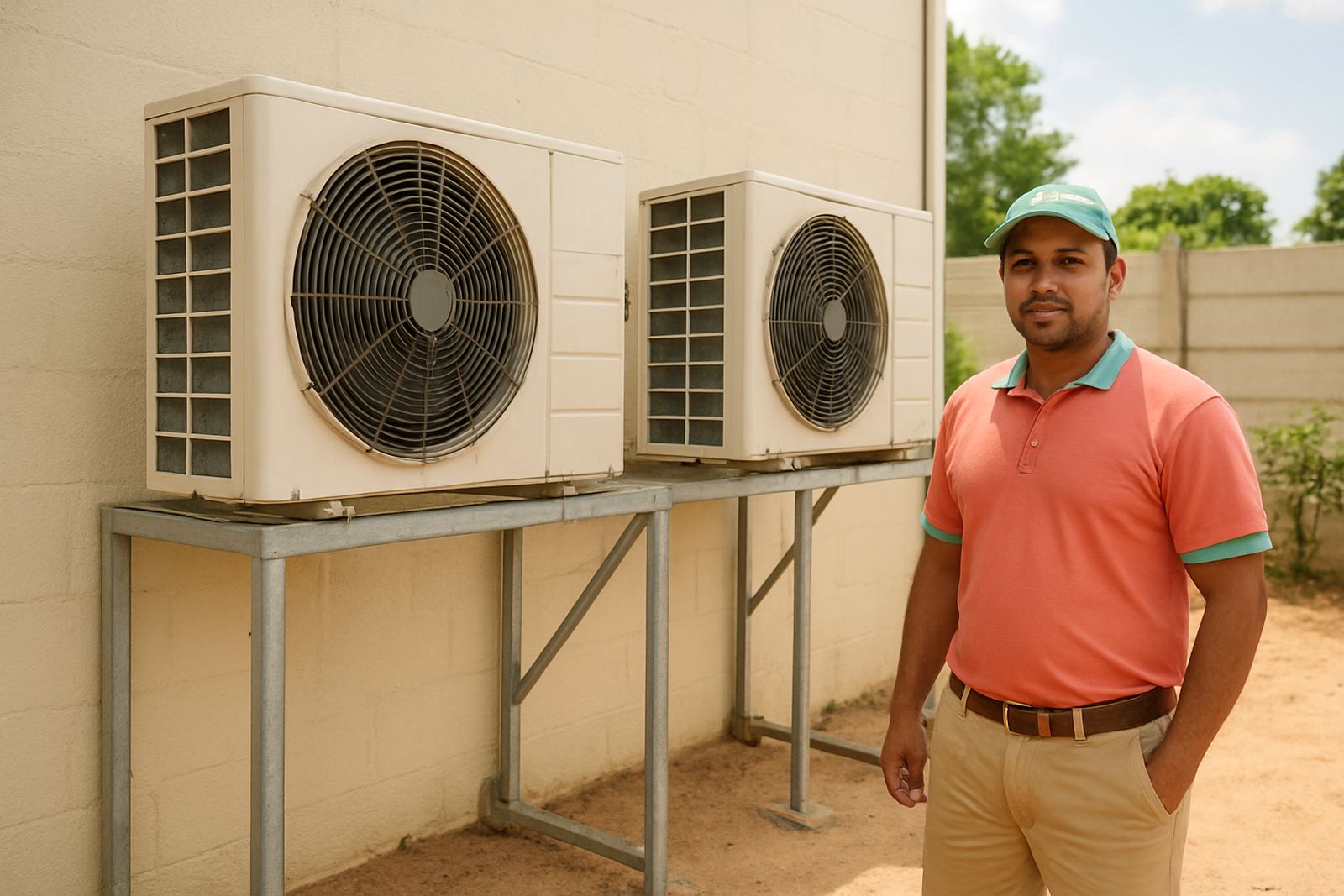
- Remote condenser location: roof, yard or service area with good airflow
Where remote racks work best
These systems are a practical fit where several refrigerated points are used together every day. A clothing store will not need this, but a food site with repeated door openings, early deliveries and strict temperature holding often does. The more cabinets or rooms that depend on refrigeration, the more sense centralisation makes, especially when management wants one service plan for the whole plant.
Remote rack systems are commonly used for butcheries, seafood counters, frozen food storage, bakery proofing and chill areas, restaurant stores, chilled beverage rooms and wholesale food distribution. They also suit sites that struggle with heat build-up. If the plant room is cramped or the back area gets too hot in summer, a properly positioned remote rack can keep the equipment in a better operating range and reduce nuisance trips.
On the KZN coast, salt in the air can shorten the life of coils, motors and electrical parts if routine cleaning is ignored. That is why location matters. A rack placed too close to a grease outlet, laundry vent or dusty yard will need more attention than one installed with clear service access and enough ventilation around it.
Installation, electrical load and refrigerant lines
Good installation is not only about bolting down a frame. The pipe runs must be sized for the actual distance between the plant and the cooled spaces, with correct oil return, pressure drop and insulation thickness. If suction lines are undersized or poorly routed, the system can run hard and lose capacity before it should. That means more power use and more wear on compressors.
Electrical supply must also be checked carefully. A remote rack can need a substantial starting current, so the incoming supply, protection gear and changeover arrangements need to be confirmed before delivery. On sites that run through generator power or inverter-backed supply during load-shedding, we check compatibility before commissioning. For outdoor plant in Durban weather, we also allow for rain, heat and salt exposure, with proper mounting and cable protection.
- Correct pipe sizing for each circuit and distance
- Insulation suitable for humid coastal conditions
- Electrical protection, isolators and safe access for maintenance
- Drain routing and condensate control for the connected rooms
Where municipal or landlord rules apply, especially in shared industrial parks or retail centres, we make sure the service access and noise placement are practical. It avoids arguments later and keeps the plant easier to inspect.
Care, servicing and temperature control
A remote rack system gives good results only if it is checked regularly. Fans, coils, belts, contactors, valves and controls all need attention, and any small refrigerant loss should be found early before it turns into a bigger breakdown. In coastal air the condenser can load up quickly, so washing and inspection intervals matter more than many owners expect.
Our service work includes planned maintenance, breakdown call-outs, leak detection, electrical fault finding, temperature logging and compliance checks. We also inspect door seals, defrost operation, drain heaters and product hold temperatures because a fault in one part of the system can show up in a different room altogether. If a freezer room is cycling too often or a display cabinet is struggling at midday, the issue may sit in the rack and not in the cabinet itself.
For busy sites, a service contract is often the simplest way to keep records straight. It gives the owner one point of contact for routine checks and helps track changes in performance over time. That is useful when auditors, insurers or head office want proof that temperatures have been monitored and maintenance done on schedule.
What to check before you order
Before selecting a remote rack, it helps to have a clear picture of the site. The more accurate the information, the better the sizing and the fewer site changes later. We usually ask for room dimensions, cabinet counts, product type, target temperatures and any plans for future expansion. If the business may add another freezer room in six months, it is smarter to allow for that now.
- How many rooms or cabinets will be connected now and later
- Target temperatures for chilled and frozen products
- Distance from plant position to each evaporator or cabinet
- Available power supply and backup arrangements
- Whether the plant area is indoors, outdoors or on a roof
- Cleaning access, noise limits and surrounding heat sources
At Coastal Cooling Systems in Glen Anil, Durban, we have handled commercial refrigeration and air-conditioning since 1998, and we know the difference between a neat drawing and a site that must actually work through summer traffic, power cuts and coastal humidity. If you need a remote rack for a new project or a replacement for failing plant, we can assess the load and advise on a sensible setup for your operation.
Key facts
| System type | Centralised refrigeration pack for multiple cold rooms, freezer rooms or display cabinets |
|---|---|
| Capacity range | Sized to site load, from small commercial packs to multi-compressor rack systems |
| Temperature range | Medium temperature and low temperature applications, or mixed duty |
| Condensing options | Air-cooled or water-cooled depending on site conditions and services |
| Installation needs | Correct pipe sizing, insulated refrigerant lines, electrical supply and service access |
| Typical use areas | Butcheries, bakeries, supermarkets, food stores, kitchens and distribution rooms |