What a monitoring alarm does on site
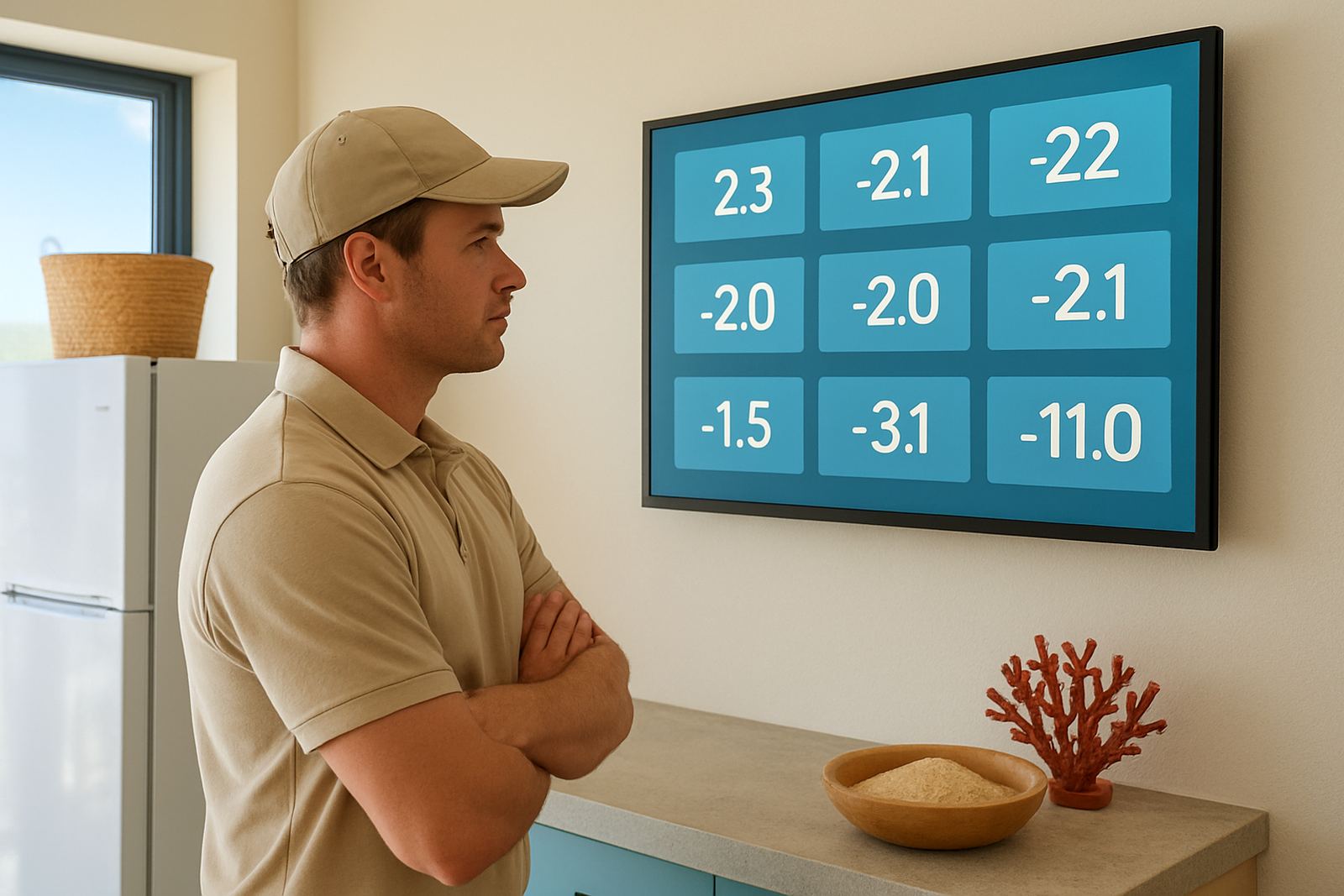
A monitoring alarm watches the condition of your refrigeration or air-conditioning plant and warns staff when something goes out of range. That can be a high temperature in a cold room, a low temperature in a freezer, a power failure, a door left open, or a compressor fault that needs attention. In a busy kitchen, butcher shop, pharmacy, warehouse or factory, those early warnings can save stock and stop a small fault turning into a full breakdown.
We supply systems for local warning and remote alerts. Local alarms may use a sounder, beacon or panel display inside the plant room or in a staffed area. Remote systems can send messages to managers or service teams so action can be taken after hours too. In Durban’s heat and humidity, and with load-shedding still affecting many sites, a proper alarm system is not a luxury. It is part of keeping temperatures under control.
Alarm options for cold rooms, freezers and HVAC plants
Different sites need different alarm points and response methods. A single small cold room in Durban North may only need temperature monitoring and a power failure alarm. A larger site in Pinetown or Ballito may need several sensors, plant fault contacts, door alarms and remote reporting. We match the alarm to the risk, not the other way round.
- Temperature alarm for high or low range limits
- Door open alarm for rooms with strict stock control
- Power failure alarm for outages and tripped supplies
- Plant fault alarm for compressor, fan or control issues
- Water leak alarm for defrost or drain problems
- Remote alert module for SMS, email or app based notices
Some alarms are stand alone units with a display and audible buzzer. Others tie into the refrigeration control panel or building management system. For commercial air-conditioning, alarms can also monitor fan coil faults, condensate overflow, filter blockage indications and high discharge temperatures. On bigger industrial jobs we can set alarm levels per zone, so one fault does not trigger unnecessary call outs everywhere else.
Where these systems suit best along the coast
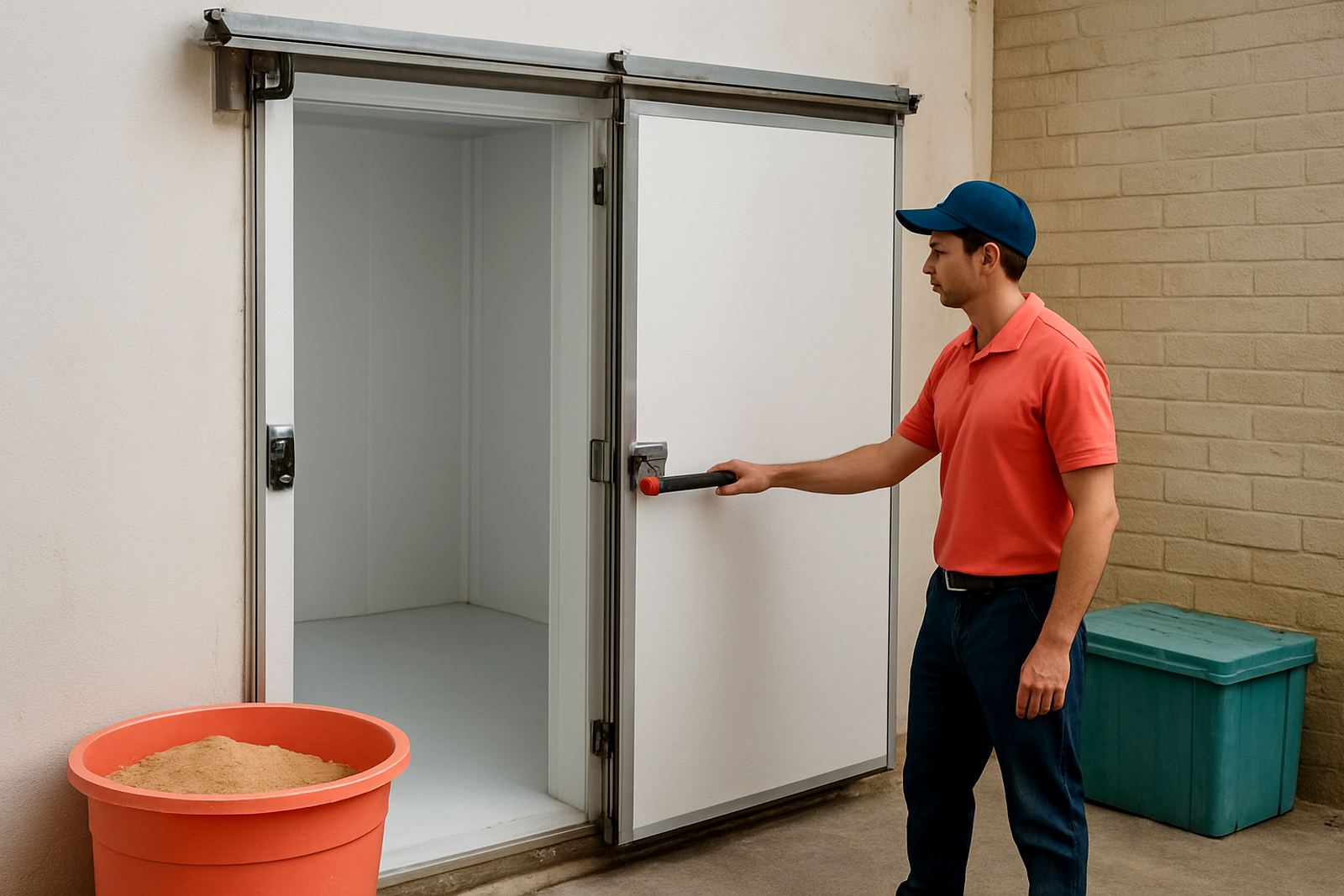
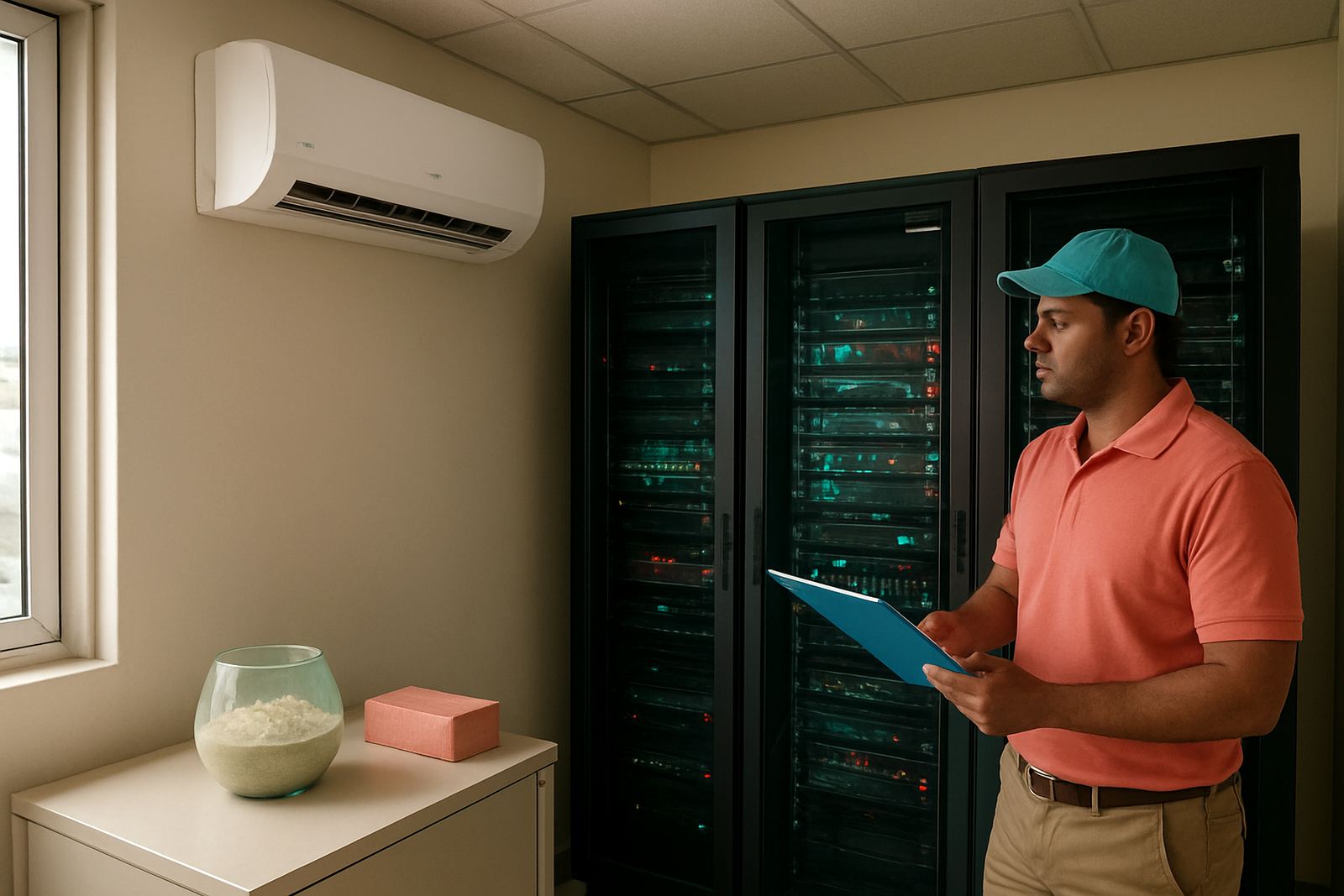
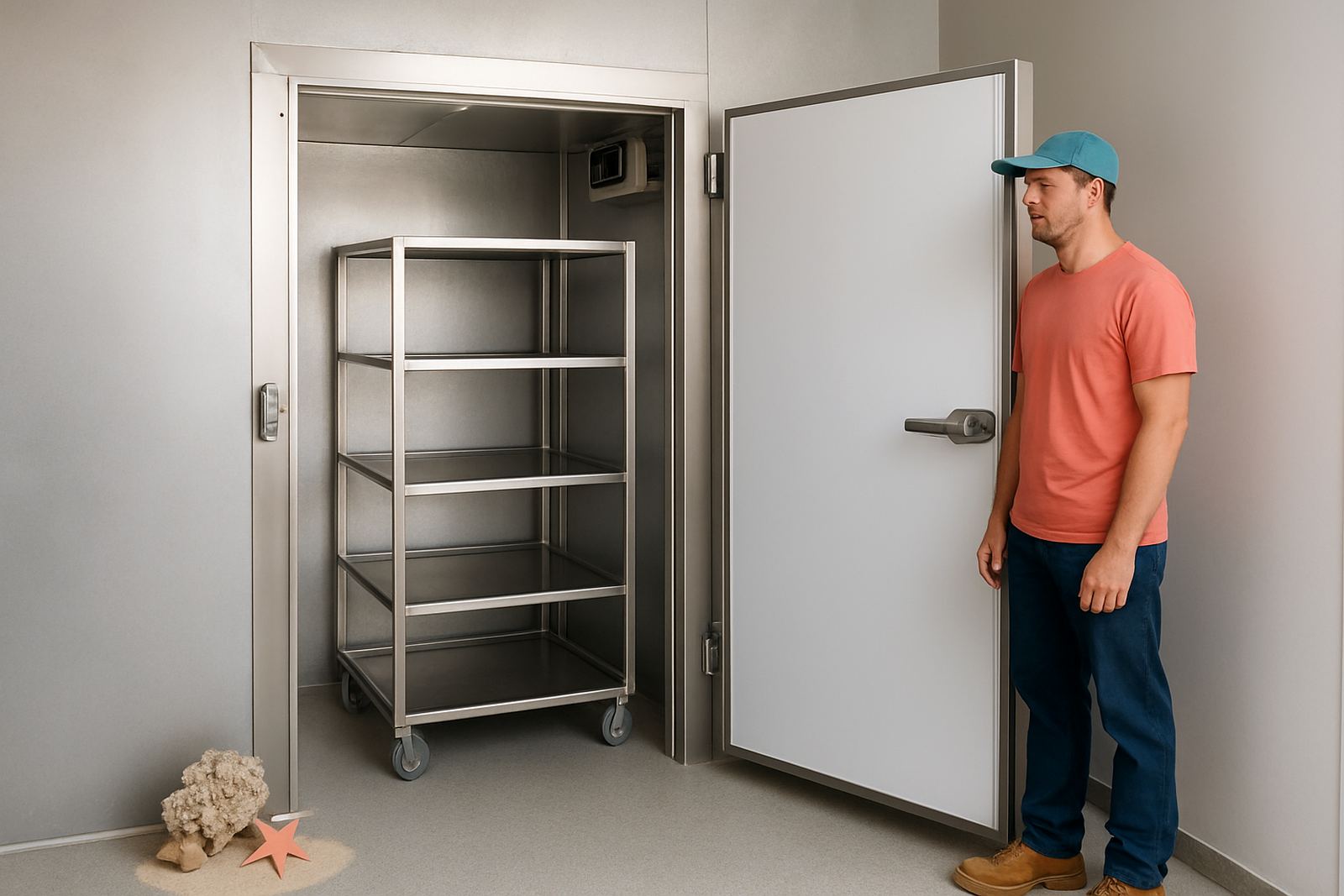
Monitoring alarms are useful anywhere product, temperature or uptime matters. They suit cold rooms in grocery stores, butcheries, seafood outlets and restaurants. They are also a practical fit for freezer rooms, milk storage, display chillers, server rooms, packhouses and air-conditioning plant rooms. If a site keeps perishables, medicines, flowers or any stock that cannot sit warm for long, an alarm system makes sense.
Coastal sites need a bit more care because salt air can shorten the life of contacts, sensors and enclosures if they are not selected properly. In Umhlanga, Ballito and the South Coast, we often recommend enclosed components and tidy mounting above floor level to reduce corrosion and moisture trouble. In older buildings, alarm wiring also has to be routed neatly so it does not get damaged during cleaning or maintenance. A small label on the panel can save a lot of confusion later, especialy when shift staff change over.
Installation, wiring and power needs
Most alarm systems need a stable power supply, clean wiring and proper sensor placement. We normally connect them to the refrigeration controller, room probe, door switch or fault contact points. Where remote alerts are required, the system may need a communications module and a SIM or network connection depending on the setup. The aim is to keep it straightforward for the end user and easy to service later.
For new installations, we can plan alarm points during the cold room or air-conditioning project so the wiring is hidden and protected. For existing sites, we can retrofit alarms onto many installed systems without major work. On load-shedding affected sites, we can include battery backup or alarm memory so the unit keeps monitoring long enough to capture the event and report it. That matters when the lights come back on and everyone assumes all is well, but the room has already climbed out of range.
- Supply voltage depends on the alarm model and control setup
- Battery backup can be added for short outage coverage
- Sensor leads should be kept away from damage and moisture
- Remote modules need a reliable communications path
- Alarm points should be tested after any major service work
Servicing, calibration and care
Alarm systems should be checked as part of planned maintenance, not only after something goes wrong. Sensors drift over time, terminals loosen and dust can build up inside enclosures. On refrigeration sites, we usually include alarm checks with cold room servicing, freezer servicing and temperature logging so the readings remain trustworthy.
We also test that the alarm actually reaches the right person. A buzzer that nobody hears at 2 am is not much use. Remote alerts should be confirmed, and backup contacts updated if managers change. In plant rooms, we check the panel display, warning lights and any fault links from compressors, fans or controllers. If the alarm has a battery, that needs inspection and replacement at the proper interval. A quick check now is cheaper than losing product later and having to explain why the alarm never sounded.
What to confirm before you order
Before we supply a monitoring alarm, it helps to know exactly what needs watching and who must be alerted. Some clients want a simple room temperature alarm only. Others need a full fault-monitoring package across several rooms and plant items. The more accurate the information, the better the setup and the fewer nuisance alerts you will get.
- Room type and size, for example cold room, freezer room or chill display
- Target temperature range and alarm limits
- How many points need monitoring
- Whether you need local sound only or remote alerts too
- Power supply available at the panel position
- Who must receive alerts after hours and over weekends
It also helps to know whether the site has existing controllers, door alarms or fault contacts we can tie into. If you are on the coast or have older equipment, tell us that up front so we can allow for moisture, corrosion and access issues. That way the installation is set up for real site conditions, not just the drawing.
Local supply and support from Glen Anil
Coastal Cooling Systems is based in Glen Anil, Durban and supports customers across Durban North, Umhlanga, Pinetown, Ballito and the South Coast. We work on commercial refrigeration and air-conditioning every day, so we know how monitoring alarms fit into the bigger picture of maintenance, breakdown response and compliance. If an alarm is part of a new cold room, we can include it in the project. If you want to add one to an existing site, we can inspect the setup and advise on the best route.
Good monitoring gives you time to act. It does not replace maintenance, but it gives you an early warning when a room starts to move out of range or a fault is brewing in the background. For sites that cannot afford stock loss, that warning is often the difference between a quick fix and a costly shut down.
Key facts
| Type | Local alarm, remote alarm or combined monitoring system |
|---|---|
| Monitored points | Temperature, power failure, door open, plant fault, leak and controller status |
| Typical applications | Cold rooms, freezer rooms, display chillers and commercial HVAC plants |
| Alert methods | Buzzer, beacon, panel display, SMS, email or app based alerting |
| Power | Mains supply with battery backup options where required |
| Service support | Alarm testing, sensor checks, recalibration and fault tracing during planned maintenance |