What freezer room panels do in a working freezer
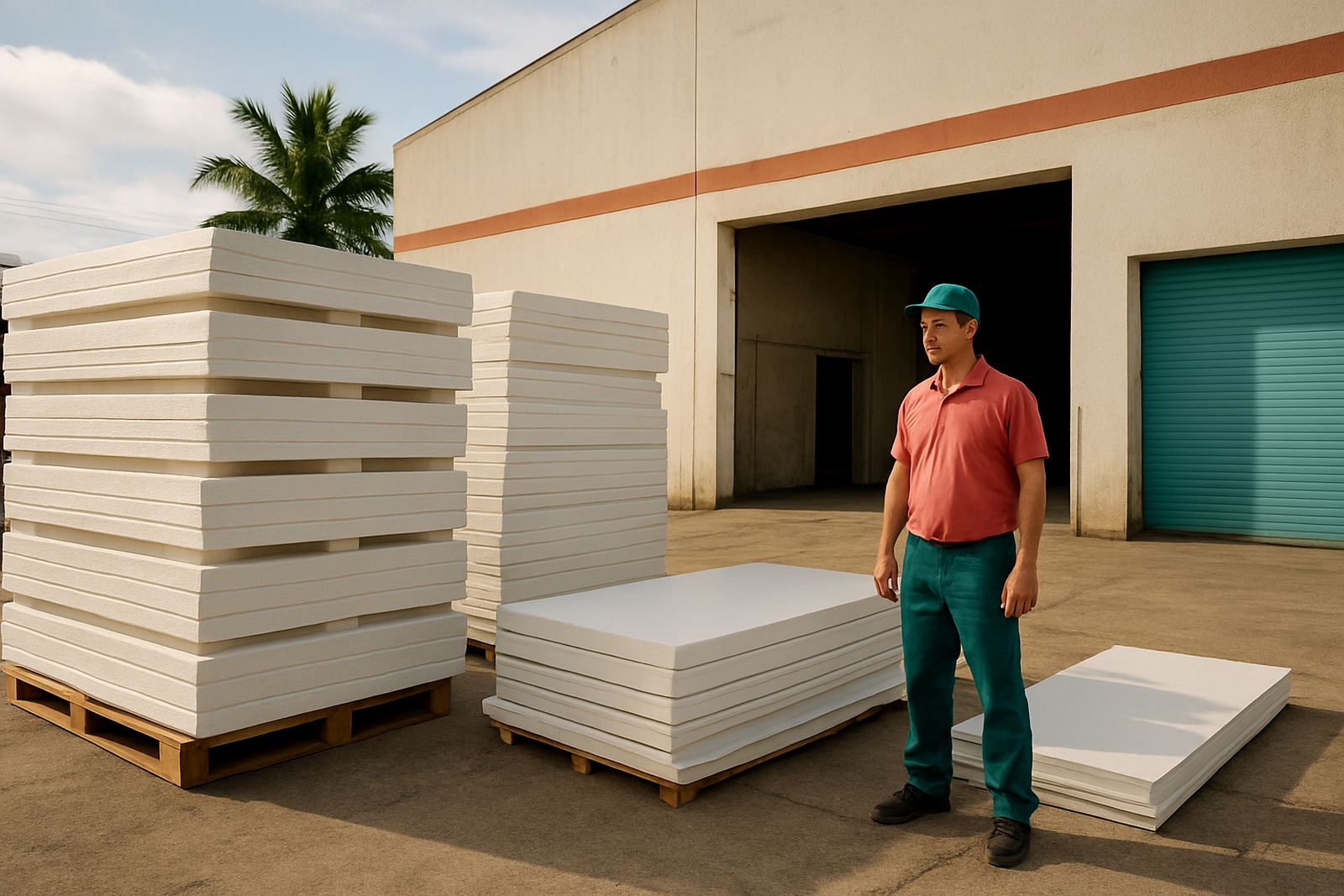
These panels form the outer shell of the freezer room and help hold a stable low temperature while reducing heat gain from the outside air. In a Durban store or food plant that means less strain on the refrigeration unit, fewer temperature swings and better control when doors open often during trading hours. The insulated core slows heat transfer, while the metal skins give a smooth surface that can be washed down and kept sanitary.
Freezer room panels are used for frozen meat, fish, vegetables, ice cream, dough, dairy and many other products that must stay frozen right through load-shedding, hot weather and busy receiving periods. On the coast, where humidity is high and salt air can work through weak finishes, panel quality and sealing matter just as much as cooling capacity.
Panel sizes, thicknesses and finish options
Panel systems are usually built in modular lengths so the room can be matched to the site and the stock holding needed. Common thicknesses for freezer rooms are 100 mm, 120 mm, 150 mm and 200 mm, with thicker panels used where the room sits in a hot loading bay or where the target temperature is very low. Widths are generally 1 000 mm or 1 200 mm, with cut panels made to suit corners, doors and plant recesses.
We supply wall, ceiling and floor components, plus vapour seals, corner flashings and door surrounds. Outer skins are normally pre-coated steel or similar hygienic sheeting, while the insulated core is selected for thermal performance. For floors, the build may include underfloor insulation and a vapour barrier to reduce frost heave and damp issues.
- Panel thickness matched to room temperature and ambient heat load
- Flat or cam-lock style joining systems, depending on the room layout
- Hygienic internal finish for easy wipe-down cleaning
- Optional insulated floor build-up for heavy trolley traffic
- Door openings sized for pallet access, trolleys or hand loading
Where freezer room panels suit best in KZN
These rooms suit butcheries, fish outlets, bakeries, bottle stores, food factories, wholesalers and storage yards that handle frozen stock every day. They also work well in hotels, hospitals and catering kitchens where stock must stay at a set temperature and be easy to rotate. In places like Glen Anil, Durban North, Umhlanga, Pinetown, Ballito and the South Coast, installation has to cope with warm ambient air, salt moisture and regular door openings.
For smaller operations, a compact room can sit behind the shop or in a back prep area. For larger sites, the panel build can form a walk-in freezer with direct access from a receiving bay. If the business operates during power cuts, the room should be planned with backup power in mind so the load on the refrigeration system stays predictable and the stock is not at risk.
Installation, refrigeration and electrical planning
A freezer room panel system only performs well if the install is done properly from the start. The base must be level, the joints sealed tightly and the vapour barrier kept continuous. Poor sealing causes icing in the joints, water ingress, and long term damage to the insulation. Doors must close properly and the floor detail should suit the traffic load, whether that is pallet jacks, hand trolleys or staff carrying cartons.
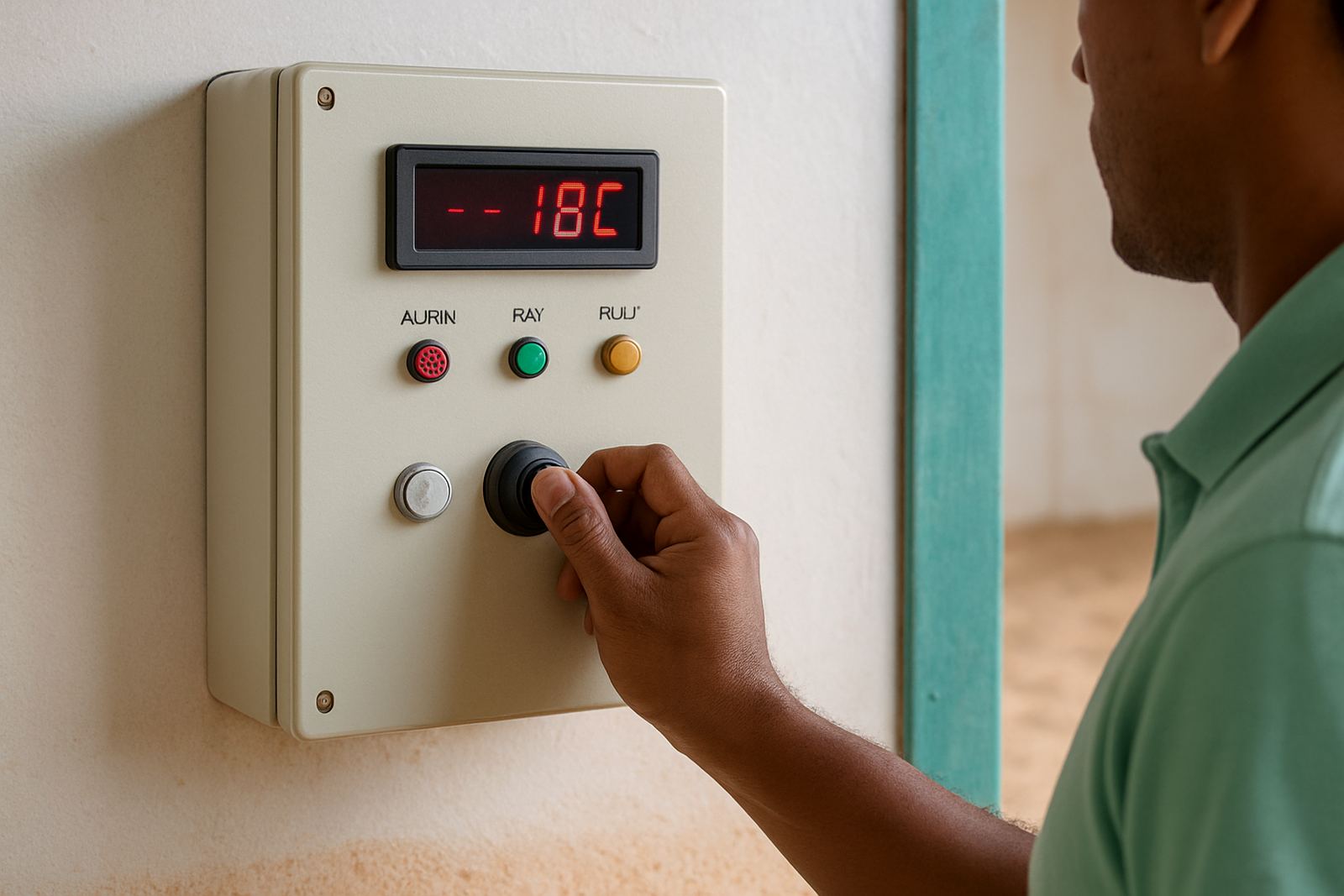
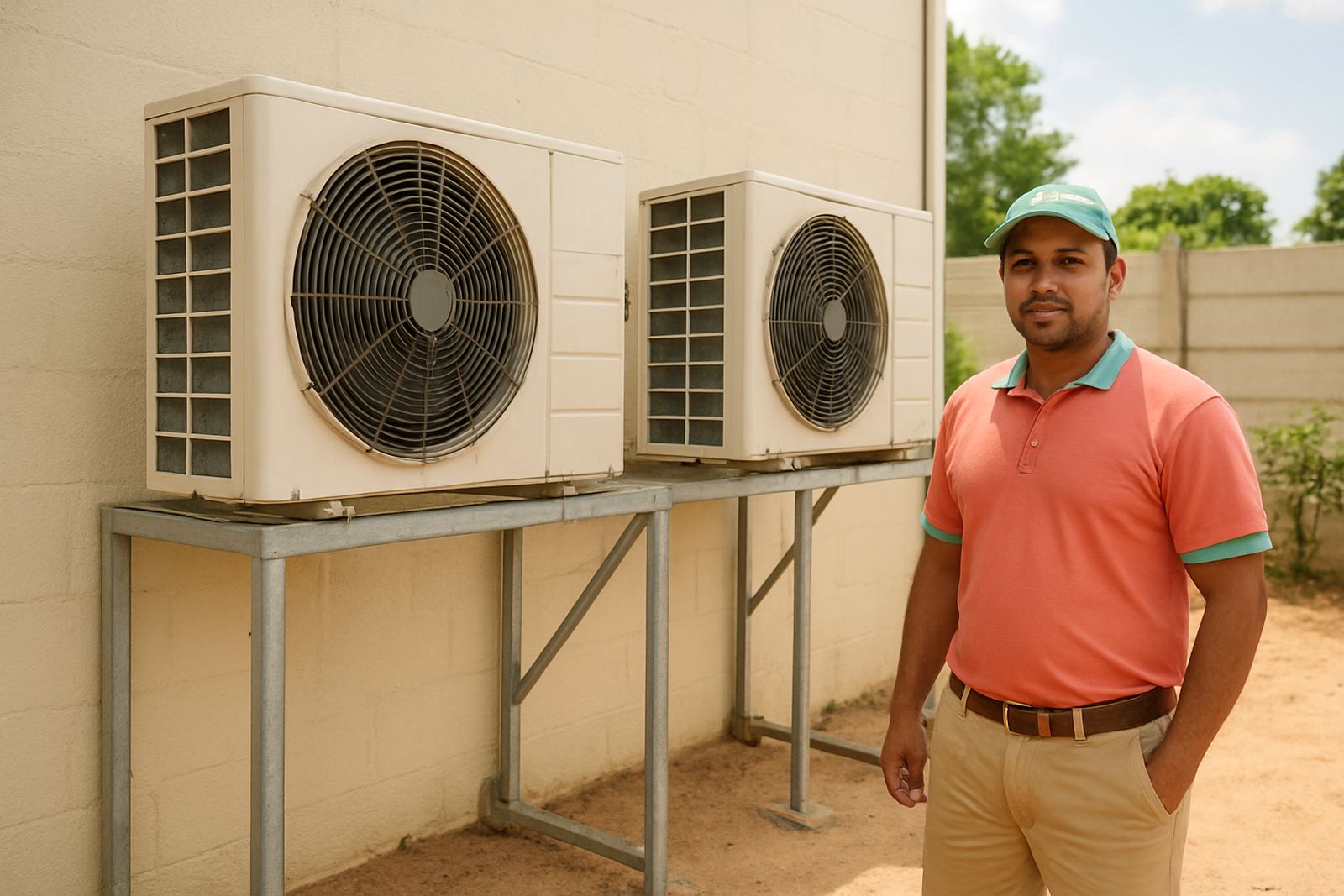
The room also needs the right refrigeration capacity and electrical supply. Compressor size, evaporator selection, defrost control and drainage all need to be matched to the room volume and the way the business works. On sites with unstable supply or load-shedding, we can plan around generator changeover, surge protection and restart delays so the plant does not trip unnecessarily. Where gas lines are involved, pipe routes must be short, well supported and protected from corrosion, especially near the coast.
- Check that the slab is flat and dry before panels go in
- Allow enough clear space around the evaporator for service access
- Plan cable routes, isolators and controls before wall closure
- Keep doors away from direct sun, ovens or hot prep areas where possible
- Provide drainage and defrost management to stop ice build-up
Care, servicing and what to check when ordering
Freezer room panels need simple but regular care. Keep seals clean, watch for damaged corners, and check that wall joints stay tight after heavy use. If the room sweats, builds ice at the door or shows damp patches on the ceiling, the problem may be insulation, sealing, airflow or a refrigeration fault rather than the panels alone. A planned service helps catch these issues early and keeps the room legal and usable for audits.
When ordering, it helps to have the room size, target temperature, stock type and daily loading pattern ready. You should also know whether the room will take pallets, whether the floor needs extra strength, and whether there is enough power for the refrigeration unit and controls. A small mistake in sizing can cost more later, so it is better to measure twice and check the access route before fabrication starts. Weve seen projects delayed because the door opening was too narrow for the trolley, or the electrical supply had to be upgraded at the last minute.
- Overall room size, clear height and door position
- Target temperature and product type
- Frequency of door opening and loading method
- Floor loading, drainage and cleaning needs
- Power supply details and backup arrangements
Why Durban businesses choose Coastal Cooling Systems
Coastal Cooling Systems has been working from Glen Anil, Durban since 1998, supporting commercial refrigeration and air-conditioning across the KZN coast. Our team includes refrigeration and air-conditioning specialists who handle planning, installation, maintenance and breakdown call-outs for busy sites that cannot afford long downtime. We understand coastal corrosion, municipal compliance expectations and the pressure of keeping stock safe through summer heat and load-shedding.
Whether you need a new freezer room panel build, an upgrade to an existing cold store, or a service contract to keep plant in order, we can help with a practical solution that fits the site and the way the business runs. From Durban North to Ballito and down to the South Coast, we work to keep frozen stock where it belongs, cold, stable and ready for dispatch.
Key facts
| Panel thickness | 100 mm to 200 mm, selected by temperature and room duty |
|---|---|
| Standard widths | 1 000 mm or 1 200 mm modules |
| Typical use temperature | Below 0 C, including deep-freeze storage |
| Core type | High-density insulated core for low heat transfer |
| Skin finish | Hygienic pre-coated metal finish, easy to wipe clean |
| Applications | Food storage, retail back rooms, factories, hospitality and cold distribution |