Why seafood handlers need tighter cold chain control
Fish and seafood spoil quickly if the chain is broken at any point. In Durban, where warm, humid conditions are normal for much of the year, even short delays at receiving or dispatch can raise product temperature and shorten shelf life. That affects smell, texture, yield and ultimately what you can sell.
For handlers working with whole fish, fillets, prawns, calamari and live or chilled product, the goal is simple: keep the product cold, keep it moving and keep records that show it was handled properly. That means enough chilled holding space, reliable freezing where needed, and an ice system that can cope with daily demand. It also means planning for load-shedding, door openings, staff traffic and municipal inspections. If any of those areas are weak, you will see it first in the product.
Typical equipment set for receiving, icing and dispatch
Most seafood sites do not need one machine only. They need a set of equipment that works together. A receiving bay may need a small chilled room close to the unloading point, while a processing area may need a colder working room and separate freezer storage for back-up stock. Display chillers are useful for retail-facing counters, but they must not be overloaded or packed too tightly.
For many seafood handlers, the right mix includes:
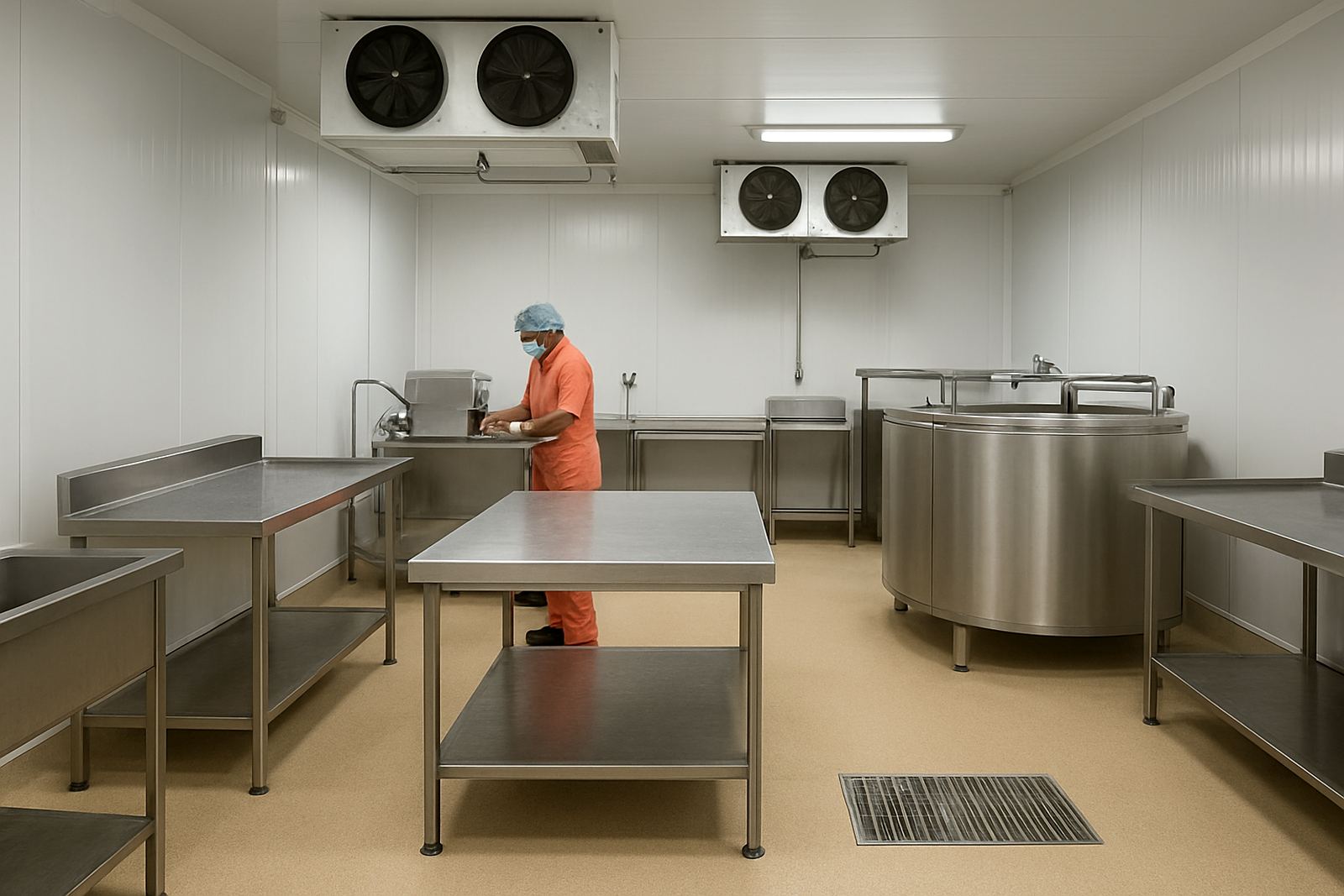
- Cold rooms for receiving and short-term holding
- Freezer rooms for frozen stock and overflow during peak trading
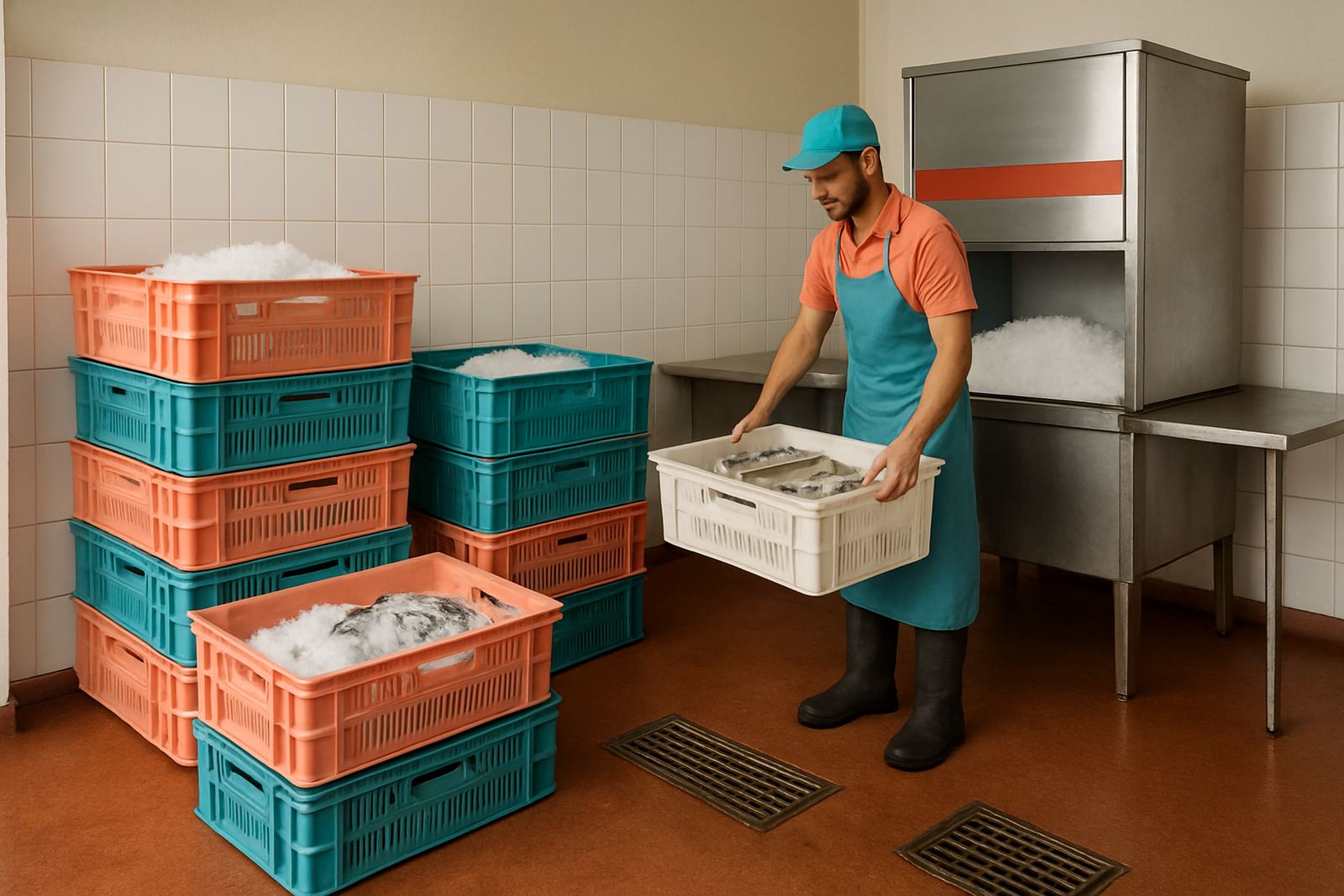
- Ice machines or ice storage support for packing and transport
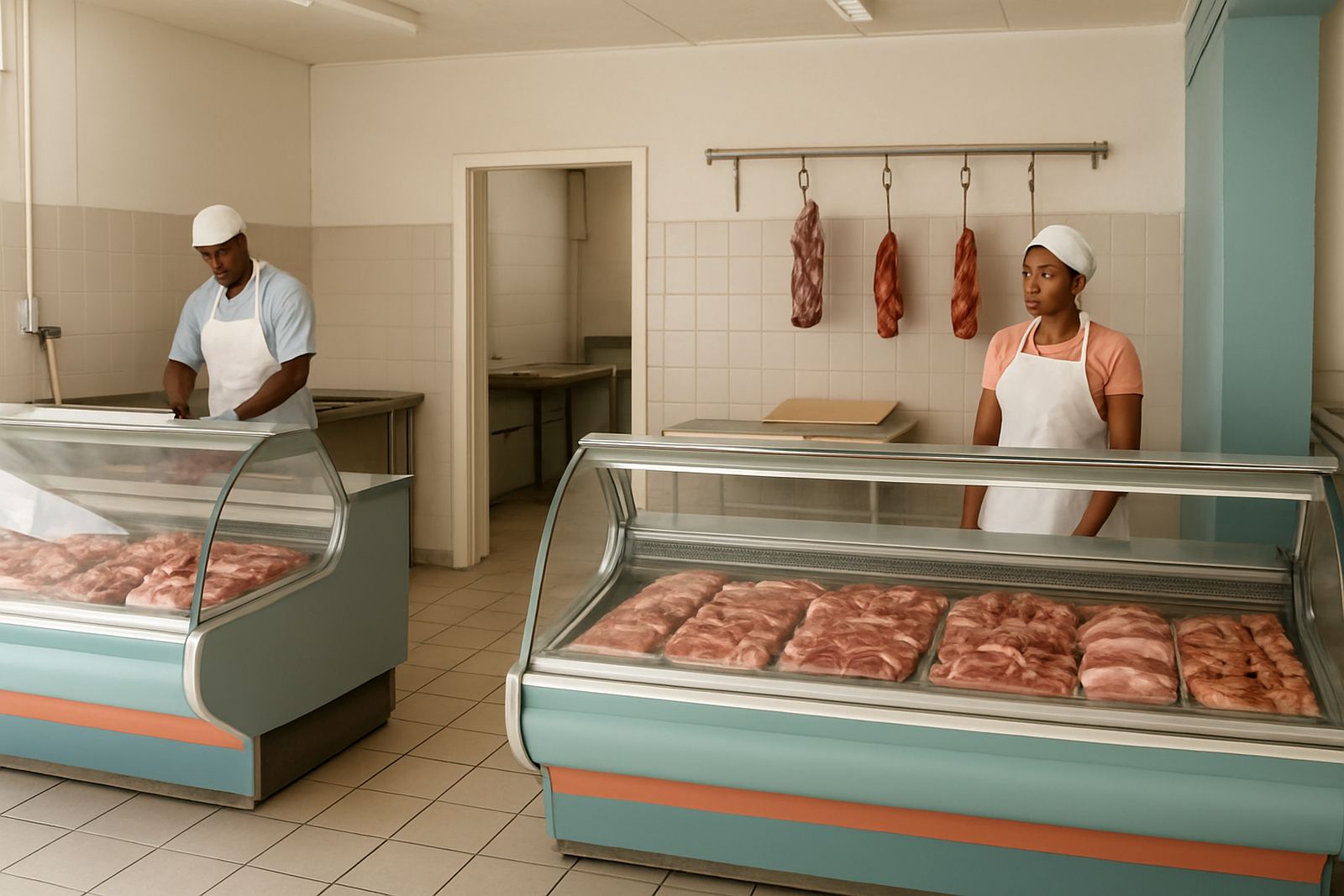
- Display chillers for front-of-house sales
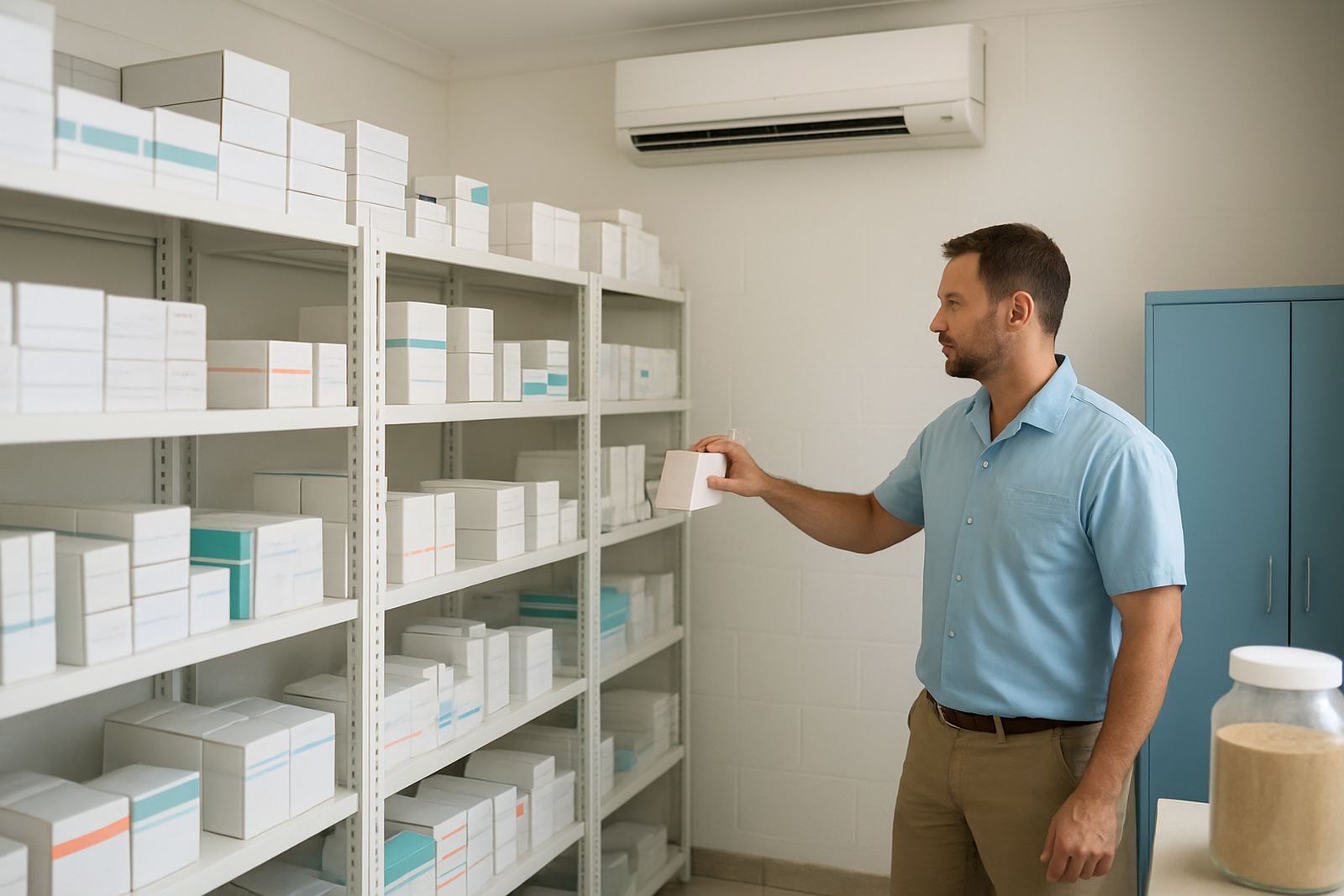
- Split or packaged air-conditioning for offices, prep areas and staff rooms
- Temperature logging and alarm checks for higher risk stock
We also look at doors, strip curtains, drainage and floor finishes because seafood sites deal with wash-downs, melt water and constant movement. If the room is not built for that, you end up with puddling, rust and temperature loss.
Layout planning that helps product move faster
A seafood site should be planned around movement, not just storage. The quickest route from truck to ice, and from cold room to loading point, matters more than people think. Long walks across hot paving or through open yards waste time and raise product temperature. In Glen Anil, Durban North, Umhlanga and the South Coast, many operations work in constrained spaces so planning has to be practical from the start.
Good layout advice usually covers four areas: receiving, staging, storage and dispatch. Receiving should be close to the road access and shaded where possible. Staging needs enough space for crates and sorting without blocking doors. Storage should separate chilled and frozen product clearly. Dispatch must allow fast loading, with doors that close properly and enough room for trolleys or pallets. On some sites, a small extra cold room is better than forcing everything into one overloaded room, especially where staff are opening doors all day.
- Keep receiving close to the coldest storage point
- Separate raw product from packed or graded stock
- Allow easy hose-down and drainage for wet areas
- Plan for generator or backup power where stock value is high
Common mistakes we see at seafood sites
A lot of seafood problems start with small decisions made early. A room can be too small for peak landings, or a chiller can be installed without enough air flow around the condenser. In coastal towns, salt air can also shorten the life of outdoor components if they are not serviced properly. We see this from Ballito through Pinetown and down the South Coast.
Common mistakes include overpacking rooms, leaving doors open too long, mixing warm deliveries with chilled stock, and skipping defrost or cleaning routines. Another one is poor temperature logging. If your records are patchy, you may not spot a problem until stock has already been lost. Electrical faults also cause trouble, especially where old wiring, moisture and compressor starts happen together. A unit may still run, but not properly, and that is where food loss begins.
For seafood handlers, regular planned maintenance is usually cheaper than waiting for a breakdown. It reduces emergency call-outs, protects product and helps you pass checks with less stress.
Budget ranges for cold rooms, freezer rooms and servicing
Budget depends on room size, insulation thickness, compressor capacity, door type, controls and whether the site already has the right electrical supply. As a working guide, a small chilled room for seafood holding can start in the tens of thousands of Rand, while a larger freezer room or a site with multiple rooms, drainage and controls can move well into the hundreds of thousands. Display chillers and ice support equipment add to that.
For many clients, the bigger question is not the first cost but the running cost. A well-sized system that is maintained properly will use less power, recover faster after door openings and handle Durban humidity better. Service contracts can also be budgeted monthly or quarterly, which makes it easier to plan around peak trading periods and public holidays. If load-shedding is a risk on your site, we can also advise on what needs to be protected first so your cold chain holds longer during outages.
- Small service call-outs and fault finding are often the lowest cost entry point
- Planned maintenance suits sites with regular receiving and high door use
- Replacement of major components should be weighed against room age and stock value
How Coastal Cooling Systems supports seafood operations
We work from Glen Anil in Durban and support seafood handlers across Durban North, Umhlanga, Pinetown, Ballito and the South Coast. Our team handles planned maintenance, breakdown call-outs, cold room servicing, freezer servicing, display chiller servicing, aircon maintenance, leak detection, electrical fault finding, temperature logging and compliance checks. For seafood clients, that means one contractor can help with both the cold chain and the rooms staff work in.
Sibusiso Mthembu leads the business with Priscilla Naidoo coordinating operations, while our refrigeration and air-conditioning team manages site visits, repairs and contract schedules. If you need a new room, an upgrade or a service plan for an existing site, we look at the way you receive, ice, store and dispatch product then recommend the setup that fits your daily volumes. The aim is not to overspend. It is to keep seafood in spec, reduce spoilage and make sure the plant holds up through summer heat, humidity and power interruptions.