What a butchery needs to keep meat safe and presentable
For butcheries in Durban, the main job is holding the cold chain from receiving to sale. That means chilled display cabinets for front of house, cold rooms for carcass and stock storage, and cooler prep areas where staff can work without product warming up on the bench. Coastal humidity, door opening all day and frequent power cuts put extra pressure on the system, so the equipment has to be sized and planned for real trading conditions.
Most owners contact us when they are losing temperature during peak hours, finding condensation on glass or noticing that product at the end of the day is not holding as well as it should. In Glen Anil, Umhlanga, Durban North and along the South Coast, we see the same pattern: systems were installed for normal office type use, not for a busy retail meat shop with constant traffic and washing down. That is where proper layout and service planning make the difference.
Typical equipment set for a butcher shop
A working butchery setup usually includes a mix of cooling and support equipment rather than one big unit. The exact mix depends on floor space, expected turnover and whether you cut on site or only display and sell. We look at how stock moves from delivery to cutting, packing and display, then match the equipment to that flow.
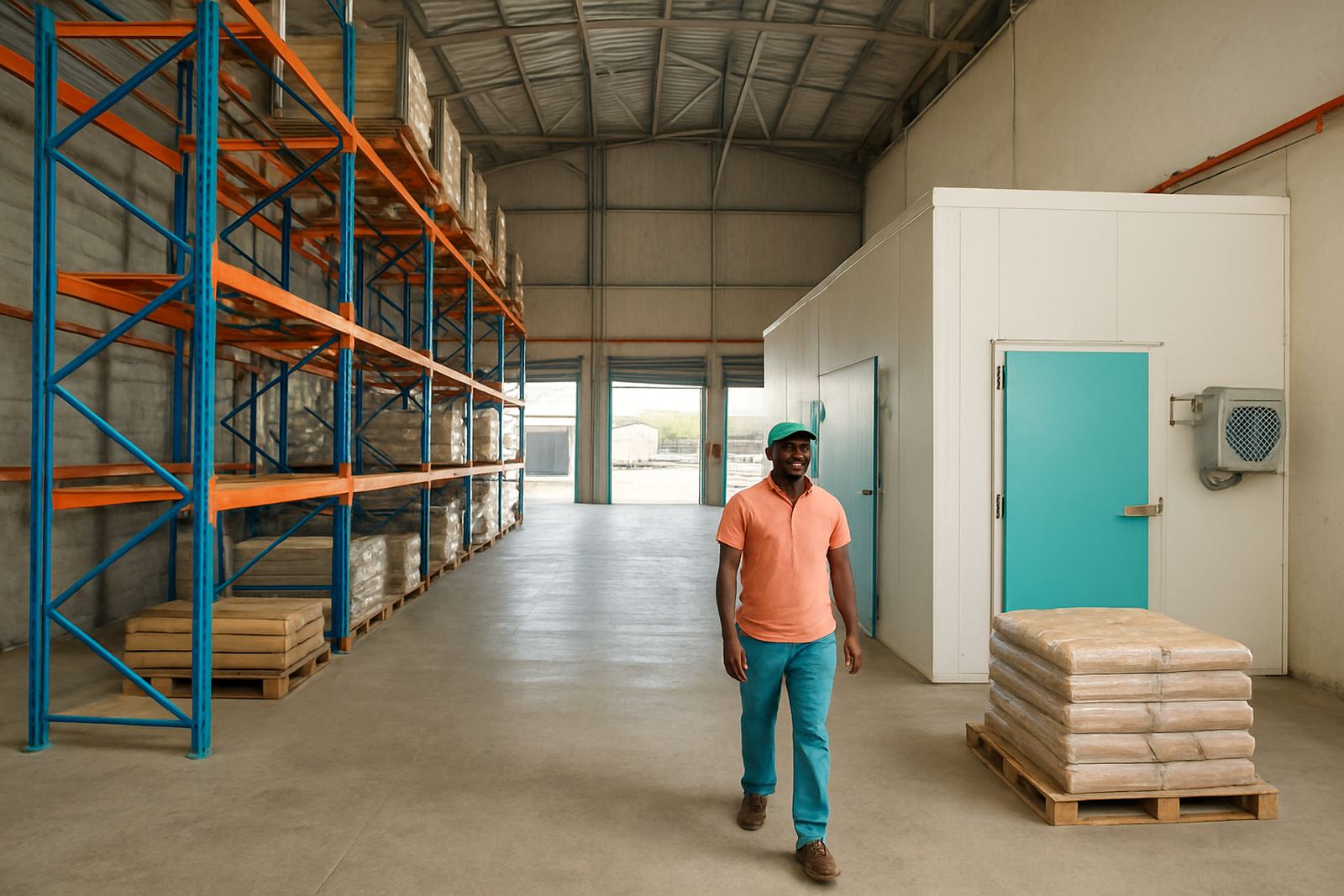
- Cold room for bulk meat, receiving and overnight storage
- Freezer room or upright freezing space for long-term stock
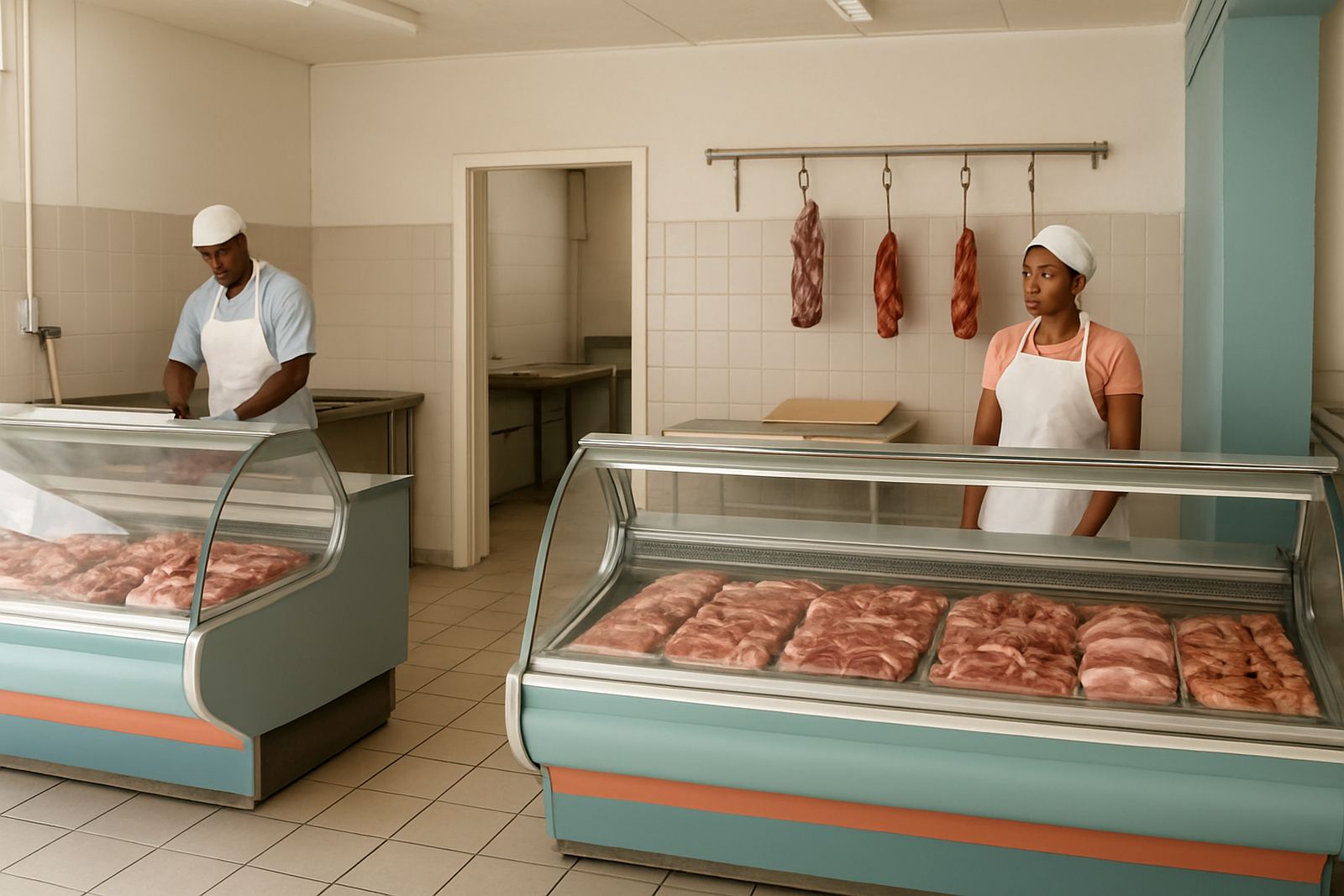
- Chilled display cabinet for fresh cuts, mince and value packs
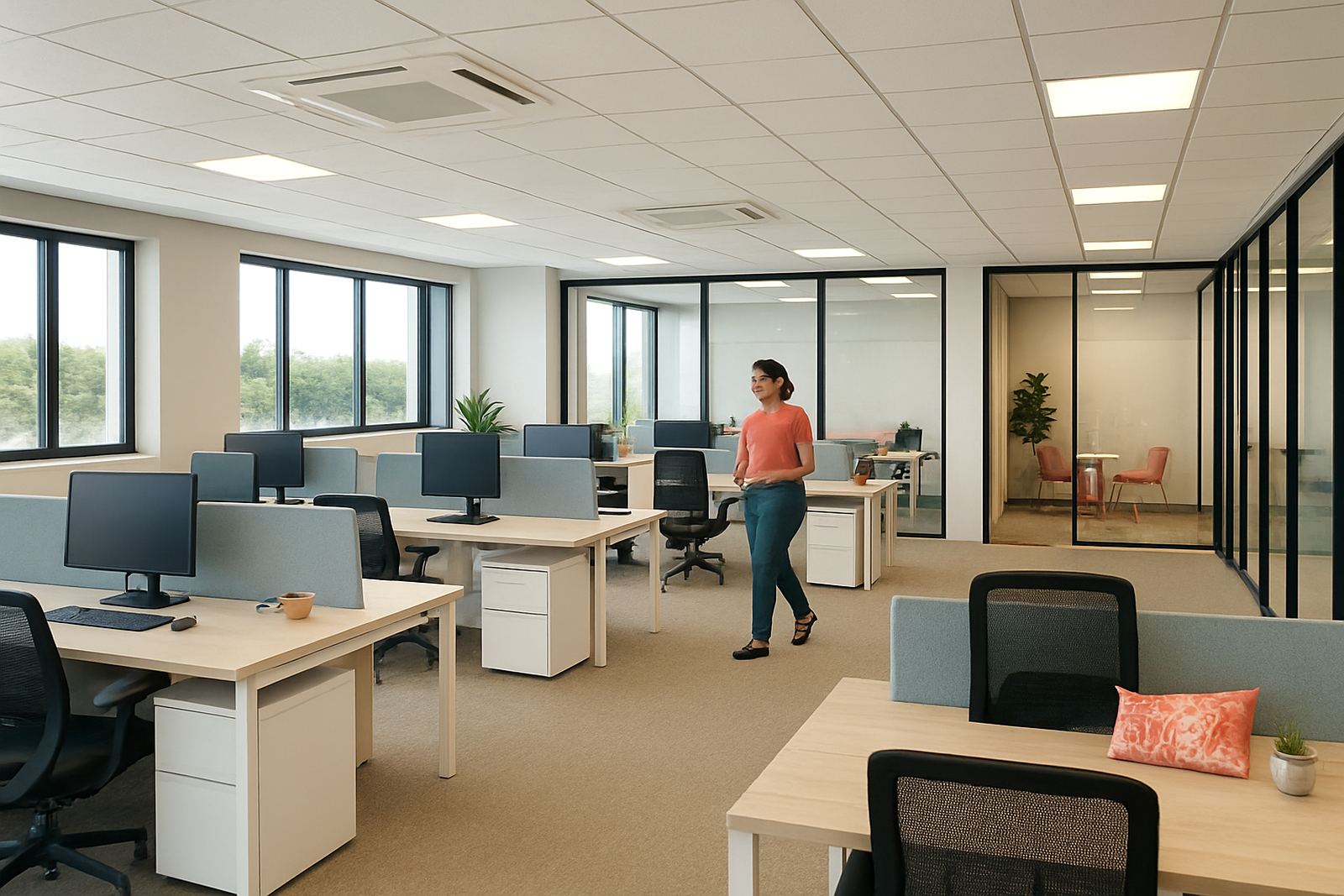
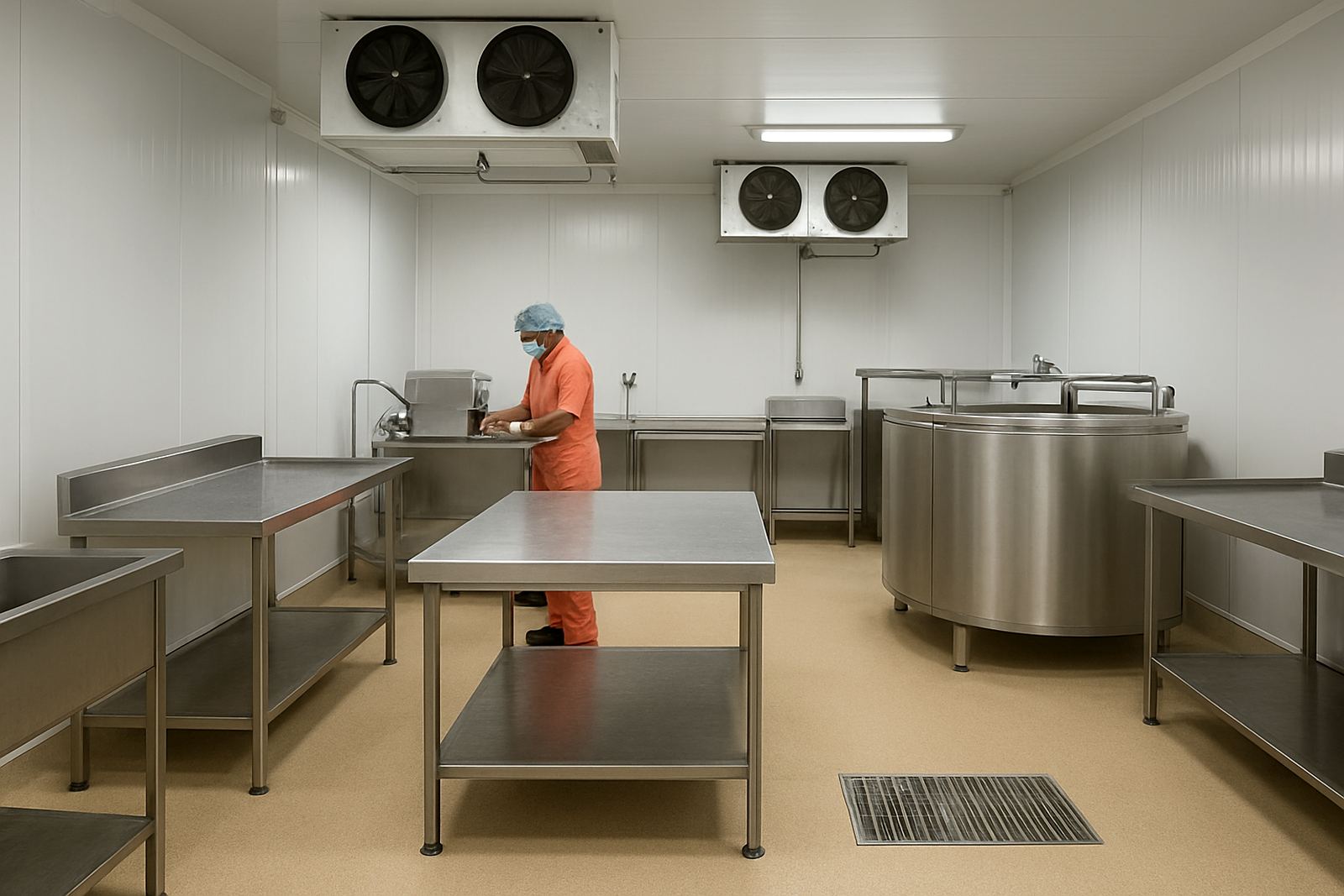
- Prep area air-conditioning or spot cooling for staff comfort and product control
- Door curtains, strip curtains or fast closing doors to limit warm air ingress
- Temperature logging for compliance and daily checks
If the shop also handles vacuum packed product, offcuts or marinated meat, the cold room and prep area need separate thinking. You do not want a good display cabinet carrying the load for back-of-house stock as well. That usually ends in short cycling, icing and higher electricity bills.
Layout and planning that makes daily work easier
The best layouts keep the shortest possible path between receiving, cutting, storage and display. A cold room placed too far from the prep area slows staff down and leaves doors open longer than needed. A display cabinet placed in direct sun or near the shop entrance can struggle all afternoon, even if the unit itself is fine.
On coastal sites we also plan for air movement and cleaning. Condenser units need free airflow and should not sit where salt air, dust from parking areas or splashing water can build up. Drainage matters too. If the floor slope is poor, water from wash down can move into electrical spaces and that becomes a fault finding job before long. Small planning details save money every month, and they reduce the nuisance breakdowns that happen just before a busy weekend.
- Keep receiving close to the cold room door
- Do not place display fridges under direct sun or strong warm lights
- Leave space for technician access around compressors and electrical panels
- Separate wet wash down areas from exposed control gear
- Allow for future expansion if you add a second display run or more storage
Common mistakes that push temperatures up
One common mistake is oversizing the display area and undersizing the refrigeration behind it. Another is using a cold room that is too small for actual trade volume, so the door opens all day and stock is stacked too tightly. That blocks air circulation and creates hot spots in the room. A third issue is poor maintenance. Gaskets wear, fans clog up and thermostats drift out of range, then the owner only notices when spoilage starts.
Load-shedding is another headache. If your butchery has no proper restart procedure, temperatures can rise faster than expected and staff may not know what to check first. We help clients set up planned maintenance and practical call-out support so they know who to contact if a compressor trips or a display cabinet starts frosting unevenly. It sounds simple, but it saves a lot of stock over a year.
Another mistake we see is treating a commercial air-conditioning unit as if it can also solve refrigeration needs. It cannot. Air-conditioning is for comfort and prep area control, while the cold chain needs proper commercial refrigeration equipment with the right controls, fans and duty cycle.
Budget ranges for butcheries in Rand
Budgets depend on shop size, whether you are fitting out from scratch or replacing one section at a time, and how much structural work is needed. For a small butcher shop in Durban, a practical starter budget for a single cold room and a basic chilled display run can begin around R180 000 to R350 000. If you add a freezer room, upgraded prep area cooling and more detailed controls, the project often moves into the R350 000 to R750 000 range.
Larger retail butchers, multi-counter operations and sites with higher stock turnover can go beyond that once you include electrical work, insulation, doors, control panels and temperature logging. The important part is not only the purchase cost but the running cost. A poorly planned system can cost more every month in power, product loss and repairs than a better designed setup would have cost upfront. We usually walk the site and price the job according to use, not guesswork.
Service work that protects stock and keeps trading steady
Once a butchery is running, the real value comes from planned maintenance. That includes cold room servicing, freezer servicing, display chiller servicing, leak detection, electrical fault finding, compliance checks and temperature logging. We also handle breakdown call-outs when a unit stops cooling over a weekend or after a power event. On the KZN coast, a system can look fine one day and lose performance the next if salt build-up or a small refrigerant leak is left too long.
For shops in Glen Anil, Durban North, Umhlanga, Pinetown, Ballito and the South Coast, we set up service contracts that fit the trading pattern of the business. Some clients need monthly checks, others only need tighter monitoring before holidays or busy trading periods. The aim is simple: keep product safe, keep the shop presentable and avoid emergency losses. A clean, inspected system is always cheaper than a rushed repair after stock is already at risk.