Cooling needs in a food factory start with the process
In a food factory, cooling is not only about comfort. It affects raw material intake, prep areas, packing rooms, staff rooms and finished goods storage. A temperature drift of even a few degrees can change shelf life, product texture and rejection rates, so the system has to suit the process and the way the building works through the day.
We often work with meat, dairy, seafood, bakery and chilled foods sites in Durban North, Glen Anil, Umhlanga, Pinetown, Ballito and the South Coast. The common thread is that production spaces are busy, wash-down is frequent, and there is little room for guesswork. Heat from machinery, opening doors, wet floors and poor airflow can all upset the room balance if the layout is not planned properly.
Typical equipment in hygiene-driven facilities
The right equipment set depends on the product flow and the storage temperatures needed. A small plant may only need a few cold rooms and an office split system, while a larger site may need multiple temperature zones, process cooling and standby support for critical rooms.
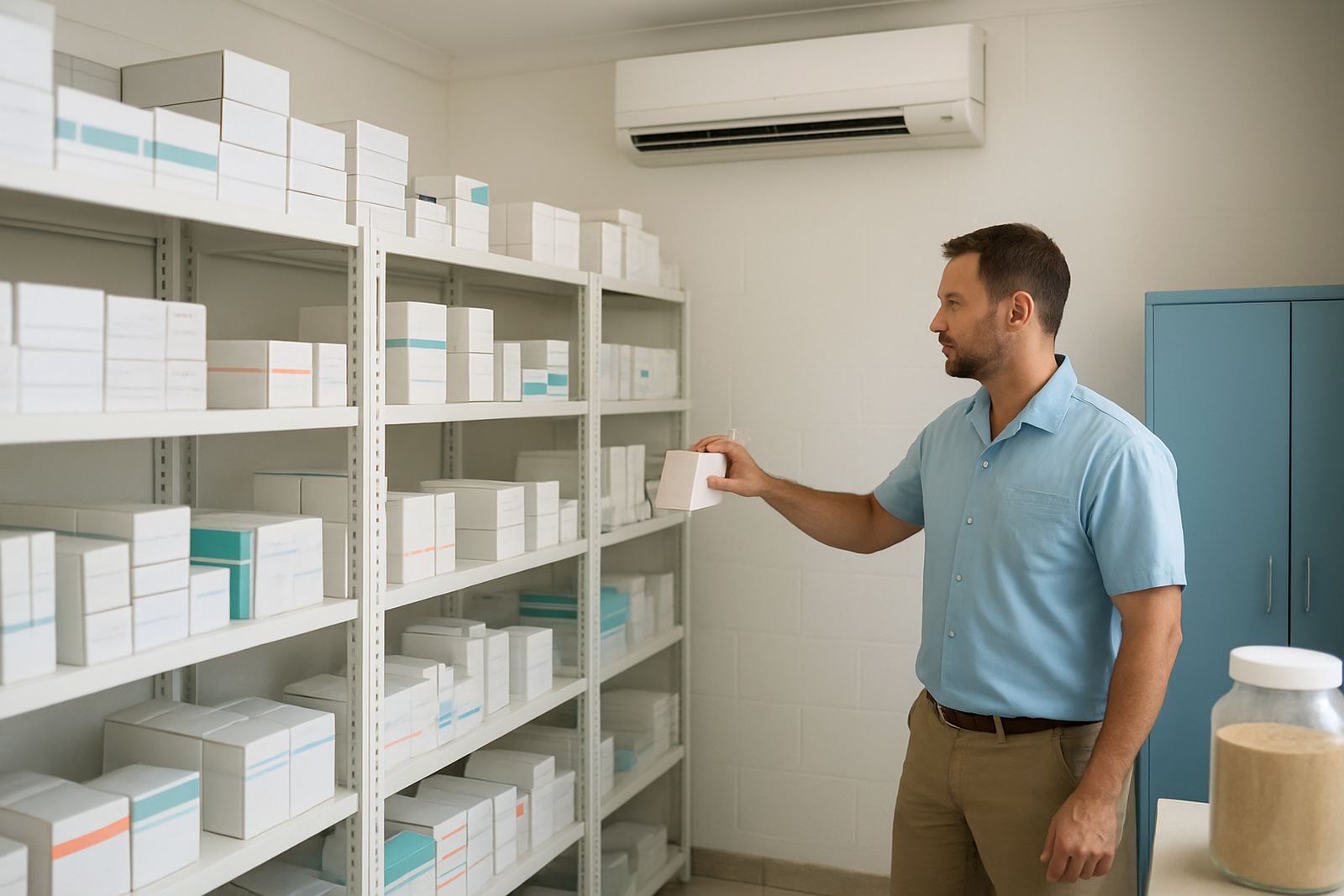
- Cold rooms for chilled stock, ingredients and dispatch staging
- Freezer rooms for frozen product and longer holding periods
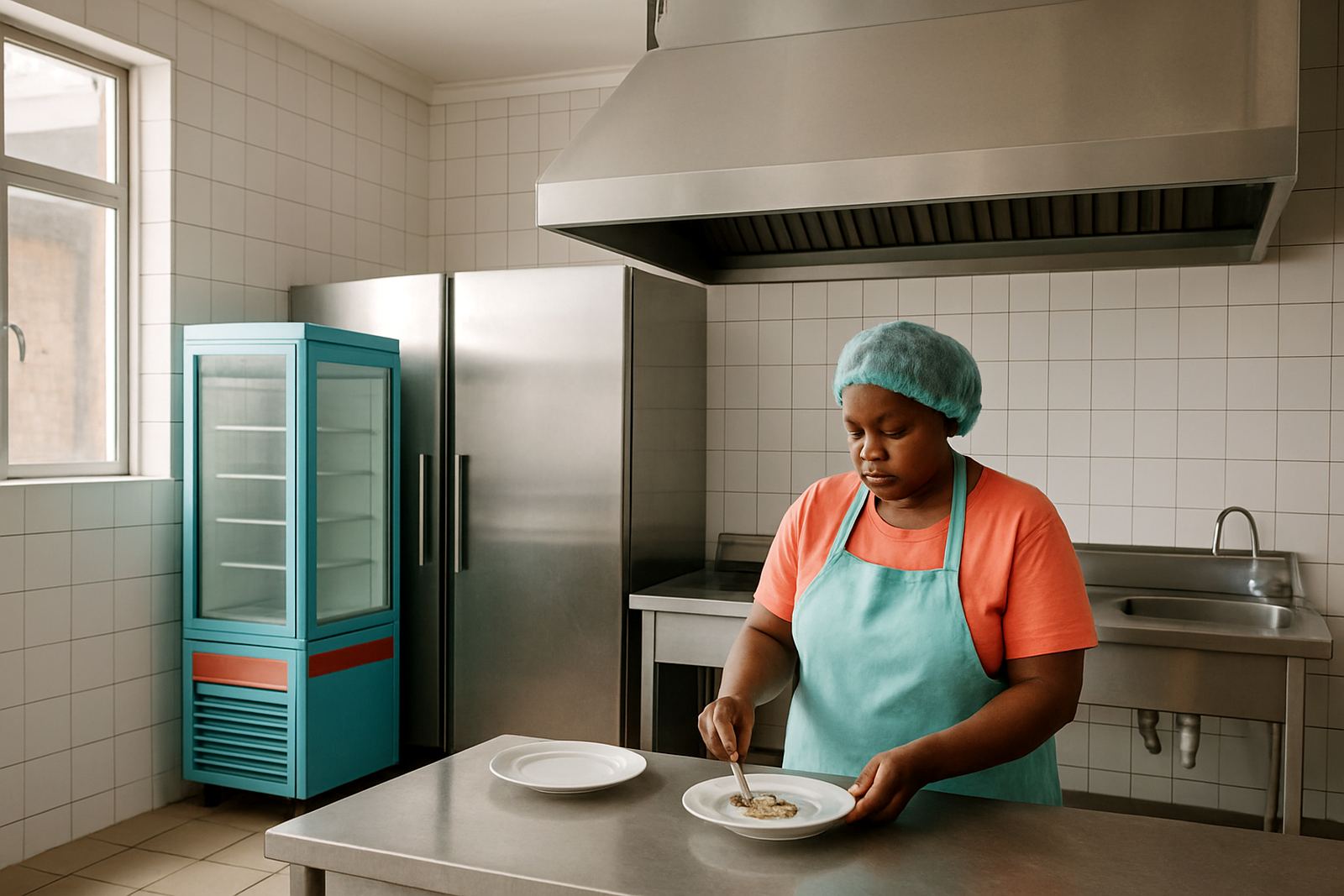
- Display chillers where retail-facing product is packed or held
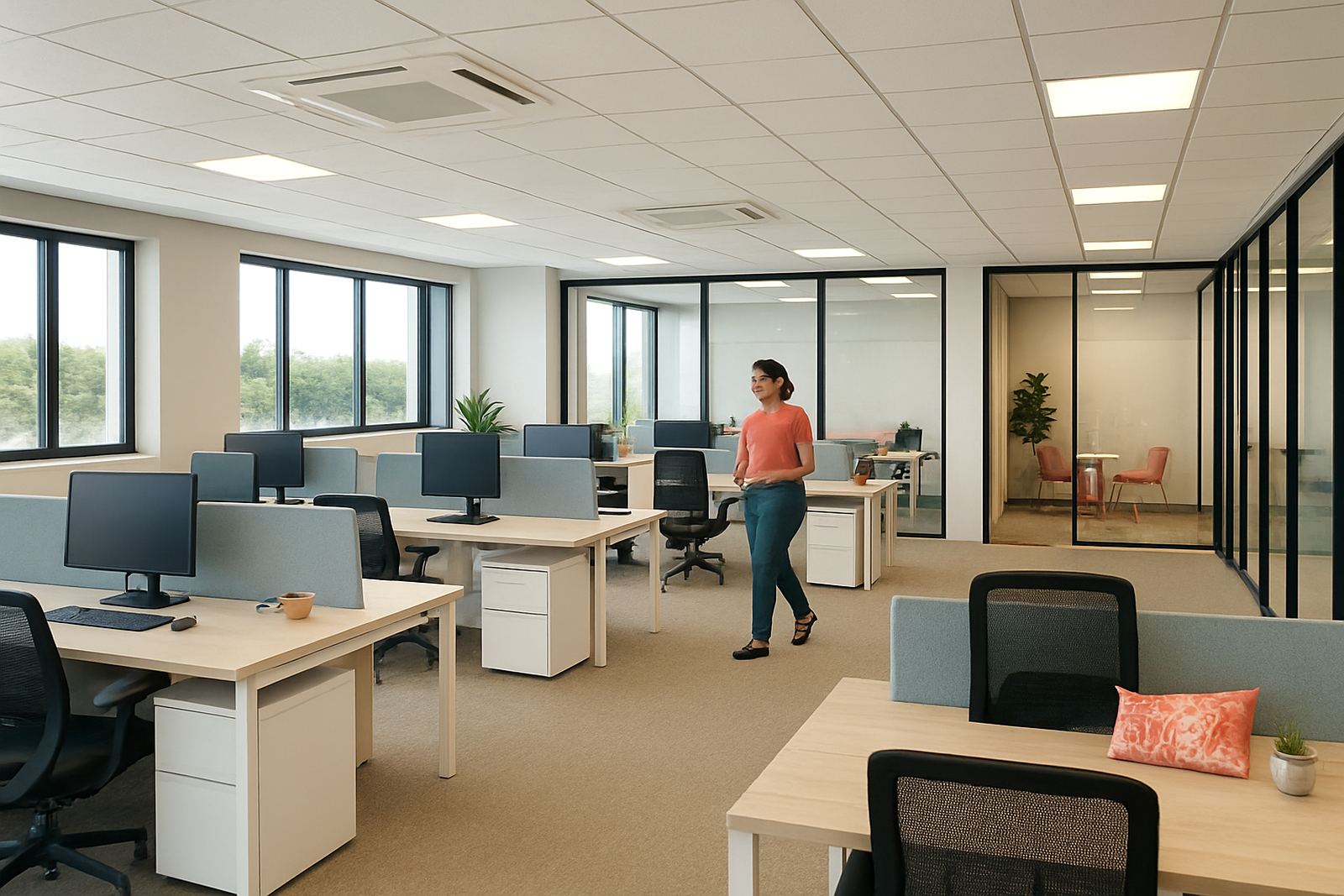
- Commercial and industrial air-conditioning for offices, QA rooms and control areas
- Air curtains, strip curtains and door management for high-traffic openings
- Temperature logging, probes and alarm checks for traceability
- Electrical fault finding and leak detection to keep downtime short
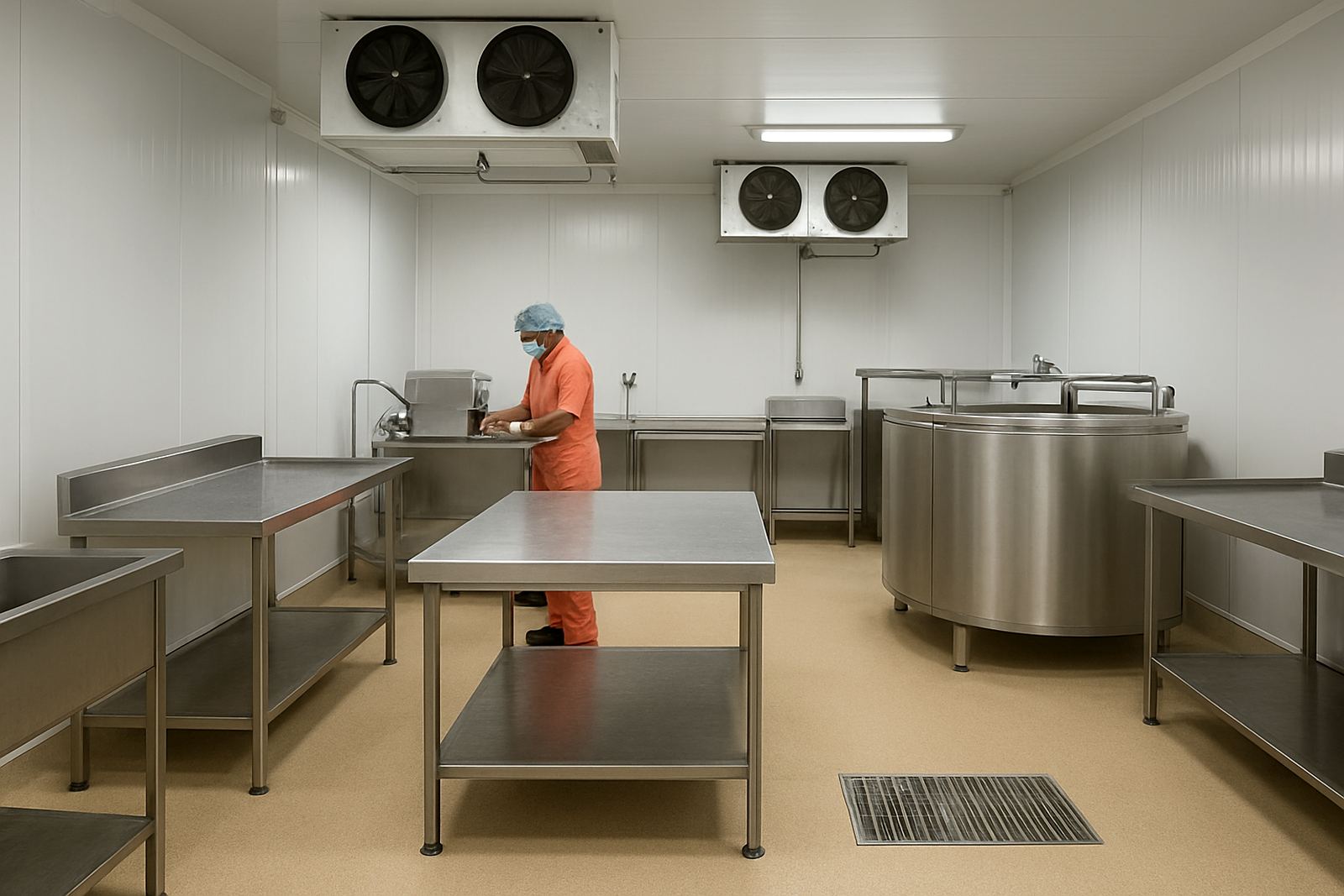
We also see sites that need separate cooling for packaging areas or small process rooms, especially where staff and equipment generate extra heat. In those cases the cooling load needs to be calculated with real operating hours, not just floor size.
Layout and planning advice for new or expanding plants
Good planning saves money later. A food factory should not be treated like a normal warehouse because traffic patterns, wash-down procedures and hygiene controls all affect the cooling system. Room position, door placement and pipe routes all matter. If a freezer room sits too far from dispatch, the cold chain gets stretched and product spends too long in warm air.
We usually advise clients to think about product flow from receiving to production to storage to loading bay. Keep chilled and frozen zones close to the work they support, and keep heat-producing areas away from cold spaces where possible. On coastal sites in Durban and Ballito, corrosion protection and service access should be considered early because salt air shortens the life of outdoor equipment and fixings.
- Leave enough space around condensers and outdoor units for airflow and maintenance
- Use doors and seals that can handle frequent opening and closing
- Plan drainage properly so wash-down water does not pool near plant
- Allow for future expansion if production lines or storage volumes increase
- Separate office comfort cooling from process and storage cooling
Common mistakes that lead to spoilage or downtime
One of the biggest mistakes is undersizing the system. A room may look fine on paper, then struggle once people, forklifts, lighting and production heat are added. Another issue is poor maintenance. Blocked coils, dirty filters and low gas levels can reduce performance slowly, then the room fails on a hot afternoon when the factory is busiest.
We also come across bad temperature control, loose wiring, and poor probe placement. If the sensor sits in the wrong spot, the system may cycle too early or too late and the room never settles properly. In some factories the mistake is not the equipment itself but the lack of routine checks. Planned maintenance, logging and quick fault response are often cheaper than one spoiled batch.
For factories on the KZN coast, humidity brings its own problems. Frost build-up, condensation and rust can shorten service life if the system is not cleaned and checked regularly. A little attention every month usually prevents bigger repair bills later.
Maintenance and breakdown support that fits production hours
Food plants cannot always stop during normal business hours, so service work has to fit around shifts, dispatch times and cleaning windows. Coastal Cooling Systems provides planned maintenance and breakdown call-outs for food factories that need steady support rather than once-off repairs. We can schedule servicing around production runs and critical stock movements.
Our service team handles cold room servicing, freezer servicing, display chiller servicing, aircon maintenance, leak detection, electrical fault finding, temperature logging and compliance checks. For sites that need it, we can set up a maintenance schedule that focuses on the rooms and units with the highest risk. That makes it easier to spot pressure loss, fan failure or temperature drift before it becomes a product issue.
We work from Glen Anil in Durban and support the wider coast, including Durban North, Umhlanga, Pinetown, Ballito and the South Coast. For many factories, the main need is a supplier who can arrive quickly, understand the plant and keep the paperwork in order.
Budget ranges for food factory cooling projects
Costs vary widely because room size, temperature target, access, insulation, pipe runs and electrical work all change the price. A small chilled room for a local producer might start from about R85 000 to R180 000 depending on size and duty. A freezer room or a multi-zone setup can move into the R180 000 to R450 000 range, while larger process cooling or several connected rooms can run well above that.
Service contracts are usually budgeted separately and depend on the number of units, visit frequency and how much temperature logging is required. Many clients prefer to spend on regular maintenance rather than face one large emergency repair and product loss. If the site has older equipment, we often recommend phasing the work so the most critical rooms are upgraded first.
When we quote, we look at the full picture: product sensitivity, working hours, humidity, cleanability and service access. That gives a more accurate number than guessing from floor area alone.
What a food factory client usually needs from day one
Most food factory clients want a system that is practical, not overcomplicated. They need stable temperatures, quick repair response, clear maintenance records and equipment that can cope with Durban heat and coast moisture. They also need a team that understands that a missed alarm or failed freezer fan can stop production, not just make the room uncomfortable.
Coastal Cooling Systems has been supporting commercial refrigeration and air-conditioning in Durban since 1998. If you are planning a new plant, expanding storage or trying to cut down on spoilage and call-outs, we can help with planning, installation support and ongoing servicing. Sibusiso Mthembu and the team work with factories that need straight answers and workable solutions.
For food manufacturing sites, the best cooling system is the one that holds temperature, fits the workflow and stays serviceable when the pressure is on.