What schools usually need from HVAC-R
A school is not one building with one problem. It is a kitchen working before first bell, a sick bay that must stay comfortable, a hostel with rooms occupied after hours, and an admin block that keeps going through load-shedding, term events and parent meetings. On the coast, humidity adds another layer because equipment works harder and poor drainage leads to water damage and odours.
For schools in Durban, Umhlanga, Ballito, Pinetown and along the South Coast, the usual set-up includes split air-conditioners in offices and sick bays, package or wall-mounted units in admin areas, cold rooms for food storage, freezer rooms for bulk frozen stock, and display chillers where tuck shop or boarding operations need product visibility. Some schools also need heat extraction from kitchens and laundry areas, plus simple temperature logging for food safety. Its not about fitting the biggest unit, it is about matching the load to the room and the school day.
Typical equipment we see on school sites
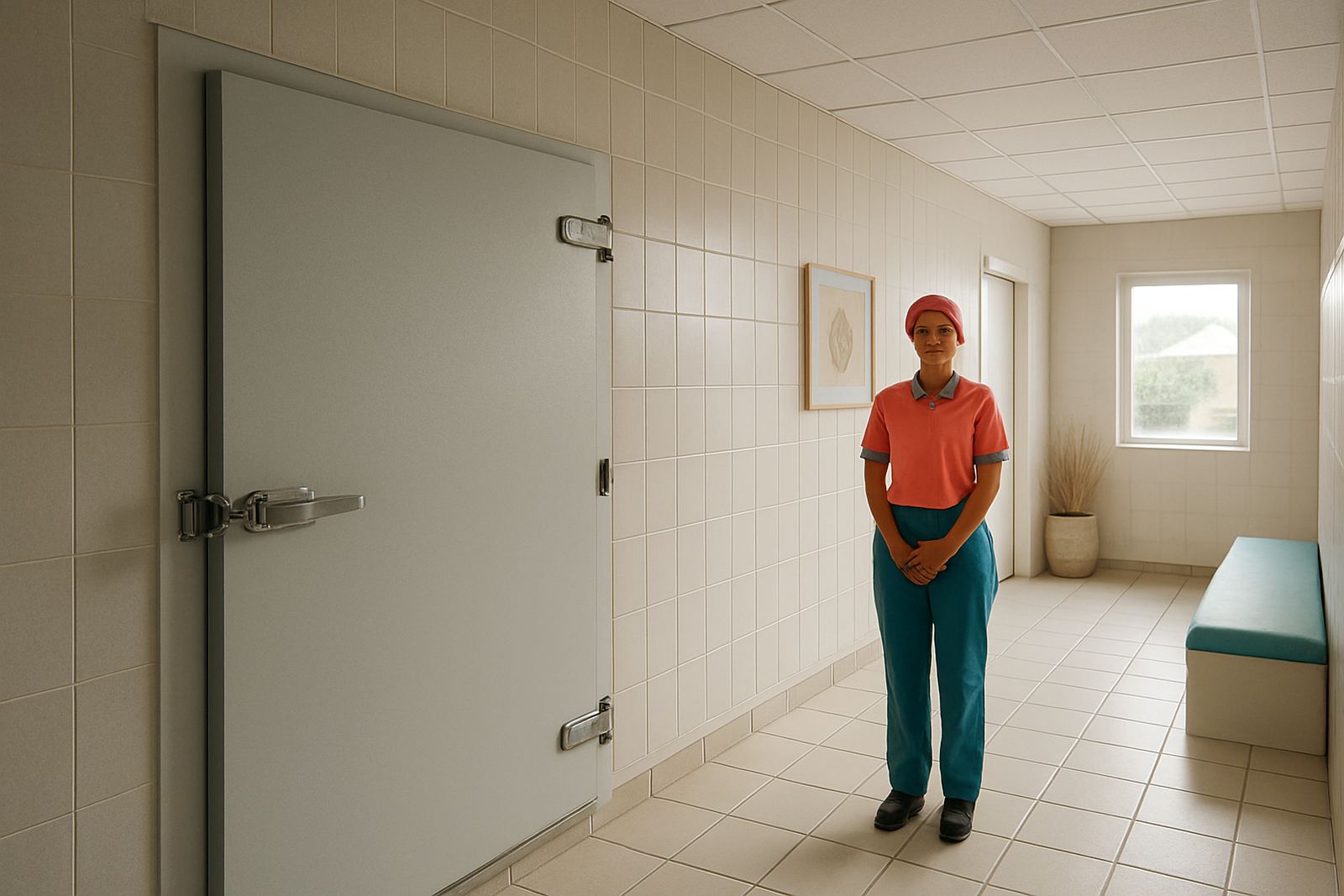
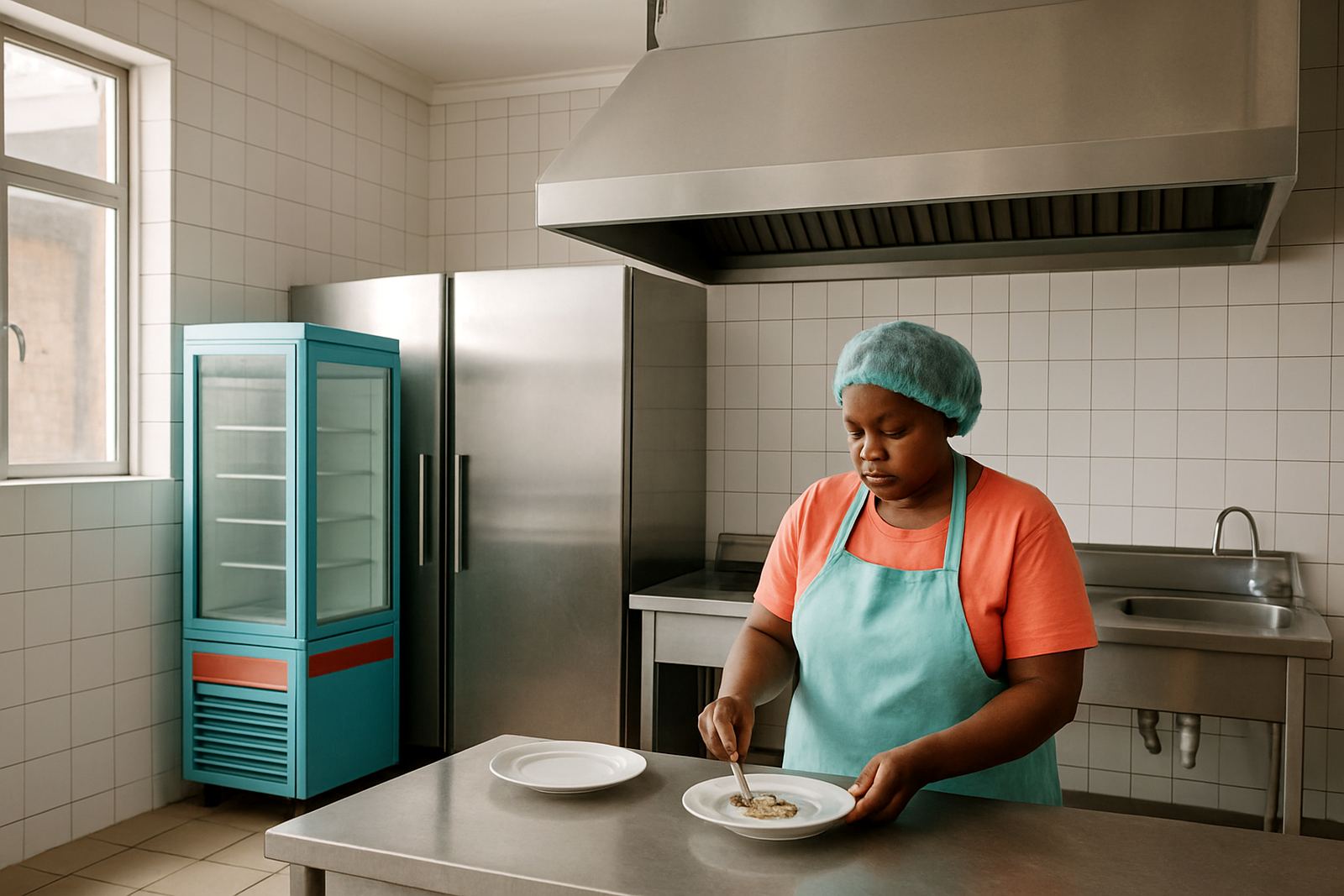
School sites vary a lot, but the equipment usually falls into a few clear groups. Kitchens often need cold rooms, upright fridges, freezer rooms and occasional display chillers for meal prep and snacks. Hostels may need several small air-conditioners instead of one large system so that faults do not take out the whole block. Administration areas usually need quiet, low-draught cooling, while sick bays benefit from stable temperatures and easy filter access.
- Cold rooms for fresh produce, dairy and meat storage
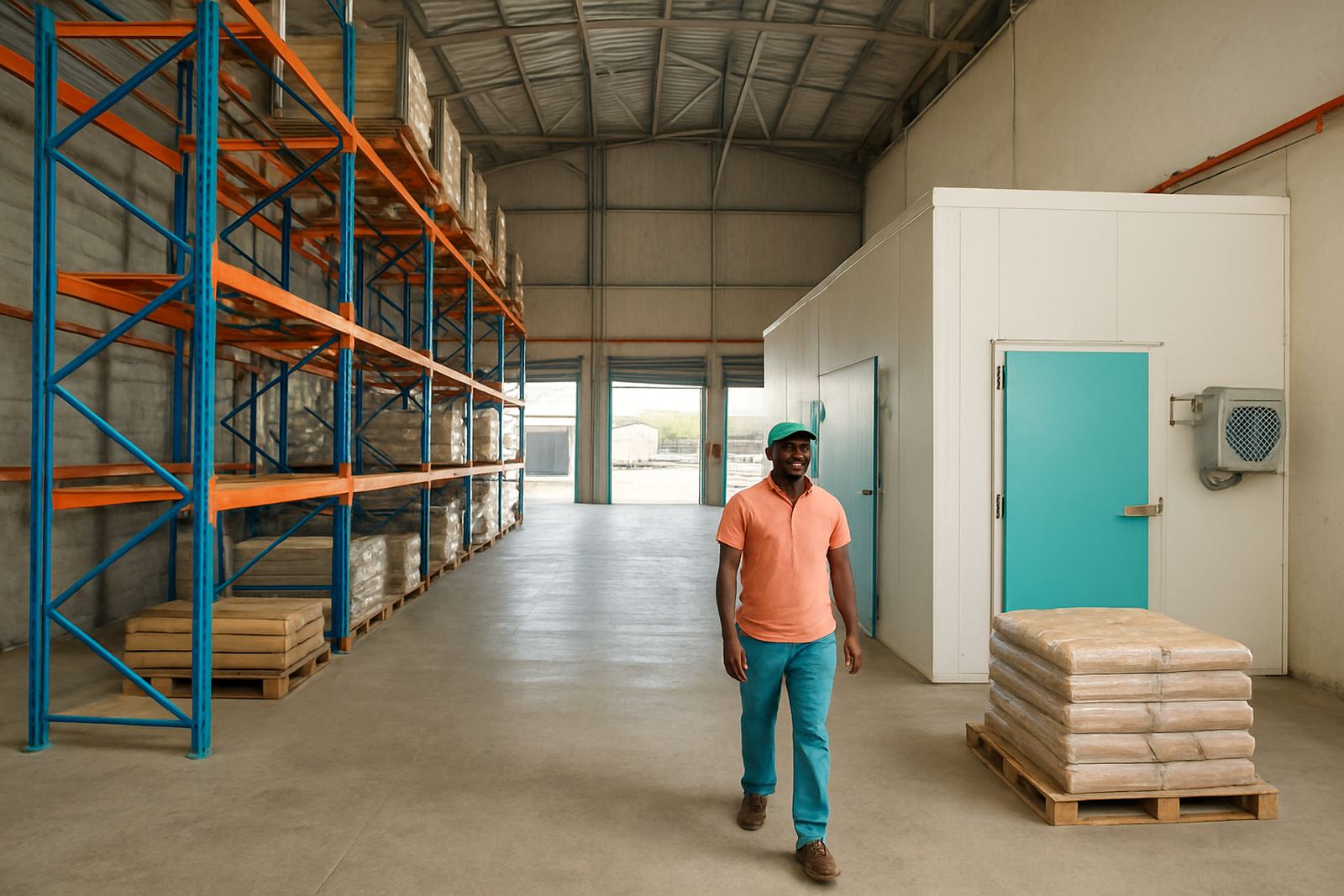
- Freezer rooms or low-temperature storage for bulk frozen food
- Display chillers for tuck shops, boarding houses and small canteens
- Wall-mounted and ceiling type air-conditioners for offices and sick bays
- Ventilation and extraction for kitchens and enclosed prep areas
- Temperature logging and compliance checks for stored food
We also look at the electrical side early. Schools often have older DB boards, limited spare capacity and generator or inverter arrangements that were added later. That affects compressor starting, control panels and how many units can run during outages.
Layout and planning advice for school projects
Good school planning starts with movement of people and stock. A cold room should be close to receiving and food prep areas, not across the yard from the kitchen. Freezer rooms need space for door swing, shelving and cleaning access. Air-cons in admin blocks should not blow directly onto staff at full speed, and they should be placed where service teams can reach filters and indoor units without moving files or furniture.
For hostels, the common mistake is putting in too few units and expecting one unit to cool a long passage or a row of rooms. It usually works better to zone the building so each section can be controlled separately. That keeps running costs in check and avoids one fault affecting the full block. Where schools are on municipal supply with water pressure issues, drainage from condensers and defrost water should also be planned carefully so it does not drip onto walkways or block drains.
We often recommend simple access rules at the design stage: keep plant off the ground where flooding is possible, leave clear space around outdoor units, and avoid placing condensers in enclosed courtyards with poor airflow. In coastal areas, salty air can shorten service life if outdoor units are packed too close to walls or sea-facing screens.
Maintenance planning for term time and holidays
Schools do best with planned maintenance instead of waiting for a breakdown in the middle of term. Service work can be grouped around holidays, weekends and low-activity periods so disruption is reduced. A sensible plan usually includes filter cleaning, coil cleaning, drain checks, temperature verification and electrical fault finding before problems become costly.
- Before each term, test cold room temperatures and door seals
- During term, inspect high-use air-conditioners in sick bays and admin blocks
- In holidays, clean condenser coils and check drainage on all units
- Record temperatures for food storage and keep the log sheets current
- Check breakers, isolators and changeover arrangements after load-shedding events
On the KZN coast, many schools find that twice-yearly servicing is the minimum for office and sick bay air-conditioning, while kitchen refrigeration may need more regular attention because of dust, door traffic and food handling. A bit of prevention saves a lot of emergency call-outs on hot January afternoons.
Common mistakes that cost schools money
One of the biggest mistakes is choosing equipment only on price. Cheap units can be fine for low use rooms, but schools need parts availability, sensible running costs and technicians who can get to the site quickly. Another common problem is under-sizing, especially in kitchens and hostels where doors are opened all day. The unit may cool at night, then fail when the building is full.
We also see poor maintenance records. If no one notes temperature trends, small faults are missed until stock spoils or an inspection becomes a problem. Blocked drains, dirty filters and loose terminals are basic issues but they keep showing up in schools because many rooms are occupied by different users and nobody wants to take ownership. A simple service register at each site helps more than people expect.
On older school properties, another issue is mixed-age equipment. One block gets replaced while the rest of the site stays on tired compressors and worn controls. That can make budgeting difficult, but it usually beats doing an entire school at once and then stretching the repairs over years.
Budget ranges schools can plan around
School HVAC-R budgets depend on building size, access and the level of use, but it helps to think in bands. A small office or sick bay split unit service may sit in the lower hundreds to low thousands of Rand, while a full cold room service call is usually higher because of labour, controls and time on site. Larger school kitchen systems, freezer rooms and multi-unit hostel work can move into several thousands of Rand, especially if parts are needed.
For new work, a straightforward office air-conditioner installation is usually far less than a cold room build, and a small school canteen chiller setup is priced very differently from a freezer room with insulated panels and control gear. Schools should also allow for yearly maintenance budgets, not only capital spend. If you only budget for installation and nothing for service, the equipment will cost more in the long run.
As a rule, it helps to separate the spend into three parts: planned maintenance, breakdown reserve and upgrades. That way the finance office is not caught off guard when an older compressor, contactor or fan motor gives trouble during exam season or a heat wave.
Why schools choose a local Durban contractor
Schools on the Durban and KZN coast need quick response times, straightforward communication and a contractor who understands both refrigeration and air-conditioning. Coastal Cooling Systems is based in Glen Anil, Durban and works across Durban North, Umhlanga, Pinetown, Ballito and the South Coast. That matters when a kitchen cold room is warm on a Sunday or a hostel block needs attention before pupils return.
Our team handles planned maintenance, breakdown call-outs, cold room servicing, freezer servicing, display chiller servicing, aircon maintenance, leak detection, electrical fault finding, temperature logging and compliance checks. We keep the approach practical. That means clear findings, realistic repair options and service work that fits the school calendar rather than fighting it.
For school managers, bursars and facilities staff, the aim is simple: keep food safe, keep rooms comfortable, and keep the term moving. A good maintenance plan does that without turning every fault into an emergency.