Cooling Needs in a Funeral Facility
A funeral facility has two very different cooling jobs. The mortuary side must hold a stable low temperature for dignity, hygiene and compliance, while the public areas need quiet, even air-conditioning that keeps families comfortable without cold draughts. In Durban and along the coast, humidity puts extra pressure on both systems, so equipment choice and airflow planning matter from day one.
Coastal Cooling Systems works with funeral homes, undertakers and larger memorial facilities in Glen Anil, Durban North, Umhlanga, Pinetown, Ballito and the South Coast. We understand that a breakdown is not just inconvenient. It can affect a service schedule, staff workload and the condition of the facility itself.
- Mortuary cold rooms and body holding rooms
- Viewing rooms and preparation areas
- Reception, offices and family waiting rooms
- Chapel or gathering space air-conditioning
- Back-up planning for power cuts and load-shedding
Typical Equipment for Funeral Facilities
A smaller facility may need a single mortuary cold room, a split-type air-conditioning system for reception and offices, and one or two additional units for family rooms. A larger operation may require a dedicated plant room, multiple cold chambers, temperature monitoring and zoned comfort cooling across the whole building. We size equipment to the actual room volumes, door opening frequency and occupancy, not just floor area.
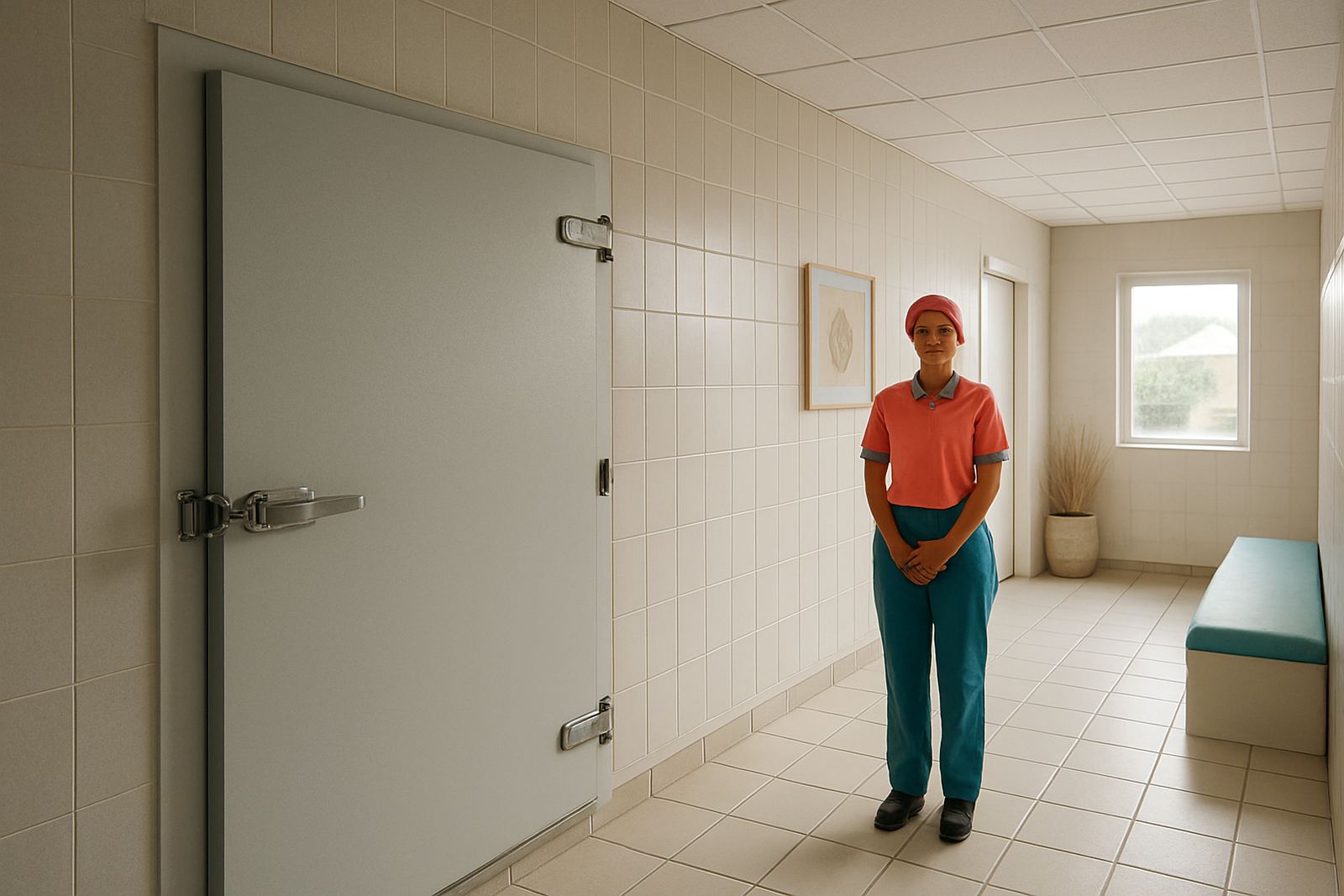
For mortuary spaces we often recommend insulated cold-room panels, a properly sized refrigeration plant, internal lighting, door alarms and temperature logging. For public areas we use commercial split systems or ducted systems where needed, with attention to quiet operation and easy access for maintenance. If the building has limited ceiling space or older wiring, that changes the layout and the electrical load plan too.
- Insulated cold-room panels and hygienic finishes
- Condensing units sized for Durban ambient temperatures
- Digital temperature control and logging
- Commercial split or ducted air-conditioning
- Drainage and condensate management
Layout and Planning Advice That Saves Trouble Later
Good planning starts with traffic flow. The mortuary area should be separate from public reception, with controlled access and enough working space for staff to move safely. Outdoor condenser positions need ventilation, service access and protection from salt air. On the coast, a unit packed into a tight service yard will age faster and run hotter, so placement matters just as much as the equipment itself.
Electrical supply is another point that gets overlooked. Cooling equipment, especially mortuary refrigeration, should be on a properly protected circuit with correct isolators, surge protection and clear labelling. If the building is in an area with regular power interruptions, a generator interface or staged restart plan should be part of the design. That reduces nuisance trips and helps avoid temperature rise during outages.
- Keep mortuary access separate from visitor flow
- Allow space around outdoor units for service work
- Plan for surge protection and controlled restart after outages
- Use corrosion-aware installation methods near the coast
- Place temperature displays where staff can check them quickly
Common Mistakes We See in Existing Buildings
Many funeral facilities inherit cooling problems from rushed upgrades or old equipment that was never matched to the room size. We often find undersized systems, poor insulation, blocked return air paths and units mounted where hot discharge air loops straight back into the condenser. That makes the compressor work harder and shortens service life.
Another common problem is mixing comfort and mortuary cooling on the same maintenance approach. They are not the same job. A reception air-conditioner can be warm for a while without serious consequences, but a mortuary cold room cannot drift for long. We set service schedules accordingly and track the equipment that protects the most sensitive areas first.
We also see facilities that wait for a total breakdown before calling for help. A compressor that is drawing too much current, a door seal that leaks or a blocked drain line are early warning signs. In Durban humidity, small faults become bigger very quickly.
Maintenance, Compliance and Call-Out Support
Funeral facilities need planned maintenance that is practical and easy to audit. That usually means filter changes, coil cleaning, refrigerant leak checks, electrical fault finding, temperature logging and a proper check of door seals, drains and controls. For mortuary systems, regular inspection helps keep temperatures stable and gives you a paper trail for internal records and inspections.
We offer service contracts for facilities that want one team to handle both the refrigeration side and the air-conditioning side. That makes scheduling simpler, especially when the building runs early mornings, late viewings and weekends. Our team can also help after storm damage, breaker trips or equipment faults that show up during load-shedding recovery.
- Planned Maintenance
- Breakdown Call-Outs
- Cold Room Servicing
- Aircon Maintenance
- Leak Detection and Electrical Fault Finding
- Temperature Logging and Compliance Checks
Budget Ranges for Funeral Facility Cooling
Budgets depend on room size, insulation, equipment selection and whether the site needs new electrical work. For a small funeral parlour, a basic comfort air-conditioning upgrade for offices or reception may start from about R18 000 to R45 000, depending on the number of units and the installation conditions. A small mortuary cold room can start from around R85 000 to R160 000, while larger or more specialised rooms can move well beyond that.
For a full facility with multiple cold spaces, public-area air-conditioning and controls, project costs can range from about R180 000 to R500 000 plus, especially where panel work, electrical upgrades and temperature monitoring are included. Ongoing service contracts are usually far cheaper than emergency repairs and product loss. A planned maintenance visit is often a few thousand Rand, while a major failure after hours can climb quickly.
If you are planning a new site or refurbishing an older building in Glen Anil, Durban North, Umhlanga or anywhere on the KZN coast, it pays to cost the full system, not only the equipment purchase. Installation access, coastal corrosion protection and standby planning all affect the final number.