Cooling challenges in busy clinics
A clinic can have four different cooling jobs running at once. The waiting room needs steady comfort for patients and families, treatment rooms need quiet units with good air flow, and medication or sample storage needs stable temperatures that do not swing during load-shedding or peak heat. On the coast, salt air and high humidity add another problem, so equipment selection and placement matter just as much as size.
We often see clinics in Durban North, Umhlanga and Pinetown with units that were sized for a small office but are now coping with extra consult rooms, more people in the reception area, or glass frontage that traps afternoon heat. A proper site check looks at floor area, ceiling height, patient numbers, heat from lighting and equipment, and how often doors open. That gives a realistic picture instead of guessing from square metres alone.
Typical equipment used in clinic spaces
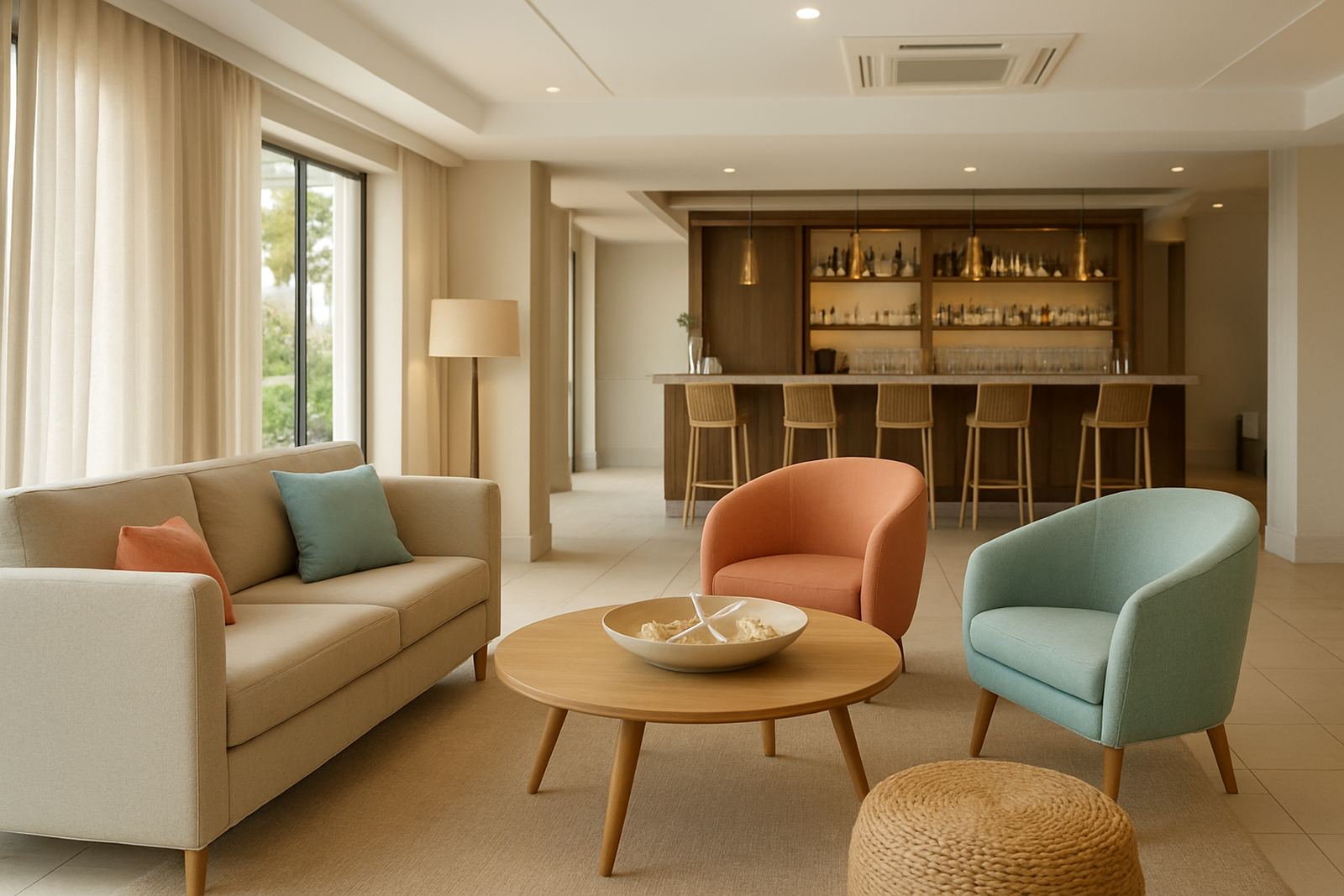
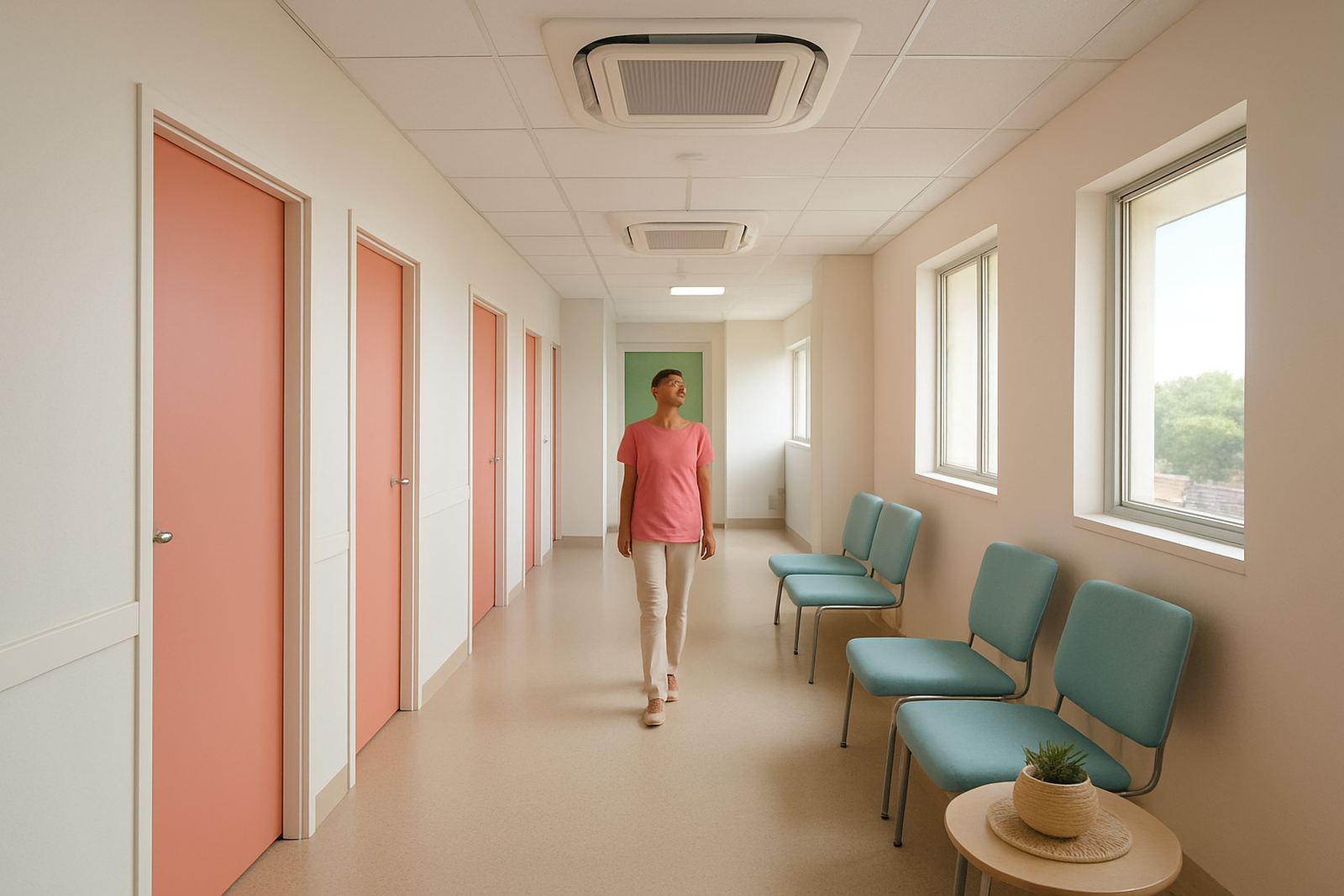
Different rooms call for different systems. In many clinics we install wall-mounted split units for consulting rooms, cassette units for wider treatment rooms, and ducted systems where a cleaner ceiling finish is preferred. Reception and waiting areas often work best with a mix of air-conditioning and good ventilation so the space feels comfortable even when the foyer is full.
- Split units for consulting rooms and small offices
- Cassette or ducted units for larger treatment areas
- Fresh-air support where rooms hold several people for long periods
- Temperature logging for storage areas that carry medicines or samples
- Backup planning for power interruptions and safe restart after load-shedding
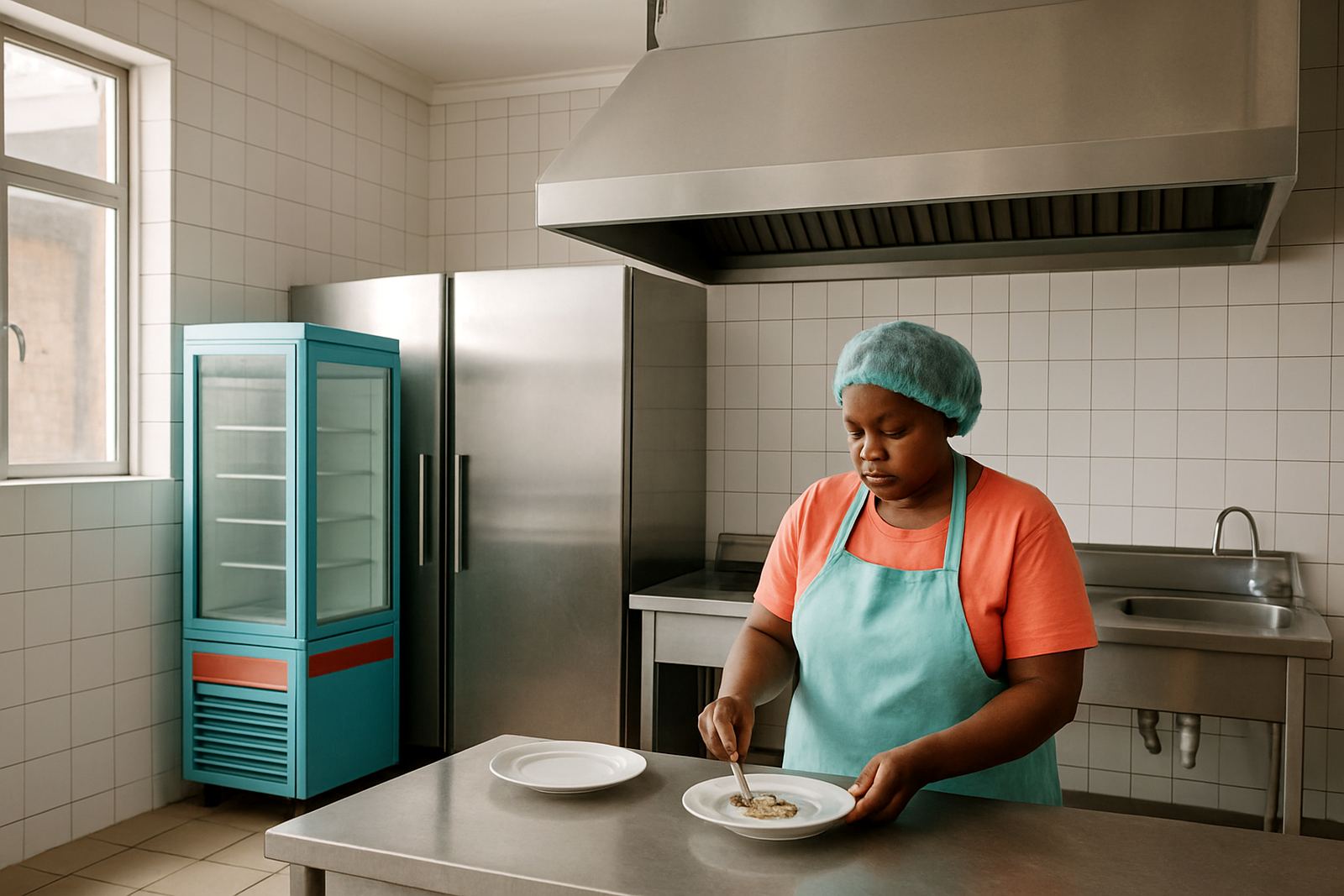
For storage, we look at the actual requirement first. Some clinics need cold rooms, others only need a dedicated medical fridge or a freezer room for specific stock. The right answer depends on what is being stored, how often the door opens, and whether there is a generator or inverter on site. A system that is too small will work hard all day and still miss temperature targets, while an oversized unit can cycle too often and shorten component life.
Layout and planning advice for a smooth install
Good planning starts with the building, not the machine. In a clinic, indoor units should not blow directly onto patients or staff for long periods, and they should not sit where curtains, partitions or ceiling beams block air flow. Outdoor units need a serviceable position with enough clearance, and on the coast they should be mounted where spray, standing water and direct sun are reduced as much as possible.
We also check how the clinic operates day to day. If consult rooms are used one at a time, separate zoning can save power and keep each room quiet. If the waiting area fills up at certain hours, that space may need its own unit or a larger shared system. For clinics in Ballito and the South Coast, corrosion protection is worth discussing early, because the cheapest option upfront can become the most expensive after a few summers.
- Keep medical storage on a dedicated circuit where possible
- Leave access space for coil cleaning and fault finding
- Plan drain routes so condensate does not drip onto walkways
- Fit controls that staff can use without changing set points every hour
- Allow for future expansion if extra rooms are likely within 12 to 24 months
Compliance points clinic owners should not miss
Clinic cooling is not only about comfort. If temperature-sensitive stock is stored on site, the system must be monitored and maintained properly. That means checking actual running temperatures, cleaning filters and coils, and recording issues before they affect stock quality. Where a room holds medicines or samples, we recommend temperature logging and clear responsibility for who checks it each day.
Electrical work must also be tidy and legal. On many sites we find extension leads used as a long-term fix, overloaded sockets or outdoor isolators exposed to rain. Those shortcuts can cause nuisance trips, equipment damage and avoidable downtime. Municipal and landlord rules can affect where outdoor plant may go too, especially in shared buildings and medical centres, so it is better to confirm that up front than fight over it later. A little planning saves money and keeps the clinic calmer when inspectors or building management ask questions.
Common mistakes we see in medical practices
The most common mistake is buying for the room size only and ignoring how the clinic is used. Another is putting one system in charge of too many spaces, then wondering why the rooms nearest the unit are cold and the far side stays warm. We also see clinics wait until a unit fails completely, which usually means after-hours call-outs, spoiled stock risk and a rough morning for staff.
Other problems are more practical. Filters are left dirty, drain lines block, or the outdoor unit sits in a place where dust and coastal moisture build up fast. In older buildings around Glen Anil and Durban North, we sometimes find the original wiring was never upgraded for the extra load. That sort of issue can be fixed, but it needs to be found before the new equipment goes in, not after the first hot week.
- Do not place treatment room units too close to patients
- Do not share storage cooling with comfort cooling if the temperatures differ
- Do not skip maintenance because the system is still running
- Do not install outdoor plant where service access is blocked
- Do not ignore power quality during load-shedding and restart cycles
Budget ranges for clinics in Rand
Budgets vary a lot because clinics differ in size, room count and storage needs. A small consultation suite with one or two split units may start from about R18 000 to R45 000 per room installed, depending on pipe runs, electrical work and mounting. A larger waiting area or multi-room practice can move into the R60 000 to R180 000 range when zoning, ducting or several indoor units are needed.
Cold rooms, freezer rooms and monitored medical storage spaces are a separate line item. A compact cold room can often start from around R85 000 to R140 000, while larger or more specialised rooms with logging, backup and higher finish standards can run well above that. Planned maintenance contracts are usually far cheaper than emergency breakdowns, and for clinics that rely on stable temperatures every day, a monthly service plan often pays for itself in fewer call-outs and less disruption.
We work across Glen Anil, Durban North, Umhlanga, Pinetown, Ballito and the South Coast, so site conditions are familiar to us. If you are fitting out a new practice or sorting out an ageing system, a proper survey gives you a clearer number before any work starts.