Warehouse cooling for stock that cannot sit in heat
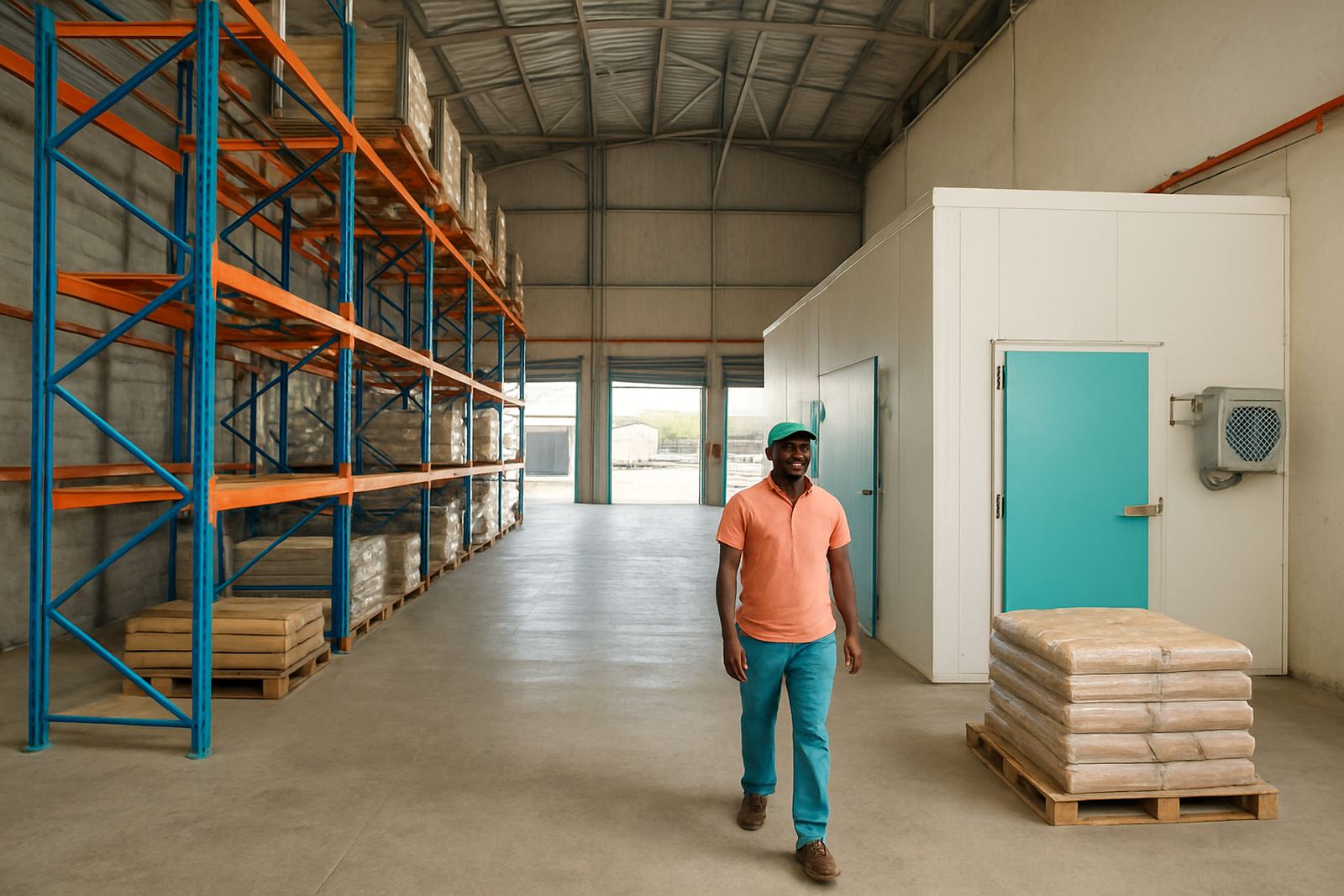
At a warehouse, the client problem is usually not one room, it is the movement of goods. Pallets come in warm, doors stay open during loading, stock waits at dispatch, and different products need different temperatures. In Durban and along the KZN coast, that adds up quickly because hot, damp air enters the building every time a roller door opens. We plan warehouse cooling around those working conditions, not just the floor plan.
For logistics sites, food storage, wholesale depots and mixed stockholding facilities, the aim is steady conditions in the right parts of the site. That may mean a cold room for fast-moving stock, a freezer room for frozen product, a chilled staging zone near dispatch, or comfort cooling for packing and admin areas. We also look at how load-shedding, municipal power supply issues and delivery peaks affect the site so the equipment can keep working when the day gets busy.
Typical equipment used in warehouse sites
Most warehouse projects combine more than one system. A single solution often struggles once the site starts running full shifts, so we match the equipment to the product, door cycle and floor area. That is especially important on the Durban North, Umhlanga, Pinetown, Ballito and South Coast routes where ambient conditions and building types vary a lot.
- Cold rooms for fresh produce, dairy, meat or general chilled stock
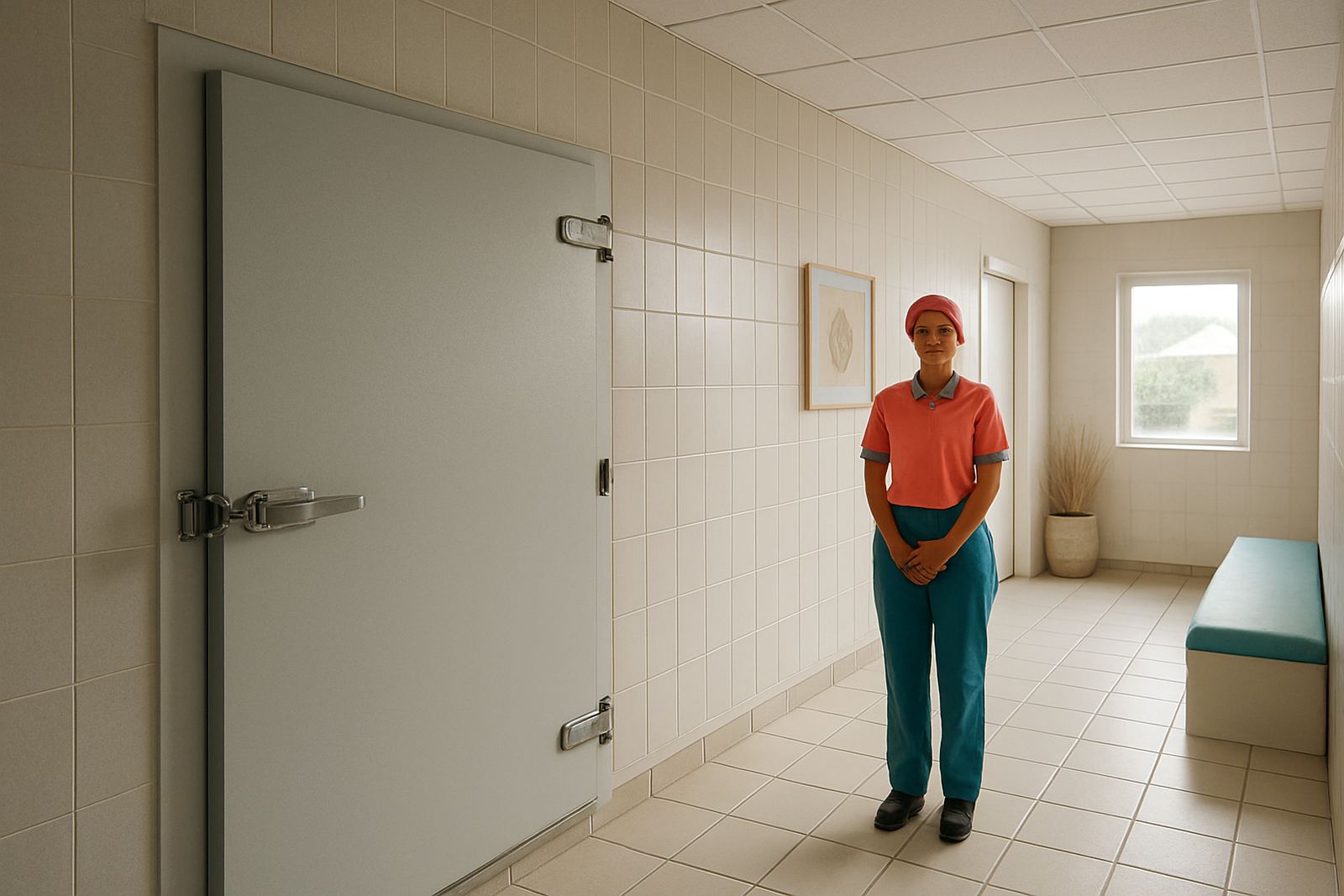
- Freezer rooms for frozen goods, ice and longer-term stock holding
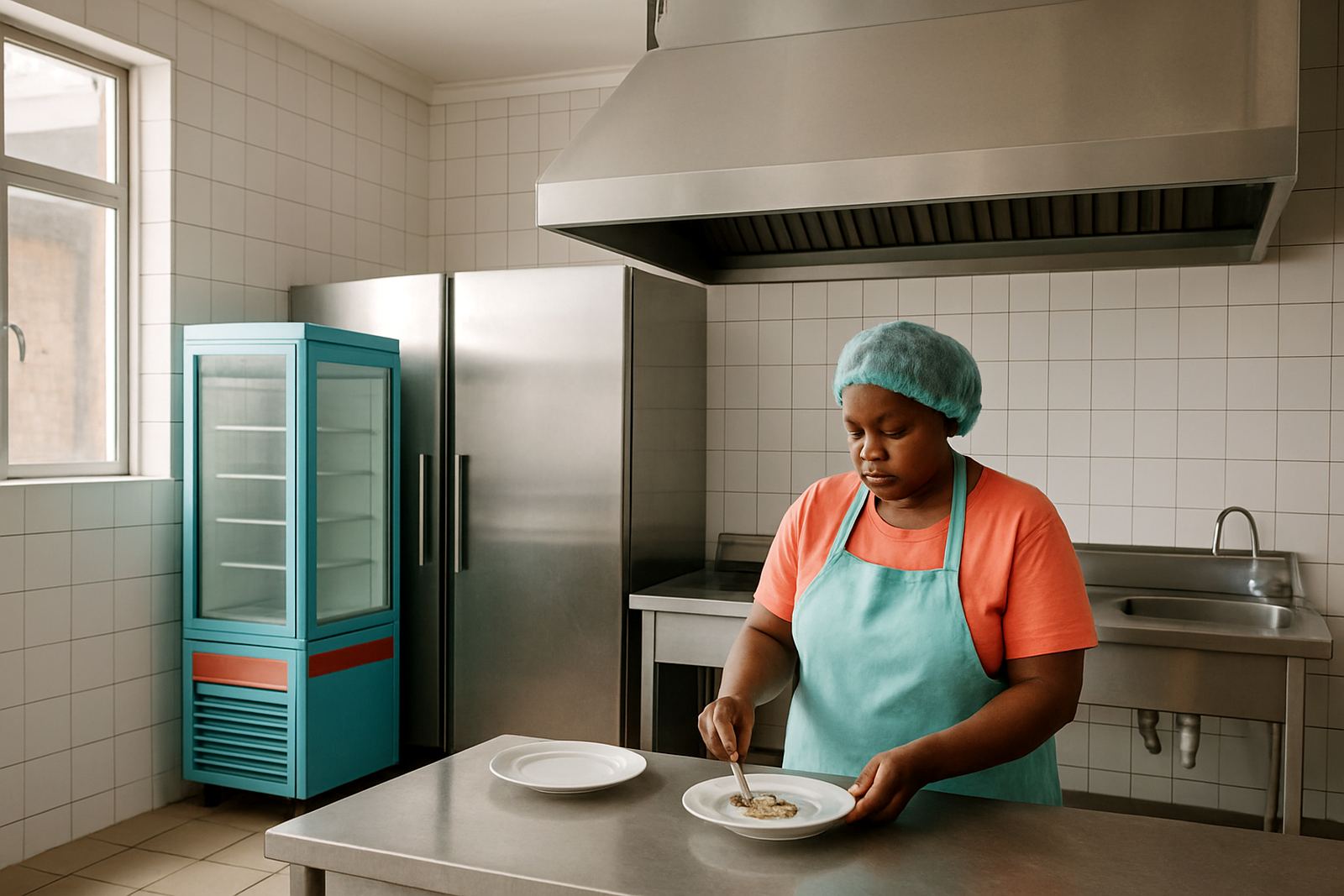
- Display chillers where stock is picked directly from a sales or dispatch area
- Packhouse and loading bay air-conditioning for staff comfort and product handling
- Air curtains, strip curtains and insulated doors to reduce heat gain
- Temperature logging and alarm systems for traceable stock control
- Electrical fault finding and leak detection for plants that run daily
We work with split systems, ducted units, packaged air-conditioning and refrigeration plants depending on the site size. For larger depots, the refrigeration side is often centralised while office, gatehouse and packing areas are treated separately. That gives better control and lower running costs than trying to cool one huge open space with one unit.
Layout planning that saves money later
Good warehouse cooling starts with layout. If the cold room sits too far from receiving, stock spends too long in the warm. If the freezer is near a loading door, the door seal and door heater work harder and electricity use climbs. If the dispatch area shares air with the main store, you end up cooling the whole building instead of the zone that actually needs it.
Our planning advice usually covers product flow, forklift routes, door positions, and how staff move between areas. We also check whether the floor can handle the loads and whether there is space for service access around the equipment. In many older Durban buildings there is enough roof or yard space for the plant, but not enough room for proper maintenance access, which becomes a problem later when a compressor or fan needs attention.
- Keep warm receiving areas separate from chilled stock zones
- Place cold storage close to dispatch if stock turns quickly
- Allow space for technicians to service condensers and pipework
- Use insulated panels and properly sealed doors to cut heat ingress
- Plan drainage for washdown, condensation and defrost water
- Check power supply capacity before adding extra refrigeration load
For sites on the coast, we also consider salt air and corrosion. Outdoor units, brackets and electrical components need proper protection or they will fail sooner than expected, especially where sea air reaches the building.
Common mistakes on warehouse projects
One common mistake is trying to save money by undersizing the plant. The site may cool down at night, but it will struggle during midday deliveries or when the doors are open for hours. Another mistake is ignoring the loading area. If the staff are packing chilled product in a hot bay, the product temperature starts rising before it even reaches storage. That can create compliance issues and spoilage.
We also see poor insulation, badly sealed doors, and no plan for maintenance access. Some sites have equipment installed in places that are hard to reach, which makes every service call slower and more expensive. In warehouses with regular loading traffic, a damaged curtain or worn door seal can waste more power than a faulty compressor ever will.
Planned Maintenance helps avoid many of these problems. We check coils, fans, gas levels, electrical contacts, drainage and temperature logging so faults are found early. For stockholding sites, that routine is often less expensive than one major breakdown that affects an entire run of frozen or chilled goods.
Budget ranges for Durban warehouse cooling
Warehouse budgets vary a lot because no two sites are the same. A small chilled store with one cold room is very different from a distribution depot with multiple temperature zones and daily dispatch traffic. The main cost drivers are room size, insulation, door count, ambient conditions, duty cycle, and whether the site needs standby capacity for load-shedding or after-hours operation.
As a working guide, smaller cold room or freezer room installations can start from around R180 000 to R450 000 depending on size and specification. Medium warehouse cooling projects with multiple rooms, staging areas and better controls often sit in the R450 000 to R1,2 million range. Larger industrial or logistics sites with central plant, zoning, temperature logging and ongoing service support can move well above that, especially if electrical upgrades or structural work are needed.
Service contracts are usually planned separately. For warehouses that run every day, regular maintenance is a sensible line item because it protects stock and reduces emergency call-outs. We can also budget for leak detection, compliance checks, and temperature logging reports so the site has records ready for audits or internal stock control.
Service support that keeps stock moving
Once a warehouse is running, support matters just as much as installation. That is where breakdown call-outs, cold room servicing, freezer servicing and aircon maintenance keep the site stable. Coastal Cooling Systems is based in Glen Anil, Durban and works across Durban North, Umhlanga, Pinetown, Ballito and the South Coast, so we are used to the mix of warehouse sizes and operating patterns in KZN.
Our team handles planned maintenance, electrical fault finding, leak detection, compliance checks and temperature logging. That helps warehouse managers keep records straight and avoid nasty surprises during busy periods. If a loading bay loses cooling on a hot afternoon or a freezer room starts drifting overnight, quick attention can protect stock and keep deliveries on schedule.
Sibusiso Mthembu leads the business as Managing Director, with Priscilla Naidoo coordinating operations and the technical team handling refrigeration and air-conditioning work on site. For warehouse clients, that means one point of contact and a team that understands both the machinery and the pressure of daily stock movement.