What bakery operators usually need on site
A bakery is not one room doing one job. Mixing, proving, baking, cooling, packing and front-of-house display all place different demands on temperature and air movement. In Durban and along the coast, warm humid air can lift room temperatures fast, which affects dough handling, butter stability, icing, and the shelf life of cream based products.
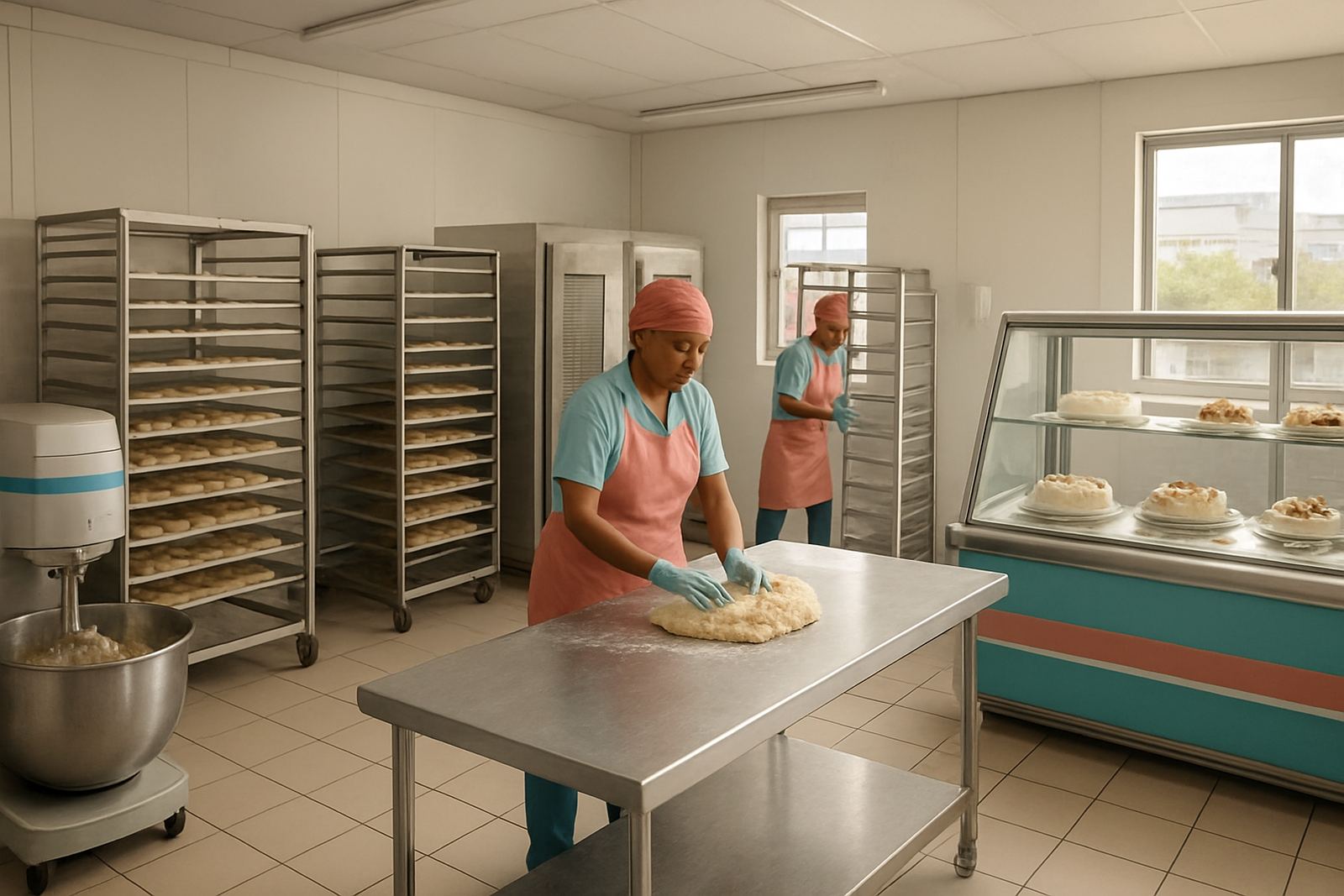
Most bakeries need a mix of commercial air-conditioning, cold storage and display cooling. Production areas usually need controlled comfort for staff and product consistency, while retail counters need dependable chilled display for cakes, desserts and filled items. Ingredient stores may need tighter temperature control for milk, butter, eggs, fillings and pre-made components. If the store room runs too warm, wastage climbs and stock rotation becomes harder to manage.
- Production area air-conditioning for mixing and finishing rooms
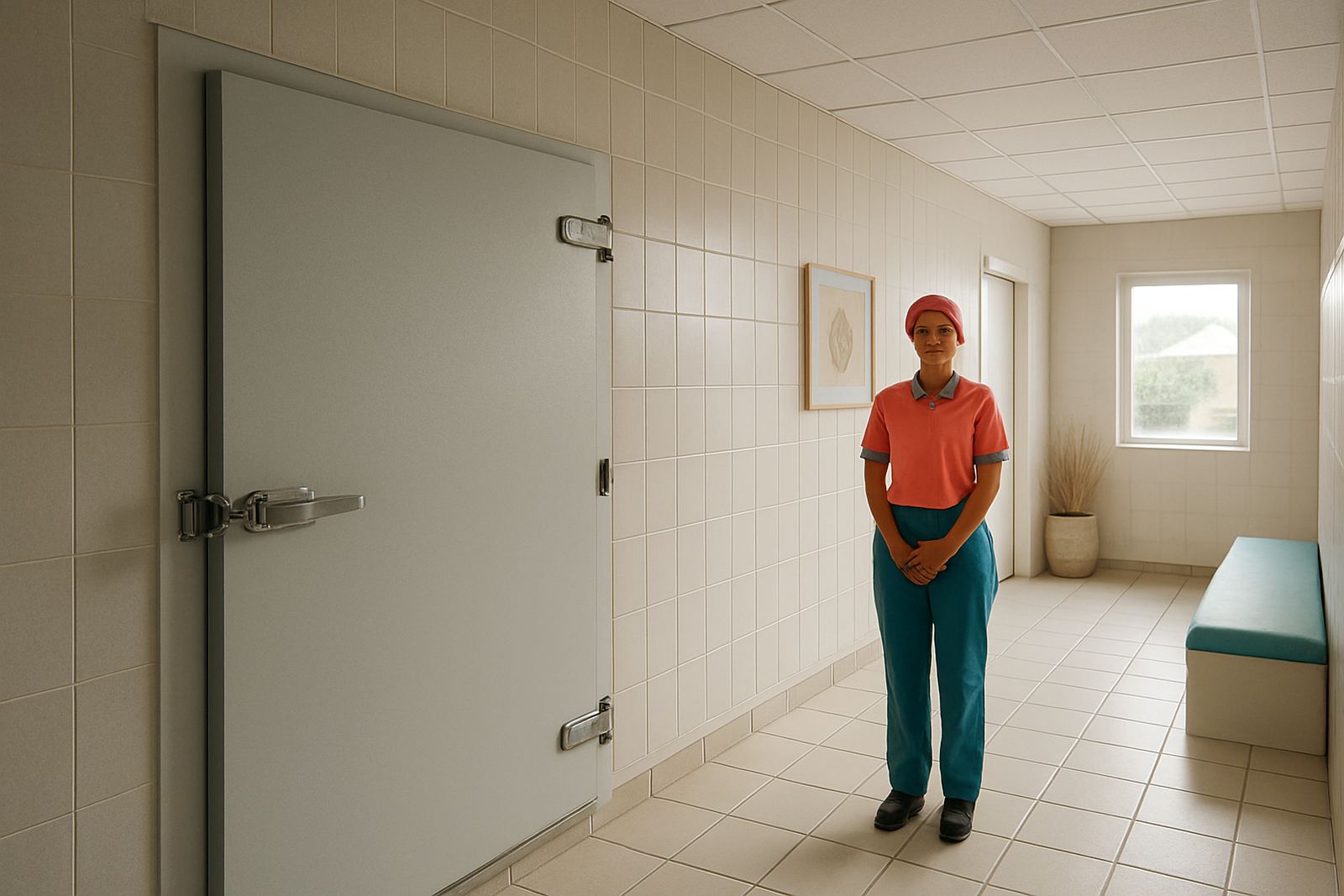
- Cold rooms or chilled ingredient stores for dairy, fillings and toppings
- Freezer rooms for frozen pastry, dough or backup stock
- Display chillers for front-of-shop cakes, slices and dessert cups
- Service access points for quick cleaning and breakdown work
Planning the layout around heat, hygiene and stock flow
Good bakery planning starts with the direction of movement. Raw ingredients should move in one direction toward prep, then baking, cooling, packing and display. Refrigerated stock should not travel through hot oven zones if it can be avoided. That keeps door openings down and reduces strain on the cooling system.
In a Durban bakery, we also look at where outside heat enters the building. Glass fronts, delivery doors, loading bays and open customer entries can all push the load up. If the front of house is open to the street, the display area may need its own air-conditioning or air curtain support. In some sites, the prep room and retail area work better on separate cooling circuits so one fault does not affect the whole operation.
- Keep cold rooms close to prep and packing areas, not next to ovens
- Separate retail display cooling from production cooling where possible
- Allow service clearances around evaporators, compressors and electrical panels
- Fit drainage and floor finishes that support washdown and hygiene checks
- Plan for generator or inverter support if load shedding is a regular issue
Typical equipment set for a production bakery
A bakery system is usually a combination of refrigeration and air-conditioning equipment rather than one large machine. The right set depends on turnover, floor area and how much product is made on site versus brought in pre-made. A small retail bakery in Durban North may only need a display chiller and one split air-conditioner set. A larger production bakery in Pinetown or Ballito could need a cold room, freezer room, multiple split systems and a service contract to keep everything on track.
We often find that bakery equipment fails because it was sized for the floor area only, not for the heat coming off ovens, proofers and busy foot traffic. The result is a room that feels cool for a short while then struggles during peak production. When equipment is selected properly, staff get better working conditions and chilled products hold their appearance for longer.
- Commercial split or ducted air-conditioning for production and retail rooms
- Chilled room panels and refrigeration plant for ingredient and finished stock storage
- Glass door display chillers or open-front chilled cabinets for retail sales
- Temperature logging for stock rooms and critical display areas
- Backup maintenance spares for fan motors, sensors and control parts
Common mistakes that cost bakeries money
One common mistake is treating the bakery like a normal office or shop. That usually leads to undersized air-conditioning, poor ventilation and too much moisture in the air. Another issue is putting chilled display too close to sunlight, front doors or ovens. The cabinet then works harder, uses more power and still struggles to hold the right temperature.
We also see maintenance being skipped until there is a problem. In bakeries, that often shows up as frost build-up, warm spots in a cold room, cloudy display doors or noisy compressors. A small gas leak, dirty condenser coil or blocked drain can turn into a full breakdown during a busy weekend. Planned maintenance is usually cheaper than emergency call-outs, and it helps with compliance records too.
- Installing the wrong size equipment for the actual heat load
- Leaving doors open or using damaged door seals on cold rooms
- Running display chillers in direct sun or next to heat sources
- Ignoring temperature records until stock loss has already happened
- Postponing coil cleaning and leak detection until peak season
Budget ranges for bakery cooling and air-conditioning
Costs vary a lot depending on the size of the bakery, the number of rooms, access for pipe runs and whether work is a replacement or a new install. A small retail bakery may only need a few tens of thousands of Rand for air-conditioning and display cooling support. A production bakery with cold storage can move into a much higher range once panels, refrigeration plant, controls and electrical work are included.
As a rough guide, many bakery owners budget separately for comfort cooling, cold storage and service work. That makes it easier to phase the project and protect cash flow. It also helps when a site needs to keep trading while upgrades happen in stages.
- Split air-conditioning for small shop areas: from about R18,000 per point installed
- Display chiller repairs or servicing: from about R1,500 to R8,000 depending on fault
- Cold room servicing and repairs: from about R3,500 to R15,000 for common call-outs
- New cold room or freezer room projects: often from about R85,000 and upwards
- Service contracts: normally priced to suit visit frequency, site size and equipment count
Service support that keeps the bakery trading
Bakery equipment should not only be installed, it has to be looked after. Coastal Cooling Systems provides planned maintenance, breakdown call-outs, cold room servicing, freezer servicing, display chiller servicing and aircon maintenance across Glen Anil, Durban North, Umhlanga, Pinetown, Ballito and the South Coast. We also handle leak detection, electrical fault finding, temperature logging and compliance checks.
For bakeries, the best approach is usually a service plan with routine visits before summer heat, before the holiday rush and after any major production change. That keeps the equipment cleaner, the temperatures steadier and the repair bills less erratic. It also means you have one team who knows the site, the stock pattern and the problem spots that tend to come back if they are not handled properly.
When a bakery is well planned, the air feels easier to work in, the cakes look better on display and the stock room stays under control. That is what keeps the service counter moving and the waste bins lighter.