Serve-Over Counters For Front-Of-House Refrigeration
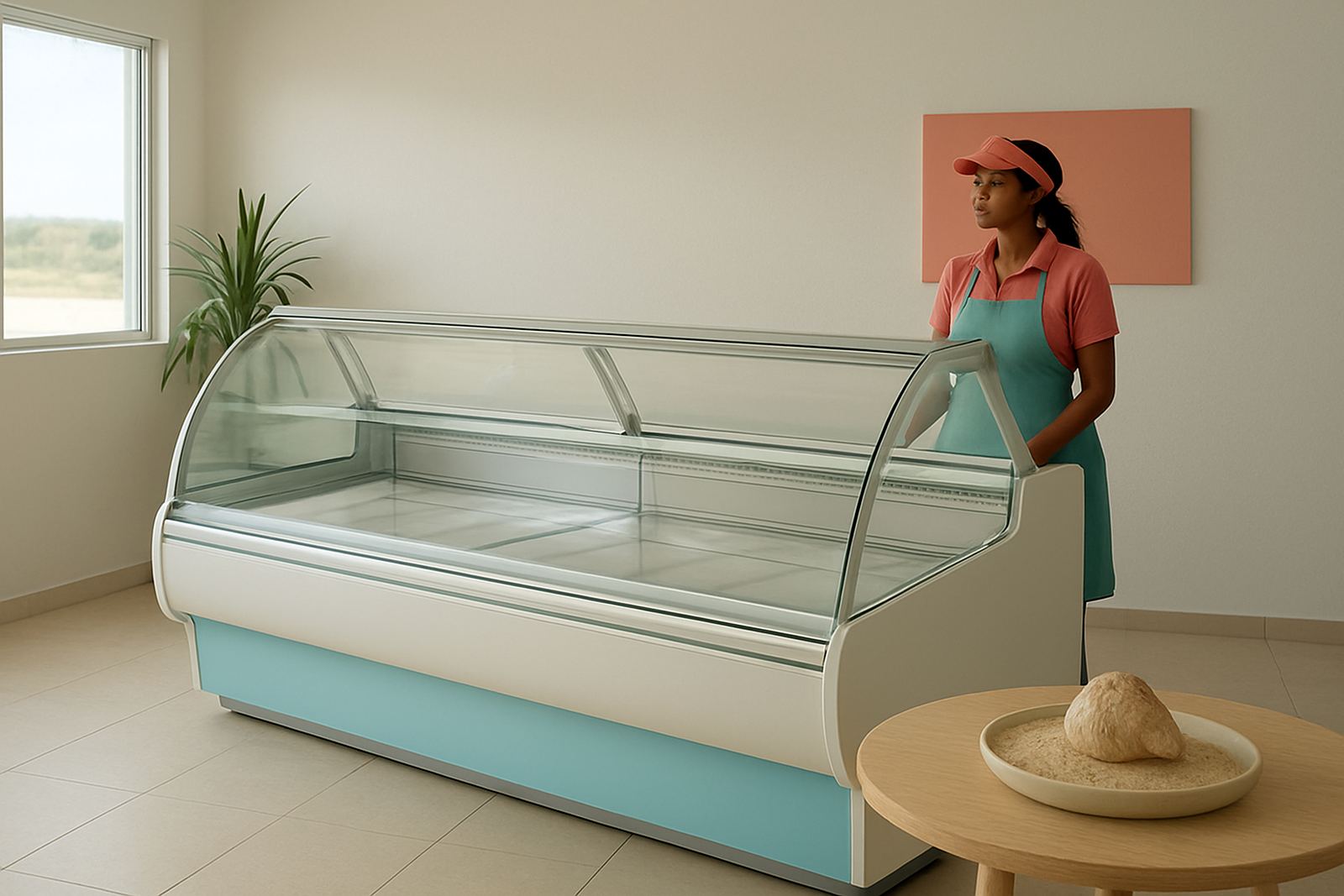
A serve-over counter is a refrigerated display unit built for direct customer service. Staff place sliced meats, prepared foods, cakes or fresh bakery items in the cold section behind the glass, then serve from the working side. In a busy deli or butchery this matters because stock stays within temperature, looks neat, and the queue can move without opening a full cold room door every few minutes.
These counters are made for daily use in shops that need both presentation and storage. You get a chilled display area, working top, understorage in some models, and lighting that helps the product look right under shop lighting. In Durban and along the coast, the unit also has to cope with humidity, salt air and power interruptions, so correct sizing and good maintenance make a real difference.
- For chilled display of sliced meats, cheeses, salads, cakes and bakery lines
- For front service where staff need quick access from the rear or internal side
- For retail spaces that want neat product presentation without extra handling
Sizes, Layouts And Build Options To Match Your Counter Line
Serve-over counters come in a range of lengths and depths so the line can suit the shop floor, the menu and the available power. Common lengths include 1.5 m, 2 m, 2.5 m, 3 m and longer linked runs for bigger supermarkets or production bakeries. Typical counter depth is about 900 mm to 1200 mm, depending on the service side, display angle and base design.
You can choose straight counters for a simple run, curved ends for a softer look, or modular sections that join together in one line. Some units are chilled only, while others include a refrigerated under-shelf or rear storage compartment. For bakeries, the front glass and shelf spacing often need to be set to show cakes properly. For butcheries, the display tray layout and drainage need to handle meat service and cleaning. It is worth measuring the doorway too, because a 3 m unit split into sections is often easier to bring in than one long body.
- Glass type: straight, curved or low front presentation
- Display style: chilled top only or top plus understorage
- Finish: stainless steel, powder coated panels, or mixed trim for retail fit-out
- Lighting: internal LED lighting for product visibility
In practice, the best size is the one that fits your trading pattern, not just the floor area. A small shop in Glen Anil will not need the same line as a high-volume store in Umhlanga or Ballito, and over-sizing can waste electricity and make loading awkward.
Where Serve-Over Counters Suit Best In KZN Trading Spaces
These counters work well wherever a team serves product directly to customers and the display needs to stay cold all day. That includes delis, butcheries, bakeries, farm shops, mini-markets, hotel food counters and food prep areas that sell over the counter. They are also useful in outlets where a cold room sits behind the shop and the serve-over line acts as the last step before sale.
On the KZN coast, temperature control matters because warm ambient air and humid weather push refrigeration harder. If the shop sits near the door or gets sun on the front windows, the counter should be placed away from heat sources, ovens and direct sunlight where possible. Good airflow around the condenser and proper night covers can help when trading hours are long and load-shedding has to be planned around.
- Delis and convenience shops with sliced products and ready meals
- Butcheries needing a clean meat display with steady holding temperature
- Bakeries selling cakes, desserts and chilled confectionery
- Hotels, canteens and takeaway counters with front-of-house service
In some municipal areas, drainage and waste handling around food service counters also need proper planning. If there is washdown nearby, the floor finish and drainage points should be checked before installation so the unit does not sit in standing water.
Installation, Power Supply And Site Checks Before Handover
Before installing a serve-over counter, the site should be checked for floor level, clear access, ventilation and electrical supply. Most counters need a dedicated electrical point, correctly sized protection and enough space for service access at the rear or underneath. If the unit is remote to a separate condensing system, the refrigerant pipe route and outdoor location must be planned as well. On a shop fit-out, this work is best coordinated before cabinetry goes in, not after.
Power needs depend on the counter size and whether it is a plug-in unit or a split system. Smaller counters can often run on a standard single-phase supply, while larger or linked runs may need three-phase power. In areas with frequent load-shedding, an owner should also think about restart behaviour after power returns, and whether the unit has delay protection or temperature recovery time. That can save spoiled stock after an outage.
- Check floor level and doorway access before delivery
- Confirm power supply, isolator position and breaker capacity
- Allow rear or side access for cleaning and servicing
- Plan condenser airflow and avoid placing the unit against a heat source
For shops in Durban North, Pinetown or the South Coast, corrosion protection is worth asking about if the unit sits in a salty or damp environment. Fasteners, trims and exposed metals should be suitable for coastal use so the counter keeps its finish for longer.
Care, Cleaning And Servicing To Keep Product Safe
A serve-over counter needs regular cleaning and routine servicing to keep temperatures steady and the display looking right. Daily wipe-downs, tray cleaning and glass polishing are part of normal trading. Weekly checks should include door seals, drainage, product arrangement and the condition of fans, lights and controls. If product starts sweating or the glass fogs up more than usual, that can point to airflow problems or a refrigeration fault.
At Coastal Cooling Systems we handle planned maintenance, cold room servicing, display chiller servicing and breakdown call-outs across Glen Anil, Durban North, Umhlanga, Pinetown, Ballito and the South Coast. We also carry out leak detection, electrical fault finding, temperature logging and compliance checks where needed. That helps stores keep to safe temperature ranges and spot issues before they turn into spoiled stock or a full stop on trading.
- Clean drains and check for ice build-up on the evaporator
- Keep vents clear and do not block the airflow with stock
- Check door seals, hinges and lighting regularly
- Log temperatures so faults are caught early
If a counter runs warm, cycles too often, or trips after power returns, it should be checked quickly. Small faults often start with a dirty condenser, a weak fan, or a sensor issue and it is cheaper to fix early than after a full product loss.
What To Check When Ordering A New Serve-Over Counter
Before you order, it helps to confirm what you are selling, how fast it moves, and who will load the counter through the day. A bakery line does not need the same tray arrangement as a butcher counter, and a deli with prepared meals may need more depth and better front visibility. The right spec reduces wasted space and makes serving faster.
When comparing units, look at the technical detail rather than only the finish. Ask about holding temperature, insulation, compressor type, lighting, glazing, tray layout and whether spare parts can be supported locally. In a coastal climate, the casing materials and service access matter just as much as the appearance. If the shop runs long hours, also check how the unit recovers after frequent door opening and what happens during a power dip.
- Product type: meat, deli items, cakes, pastries or mixed chilled foods
- Length and depth available on site, including delivery route
- Electrical supply and whether single-phase or three-phase is required
- Temperature range and recovery time after trading peaks
- Cleaning access, drain position and service panel location
If you need a counter for a new store or a replacement for an older unit, it is worth getting the measurements and power details right at the start. That avoids delays and helps the counter fit the work pattern from day one.
Key facts
| Product type | Refrigerated serve-over counter for customer-facing food display |
|---|---|
| Typical lengths | 1.5 m, 2 m, 2.5 m, 3 m and linked runs |
| Typical depth | About 900 mm to 1200 mm depending on model |
| Temperature range | Chilled holding for deli, butcher and bakery service lines |
| Power supply | Single-phase or three-phase depending on size and configuration |
| Common options | Straight, curved, understorage, rear service access, LED lighting |