What a glycol cooling loop does on site
A glycol cooling loop uses a water and glycol mix to move heat from one point to another while keeping the liquid from freezing at lower temperatures. It is common in food processing, beverage handling, chemical dosing areas, test rigs, and any plant that needs temperature control at more than one location.
The closed loop means the same fluid keeps circulating through the system, so there is less contamination risk than with open water systems. It also gives better control in cooler stores, plant rooms, and coastal sites where humidity can affect exposed equipment. In Durban, Umhlanga and Ballito, that matters because salt air and warm days can put extra pressure on pipes, pumps and fittings.
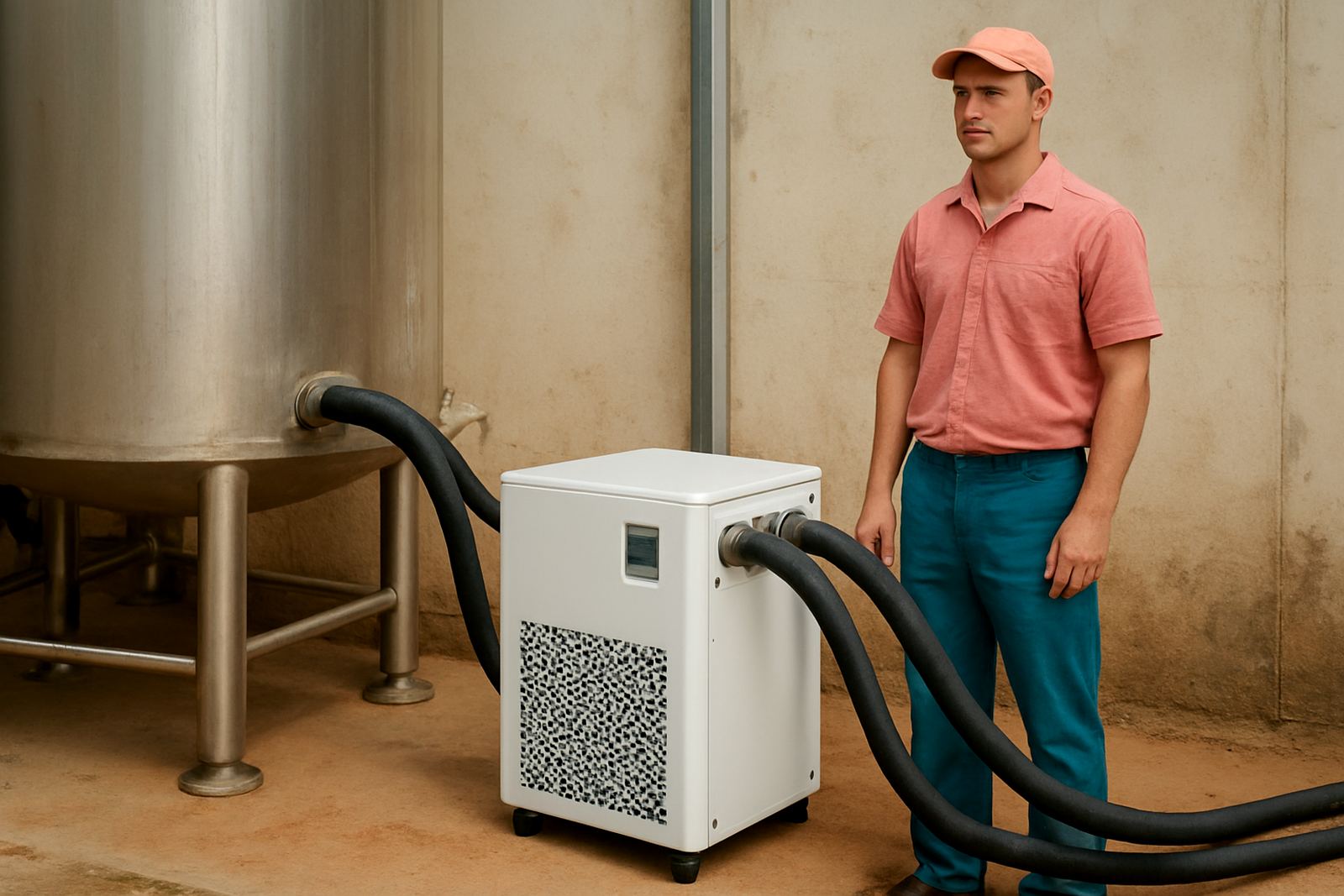
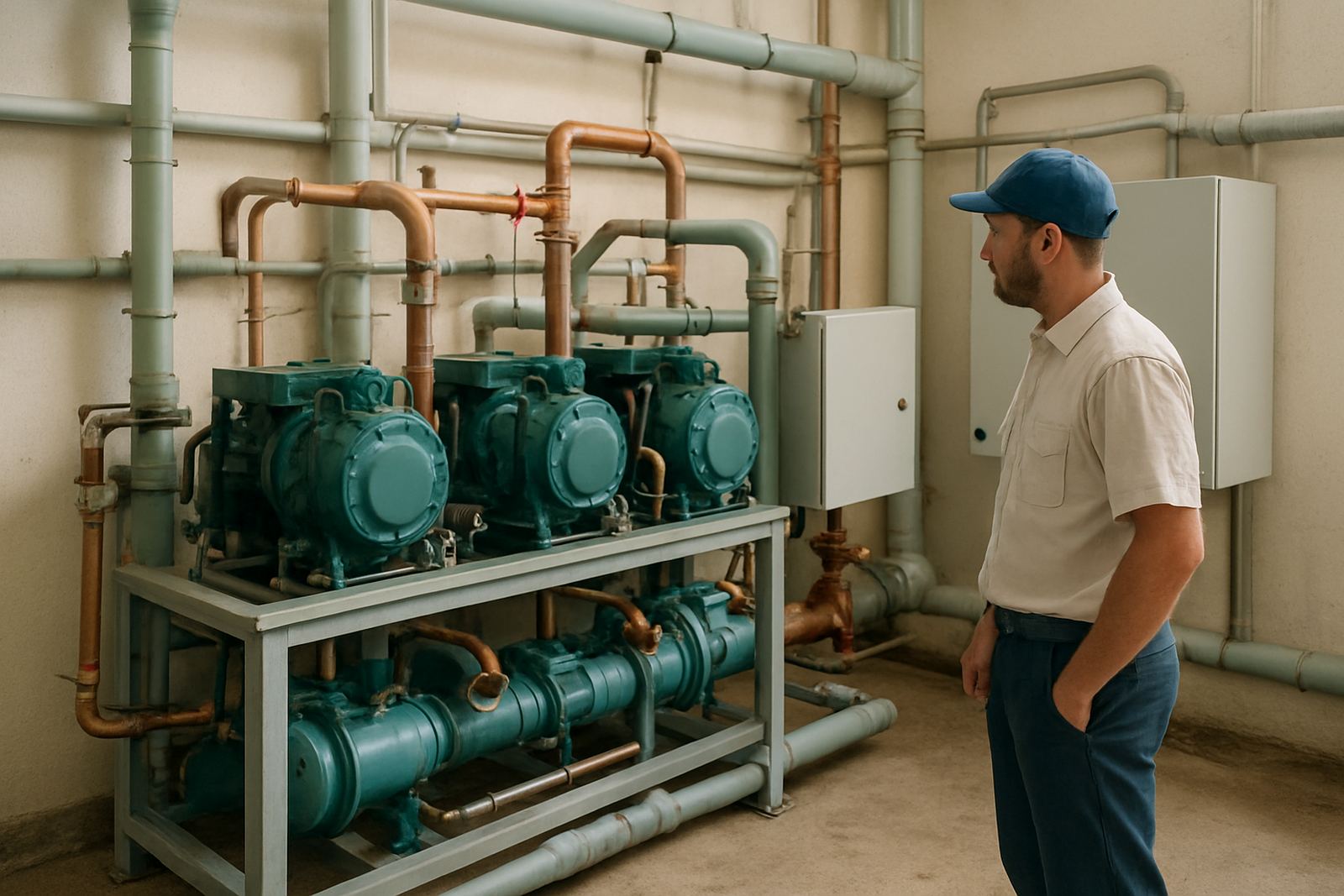
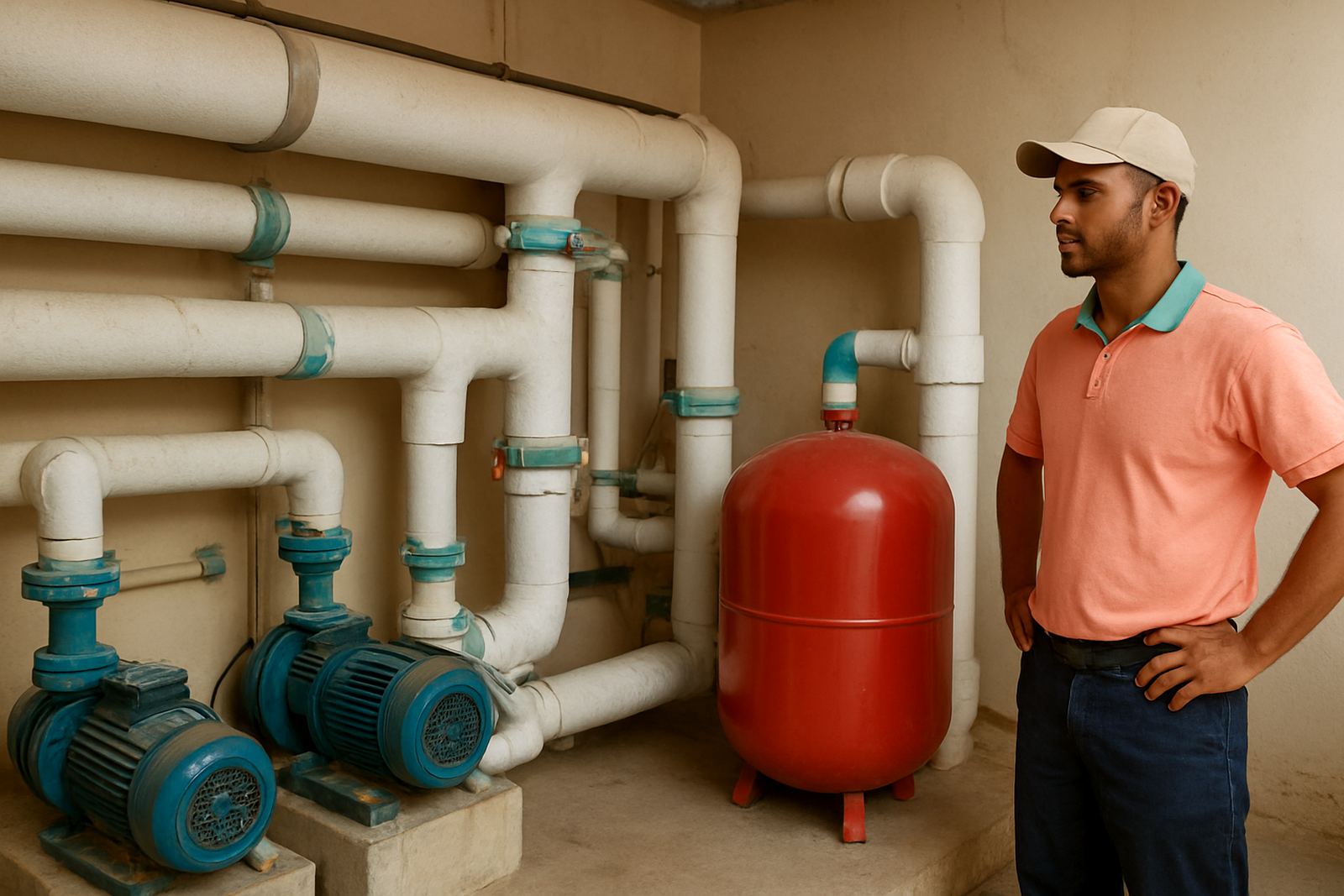
These systems are usually built around a chiller, circulation pump, insulated pipework, expansion vessel and controls. The glycol mix lowers the freeze point and helps protect coils, plates and lines from bursting during cold starts or overnight shutdowns.
Typical sizes, temperatures and control options
Glycol loops are specified by duty, flow rate and the temperature range you need to hold. A small loop for a single process skid may only need a compact pump set and a few kilowatts of cooling. A larger plant can need multiple circuits, variable speed pumping and staged control for different rooms or machines.
- Small systems for kiosks, laboratories and trial plants
- Medium systems for food prep areas, cold process rooms and display support
- Large multi-point loops for factories, packhouses and central plant rooms
- Low temperature mixes for sub-zero protection and freezer support
- Higher temperature loops for process cooling where freezing is not the goal
Flow control can be manual, thermostatic or fully automatic with sensors at the load. On tighter process jobs we often include temperature logging, alarms and duty changeover so the plant keeps running during load-shedding or a compressor fault. For Durban North and Glen Anil sites, that extra monitoring can save product and reduce call-outs.
Where glycol loops make practical sense
Glycol cooling loops suit places where you need stable temperatures over distance, or where chilled water would struggle in winter nights, coastal conditions or uninsulated runs. They are used in cold rooms with remote evaporators, fermentation and brewing, holding tanks, confectionery areas, and some medical or testing applications.
They also suit sites that have one plant room and several load points across a building or yard. Instead of putting a separate cooler at each point, one system can serve multiple users through a planned pipe network. That helps with service access, especially in Pinetown industrial parks or busy retail back-of-house areas where floor space is tight.
- Food and beverage process cooling
- Remote display or case cooling support
- Packhouses and distribution centres
- Industrial test benches and temperature-controlled lines
- Sites exposed to coastal humidity and changing ambient temperatures
If your operation runs after hours, or through weekends, the loop can be built with alarms and standby controls so faults are picked up early. That is often more practical than waiting for a room to drift out of range and discovering it the next morning.
Installation needs and what power supply to plan for
Most glycol systems need a sound mechanical install, correct pipe sizing and enough power for the chiller, pumps and controls. The exact supply depends on capacity, but the site must be checked for three phase availability, starting current and space for the plant equipment. Where power is unstable, we can factor in restart delays and control protection so the system does not short cycle after an outage.
The pipework must be insulated properly, with vapour barriers where needed, and fittings should be selected for the fluid mix and operating pressure. Pump head is important too, because long runs, high rises and small bore pipe will affect performance. A site in Ballito with long ceiling routes will be treated very differently from a compact Glen Anil plant room.
We also look at access for maintenance, drainage for spill control, and whether the area meets the practical needs of the client and local rules. If the loop feeds a cold room or food area, the design must support hygiene and easy cleaning. On some jobs a small typo in the spec can lead to the wrong pump size, so we check those details carefully before ordering.
Servicing, leak checks and fluid care
Glycol loops need planned maintenance to keep the mix strong, the pumps healthy and the temperatures steady. Over time, fluid can degrade, concentration can drift and filters can collect dirt from the system. If the loop is left too long without checks, it can lose freeze protection or start to corrode from inside.
Our service work includes concentration testing, leak detection, electrical fault finding, pump inspection and control checks. We can also compare actual temperatures against set points and log the results for compliance or internal records. For commercial sites, that record is often as important as the repair itself.
- Check glycol concentration and top up where required
- Inspect pumps, seals, valves and strainers
- Test sensors, controllers and alarm points
- Look for air locks, scale and poor flow balance
- Confirm insulation is intact on exposed pipework
If a loop starts to lose performance, it is often a fluid issue, not only a compressor issue. A good service visit can pick that up early and keep the plant running instead of waiting for a breakdown call-out.
What to check before you order
Before you order a glycol cooling loop, gather the basic load details and site conditions. The more accurate the information, the better the system will match the job and the less rework you will face later. This is especially important for coastal sites where ambient heat and humidity can change the real duty on the equipment.
- Required fluid temperature range in and out
- Total heat load in kW or the equipment list to be cooled
- Distance from plant room to each load point
- Number of circuits, branches and control zones
- Power supply available on site, including phase and breaker capacity
- Space for plant, pumps, access and service clearance
It also helps to know whether the loop must run all day, only during production, or with standby capacity. If the site has existing refrigeration or air-conditioning systems, we can assess whether the glycol loop should work alongside them or take over part of the duty. For Durban, Umhlanga and South Coast properties, we usually include salt-air protection on exposed components and plan for straightforward maintenance access.
Key facts
| System type | Closed-loop glycol cooling for process and distributed temperature control |
|---|---|
| Typical fluid | Water and glycol mix selected to suit freeze protection and operating temperature |
| Temperature range | Approximately -20 °C to +15 °C depending on design and duty |
| Main components | Chiller, circulation pump, insulated pipework, expansion vessel, controls and sensors |
| Control options | Manual, thermostatic, staged, variable speed and alarm monitoring |
| Service support | Fluid testing, leak checks, electrical fault finding, temperature logging and planned maintenance |