Why the freezer room needed a full rebuild
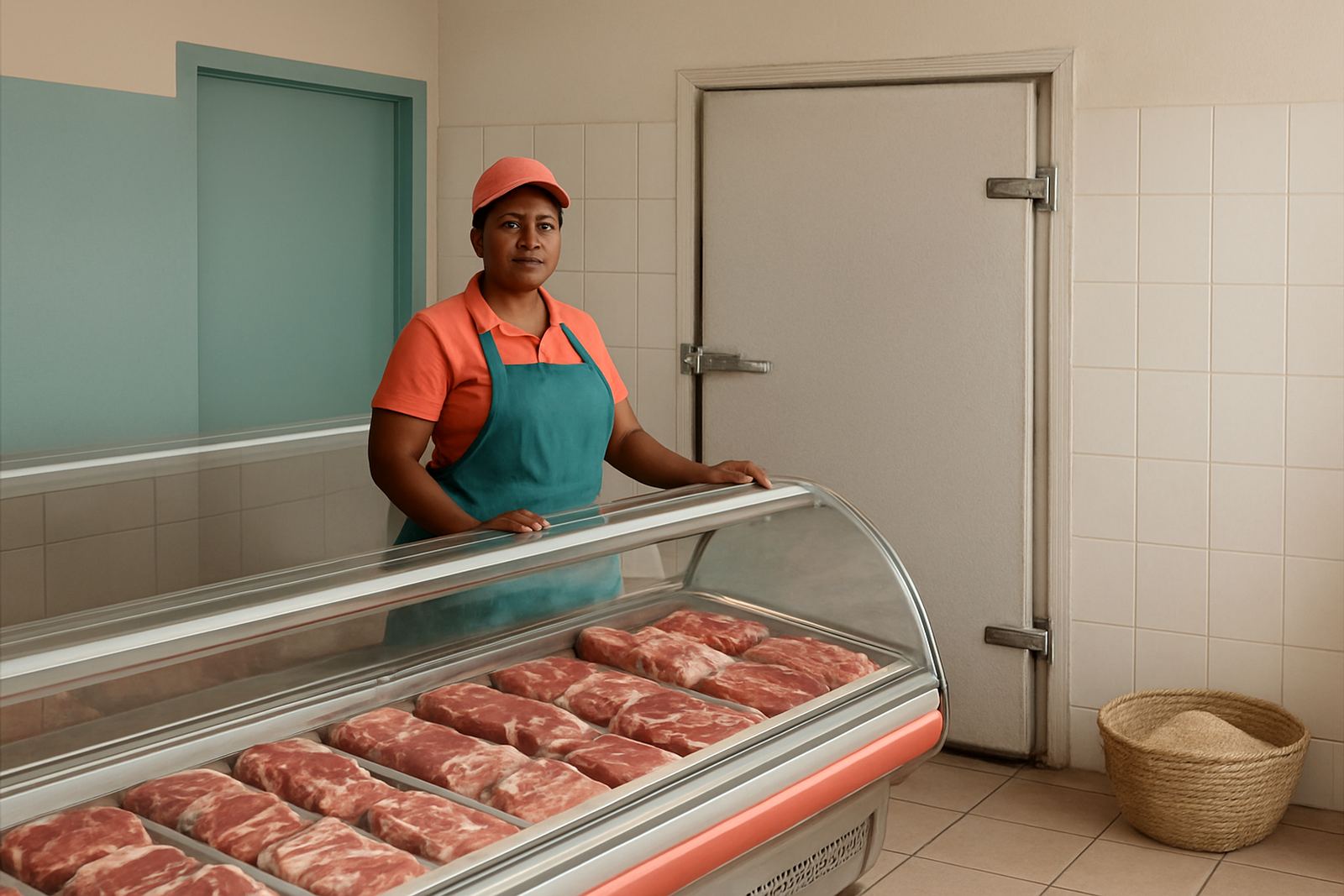
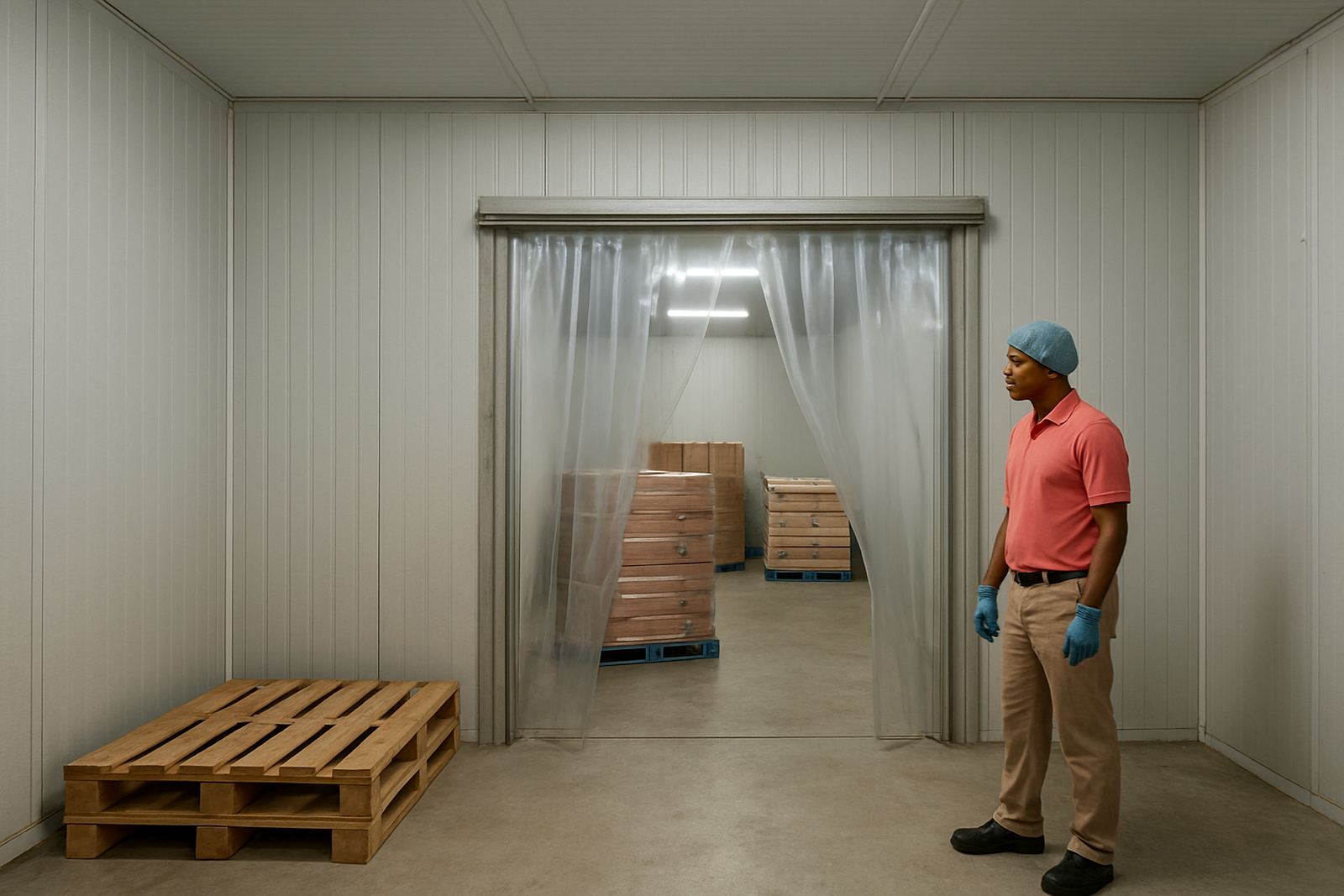
The site was a food storage operation in Amanzimtoti serving a busy local distribution run, with the freezer room opening often through the day and working hard in humid coastal air. By the time we were called in, the door set had worn badly, seals were no longer closing properly and parts of the evaporator assembly had taken years of moisture, salt air and vibration. The room was still running, but it was fighting to keep product temperature stable and that meant higher running costs and more risk to stock.
The client’s brief was simple: stop the losses, get the room back to a dependable working condition and reduce the chance of repeat failures. They needed the work completed with as little interruption as possible because stock movement could not stop for long. On top of that, the freezer had to keep working in a coastal environment where corrosion creeps in fast if parts are left exposed.
What we found on site
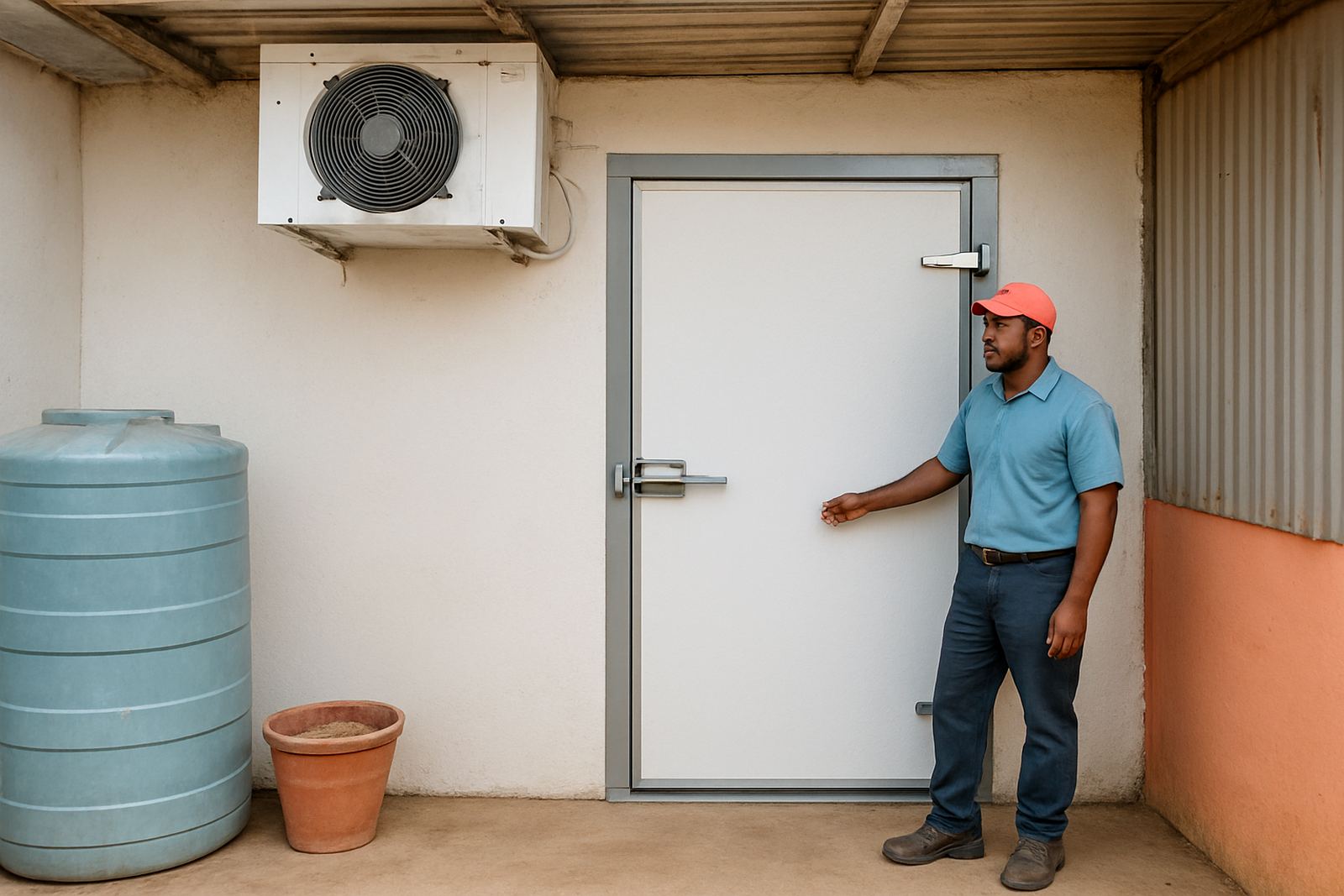
We started with a full inspection of the room, doors, evaporator components, fixings and control side. The main issues were mechanical wear, air leakage at the doors and coil components affected by long term fatigue. The door furniture had become slack, the closing action was poor and frost build-up around the affected areas showed that warm air was getting in more than it should.
We also checked the electrical and defrost side of the system, because freezer problems are often not just one fault. In this case there were signs of repeated overwork on the refrigeration circuit and the evaporator section needed more than a quick repair. The room was still in use, so we planned the rebuild in stages to keep downtime down and avoid product risk.
- Door wear causing poor seal pressure and air ingress
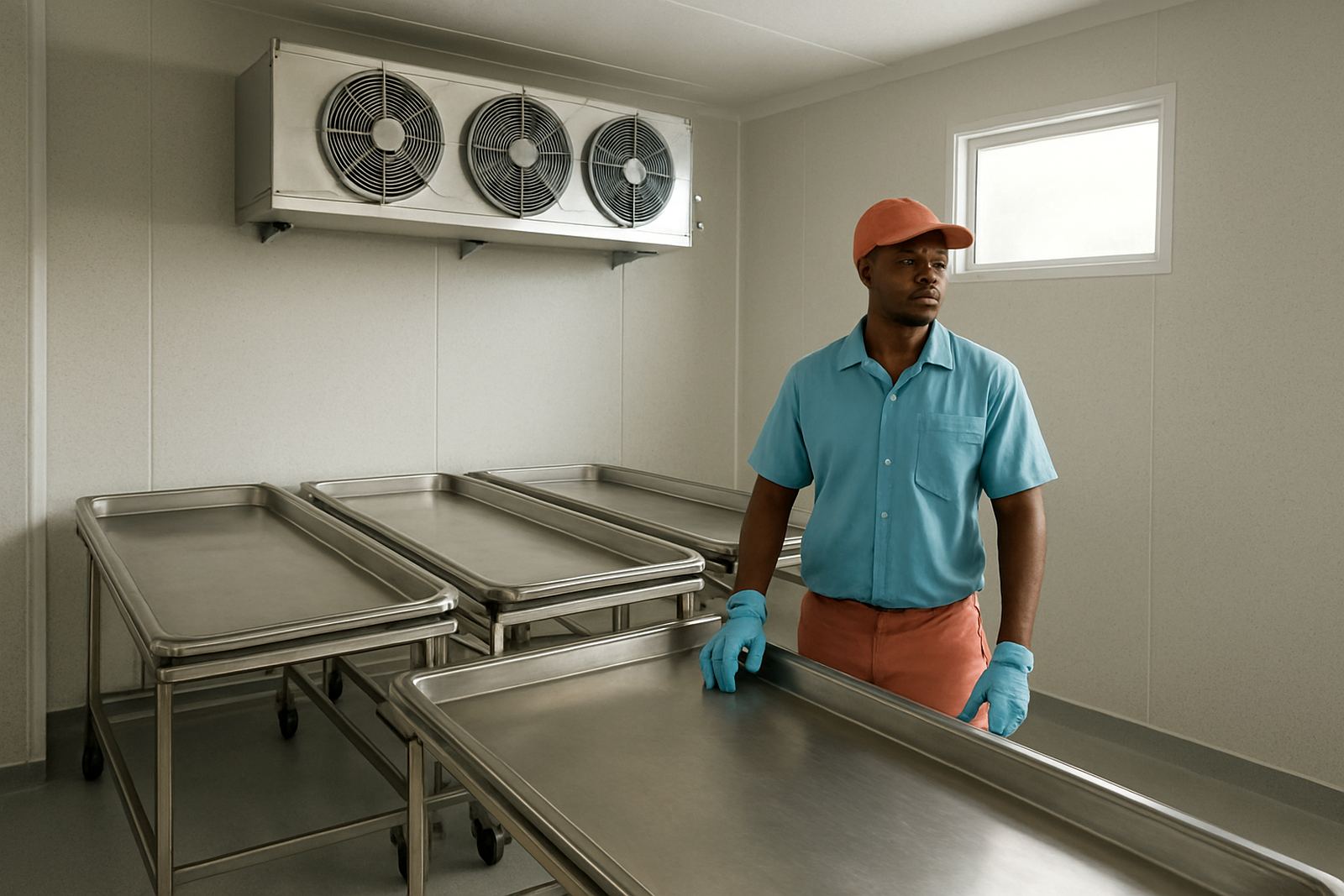
- Evaporator components showing heavy fatigue and corrosion
- Frost build-up linked to warm air entry and poor closure
- Extended running time from the refrigeration plant
The rebuild work we carried out
We stripped out the damaged door items and rebuilt the closing side of the room with new hardware, new seals and corrected alignment. The evaporator section was repaired and replaced where needed, with attention given to airflow, drainage and the areas most affected by moisture. All exposed work was refastened and checked for corrosion points so the room would not fail again in the same place after a few months.
The job also included careful leak detection, temperature logging and electrical fault finding on the related control and power side. We tested the freeze cycle, checked defrost operation and confirmed that the room could pull down and hold temperature within the expected range after the repairs. In practical terms, that meant the client could get back to normal loading without having to work around a failing door or a tired evaporator bank.
- Rebuilt damaged freezer room doors and corrected alignment
- Renewed seals and closing hardware
- Repaired evaporator components and drainage points
- Completed leak detection and temperature logging
- Checked electrical faults and defrost performance
Working in Amanzimtoti and coastal weather
Durban South sites face a mix of salt air, moisture and frequent opening cycles, and that is hard on freezer equipment. Amanzimtoti is close enough to the coast that metal parts corrode faster than inland, so every fix has to be done with the next few years in mind, not only the next few weeks. We also had to keep the room usable while the work was happening, which meant careful sequencing and clear communication with the site team.
The client could not afford a long shutdown because product movement was tied to a daily schedule. We worked in a way that allowed the room to stay operational for most of the job, then returned for final checks once the rebuild had settled. This reduced the pressure on the site and kept the stock team from having to scramble for temporary storage. It was not fancy, just the right way to do it.
Timeline and project control
The rebuild took two weeks from first inspection to sign-off. Week one covered diagnosis, strip-out of the failed items, ordering and preparing the replacement parts, then the first round of physical repairs. Week two covered installation, testing, temperature logging and final adjustments once the room had cycled under load. That timing worked well for the client because it fitted around deliveries and stock handling.
We kept the client updated through the process, with Priscilla Naidoo coordinating the schedule and site access while Themba Dlamini handled the technical rebuild on the refrigeration side. Kyle Govender assisted on the controls and power checks, and Aiden Pillay prepared the project scope and costing so there were no surprises. For a busy operation, that kind of control matters as much as the repair itself.
Results and what we would repeat
Once the work was complete, the freezer room returned to stable hold temperatures and the door closure issue was resolved. The evaporator side was operating properly again and the room no longer showed the same degree of frost build-up during normal use. The client had less load on the plant, better control of stock temperatures and a room that could be serviced more predictably going forward.
If we had to repeat this project, we would approach it the same way: inspect first, isolate the true causes, rebuild the worn mechanical sections and verify performance under real operating conditions. That approach saves money over time because it deals with the faults that cause repeat call-outs rather than only the visible damage. It also suits coastal sites where the next failure is often waiting in the salt air.
For freezer rooms, we always say the same thing: fix the seals, check the evaporator, then prove the temperature. That order keeps people from chasing symptoms and helps the room hold its own when the weather turns damp or the loads get heavy.
Key facts
| Project | Amanzimtoti freezer room rebuild |
|---|---|
| Location | Amanzimtoti, Durban South Coast |
| Client type | Food storage and distribution operation |
| Scope | Doors, evaporator components, controls and checks |
| Timeline | 2 weeks |
| Condition addressed | Heavy wear, air ingress and corrosion from coastal use |