What the school needed in Hillcrest
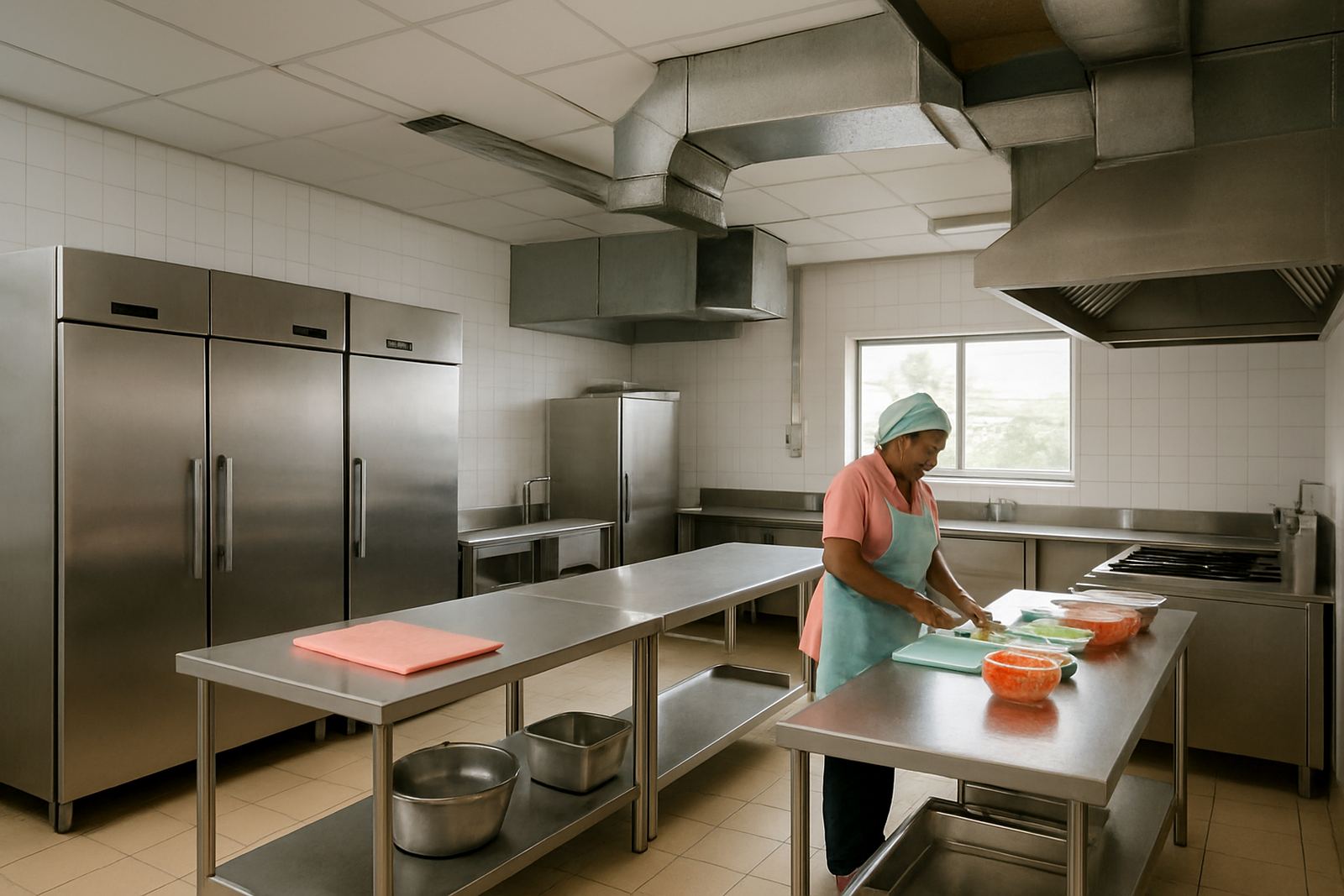
The client was a large independent school in Hillcrest with a busy central kitchen, tuck area and dining hall serving learners and staff across the day. Their existing refrigeration plant had become uneven, with warm spots in storage, slow pull-down after deliveries and a freezer room that struggled to hold temperature on hot afternoons. The dining hall also needed better cooling during peak service, especially when doors were opening and closing all morning.
The brief was simple on paper: keep food safer, reduce waste, and make the dining space more usable in Durban humidity. The campus could not afford long shutdowns and work had to fit around meal prep, break times and cleaning routines. We were asked to improve the cold room and freezer room performance, check the display chillers used for daily service, and install a better air-conditioning solution for the dining hall with sensible access for maintenance.
How we planned the work around a live campus
School kitchens do not stop for a contractor, so we split the job into clear stages over three weeks. Week one was site measurement, fault finding and equipment selection. Week two covered off-hours installation and pipework changes. Week three was commissioning, temperature logging and handover training with the facilities team.
The main constraint was timing. The kitchen had limited spare storage, and the school wanted to avoid a cold chain break during term time. We scheduled the noisiest work after service hours and kept the changeover to shorter blocks so the kitchen team could keep moving stock, cleaning floors and getting the next meal ready. There was also a roof access issue on part of the dining hall, so we used the existing maintenance route and kept the install neat for future inspections.
- Work took place over 3 weeks
- Most install tasks were done after hours
- We kept the cold room in service where possible
- All final testing was done with live load
Kitchen refrigeration refresh and control upgrades
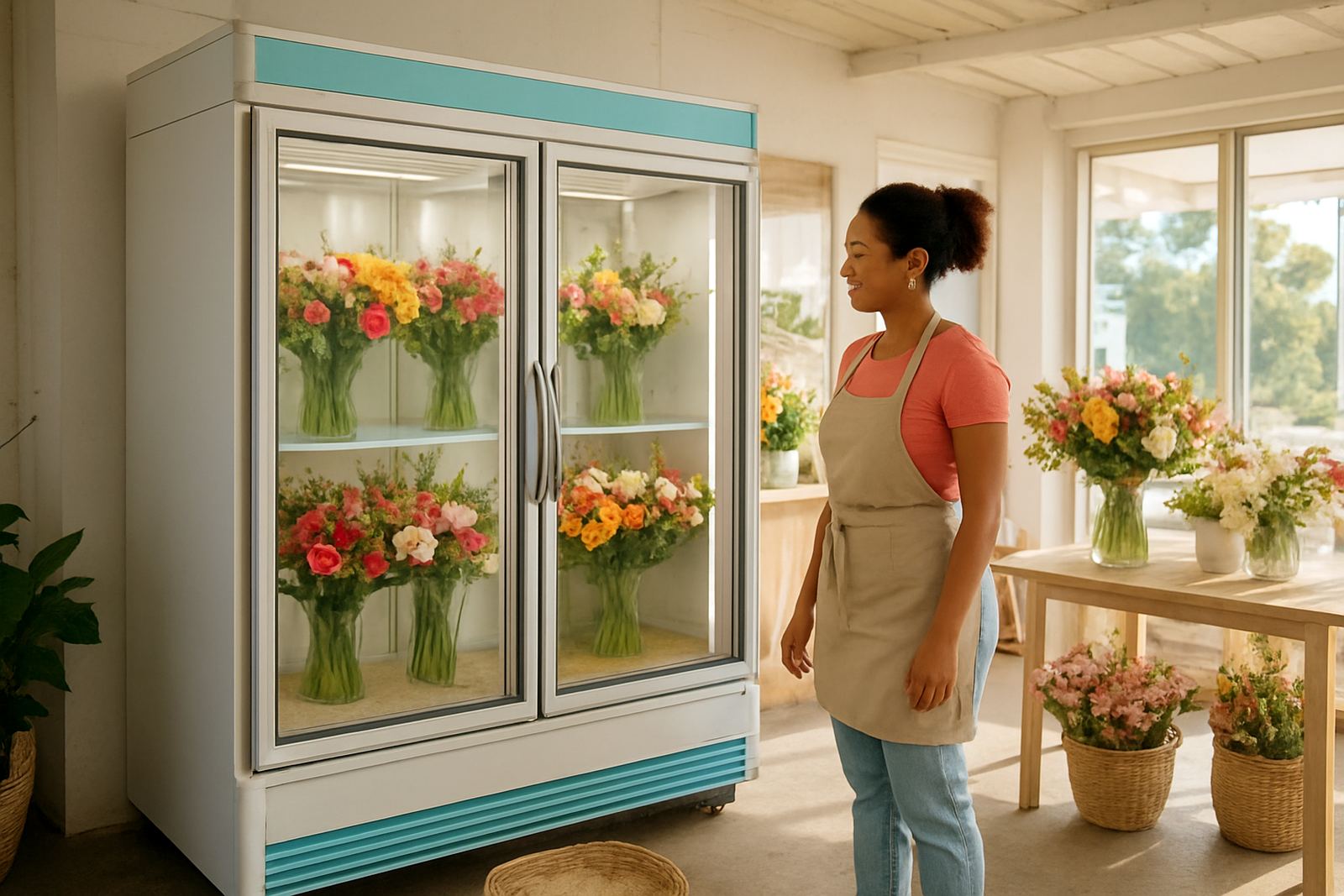
For the kitchen side, we supplied and fitted a refreshed refrigeration setup for the cold room and freezer room, sized for daily school use and high door openings. The cold room was set up to hold 2 to 5 degrees C for fresh produce, dairy and prepped food, while the freezer room was configured to maintain minus 18 degrees C for frozen stock. We also checked the display chillers used for service, since those units often show the first signs of strain when a kitchen is under pressure.
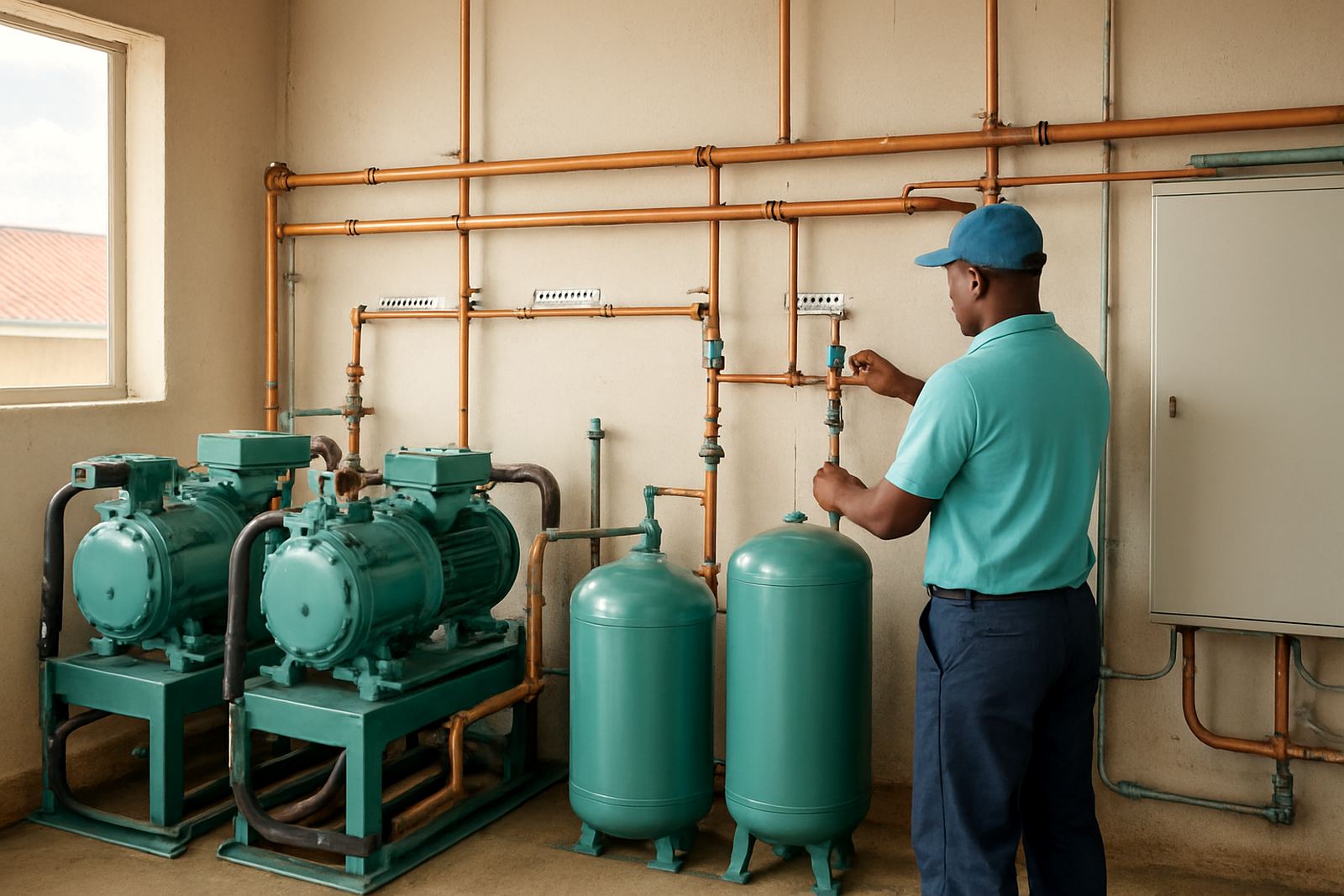
Where needed, we replaced tired controls, adjusted expansion devices and sorted out the weak points in the pipework and drains. The condensing equipment was positioned for better airflow and easier access, which matters on a coastal site where dust, salt and heat can build up fast. We also added practical labelling on isolation points and put in temperature logging so the staff could see how the rooms were performing across the day.
- Cold room set point: 2 to 5 degrees C
- Freezer room set point: minus 18 degrees C
- Temperature logging fitted for monitoring
- Display chillers checked and serviced
Dining hall air-conditioning for real school use
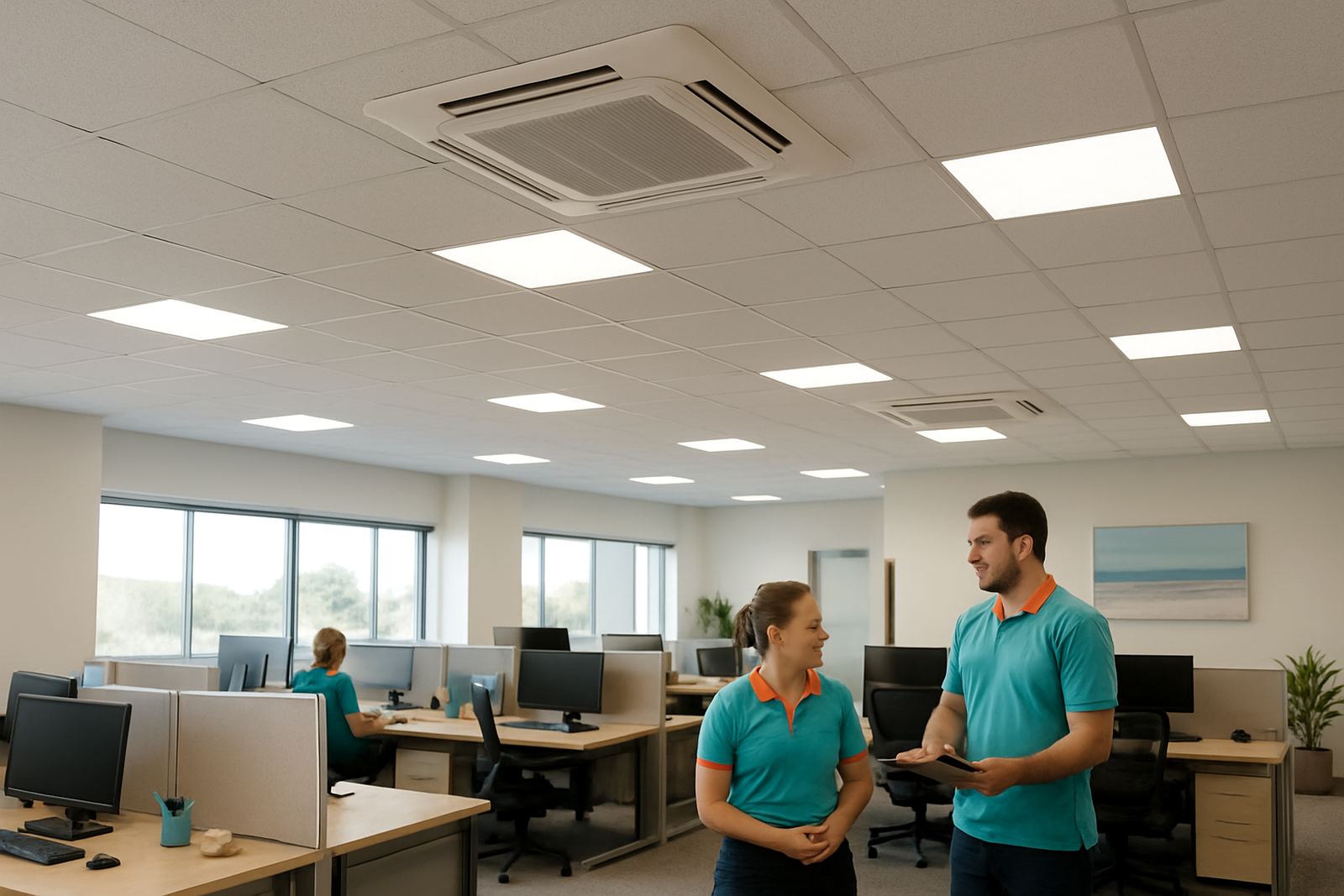
The dining hall needed cooling that could cope with a room full of learners, hot plates, kitchen traffic and doors opening every few minutes. We installed commercial air-conditioning units arranged for even air distribution rather than a single strong blast. That kept the space more comfortable for longer, and it helped avoid the common problem of one end being too cold while the other end stays stuffy.
Because the campus is in Hillcrest, we also had to plan for summer humidity and afternoon heat build-up. The units were set up with accessible filters and straightforward drainage so the school could keep them clean without calling us for every minor task. We carried out electrical fault finding on the supply side as well, since weak power connections can trip a unit at the worst possible time. Load-shedding was another factor, so we checked restart behaviour and made sure the system recovered properly after interruptions.
- Commercial units sized for dining hall occupancy
- Even air distribution across the room
- Accessible filters for planned maintenance
- Restart checks completed after supply interruptions
Commissioning, compliance checks and handover
Once the install work was complete, we ran the system under school operating conditions and checked that each room held temperature with real stock inside. That included door-opening tests, restart tests and logging against the school timetable. We also carried out compliance checks on the refrigeration side, confirmed the drainage was clear and verified that the controls were operating within the correct range.
The handover covered daily use, cleaning points and what the staff should look for before calling a technician. We showed the maintenance team how to read the logs, where to check for ice build-up and which alarms matter first. The idea was not to make the system complicated. It was to give the school a setup that stays practical through the term, not just on day one.
- Operational testing done with live stock
- Drainage and defrost checks completed
- Control settings explained to the maintenance team
- Temperature logs handed over for records
Results after three weeks on site
The school ended up with colder, more stable storage and a dining hall that could be used properly through the day. Pull-down times improved after deliveries, the freezer room held temperature more consistently and the kitchen team reported fewer small issues with doors, seals and recovery after peak service. The air-conditioning made the dining hall more comfortable for assemblies and meal breaks, which helped staff too.
From our side, the most useful result was predictability. The facilities team now has a clearer maintenance routine, the refrigeration plant is easier to inspect and the school has a service record that fits a larger campus. For a site with children, food and a tight timetable, that predictability matters more than fancy kit. It reduces calls, keeps the kitchen moving and helps prevent spoilage when the weather turns sticky or the power supply misbehaves.
What we would repeat on the next school project
If we were doing this again on another school campus, we would follow the same approach: survey first, work around the meal timetable, and give the facilities team simple maintenance notes they can use straight away. That means checking door seals, tracking temperatures, cleaning condenser coils on schedule and planning for school holidays when bigger service work can be done without pressure.
We would also keep the controls straightforward. In a school, the best system is usually the one that gets serviced on time and survives real use. Coastal sites like Durban and the outer suburbs need regular attention because humidity, dust and power interruptions will find any weak point. A tidy install with clear access and proper logs saves trouble later.
For schools, kitchens and dining halls, that is the real test. Not just whether it works on commissioning day, but whether it still works after a busy term, a heat wave and a few load-shedding events in a row.
Key facts
| Project type | School kitchen refrigeration refresh and dining hall air-conditioning |
|---|---|
| Client location | Hillcrest, Durban |
| Timeline | 3 weeks |
| Cold room set point | 2 to 5 degrees C |
| Freezer room set point | minus 18 degrees C |
| Scope | Cold room, freezer room, display chillers, air-conditioning, fault finding and compliance checks |